Manitoba Rifle Deer Opening Day
The crisp chill of early November air, the crunch of frozen leaves underfoot, and the almost unbearable anticipation — for many, Manitoba's rifle deer opening day feels like the true start of hunting season. It’s a day marked on calendars with a reverence that borders on sacred, yet it often comes with a scramble of last-minute preparations and nagging questions about regulations. This guide is here to walk you through everything you need to know to make your Manitoba rifle deer opener a safe, successful, and memorable experience, from understanding those crucial dates to perfecting your field strategy.
Understanding Manitoba's Rifle Deer Season Dates
The excitement leading up to rifle deer season is palpable, but before you even think about hitting the woods, you absolutely must know the exact dates for your chosen hunting grounds. It's not a one-size-fits-all scenario across our beautiful province; dates can vary significantly depending on which Game Hunting Area (GHA) you plan to hunt. Missing this detail can lead to a ruined hunt or, worse, a serious legal infraction.
Regional Variations and GHA Specifics
Manitoba is a vast province, and its diverse landscapes—from the southern farmlands to the sprawling northern bush—mean that hunting seasons are often tailored to regional deer populations, management goals, and even local land-use patterns. You can’t just assume that if one GHA opens, they all do. This regional variation is why checking the specific GHA you intend to hunt is paramount. For instance, the agricultural areas in the southwest might have different season structures than the heavily treed regions of the Interlake or the boreal forests further north. These variations often reflect the deer density, potential for crop damage, and even pressure from other hunters. It’s a complex dance that Manitoba Sustainable Development puts together each year.
Key Dates for the Most Popular Zones
While specific dates fluctuate annually and by GHA, the general trend for Manitoba's general rifle deer season opening day often falls around the second Monday of November. This timing is strategically chosen to coincide with the peak of the whitetail rut, when bucks are actively seeking does, making them more visible and vulnerable during daylight hours. This is why so many hunters eagerly await this particular window. The period through mid-November is often considered prime time for many. For example, some of the more popular agricultural and aspen parkland GHAs, known for their robust whitetail populations, often open around this time, drawing a significant number of hunters. If you're looking to capitalize on this prime opportunity, understanding the general window is your first step.
How to Confirm Your GHA's Specific Opener
Never rely on hearsay or last year's regulations. The official Manitoba Hunting Guide, published annually by the provincial government, is your absolute bible. It details all the season dates, bag limits, and specific rules for every GHA. You can find this guide online on the Manitoba government's website or pick up a physical copy at most licence vendors. Beyond the official guide, resources like the GoHunt app or website are incredibly useful. These platforms often provide up-to-date GHA maps with overlaid season dates, offering a visual and interactive way to confirm your dates, ensuring you're compliant before you even step foot in the field. Don't forget that you can also look into Manitoba Big Game Season Dates for a broader overview, but for rifle deer, specific GHA dates are key. It's also wise to double-check these dates against any updates or changes that might be released throughout the year.
Pre-Season Preparation for Opening Day Success
Opening day isn't just about showing up with a rifle; it's the culmination of months, sometimes even a full year, of planning and preparation. The more effort you put in beforehand, the higher your chances of success. From scouting your hunting area to ensuring your gear is in tip-top shape, meticulous preparation is the bedrock of a good hunt.
Essential Scouting and Habitat Assessment
Successful hunters know that the hunt begins long before opening day. Pre-season scouting is crucial, especially if you're targeting a specific buck or an area you haven't hunted recently. This involves walking your intended hunting areas, looking for fresh sign like rubs, scrapes, and tracks. Pay attention to bedding areas, feeding locations (like standing corn, alfalfa, or even acorns), and the travel corridors connecting them. Deer often use the same trails year after year, especially when moving between cover and food sources.
Consider using tools like onX Hunt or GoHunt to analyze aerial imagery and topographical maps, identifying pinch points, natural funnels, and dense cover that might hold deer. Look for fresh deer droppings and tracks that indicate recent activity. A good strategy might be to focus your efforts around these key areas where deer are consistently active. Understanding Reading Whitetail Sign in Manitoba Aspen can be a huge asset in the bush country, while spotting fresh tracks along a field edge is vital in agricultural zones. Identifying these hotspots before the pressure of opening day means you're not just wandering aimlessly but hunting with purpose.
Gear Check and Readiness
There’s nothing worse than having a perfect opportunity arise on opening day only to be let down by equipment failure. Your rifle, ammunition, optics, and clothing all need to be meticulously checked.
First, your rifle: ensure it's clean, sighted in, and functioning flawlessly. A trip to the range weeks before the season opens is non-negotiable. Practice shooting from various positions you might encounter in the field, not just from a bench. Make sure your scope is clear, adjusted, and free of fog or moisture.
Ammunition-wise, use the same load you sighted in with. Carry enough rounds for the hunt, but don't overpack.
For clothing, layer up. Manitoba November weather can be notoriously unpredictable, swinging from mild to bitterly cold in a matter of hours. Ensure your outer layers are waterproof and windproof, and your base layers wick moisture. Don't forget quality insulated boots, warm gloves, and a hat. Remember the importance of scent control, too, as deer have an incredible sense of smell. Checking your gear also extends to safety equipment like a reliable flashlight, a first-aid kit, communication devices, and blaze orange apparel, which is often legally required.
Physical and Mental Preparation
Hunting, especially in Manitoba's rugged terrain and variable weather, can be physically demanding. Long walks, hauling gear, and potentially dragging a deer out of the bush require a decent level of fitness. Incorporate some regular exercise into your routine in the weeks leading up to the season. This isn't just about strength; it's about endurance and being able to handle the cold and physical exertion without getting fatigued, which can lead to mistakes or unsafe situations.
Mentally, prepare for the solitude, the patience required, and the potential for disappointment. Hunting is called hunting, not "killing," for a reason. Not every outing results in a harvest. Develop a positive mindset, focus on the experience, and be ready to adapt to changing conditions. Visualizing success and reviewing your hunting plan can also help mentally prepare you for the challenges and opportunities of opening day. Don’t underestimate the value of a solid night's sleep before your hunt!
Opening Day Strategies for Manitoba Whitetails
Opening day brings increased hunter pressure, which can dramatically change deer behavior. Having a solid strategy and being adaptable is key to success. Remember, deer are creatures of habit, but they are also incredibly astute at detecting danger and adjusting their movements accordingly.
Early Morning Tactics and Stand Selection
The period just before and after legal shooting light on opening day is often your best chance. Deer are usually still on their feet, moving between feeding areas and bedding cover. This is when a well-placed stand or blind becomes critical.
Consider setting up your stand or blind along known travel corridors, especially those leading away from open fields into dense cover, or along natural funnels like creek bottoms, fence lines, or timber edges. Wind direction is paramount; always approach and set up with the wind in your favor, carrying your scent away from where you expect deer to approach. Arrive at your spot well before first light, moving slowly and quietly to avoid disturbing any deer already in the area. Once settled, remain absolutely still and quiet. Use your binoculars to scan the area thoroughly as light breaks. Deer will often move cautiously at first light, hugging cover. Being patient and observant can pay off immensely. For advice on specific setups, consider reading about Hunting a Bluff Between Two Fields or Hunting a Willow Run for Whitetails.
Mid-Day Approaches and Adapting to Pressure
As the morning progresses and hunter activity increases, deer will typically seek out their bedding areas in thick cover. Many hunters make the mistake of leaving their stands too early, thinking the deer activity is over. However, during the rut, bucks can be on their feet at any time, especially if they're pushing a doe. Also, other hunters moving around can push deer from their primary bedding areas, causing them to move unexpectedly.
Mid-day can be an excellent time for still-hunting or slow-stalking through dense bedding cover, paying close attention to wind direction and moving into the wind. Focus on thickets, heavy bush, or even standing corn fields where deer might be holed up. If you're hunting an area with significant pressure, consider moving deeper into less accessible areas that other hunters might avoid. Sometimes, a long, quiet sit in a well-chosen stand throughout the mid-day can be incredibly productive, catching a buck that's been pushed by other hunters or is just feeling restless during the rut. Don't underestimate the power of sitting all day, especially during the peak rut.
Late Afternoon and Evening Hunts
Just like first light, the late afternoon and evening period is another prime time for deer activity. Deer will begin to move from their bedding areas towards feeding grounds as evening approaches. Setting up your stand on the edge of a feeding field or along a trail leading to one can be very effective.
Again, consider the wind direction and your entry and exit routes. You want to avoid spooking deer as you approach your stand and when you leave after the hunt. This is also a good time to use calls or rattles if you're in an area with good rutting activity. A few soft grunts or rattling sequences can sometimes pique a buck's curiosity. Ensure you stay until legal shooting light ends, as that last ten minutes can often yield surprising results. Being prepared for a quick, ethical shot and knowing your limits is crucial. If you're hunting in the prime rut window, checking out Hunting the Rut in Early to Mid November could provide more insights into deer behavior during this critical time.
Navigating Regulations and Ethical Considerations
A successful hunt isn't just about harvesting an animal; it's about doing so legally, safely, and ethically. Manitoba has clear regulations in place to ensure a safe and sustainable hunting environment for everyone. Ignoring these rules can lead to severe penalties and jeopardizes the future of hunting.
Blaze Orange Requirements and Safety Protocols
Safety is paramount, especially on opening day when more hunters are in the field. In Manitoba, all big game hunters (with some exceptions like bowhunters during archery-only seasons) are required to wear blaze orange. This isn't just a suggestion; it's the law. The minimum requirement is typically a minimum of 400 square inches visible from all sides, and many hunters opt for a blaze orange vest and hat. This bright color significantly increases your visibility to other hunters, dramatically reducing the risk of accidental shootings.
Beyond blaze orange, always practice the four basic rules of firearm safety: treat every firearm as if it's loaded, always point the muzzle in a safe direction, be sure of your target and what is beyond it, and keep your finger off the trigger until you're ready to shoot. Communicate with your hunting partners, know where everyone is, and never shoot at sound or movement. These are not just rules; they are life-saving principles. For more specific details, refer to Blaze Orange Rules and Exceptions in the official regulations.
Tagging and Reporting Your Harvest
Once you've ethically harvested a deer, your responsibilities don't end there. Manitoba has strict rules regarding tagging and reporting. Immediately after killing a big game animal, you must attach your validated tag to the carcass as specified in the hunting regulations. This tag must remain with the animal until it's processed. Failure to properly tag your animal can result in fines and seizure of the game.
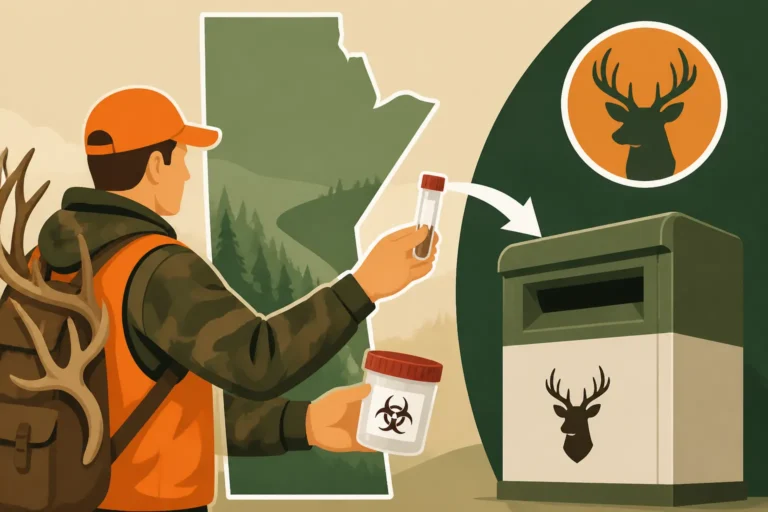
Beyond tagging, many GHAs have specific reporting requirements, especially concerning Chronic Wasting Disease (CWD) sampling. Always check if your GHA is within a CWD surveillance zone and if mandatory sampling is required. This helps monitor the health of Manitoba's deer herds. Properly validating your tag and understanding Manitoba Tag Validation Rules are essential steps in fulfilling your legal obligations as a hunter. This is about respecting the resource and contributing to sound wildlife management.
Respecting Landowners and Fellow Hunters
Hunting is a privilege, not a right, and maintaining positive relationships with landowners and other hunters is critical for its future. If you're hunting on private land, you must have explicit permission from the landowner. Never assume access, even if you’ve hunted there before. Always ask for permission well in advance and be respectful of their property. Leaving gates as you found them, not littering, and driving slowly on private roads are small but crucial gestures that build trust. You can learn more about this by checking out Getting Private Land Permission in Manitoba.
On public lands, respect other hunters. Give them ample space, avoid cutting off their access, and don't intentionally disturb their hunt. Share the resource responsibly. Acknowledge that everyone is out there for their own experience, and a little courtesy goes a long way. This includes minimizing noise, being discreet with your movements, and always being aware of your surroundings to ensure everyone's safety.
Here's a quick overview of some common GHA rifle opening dates:
| Region / GHA Type | Typical Rifle Opening Day | Notes |
|---|---|---|
| Southern Agricultural Zones | Second Monday of November | High pressure, coincides with rut. |
| Parkland / Mixed Forest Zones | Second Monday of November | Good for bucks, can have varied dates in specific GHAs. |
| Northern Boreal Forest Zones | Mid-November | Often later openers, less pressure, can be colder. |
| Specific Draw GHAs | Varies by Draw Period | Check specific draw dates if you won a tag for these areas. |
| Extended Season GHAs | Later in November/Early Dec | Allows more opportunity, often antlerless or general deer. |
Remember to always consult the official Manitoba Hunting Guide for the most precise and up-to-date information for your specific GHA. Resources like GoHunt can provide an easy way to verify these details visually. Don't forget that understanding Manitoba's Game Hunting Areas is crucial for pinpointing your exact hunting location and its corresponding regulations. And as the season progresses, knowledge of Meat Care in Manitoba's Cold Snaps becomes increasingly important for preserving your harvest.
Disclaimer
The information provided in this guide is for general informational purposes only and is not a substitute for the official Manitoba hunting regulations. Hunters are responsible for consulting the current Manitoba Hunting Guide and any provincial updates to ensure full compliance with all laws and regulations. Always prioritize safety, ethics, and responsible hunting practices.