Hunting the Late December Season
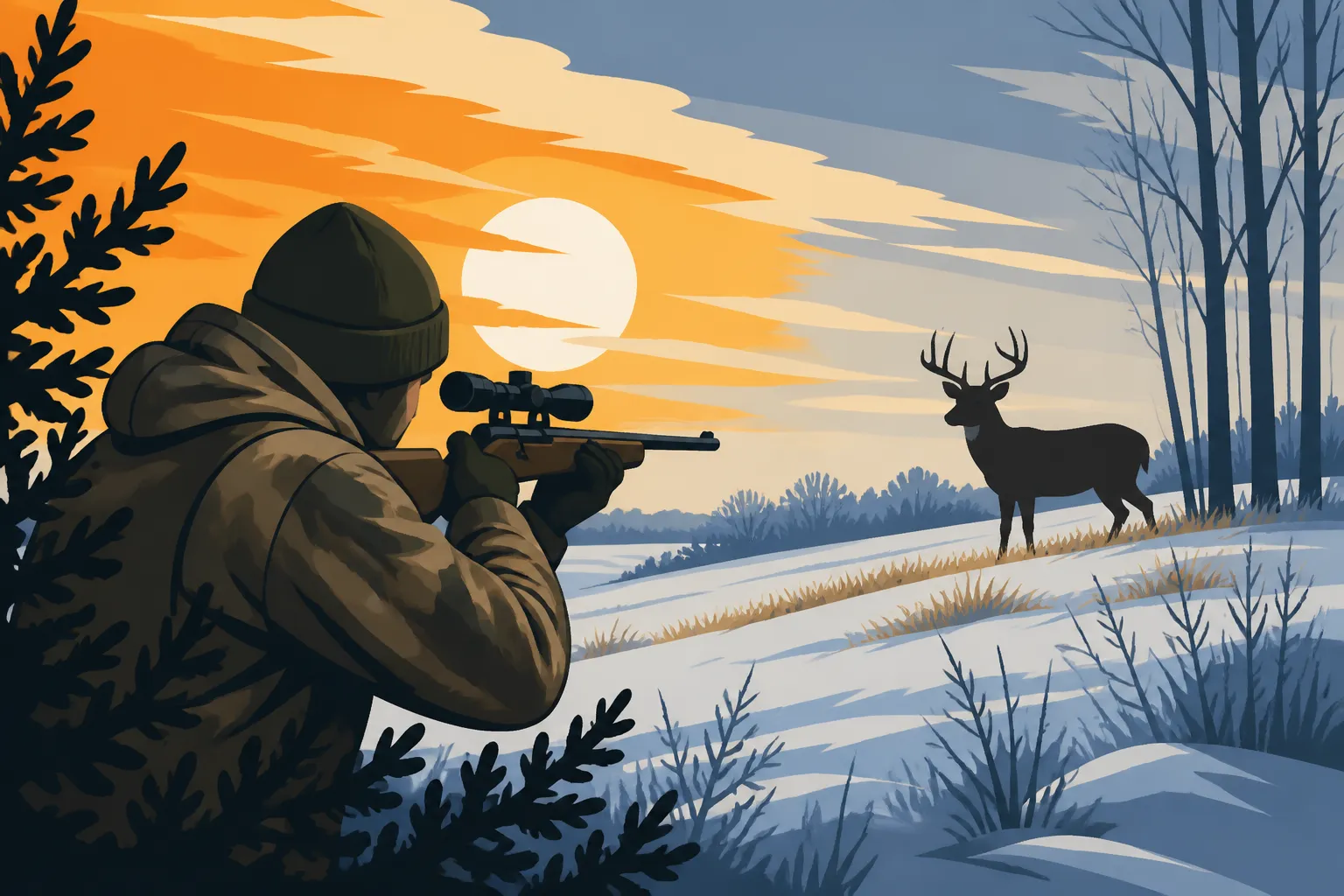
As the calendar flips to late December, many hunters are hanging up their gear, conceding defeat to the plummeting temperatures and the ghost-like deer activity. It's a tough time to be in the Manitoba woods or fields, no doubt, but for those who brave the biting cold and lingering snow, the late season offers unique opportunities for patient, well-prepared hunters to fill a tag. This guide aims to equip you with the knowledge and strategies needed to successfully hunt Manitoba’s whitetails and other game during the challenging, yet rewarding, late December season.
Understanding Late December Conditions in Manitoba
Hunting in late December in Manitoba isn't just "cold"; it's a completely different beast than the early fall. The landscape has transformed, and the elements demand a new level of respect and preparation. This isn't the time for half-measures or guessing games.
Manitoba's Deep Winter Chill
By the time late December rolls around, Manitoba is usually locked in a deep freeze. Average daily temperatures can hover around -15°C (5°F), but it's not uncommon to see the mercury plunge to -25°C (-13°F) or even -30°C (-22°F), especially with the wind chill. This isn't merely uncomfortable; it's genuinely dangerous if you're not adequately prepared. Frostbite can set in incredibly quickly, and hypothermia is a constant threat. Beyond the cold, short daylight hours mean less time to hunt and more time navigating in low light, which adds another layer of challenge. The ground is typically frozen solid, making quiet movement difficult unless there's fresh, soft snow. It takes a certain kind of dedication, and an even greater level of preparation, to contend with these conditions.
We’re talking about cold that can seize up your rifle action if it’s not properly lubricated for winter use, or drain your electronics’ batteries in a matter of hours. The air itself feels heavy and sharp, and every breath you take is visible. It’s the kind of cold that forces game to prioritize survival above almost everything else, heavily influencing their movement patterns and bedding choices. Hunters who venture out during this time need to be truly committed, understanding that comfort is a luxury and resilience is a necessity. This harsh reality means that only the most dedicated pursue the challenges of Hunting Whitetails at Thirty Below.
Snow Cover and Its Impact
Snow isn't just pretty; it's a critical factor in late-season hunting. By late December, Manitoba often has significant snow cover, ranging from a few inches to well over a foot, especially in bush country. This snow depth directly affects deer movement, their food sources, and how well you can track them. Deep snow makes travel difficult for deer, often funneling them into established trails and to readily available food sources. It also amplifies sound, meaning your approach needs to be incredibly stealthy, or you risk being heard from a considerable distance.
On the flip side, fresh snow can be a hunter's best friend. It acts as a blank canvas, revealing every track and sign of recent activity. Learning to read these fresh tracks is paramount. Are they walking, trotting, or running? How fresh are they? Are they alone or with other deer? This information is invaluable for understanding where the deer are coming from, where they're going, and what they're doing. A light, fresh snowfall can silence your footsteps, turning a noisy approach into a quiet stalk. However, heavy, crusty snow can be incredibly loud, making still-hunting or stalking almost impossible. Understanding how to interpret and utilize snow cover is a skill that comes with experience and observation. You need to know Reading Sign After a Fresh Snow to truly excel.
Key Deer Behavior During the Post-Rut and Winter
As the thrill of the November rut fades, whitetail deer shift their priorities dramatically. Their focus narrows to survival, conserving energy, and finding reliable food sources to endure the harsh winter ahead. This change in behavior dictates where you’ll find them and how you’ll need to hunt them.
Post-Rut Recovery and Food Seeking
By late December, the frantic breeding season is a distant memory. Bucks are physically drained from weeks of chasing, fighting, and minimal feeding. Their testosterone levels have plummeted, and their focus now is purely on replenishing lost body fat and energy. This means they'll be seeking out the most accessible and nutritious food sources available. Does, too, are recovering and beginning the long process of gestation, making food a high priority for them as well. They're often grouped up, relying on safety in numbers, and will be much more wary than they were during the rut when their guard was down.
You'll often find deer congregated in areas with abundant browse, standing crops (if any are left), or areas with reliable feed programs. They become creatures of habit, establishing predictable patterns between bedding and feeding, especially during periods of extreme cold or deep snow. This is the time when scouting for these core wintering areas becomes crucial. Look for tracks leading to and from dense thermal cover and consistent food sources. Understanding these shifts is key to success, as their patterns during this time are far more about necessity than opportunity.
Thermal Cover and Bedding Patterns
When temperatures plunge, thermal cover becomes critical for deer survival. They seek out dense conifers, thick willow runs, and south-facing slopes that offer protection from bitter winds and maximize exposure to any available sunlight. These areas provide a sanctuary where deer can conserve precious body heat. Knowing Where Manitoba Whitetails Bed in Deep Snow is paramount to finding them. You’ll often find them tucked into sheltered pockets, sometimes even burrowed into snow drifts under thick evergreens.
Their bedding patterns in late December are almost entirely driven by energy conservation. They'll bed in areas that require minimal travel to food, often staying bedded for longer periods during the coldest parts of the day. This is why still-hunting or slow-stalking through dense cover adjacent to known food sources can be particularly effective. You might jump a deer from its bed that wouldn't have moved otherwise. Look for areas with dense canopy that traps heat and blocks wind, places where sunlight can penetrate on a sunny day, or even thick bush that provides a physical barrier against the elements. Their choices are a testament to their survival instincts; finding these spots means you’re thinking like a deer in deep winter.
Essential Gear and Preparation for Extreme Cold
Hunting in late December in Manitoba is as much an equipment challenge as it is a hunting challenge. The right gear isn't just about comfort; it's about safety and survival. Cutting corners here is simply not an option.
Layering Systems for Arctic Temperatures
Forget your fall hunting clothes. Late December demands a complete re-evaluation of your wardrobe. The key is a multi-layered system designed to trap heat, wick moisture, and block wind. Start with a good quality base layer, ideally merino wool or a synthetic blend, that wicks sweat away from your skin. Next, a mid-layer for insulation – think fleece or down. A second, thicker insulation layer might be necessary depending on how cold it gets and whether you're sitting still.
The outer layer is critical: it needs to be windproof and water-resistant (snowproof). Consider insulated pants and a heavy parka or jacket. Don't forget extremities: heavily insulated, waterproof boots are non-negotiable, along with multiple pairs of wool socks. Layering thin gloves under heavy mittens or "shooters mitts" allows dexterity when needed while keeping your hands warm. A good balaclava or face mask, along with a warm hat, will prevent significant heat loss from your head and face. Investing in quality cold-weather gear from reputable brands like Sitka, Cabela's, or even military surplus can make all the difference between an enjoyable, albeit challenging, hunt and a miserable, dangerous one. You need to prioritize warmth above all else to truly endure.
| Layer Type | Material Recommendations | Key Function | Considerations |
|---|---|---|---|
| Base Layer | Merino Wool, Synthetic Blends | Wicks moisture, initial warmth | Snug fit, avoid cotton |
| Mid-Layer 1 | Fleece, Lightweight Down/Synthetic | Insulation, breathability | Easily removed if active |
| Mid-Layer 2 | Thicker Fleece, Heavier Down/Synthetic | Maximum insulation, heat retention | Crucial for sitting still, may be bulky |
| Outer Layer | Windproof/Water-Resistant Fabric | Blocks wind, repels snow, adds warmth | Durable, quiet, good camouflage, large enough for layers |
| Extremities | Insulated Boots, Wool Socks, Mittens, Balaclava | Prevents frostbite, maximum heat retention | Hand/foot warmers, extra pairs, ensure good circulation |
Winterizing Your Hunting Tools and Vehicle
The cold impacts more than just your body; it affects your equipment too. Your rifle or bow needs attention. Firearms should be stripped down, cleaned, and lubricated with a cold-weather specific oil that won't seize up in sub-zero temperatures. Check all screws and mounts, as cold can affect metal expansion and contraction. For archers, bowstrings can become brittle, and sights can fog or freeze. A good quality wax and regular inspection are vital. Batteries in scopes, rangefinders, and GPS units drain rapidly in the cold, so always carry spares and keep them warm, perhaps in an inside pocket.
Your vehicle is your lifeline in late December. Ensure it's in top mechanical condition, with a fresh oil change (winter grade), properly inflated tires, and a full tank of winter diesel if applicable. A comprehensive Winter Truck Kit for a Manitoba Hunt is non-negotiable, including booster cables, a tow strap, a shovel, extra fuel, survival blankets, and plenty of high-energy snacks and water. Having a reliable mapping system, like the GoHunt app on your phone, with downloaded offline maps, can be invaluable when navigating remote areas where cell service is spotty or nonexistent. This pre-planning can literally save your life if you break down far from civilization. Remember, in these conditions, prevention is always better than a rescue.
Effective Hunting Strategies for Late Season Whitetails
The late season demands patience, perseverance, and a willingness to adapt your tactics. Whitetails are savvy by this point in the year, having survived weeks of hunting pressure. You’ll need to outsmart them by playing into their winter survival instincts.
Still Hunting and Stalking in the Snow
With snow on the ground, still-hunting and stalking become potent strategies, provided the snow conditions are right. Fresh, soft snow can muffle your footsteps, allowing for incredibly stealthy movement. Your pace should be agonizingly slow – take a few steps, then stop and glass every piece of cover for long periods. Pay close attention to subtle movements, horizontal lines that don't belong, or steam rising from a bedded deer. Remember that deer will also be scanning for movement, so breaking up your silhouette and moving deliberately are key.
Focus on areas where deer are likely to be bedding or feeding. Thick bush edges, conifer stands, and areas with dense undergrowth provide cover and shelter. When stalking, always move into the wind to prevent your scent from carrying ahead of you. Use terrain features, changes in elevation, and thick vegetation to your advantage to stay concealed. The goal isn't to walk through the woods but to hunt your way through it, meticulously dissecting every potential hiding spot. This is where a good mapping application, such as GoHunt, can help identify dense thermal cover pockets on Crown land where deer might be holed up. You can spend hours covering only a few hundred yards, but those are the critical yards where a late-season buck might be found.
Ambush Tactics Near Food and Cover
Given the deer's focus on food and thermal cover, setting up an ambush point is often the most productive late-season strategy. Identify reliable food sources – whether it's a standing cornfield, a picked soybean field, or a natural browse area like willow thickets and regenerating clearcuts. Then, scout for the most direct and sheltered travel routes connecting these food sources to dense bedding cover. These funnels, pinch points, and natural trails are prime locations for an ambush.
Heated blinds or insulated ground blinds can be a game-changer for Sitting All Day in a Manitoba Blind in late December. They allow you to remain still and comfortable for extended periods, maximizing your time on stand during peak movement hours. Mornings and evenings, when deer are moving to and from feed, are still crucial, but midday movement can increase during brutally cold periods as deer need more calories. When setting up, consider the wind direction carefully, as deer will often circle downwind before entering a feeding area. Scent control is still important, even in the cold, as a deer's nose is always working.
Other Opportunities: Predator Hunting in December
While whitetails are often the primary target, late December in Manitoba also presents excellent opportunities for predator hunting, particularly coyotes and wolves. These animals are actively hunting for their winter sustenance, making them more susceptible to calls and baits.
Calling Coyotes in Winter
Coyotes are abundant across Manitoba's farmland and fringe areas, and winter is arguably the best time to hunt them. With snow on the ground, their tracks are easy to read, and their pelts are prime. More importantly, winter forces them to be opportunistic hunters, making them respond aggressively to distress calls. Electronic callers are highly effective, mimicking injured rabbits, fawns, or birds. Locator calls, like a howl, can also be used to get a response and pinpoint their general location.
When setting up for coyotes, position yourself with a good view, preferably elevated, with the wind in your face. Coyotes will often try to circle downwind to scent-check the source of the call, so anticipating this movement is crucial. Use natural cover to break up your silhouette. Decoys, especially those with movement, can draw their attention away from you. Remember, coyotes are incredibly intelligent and wary, so patience, good concealment, and ethical shot placement are key. Check the Coyote Hunting Rules Year-Round for any specific regulations in your chosen hunting area.
Wolf Hunting in the Deep Snow
For the adventurous hunter, late December can also offer a chance at a Manitoba wolf. Wolves typically inhabit the more remote, northern boreal forest regions of the province, though they can occasionally be found in fringe areas closer to civilization. Hunting wolves is a much more challenging endeavor than coyotes, requiring extensive knowledge of their behavior and vast, unpressured territory.
Like coyotes, wolves become more active in winter as they hunt ungulates. They can be called, but it often requires powerful calls that mimic elk or moose distress, or simply long, drawn-out howls to elicit a response. Baits are also highly effective, though setting up and maintaining a legal bait site requires significant effort and adherence to regulations. Deep snow can make tracking wolves easier, revealing their travel routes, but it also makes human travel incredibly difficult. This is a hunt for those prepared for true wilderness and extreme conditions, often requiring snowmobiles or other specialized equipment for access and recovery.
Safety Considerations for Deep Winter Hunts
Hunting in late December in Manitoba carries inherent risks beyond those of milder seasons. The extreme cold, deep snow, and often remote locations demand a heightened sense of awareness and meticulous safety planning. Your life, and the lives of your hunting partners, depend on it.
Hypothermia and Frostbite Prevention
These are your primary enemies in deep winter. Hypothermia occurs when your body loses heat faster than it can produce it, leading to a dangerously low core body temperature. Frostbite is the freezing of body tissue, most commonly affecting fingers, toes, ears, and nose. Both can be lethal or lead to permanent damage. The best defense is prevention through proper layering, as discussed earlier. Avoid cotton clothing, which loses all insulating properties when wet. Stay hydrated, even in the cold, and eat calorie-rich foods to fuel your internal furnace.
Recognize the early signs: shivering, numbness, clumsiness, confusion, and slurred speech. If you or a hunting partner exhibit these, get to shelter, change into dry clothes, and apply warmth immediately. Always carry emergency survival gear, including a fire starter, extra dry clothing, high-energy snacks, and a way to signal for help. No trophy is worth a limb or a life. For a deeper dive, consider reviewing Hunting Safely in Deep Winter Cold.
Navigation and Emergency Preparedness
Winter conditions can severely impact visibility, with blowing snow, fog, or heavy snowfall quickly disorienting you. Familiar terrain can look completely different under a blanket of white. Always carry multiple navigation tools: a reliable GPS unit with pre-loaded maps, a physical map, and a compass. Know how to use them all, even when your electronics inevitably fail in the cold. A satellite communication device, like a Garmin inReach or Zoleo, is highly recommended for remote areas where cell service is non-existent.
Tell someone exactly where you are going, your planned route, and when you expect to return. Stick to that plan. Carry a fully charged cell phone, but don't rely on it as your sole communication device. A fully stocked emergency kit, including first-aid supplies, a shelter (tarp or emergency blanket), and enough food and water for at least 24-48 hours, is essential. Breaking down, getting lost, or injuring yourself in late December can quickly turn into a life-or-death situation, and self-reliance is your greatest asset.
Disclaimer
This guide is intended for informational purposes only and does not supersede or replace official regulations set forth by Manitoba Sustainable Development or any other governing body. All hunters are responsible for knowing and adhering to current hunting regulations, licensing requirements, and safety protocols. Always check the latest provincial hunting guide before heading into the field.