Manitoba Resident Licence Options
Trying to figure out which hunting licences you need in Manitoba can feel like trying to solve a puzzle with half the pieces missing. Between the different species, seasons, draws, and general requirements, it's easy for even experienced hunters to get overwhelmed and miss out on valuable opportunities. As a resident hunter, you want to ensure you're properly licensed and ready for the field without unnecessary headaches. This comprehensive guide is here to walk you through all the Manitoba resident licence options, breaking down the complexities so you can confidently prepare for your next adventure.
Understanding the Foundation: Your Resident Hunting Licence
Before you even dream of a trophy buck or a limit of ducks, there's a foundational requirement for all resident hunters in Manitoba: the base hunting licence. This isn't just a formality; it's your entry ticket to the incredible hunting opportunities our province offers, and it signifies your commitment to responsible hunting. Getting this core licence squared away is the very first step in your annual hunting preparations.
The Mandatory Base Licence
Every single resident hunter in Manitoba, regardless of whether they plan to pursue big game, game birds, or even predators, must possess a valid Resident Hunting Licence. Think of it as your primary identification as a hunter within the province. It confirms that you've met the initial requirements and are legally allowed to participate in hunting activities. Without it, none of the species-specific tags or permits are valid, so it's absolutely crucial to have this in hand.
This base licence isn't tied to any specific animal; instead, it establishes your eligibility to then purchase the additional, species-specific licences. It's often purchased annually and is a prerequisite for participating in any of Manitoba's big game draws or buying over-the-counter tags. For many, renewing this licence each year is as much a part of autumn's arrival as the changing leaves.
Eligibility for Manitoba Residents
To be eligible for a Manitoba Resident Hunting Licence, you must meet certain criteria that confirm your status as a provincial resident. Generally, this means you've resided in Manitoba for at least six consecutive months immediately prior to applying for a licence. This isn't just about having a mailing address; it's about having established your primary home here, which is often proven through things like a Manitoba driver's licence, a provincial health card, or proof of property ownership or rental agreements.
Beyond residency, age is another critical factor. While youth can participate in mentored hunting programs, there are minimum age requirements for holding your own licence. Furthermore, you must not be prohibited from possessing a firearm under any federal or provincial law. It's important to remember that these rules are in place for safety and fair access, ensuring that hunting remains a privilege for those who meet the standards.
Hunter Education Requirements
For any new hunter in Manitoba, or those returning after a significant lapse, completing an approved hunter education course is a non-negotiable step before obtaining your first Resident Hunting Licence. This course, often referred to as the Manitoba Hunter Education Requirements, is designed to instill vital knowledge about firearm safety, wildlife identification, hunting ethics, conservation principles, and the province's hunting regulations. It's comprehensive and crucial for ensuring that every hunter in the field is well-informed and responsible.
While seasoned hunters who have continuously held licences might be exempt from re-taking the course, it's always a good idea to stay abreast of current regulations and best practices. For youth looking to get started, Manitoba offers excellent mentored hunting programs that allow them to gain experience under the direct supervision of an experienced, licensed adult, providing a safe and educational pathway into the sport. Taking the course online is often an option now, making it more accessible than ever.
Big Game Licences: Pursuing Manitoba's Trophy Animals
Once your base Resident Hunting Licence is secured, your sights might turn to the province's impressive array of big game. Manitoba is renowned for its opportunities, from robust whitetail deer to elusive moose and magnificent elk. However, securing these tags often involves different processes, some direct purchases, and others through a competitive draw system.
Whitetail Deer Licences: General and Second Tags
For many Manitoba hunters, the whitetail deer is the primary pursuit. The general whitetail deer licence allows you to harvest one antlered deer during the designated archery, muzzleloader, or rifle seasons, depending on the Game Hunting Area (GHA) you plan to hunt. These are typically available for direct purchase and are relatively straightforward to acquire once you have your base licence. Make sure to check the specific dates for your chosen GHA, as they can vary slightly across the province.
What's really exciting for resident hunters in many GHAs across the province is the option for a Manitoba's Second Deer Licence. This allows eligible hunters to purchase an additional tag, often for antlerless deer, once they've filled their first antlered tag or if they choose to hunt in designated extended seasons. This provides even more opportunity to put meat in the freezer and extend your time in the field, especially in areas where deer populations are healthy and management aims to reduce overall numbers. It's a fantastic program that offers flexibility and boosts harvest potential.
Moose and Elk: The Draw System
Unlike whitetail deer, securing a moose or elk tag in Manitoba isn't a simple over-the-counter purchase. These highly sought-after species are managed through a rigorous draw system to ensure sustainable populations and fair hunting opportunities. The Manitoba's Big Game Draws are an annual event, and residents must apply well in advance, indicating their preferred GHA and species. These draws are notoriously competitive, especially for prime areas known for big bulls or cows.
The draw application process requires careful attention to deadlines and specific GHA choices. Hunters often apply as a party to increase their odds, hoping to secure tags for a group hunt. It's a game of patience and a bit of luck, but the reward of drawing a moose or elk tag in Manitoba is truly unforgettable. The province also implements specific conservation measures, like Manitoba's Moose Conservation Closures in certain areas, which you'll need to be aware of before applying. Keep an eye on the official provincial hunting guide for detailed information on how Manitoba's draw application works each year, as regulations and available GHAs can change.
Black Bear and Caribou: Direct Purchase Opportunities
While moose and elk require a draw, black bear and barren-ground caribou tags offer a more direct path for resident hunters. Black bear licences are typically available for direct purchase, similar to your first whitetail tag. Manitoba is home to a robust black bear population, particularly in its extensive boreal forests, offering excellent spring and fall hunting opportunities. Many resident hunters enjoy baiting for bears, a popular method in the province, or hunting them by spot and stalk.
For those adventurous enough to venture north, barren-ground caribou licences can also be purchased directly by residents. This is an epic hunt that takes you into Manitoba's remote northern tundra. While the licence purchase is direct, the logistics of a caribou hunt—often involving flying into remote camps—are significant. It's an incredible experience that many resident hunters dream of, offering a true wilderness adventure far from the more accessible big game areas. Always be sure to verify the specific regulations and seasons, as northern hunts can have unique rules.
Game Bird Licences: Feathers in Your Cap
Manitoba isn't just a big game paradise; it's also a world-class destination for bird hunters. From the abundant waterfowl staging in our grain fields to the sharp-tailed grouse dancing on the prairies, there's a feathered challenge for every taste. Just like big game, game bird hunting requires specific licences and permits, often layered with federal requirements.
Migratory Game Bird Permits and Stamps
If you're planning to hunt ducks, geese, or sandhill cranes in Manitoba, you'll need more than just your provincial Resident Hunting Licence. These species fall under federal jurisdiction, meaning you must also purchase a Federal Migratory Game Bird Permit and a Canadian Wildlife Habitat Conservation Stamp. These are crucial and must be carried with you in the field. The permit helps fund conservation efforts across Canada, ensuring healthy bird populations for future generations.
These federal permits are usually available for purchase online or at designated post offices and sporting goods stores. It's easy to overlook this extra step, but without it, any migratory bird hunting you do is illegal. Always remember to sign your federal permit immediately upon purchase, as an unsigned permit is invalid. Combine this with your Manitoba Duck Season Dates and Goose Season Dates by Zone to plan your waterfowl adventures effectively.
Upland Bird Licences: Chasing Grouse and Huns
For those who prefer walking the cover for forest and prairie birds, Manitoba offers excellent upland hunting. Species like ruffed grouse, sharp-tailed grouse, and Hungarian partridge are popular among resident hunters. To pursue these, you'll need a Manitoba Upland Bird Licence, which is typically an add-on to your base Resident Hunting Licence and can be purchased directly.
Upland bird hunting offers a different kind of challenge and a chance to explore various habitats, from dense bush trails for ruffed grouse to open grasslands and shelterbelts for sharp-tailed grouse and Huns. The daily bag limits and season dates for these species are generous in many areas, providing ample opportunity for a successful hunt. Remember to always check the specific Sharp-Tailed Grouse Season and Limits and Ruffed Grouse Season Dates and Limits for your hunting area, as they can sometimes vary.
Waterfowl and Crane Specifics
Beyond the general migratory bird permit, specific rules apply to different waterfowl and sandhill cranes. For instance, the Snow Goose Limits and Late Seasons in Manitoba often allow for extended hunting periods and increased bag limits due to their overpopulation issues, making for incredible, action-packed hunts. Similarly, special attention is paid to Sandhill Crane hunting, which has gained significant popularity in recent years, drawing hunters to the province's grain fields during their migration.
When heading out for waterfowl, you'll also need to ensure you're using Non-Toxic Shot Requirements for Waterfowl, as lead shot is prohibited for all migratory birds. This is a crucial safety and environmental regulation. Keeping up-to-date with all these specifics ensures you're hunting legally and ethically, contributing to the responsible management of these valuable bird resources.
Specialty Licences and Permits: Beyond the Basics
Manitoba's hunting opportunities extend beyond just big game and game birds. There are also licences and permits for predators, furbearers, and even special circumstances like night hunting. These options cater to diverse interests and offer unique challenges for resident hunters.
Wolf and Coyote Licences
For those interested in predator hunting, Manitoba offers opportunities for both wolves and coyotes. Wolf season dates and limits are often quite generous, especially in the northern forested regions, and a wolf tag can be an exciting addition to a northern big game hunt. Coyotes, on the other hand, are widespread across the agricultural belt, and Coyote Hunting Rules Year-Round often allow for continuous hunting with a general hunting licence, though some GHAs might have specific restrictions.
Hunting these can be a thrilling experience, requiring different strategies like calling or hunting over bait. It's a way to contribute to game management, particularly with coyotes, whose populations can impact deer fawn survival in some areas. Always check the specific regulations for the GHA you plan to hunt, as rules can vary regarding equipment and methods.
Trapping Licences and Furbearers
While distinct from hunting, trapping is another traditional pursuit that many resident hunters engage in. If you're looking to harvest furbearers like beaver, muskrat, marten, or fox, you'll need a Manitoba Trapping Licence. This isn't just about obtaining a tag; it often requires specialized knowledge and adherence to strict regulations regarding trap types, sets, and reporting.
Trapping seasons are specific to each species and GHA, often running through the colder months when pelts are prime. It's a demanding but rewarding activity that connects individuals to the land and its resources in a unique way. Information on getting a Manitoba Trapping Licence and specific Trapping Season Dates by Species is readily available through the provincial government.
Night Hunting Permits and Restrictions
Night hunting in Manitoba is a topic with very specific rules, largely restricted and carefully managed. Historically, night hunting has been prohibited for big game and most other species due to safety concerns and enforcement challenges. However, the province has implemented a system of Night Hunting Permits and Approved Land under certain conditions, primarily for specific species like coyotes on approved private land, often in response to agricultural depredation concerns.
It's critical to understand that this is not a general allowance for hunting after dark. Applying for a Manitoba Night Hunting Permit requires strict adherence to guidelines, including explicit landowner permission and often specific equipment requirements to ensure public safety. Without the correct permit and being on approved land, hunting at night is illegal and carries severe penalties. Always consult the most current regulations if you are considering applying for or participating in any form of night hunting.
Navigating the Application Process and Key Deadlines
Getting your licences in Manitoba has become significantly more streamlined in recent years, but it still requires attention to detail and awareness of key deadlines, especially for draw applications. Understanding the various avenues for purchasing and applying is crucial for a stress-free hunting season.
Online Purchase Through the Manitoba E-Licensing System
The most convenient and increasingly popular method for Manitoba residents to acquire their hunting licences and tags is through the provincial e-licensing system. This online portal allows you to purchase your Resident Hunting Licence, various big game tags (excluding draw species), game bird licences, and even federal migratory bird permits from the comfort of your home. It's a user-friendly system that has simplified the process for countless hunters.
When you're ready to purchase, head to the official Manitoba government website. You'll typically need to create an account, which stores your hunter education information and past licence purchases. This makes future transactions much quicker. The system is designed to guide you through the available options based on your residency and previous purchases. Always double-check that you've selected the correct licences and GHAs before finalizing your purchase. This digital approach often helps avoid the last-minute rush and potential disappointments of forgotten paperwork. For detailed instructions, refer to the Buying a Manitoba Licence Online guide.
Understanding Draw Application Windows
For highly regulated species like moose and elk, the process involves a specific draw system with strict application windows. These are not open year-round; instead, there's a defined period each year during which resident hunters can submit their applications. Missing this window means missing out on the opportunity for that species for the entire year, a frustration many have experienced.
The Manitoba Elk Draw Odds by GHA and Manitoba Moose Draw Odds by GHA are posted to help hunters make informed decisions about where to apply, though these are often based on historical data. It's vital to mark the Manitoba Draw Deadlines and Results on your calendar well in advance and apply early to avoid any last-minute technical glitches. The province usually announces these dates months ahead, allowing ample time for planning. Checking the specific When Manitoba's Draw Applications Open and close is a yearly ritual for many hoping to draw a coveted tag.
Physical Vendors and What to Expect
While online purchasing is predominant, you still have the option to purchase most general licences and over-the-counter tags from authorized vendors across the province. These include many sporting goods stores, outdoor retailers, and sometimes even general stores in smaller communities. This can be a great option if you prefer a tangible licence in hand immediately or if you have questions that a real person can answer.
When visiting a physical vendor, be prepared to provide proof of residency and hunter education, especially if it's your first time purchasing in person or if your online profile isn't fully updated. The staff at these locations are often knowledgeable about local regulations and can be a valuable resource. However, remember that draw applications must typically be done online, and vendors cannot assist with that specific process.
Cost and Considerations for Manitoba Hunters
Hunting in Manitoba, like any outdoor pursuit, comes with associated costs, primarily in the form of licences and tags. Understanding these expenses upfront helps you budget effectively for your season. Beyond the financial aspect, strategic planning is key to maximizing your success and enjoyment.
Breakdown of Licence Fees
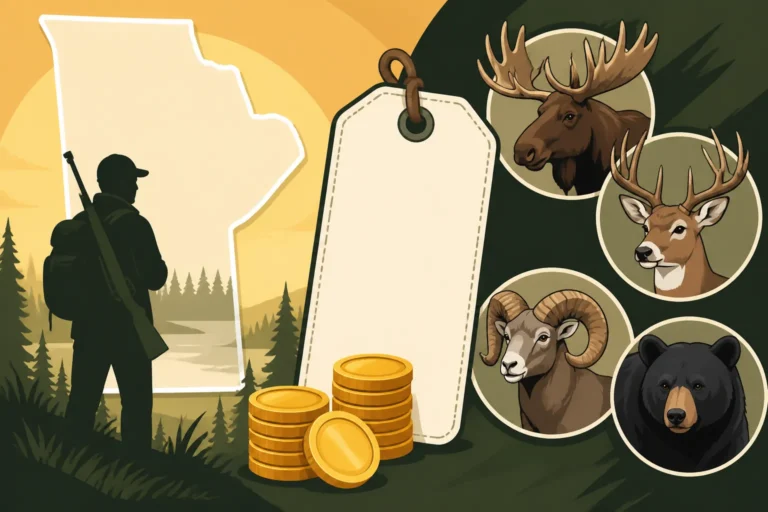
The cost of hunting licences in Manitoba for residents is generally quite reasonable, especially when compared to non-resident fees. However, the total can add up depending on the number and type of species you plan to hunt. Here’s a general overview of common resident licence costs (subject to change, always check current regulations):
| Licence Type | Approximate Resident Cost (CAD) | Notes |
|---|---|---|
| Resident Hunting Licence (Base) | $30 – $40 | Mandatory for all hunters |
| Resident Deer Licence (1st Antlered) | $60 – $70 | For whitetail or mule deer |
| Resident Second Deer Licence | $40 – $50 | Often for antlerless, in specific GHAs |
| Resident Black Bear Licence | $60 – $70 | Spring and Fall seasons |
| Resident Moose Draw Application Fee | $10 – $15 | Non-refundable application fee |
| Resident Moose Licence (if drawn) | $100 – $120 | Highly sought-after |
| Resident Elk Draw Application Fee | $10 – $15 | Non-refundable application fee |
| Resident Elk Licence (if drawn) | $90 – $110 | Often in Parkland regions |
| Resident Caribou Licence | $60 – $70 | For barren-ground caribou in the North |
| Resident Game Bird Licence | $30 – $40 | For upland birds (grouse, Huns) |
| Federal Migratory Game Bird Permit & Stamp | $17 – $20 | Required for ducks, geese, cranes (federal fee) |
| Resident Trapping Licence | Varies by species/package | Specific requirements apply |
This table provides a snapshot, but it’s always best to check the official "Manitoba Resident Hunting Licence Cost" for the most up-to-date figures before making your purchases. Remember that while some licences have a direct purchase cost, draw species also incur a non-refundable application fee, even if you aren't successful in securing a tag.
Planning Your Hunting Year
Effective planning is crucial for making the most of your Manitoba hunting opportunities. This goes beyond just buying licences; it involves scouting, understanding game movements, and selecting the right GHAs. For many resident hunters, the hunting year truly begins long before opening day with extensive scouting. This could involve pouring over satellite imagery to identify promising areas, or even using tools like GoHunt that integrate GHA maps and species data to help visualize potential hotspots and access points.
Considering how long you can commit to specific hunts, which species are priorities, and what kind of experience you're looking for will help guide your licence purchases. For instance, if you're focused on "Hunting Whitetails in Manitoba's Bush Country," your planning will differ significantly from someone targeting "Field Hunting Geese in Manitoba Stubble." Think about how different seasons overlap and how you can combine opportunities, perhaps a morning duck hunt followed by an afternoon of stalking sharp-tailed grouse.
The Value of Local Knowledge and Resources
While official guides and online resources are invaluable, nothing truly replaces local knowledge and community insights. Talking to other hunters, joining local wildlife federations, or even visiting small-town cafes where hunters gather can provide nuanced information about game movements, recent success rates, and local access issues. Understanding the "Manitoba's Game Hunting Areas" and which ones are known for specific game is a continuous learning process.
For instance, knowing which bluffs between two fields are active for deer, or where the marsh hunting ducks in the Interlake is most productive, often comes from years of experience or sharing information within the hunting community. Resources like GoHunt can provide a strong analytical foundation, but combining that with conversations at the local sporting goods store or with experienced mentors can provide a truly holistic understanding of hunting conditions and opportunities in our diverse province. It’s this blend of official information and grassroots wisdom that often leads to the most fulfilling hunts.
Disclaimer
The information provided in this guide is intended for general informational purposes only and does not constitute legal advice. Hunting regulations in Manitoba can change annually. It is the responsibility of every hunter to consult the most current Manitoba Hunting Guide, issued by the provincial government, and adhere to all federal and provincial laws and regulations before engaging in any hunting activities. Always prioritize safety, ethical hunting practices, and respect for wildlife and private land.