Where to Read the Manitoba Hunting Guide
It can be incredibly frustrating trying to get straightforward, reliable information about hunting regulations in Manitoba. You scour websites, ask around online forums, and still end up with conflicting advice or outdated details that leave you second-guessing your entire hunting plan. This comprehensive guide is designed to cut through that confusion, showing you exactly where to find and how to best utilize the official Manitoba Hunting Guide, ensuring you’re always operating with the most accurate and current rules.
The Frustration of Finding Reliable Hunting Information
Let's be honest, trying to find definitive answers about hunting regulations can feel like navigating a dense, fog-filled forest without a compass. You hear whispers of rule changes, half-remembered facts from a buddy’s cousin, and conflicting tidbits from online posts that leave you more bewildered than when you started. It’s not just about knowing what’s legal; it’s about feeling confident that you won’t accidentally step afoul of the law, potentially jeopardizing your season, your licence, or even facing fines. The sheer volume of information, and the lack of a clear, single source, can be a major headache for even the most seasoned hunter.
Why Official Sources Are Often Overlooked
Many hunters, especially those who've been at it for years, tend to rely on tradition or word-of-mouth. "That's how we've always done it," or "My dad always said…" are common refrains. While experience is invaluable in the field, regulations are dynamic. What was legal last year might have changed this year, perhaps subtly, but enough to make a difference. Sometimes, the official documents themselves can appear daunting—dense legal jargon, endless section numbers, and a layout that isn't always user-friendly. It’s easier to just ask someone, which, unfortunately, opens the door to misinformation. People might not intentionally mislead you, but a misunderstanding or a memory lapse can easily spread incorrect details.
The Pitfalls of Outdated or Unofficial Information
Relying on anything other than the current official Manitoba Hunting Guide is a gamble, and in hunting, gambles can have serious consequences. Imagine planning your entire trip, driving hours to your favourite spot, only to discover a new restriction on hunting specific species in that Game Hunting Area (GHA), or a change to the legal shooting hours. Perhaps you've heard that there's a new extended deer season in a particular GHA, but you're not entirely sure which one, or if it applies to your licence type. These details are critical. Using an old guide, or trusting an unverified online post, could lead to accidental poaching, hunting in a closed area, or using an illegal method. Ignorance of the law is never an excuse, and a conservation officer will expect you to know the rules, regardless of where you thought you read them.
Your Go-To Resource: The Official Manitoba Hunting Guide
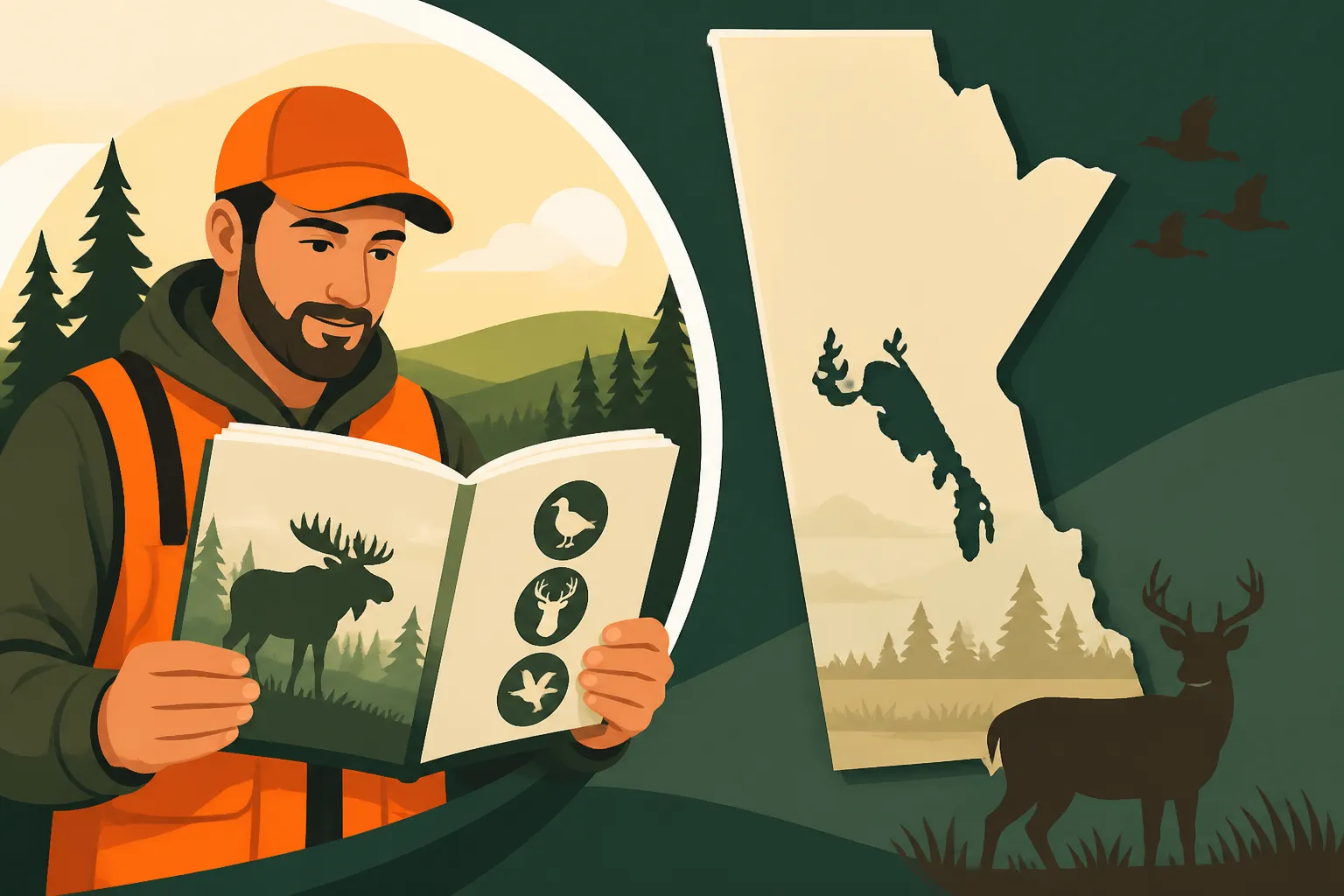
When it comes to Manitoba hunting, there is one document that reigns supreme: the official Manitoba Hunting Guide. This isn't just a suggestion; it's the foundational text for every hunter in the province. Think of it as your hunting Bible, updated annually to reflect the latest legislation, season dates, bag limits, and specific rules for each game species and hunting area. It's compiled and approved by the provincial government, making it the most accurate and authoritative source you can find. It contains crucial details on everything from big game draws to Manitoba's Game Hunting Areas and Manitoba Big Game Season Dates.
Where to Find the Latest Digital Version
In this digital age, convenience is key, and the Manitoba Hunting Guide is readily available online. The provincial government's official website for Manitoba Natural Resources and Northern Development is where you'll find the most current version. Typically, a new guide is published annually, usually in late spring or early summer, well in advance of the fall hunting seasons.
To find it, you'll generally navigate to the "Hunting" section of the Manitoba government website. Look for a link explicitly labelled "Manitoba Hunting Guide" or "Manitoba Hunting Regulations Summary." It's usually a PDF document, making it easy to download, save to your device, and even search for specific keywords. Having it on your phone or tablet means you can reference it quickly while out scouting, in your blind, or even just planning your next trip from the comfort of your living room. The beauty of the digital version is that it’s usually the first to be updated, ensuring you have immediate access to any changes.
Getting Your Hands on a Physical Copy
While the digital guide is incredibly convenient, some of us still prefer the tactile experience of a physical booklet. There’s something to be said for dog-earing pages, highlighting important sections, and having a guide that doesn’t rely on battery life or cell signal. You can usually pick up a physical copy of the Manitoba Hunting Guide at various locations across the province.
These often include:
- Manitoba Conservation and Climate offices: These regional offices are excellent resources not just for the guide, but also for asking specific questions to staff.
- Licence vendors: Many places where you purchase your Manitoba Resident Licence Options or Manitoba Hunting Licences and What They Cost, such as outdoor sports stores, gas stations, or bait shops, will also have physical copies of the guide available.
- Sporting goods retailers: Larger retailers specializing in hunting and fishing gear, like Cabela's or Canadian Tire, often stock the guides.
It’s always a good idea to call ahead to ensure they have the current year's guide in stock before making a special trip. Remember, these guides are often free, so don't hesitate to grab one for your hunting pack, another for your truck, and one for home.
Navigating the Guide's Key Sections
The Manitoba Hunting Guide is comprehensive, and knowing how to navigate it efficiently will save you a lot of time and potential headaches. While the exact layout might shift slightly year to year, there are common sections you'll find invaluable:
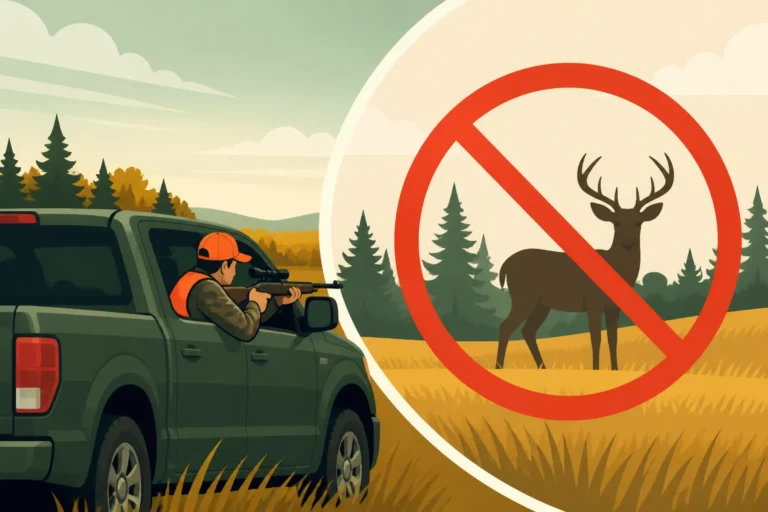
- General Regulations: This section covers universal rules, like blaze orange requirements, legal shooting hours, and definitions of terms like "big game" or "small game." This is where you’ll find information on Manitoba's Night Hunting Rules or rules on baiting.
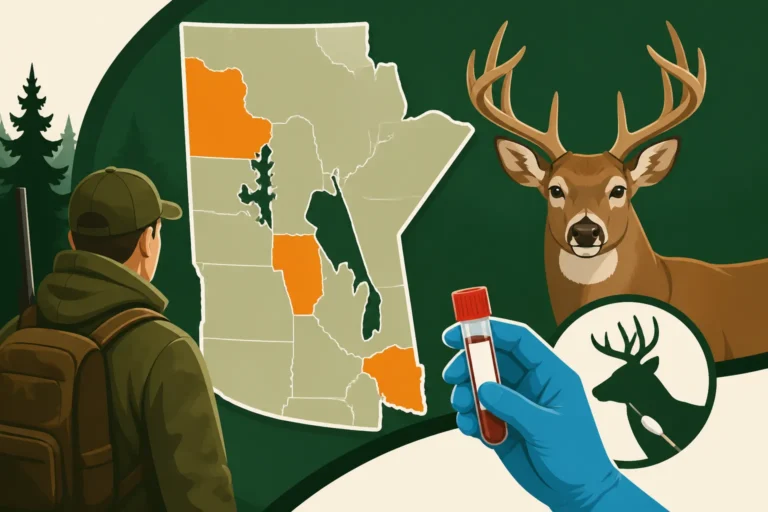
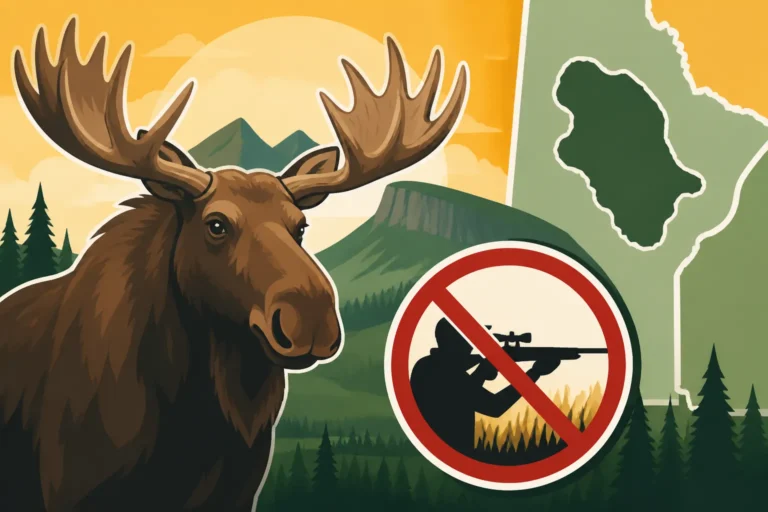
- Species-Specific Regulations: Here, you'll find detailed rules for each animal, from white-tailed deer and moose to waterfowl and upland birds. It outlines season dates, bag limits, and specific hunting methods allowed or prohibited for each species. For instance, you'll find out Manitoba's CWD Sampling Requirements for deer or Manitoba's Moose Conservation Closures in certain areas.
- Game Hunting Area (GHA) Maps and Specifics: This is crucial. Manitoba is divided into GHAs, and regulations can vary significantly between them. This section will have maps and detailed lists outlining which species can be hunted in which GHA, along with special conditions or restrictions. Understanding How Manitoba GHA Numbers Work is essential here.
- Licensing and Permits: Details on different licence types, application processes for draws, and permit requirements are all laid out here. This is where you'll learn about When Manitoba's Draw Application Works or how to apply for various tags.
- Safety and Ethics: Important information on hunter safety, ethical hunting practices, and reporting violations is also included, often at the beginning or end of the guide.
A good practice is to read the general regulations thoroughly at the start of the season, then focus on the specific sections for the species and GHAs you plan to hunt. Use the table of contents and any index provided to jump directly to the information you need.
Beyond the Basics: Supplementary Resources for Manitoba Hunters
While the official Manitoba Hunting Guide is your primary resource, it's not the only tool in your hunting arsenal. Think of it as the foundational knowledge, but there are other fantastic resources that can enhance your understanding and improve your chances of a successful hunt. These supplementary tools can help you visualize terrain, stay updated on real-time changes, and connect with fellow hunters.
Online Tools and Mapping Platforms
In today's world, technology has made scouting and planning more accessible than ever before. Satellite imagery, GPS capabilities, and public land overlays have revolutionized how hunters approach their seasons.
- Mapping Apps: Platforms like onX Hunt, GoHunt, or other similar mapping applications are incredibly valuable. They overlay private and public land boundaries, show topographical features, access points, and often even provide parcel ownership information. For example, you can use these apps to visualize Reading Manitoba Crown Land Layers on onX, helping you identify ideal access points or secluded pockets of cover. While GoHunt might be more tailored to Western US hunting, the concept of such apps is universally beneficial for understanding terrain, property lines, and potential pinch points in Manitoba's landscape. These tools don't replace the official guide for regulations, but they are indispensable for applying those regulations to the actual ground you're hunting.
- Government GIS Data: Beyond the printed maps in the guide, the Manitoba government often provides Geographic Information System (GIS) data or interactive maps online. These can offer more granular detail on Crown land, provincial forests, and Wildlife Management Areas (WMAs), helping you understand How Much Crown Land Manitoba Has in a given region. They are often updated more frequently than static maps.
- Weather and Satellite Imagery: Real-time weather apps and advanced satellite imagery services (sometimes integrated into hunting apps) can help you monitor conditions, track snow depth, or even identify areas of recent disturbance like logging or fire, which can impact game movement.
Staying Updated on Regulations and Announcements
The hunting world doesn't stand still. Regulations can be adjusted, emergency closures might occur, or important announcements could be made between annual guide publications. Staying connected to official channels ensures you're never caught off guard.
- Manitoba Natural Resources Website: Regularly check the "News" or "Updates" section of the provincial government's natural resources website. This is where you’ll find press releases or advisories about unforeseen changes, such as early season closures due to fire risk, new CWD management zones, or amendments to bag limits.
- Email Subscriptions: Many government departments offer email newsletters or alerts that you can subscribe to. This ensures critical updates are delivered directly to your inbox, keeping you informed without actively having to seek out the information.
- Social Media: Follow the official social media accounts (if available) of Manitoba Natural Resources and Northern Development. They often use these platforms for quick announcements and to disseminate important information to a broader audience.
- Local Conservation Offices: Don't underestimate the value of a quick phone call or visit to your local conservation office. The officers are on the ground, dealing with issues daily, and can provide localized insights or clarify regulations that might seem ambiguous in print. They can be particularly helpful with specific questions about your chosen GHA or species.
Connecting with the Local Hunting Community
While the official guide and online tools provide facts, the local hunting community offers invaluable wisdom, shared experiences, and camaraderie.
- Hunting Forums and Facebook Groups: Online communities dedicated to Manitoba hunting can be a treasure trove of information. Here, you can ask questions, share experiences, and learn from others. Just be cautious to always verify any regulatory advice you receive against the official guide. These groups are excellent for understanding hunting trends, gear recommendations, or finding out about local conditions, but not for definitive legal answers.
- Local Clubs and Associations: Joining a local chapter of a hunting or conservation organization, such as the Manitoba Wildlife Federation, is a fantastic way to engage with the community. These groups often host meetings, events, and education sessions where you can learn directly from experienced hunters and even government officials who might present. They're also often involved in advocating for hunters' rights and conservation efforts.
- Mentorship: For new hunters, finding a mentor is one of the most effective ways to learn. An experienced hunter can guide you through the complexities of regulations, teach you practical skills, and instill a strong ethical foundation. They can help you apply what you read in the guide to real-world scenarios in the field.
Maximizing Your Guide for a Successful Manitoba Hunt
The official Manitoba Hunting Guide isn't just a book of rules; it's a powerful tool that, when used effectively, can significantly enhance your hunting success and ensure a responsible experience. It's the key to understanding the parameters within which you can operate, helping you plan your season strategically and ethically.
Planning Your Season with the Guide in Hand
Your hunting season truly begins the moment you open that guide. It’s not just about compliance; it’s about strategic planning.
- Calendar Your Seasons: Start by marking down the Manitoba Rifle Season Dates, archery openers, and muzzleloader seasons for the species and GHAs you're interested in. Look for overlap or extended seasons that might allow for combination hunts. For instance, knowing When Manitoba's Archery Season Opens can help you plan your early season deer hunts, while simultaneously checking waterfowl dates.
- Identify Available GHAs: Based on your target species (e.g., deer, moose, bear) and your preferred hunting method, consult the GHA maps and regulations. Some GHAs might be closed to specific species, while others might offer unique opportunities like Hunting Manitoba's Second Deer Licence GHAs.
- Understand Draw Opportunities: If you're interested in species like moose or elk, the guide will detail the draw application process, deadlines, and available tags. This is crucial for planning your multi-year strategy for Manitoba's Big Game Draws.
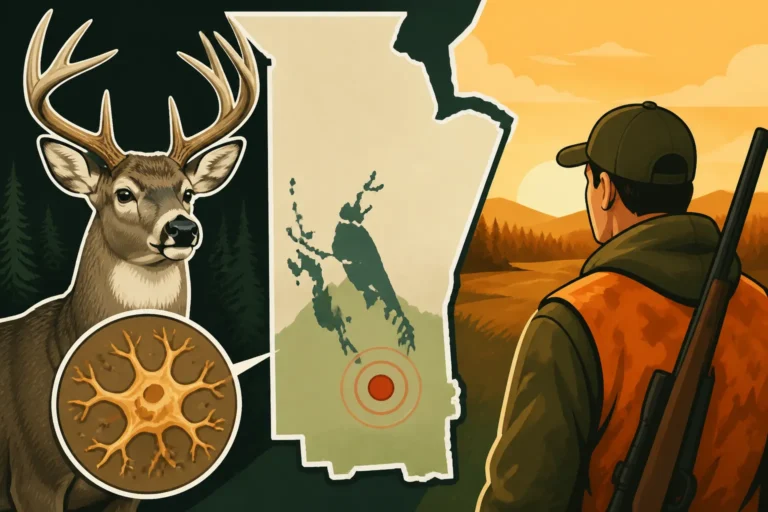
- Logistical Considerations: Pay attention to special zones, like CWD mandatory sampling areas. Knowing Which Manitoba GHAs Require CWD Sampling dictates how you'll handle your harvest if you're successful. The guide also often includes information about public land access, although for more detailed Crown land maps, you might use digital tools as mentioned earlier.
Understanding Specific GHA Regulations
Manitoba is a diverse province, and its hunting regulations reflect that. A "one-size-fits-all" approach simply won't work. The guide emphasizes this through its detailed GHA breakdowns.
- Local Variations: Don't assume that the rules for your home GHA apply everywhere. For example, the season dates for white-tailed deer can vary significantly from the southern agricultural zones to the northern bush country. Some areas might have antler point restrictions, while others might allow antlerless harvests under specific permits. Always verify the rules for the specific GHA you intend to hunt.
- Conservation Zones: The guide will clearly delineate any special conservation zones or closures. A prime example is Where Moose Hunting Is Closed Entirely in certain GHAs due to population recovery efforts. Respecting these closures is vital for the health of Manitoba's wildlife populations.
- Access Rules: While not always explicit in the general sections, GHA-specific notes might indicate particular access restrictions or vehicle limitations on certain Crown lands within that area. This can impact how you plan to get to and from your hunting spots. Always check for Manitoba Landowner Permission Law even if you think you're on public land, as boundaries can be tricky.
Preparing for a Safe and Ethical Hunt
Beyond the letter of the law, the guide subtly reinforces the spirit of ethical and responsible hunting. It's not just about what you can do, but what you should do.
- Safety First: Review the safety sections regularly, even if you’re an experienced hunter. Reminders about firearm handling, wearing appropriate blaze orange, and knowing your zone of fire are always important. The guide may even touch on aspects like Hunting Safely in Deep Winter Cold if you're planning a late-season hunt.
- Ethical Harvest: The guide will detail regulations around evidence of sex, tag validation, and meat care. These rules are in place to ensure proper identification of harvested animals and to prevent waste. Understanding these nuances helps uphold the integrity of the hunt. For example, knowing proper Meat Care in Manitoba's Cold Snaps is crucial for preserving your harvest.
- Respecting Landowners: While the guide outlines general trespass laws, it also implicitly encourages hunters to build good relationships with landowners. Always secure Manitoba Landowner Permission Law before stepping onto private property. A positive reputation benefits all hunters.
- Environmental Stewardship: The regulations, in their entirety, are designed to manage wildlife populations sustainably. By adhering to bag limits, season dates, and specific GHA rules, you're contributing to the long-term health of Manitoba's wildlife and ensuring future hunting opportunities for generations to come.
By thoroughly reading and continuously referencing the official Manitoba Hunting Guide, you equip yourself with the knowledge needed not just to stay legal, but to truly master the art of hunting in this incredible province. It empowers you to make informed decisions, plan effectively, and enjoy a safe, ethical, and ultimately more successful hunting experience.
Disclaimer
The information provided in this article is for general guidance and informational purposes only. While every effort has been made to ensure accuracy, hunting regulations are subject to change. It is the sole responsibility of the hunter to consult the most current official Manitoba Hunting Guide and other relevant provincial regulations before engaging in any hunting activities. Always prioritize safety and ethical practices in the field.