Where Manitoba Rules Changed This Year
Every hunting season brings a fresh wave of excitement, but let's be honest, it also brings a bit of dread when it comes to figuring out the latest rule changes. You spend countless hours scouting, preparing your gear, and dreaming of that perfect hunt, only to wonder if a regulation you missed could throw a wrench in your plans or, even worse, land you in hot water. It’s frustrating to keep up with the shifting landscape of permits, seasons, and restrictions. This comprehensive guide is here to untangle the complexities of Manitoba's hunting regulations for the current year, ensuring you're fully informed and ready for a successful and compliant season.
The Ever-Evolving Landscape of Manitoba Hunting Regulations
It’s easy to feel like the rulebook gets a complete rewrite every single year, and while that’s an exaggeration, significant adjustments are indeed common. These changes aren't just random acts of bureaucracy; they're the result of ongoing efforts to manage wildlife populations responsibly, adapt to environmental shifts, and address feedback from the hunting community itself. Understanding the 'why' behind these shifts can make it a little easier to digest the 'what'.
Why Rules Change Annually
Wildlife management in Manitoba is a dynamic science, not a static set of directives. Each year, wildlife biologists and conservation officers analyze data on animal populations, harvest rates, habitat conditions, and disease prevalence. For example, if chronic wasting disease (CWD) is detected in a new area, the rules around carcass movement and mandatory sampling will inevitably change to prevent its spread. Similarly, if a specific big game population like moose shows a concerning decline in certain regions, you can bet that hunting seasons or quotas will be adjusted to aid in their recovery. These decisions also factor in public safety concerns, landowner relations, and treaty rights, creating a complex web of considerations that ultimately lead to the updated regulations we see each season.
The Challenge for Hunters to Stay Updated
For the average hunter, keeping tabs on all these changes can feel like a full-time job. It’s not just about glancing at the season dates; it's about understanding subtle shifts in bag limits, specific Game Hunting Area (GHA) boundary adjustments, new reporting requirements, or even tweaks to legal equipment. Many hunters rely on past knowledge, which can be a dangerous game when rules are in flux. Imagine showing up for an archery hunt only to find out the GHA you traditionally hunt now has a different opening day, or that blaze orange requirements have changed for a specific weapon type. The consequences of ignorance, however unintentional, can range from a warning to hefty fines or even licence suspension. This constant need for vigilance is why proactive engagement with official sources and community resources is so vital.
Key Changes in Big Game Seasons and Tags
Big game hunting is a cornerstone of Manitoba's outdoor tradition, and these seasons often see the most scrutinized adjustments. From deer to moose and bear, even minor alterations can significantly impact how and where you plan your hunt. This year, there are several important updates you need to be aware of to ensure your big game pursuit is both successful and fully compliant.
Updates to Whitetail Deer Seasons and Bag Limits
Manitoba's white-tailed deer populations are generally robust, but localized pressures or specific management goals can lead to targeted changes. This year, several GHAs have seen adjustments to their archery, rifle, and muzzleloader seasons. For instance, some areas might have an extended archery season to help manage antlerless deer populations, while others could see a slight shift in the traditional rifle season opener. It's crucial to consult the official Manitoba Big Game Season Dates for the specific GHA you intend to hunt. Pay close attention to any changes in bag limits, especially concerning antlerless deer. Some GHAs might now permit the harvest of a second deer licence to further control numbers, offering more opportunities for hunters. Remember that these "second deer" opportunities are often GHA-specific and might come with different weapon restrictions or season dates than your primary tag.
Adjustments to Moose and Elk Draw Rules
Moose and elk are highly sought-after species, and their management often involves complex draw systems to control harvest pressure. This year brings a few notable adjustments to how hunters apply for and receive these coveted tags. Specifically, there might be changes to the application deadlines for Manitoba's Elk and Moose Draws, so mark your calendars well in advance. Furthermore, some GHAs previously open to moose hunting might now fall under Manitoba's Moose Conservation Closures due to ongoing population recovery efforts. It’s absolutely essential to check the updated GHA maps to avoid hunting in a newly restricted area. For elk, there may be shifts in draw quotas for certain herds, particularly around areas like the Duck Mountain or Riding Mountain fringe, to address localized population growth or damage concerns on agricultural land. Understanding these changes means carefully reviewing the draw guide and considering how they might impact your application strategy, especially if you apply as a party in Manitoba's Draw.
Revisions to Bear Hunting Regulations
Black bear hunting in Manitoba remains popular, with both spring and fall seasons offering unique experiences. This year, hunters should be aware of any revisions to baiting rules or GHA-specific season extensions. While the overall framework for baiting black bear in Manitoba remains consistent, there might be new guidelines regarding bait site registration or proximity to certain protected areas. Some regions, particularly in the northern boreal forest, might see extended Fall Bear Season Dates to account for later denning periods or to offer more opportunities in areas with high bear densities. It's also worth double-checking any changes to bag limits or requirements for evidence of sex, as these can sometimes be subtly tweaked to support management objectives. Always ensure you are familiar with the specific regulations for the GHA you're hunting, whether you're planning a spring hunt near The Pas or a fall hunt in the Whiteshell.
Important Updates for Waterfowl and Upland Bird Hunting
Manitoba is a waterfowl hunter's paradise, sitting squarely in the Central Flyway, and its diverse landscapes also offer fantastic upland bird opportunities. Keeping up with migratory bird regulations, which often have federal components, and provincial upland rules is key to a successful bird season.
Migratory Bird Season and Limit Modifications
Migratory bird hunting is governed by both federal and provincial regulations, meaning changes can originate from either level. This year, anticipate potential modifications to duck and goose season dates, particularly regarding the timing of early goose seasons or late-season snow goose hunts. Daily bag limits by species might also see minor adjustments based on breeding population surveys conducted across North America. For example, specific duck species might have reduced limits if their populations are struggling, while plentiful species like Canada geese or snow geese might have generous allowances. Hunters must always possess a Federal Migratory Game Bird Permit in addition to their provincial licence. It's always a good practice to check the updated tables for when Snow Geese Pass Through Manitoba, or where Specklebellies Stage in Manitoba, as these timings can influence optimal hunting periods. Don't forget to confirm Non-Toxic Shot Requirements for Waterfowl, as these rules are critical and universally enforced.
Upland Bird Hunting Revisions and GHA Specifics
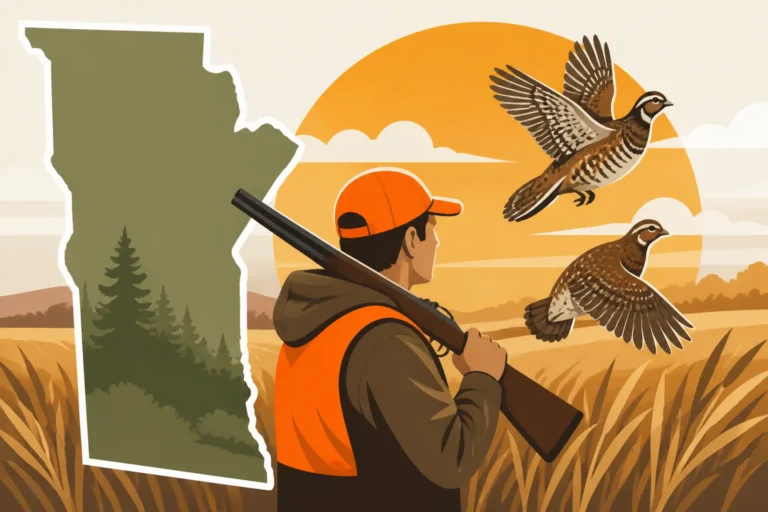
For those who prefer walking up sharp-tailed grouse or flushing ruffed grouse from the bush, provincial upland bird regulations are your primary concern. This year, there might be subtle changes to Sharp-Tailed Grouse Season and Limits or Ruffed Grouse Season Dates and Limits in specific GHAs. These often reflect localized population trends or habitat conditions. For instance, areas that experienced harsh winters or significant drought might see slightly reduced seasons or limits to aid recovery. Keep an eye out for any updates regarding Hungarian Partridge Season and Limits, especially in the agricultural regions of southwestern Manitoba. While less common, sometimes there are minor tweaks to the rules for hunting small game like snowshoe hare, particularly in the northern bush country. Always verify the regulations for your chosen GHA, as rules can vary even between adjacent areas.
New Rules Regarding Hunter Safety and Access
Safety is paramount in hunting, and regulations are constantly reviewed to enhance it for everyone in the field. Additionally, changes to land access policies can significantly impact where and how you can hunt. Staying current on these aspects is not just about compliance, but about responsible and respectful participation.
Changes to Blaze Orange Requirements or Firearm Regulations
Hunter safety rules, particularly around blaze orange, are critical. While Manitoba has long-standing requirements for how much Blaze Orange Manitoba Requires during big game seasons, there could be subtle shifts in specific scenarios or for certain weapon types. Always confirm the most current requirements to ensure you're visible and safe. Regarding firearms, it's rare for fundamental changes to Legal Rifle Calibres for Big Game or Bow Draw Weight Rules in Manitoba to occur annually, but it's not impossible. Minor clarifications or updates to rules around crossbow use or muzzleloader equipment might be introduced. For non-residents, understanding the process for Bringing Firearms Into Manitoba, including completing the Non-Resident Firearm Declaration, is always a crucial step that can sometimes see administrative updates.
Updates on Crown Land Access and Vehicle Use
Access to Crown land is a privilege that comes with responsibilities, and rules governing its use can change to protect habitats, prevent damage, or manage human impact. This year, there might be new restrictions on vehicle rules on Manitoba Crown Land, especially for ATVs and side-by-sides. These changes often aim to reduce trail degradation or minimize disturbance to wildlife, particularly during sensitive periods. Certain areas might see seasonal closures for vehicle access or new requirements for accessing remote regions. It's also important to be aware of any updated policies on camping rules on Manitoba Crown Land, as these can affect extended hunting trips. Before heading out, consulting a Manitoba GHA map with updated Crown Land layers is essential, as boundaries and access points can sometimes be modified, affecting how you can enter and traverse the area.
Understanding Night Hunting Permit Changes
Night hunting has been a contentious topic in Manitoba, leading to significant changes in recent years. This year, there might be further clarifications or adjustments to the rules surrounding who can get a Night Hunting Permit and which Crown lands allow night hunting. These permits are typically issued under strict conditions, often to Indigenous hunters or for specific wildlife management purposes like predator control. It’s crucial for all hunters to understand the current restrictions and designated areas to avoid accidental violations, as unauthorized night hunting carries severe penalties. The "Safe Hunting and Shared Management Act" has played a significant role in shaping these rules, and continuous updates reflect ongoing efforts to balance various interests.
Conservation Initiatives and CWD Protocol Updates
Conservation is at the heart of sustainable hunting, and Manitoba is proactively addressing several challenges. Chronic Wasting Disease (CWD) continues to be a major concern, driving many of the new protocols related to sampling and carcass handling.
Expanded CWD Sampling Zones and Mandatory Requirements
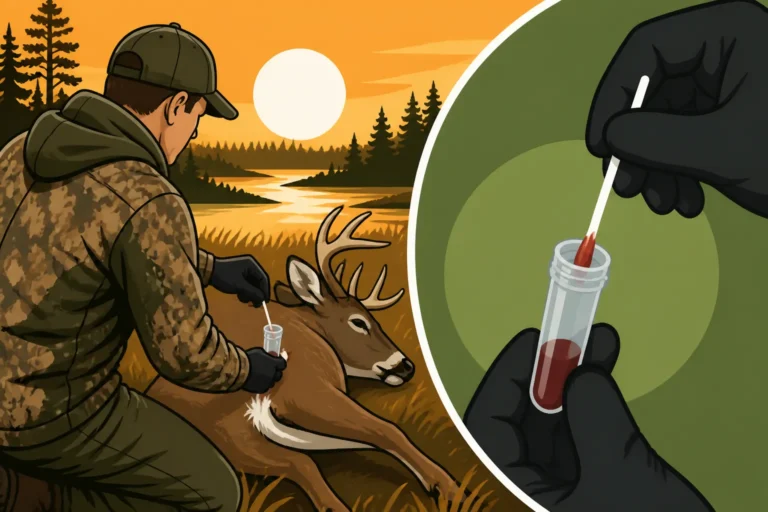
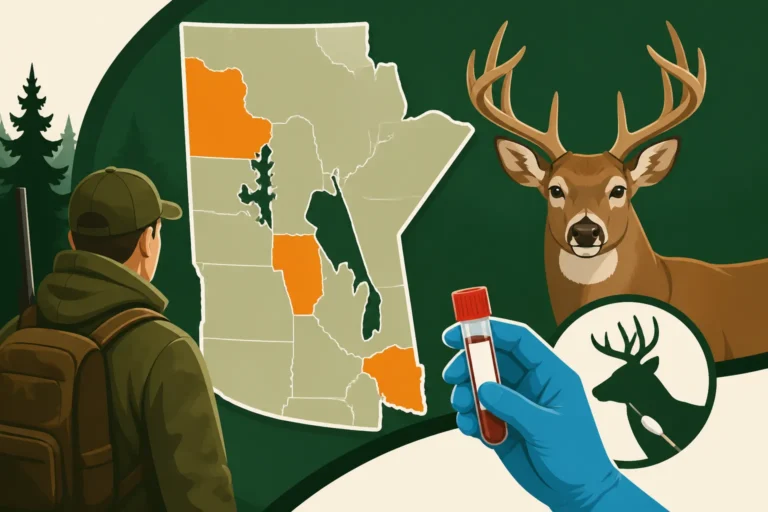
The threat of Chronic Wasting Disease is very real, and Manitoba is taking proactive steps to monitor and contain its spread. This year, hunters will likely see an expansion of Manitoba's Mandatory CWD Sampling GHAs. This means if you harvest a deer, moose, or elk in these newly designated zones, submitting a sample from your animal will be a mandatory requirement, not just a suggestion. The process for Extracting Your Own CWD Sample has been refined, and information on Where to Drop a CWD Sample in Manitoba will be widely disseminated. It's critical to understand how long you have to submit a sample and what steps to take if you plan on Moving a Carcass Out of a Sampling Area, as there are often strict rules to prevent the disease's transmission. These measures are vital for understanding Manitoba's CWD Positive Numbers and protecting future deer populations.
New Restrictions on Carcass Transportation
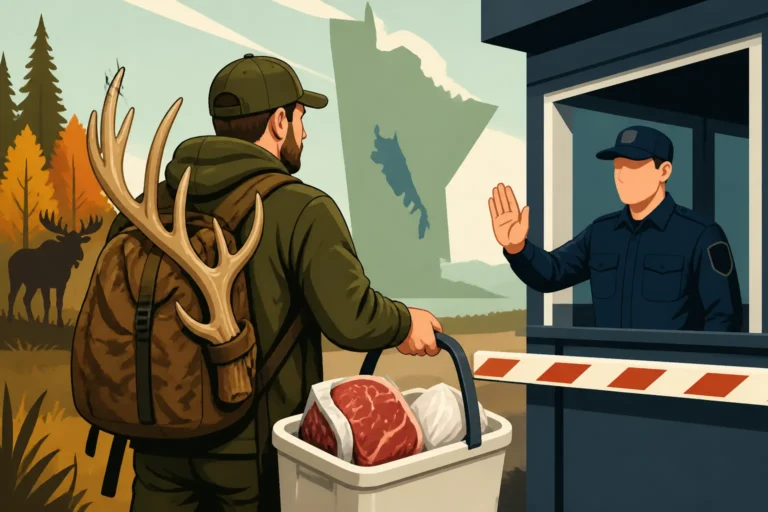
Building on CWD prevention, there are likely new or reinforced restrictions on transporting carcasses, especially out of specific CWD-positive zones. These rules are designed to prevent the physical spread of the prions that cause CWD to new areas. You might be required to debone your animal in the field or leave certain parts (like the brain or spinal cord) at the harvest site before transporting the meat. This isn't just an inconvenience; it's a critical step in containing a devastating disease. Always check the regulations for the specific GHA where you harvested your animal to ensure you're compliant with all carcass movement rules. Failing to adhere to these can result in significant penalties.
Moose Conservation Closures and Their Impact
Manitoba has been working diligently to aid in the recovery of its moose populations, particularly in areas like the Duck Mountain and Porcupine Hills. This year, you might find that some GHAs have extended or newly implemented Moose Conservation Closures. These closures mean no moose hunting is permitted in those specific areas, regardless of draw results from previous years. It's a tough pill to swallow for hunters who've traditionally pursued moose in these regions, but these measures are vital for giving struggling populations a chance to rebound. Understanding Where Moose Hunting Is Closed Entirely, and the reasons Why the Duck Mountain Moose Season Closed, provides crucial context for these impactful decisions. These closures are often part of a broader shared management strategy aimed at long-term sustainability.
Leveraging Resources to Stay Informed
With so many potential changes, it can feel overwhelming to keep everything straight. However, there are excellent resources available to help you navigate the updated regulations, ensuring you have the most accurate and current information at your fingertips.
Official Government Resources and Online Portals
The absolute best place to start for official, up-to-date information is the Manitoba government's dedicated hunting and angling website. This is where you'll find the comprehensive annual hunting guide, often referred to as "Where to Read the Manitoba Hunting Guide." This guide is usually available both as a downloadable PDF and as an interactive online resource. It details all season dates, bag limits, GHA boundaries, CWD protocols, and any specific rule changes for the current year. The government's online portal also allows you to buy your Manitoba Resident Hunting Licence, apply for draws, and manage your hunting profile, often with alerts about important deadlines or regulatory updates. Make it a habit to visit this site annually before purchasing your licence and heading afield. Remember, ignorance of the law is not an excuse.
Utilizing Digital Tools and Community Knowledge
Beyond official government channels, modern technology offers fantastic tools to help hunters stay informed. Applications like GoHunt (or similar mapping services) can be invaluable. While GoHunt is generally known for its Western US focus, services like it or other specific Canadian hunting map apps often integrate Crown land boundaries, GHA overlays, and sometimes even localized regulation summaries. This can be incredibly helpful when you're scouting or in the field, allowing you to visually confirm your location relative to restricted areas or GHA boundaries.
Moreover, engaging with the local hunting community, through forums, local wildlife federations, or even conversations at your local sporting goods store, can provide valuable insights. Fellow hunters often share their experiences and help each other interpret new regulations, though it's always wise to cross-reference any shared information with official sources. Joining a Manitoba Wildlife Federation Branch can also keep you looped into discussions about proposed changes and advocacy efforts affecting hunters. These digital tools and community networks complement the official resources, creating a robust ecosystem for staying truly informed.
Disclaimer
The information provided in this guide is intended for general informational purposes only and is not a substitute for official legal advice or the current Manitoba hunting regulations. Hunters are solely responsible for understanding and complying with all applicable federal, provincial, and municipal laws and regulations. Always refer to the most recent official Manitoba Hunting Guide and relevant legislation before participating in any hunting activities. Regulations can change frequently, and it is the hunter's responsibility to stay informed.