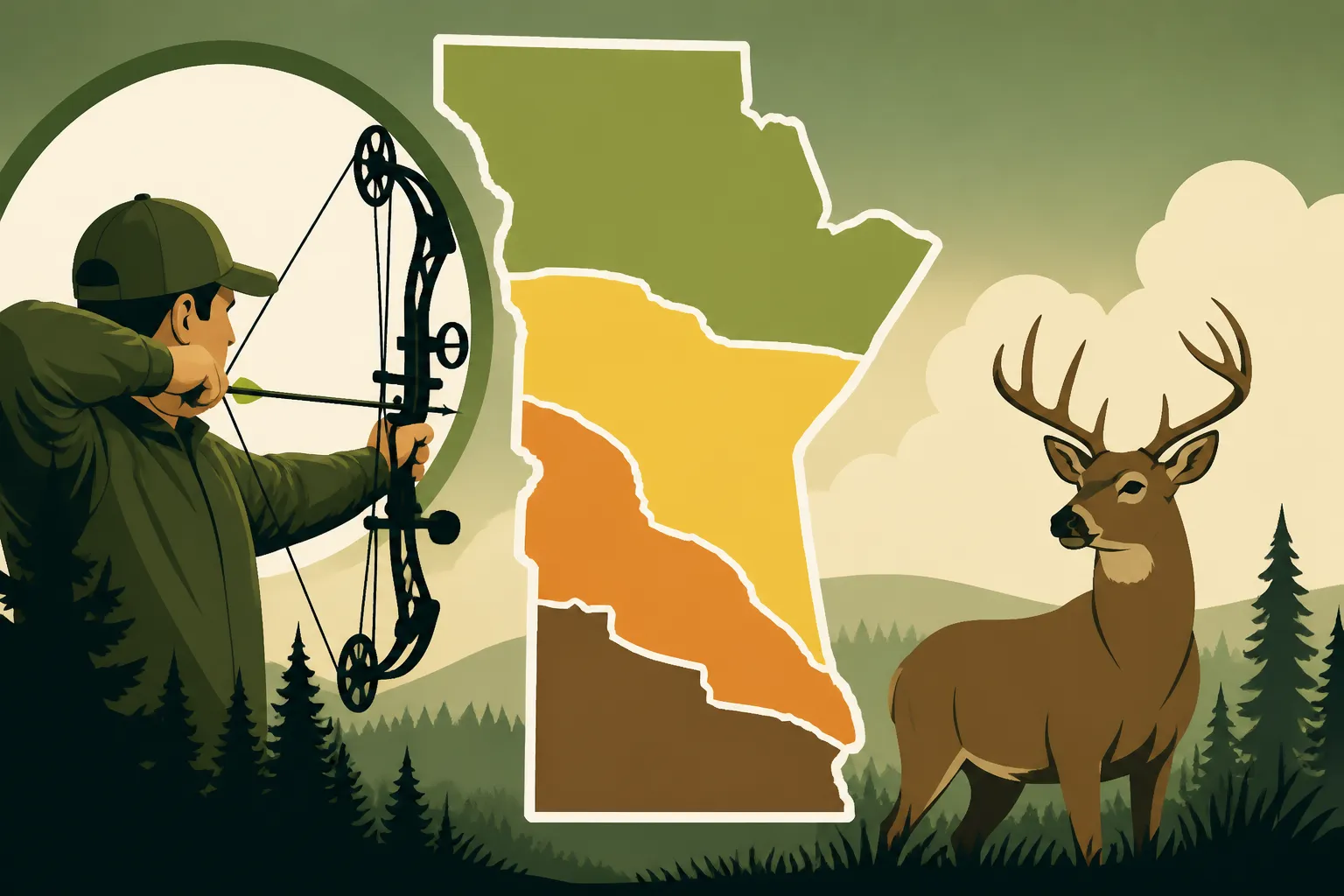
Archery Season Dates by Zone
Figuring out the exact archery season dates for hunting in Manitoba can feel like trying to solve a complex puzzle, especially when different zones have their own unique regulations and timelines. It’s a common frustration for both seasoned hunters and newcomers alike to sift through dense government documents just to confirm when you can actually be in the woods with your bow. This comprehensive guide aims to demystify Manitoba's archery season dates by breaking down the zone system, offering practical advice, and helping you confidently plan your next hunt.
Understanding Manitoba's Archery Zones
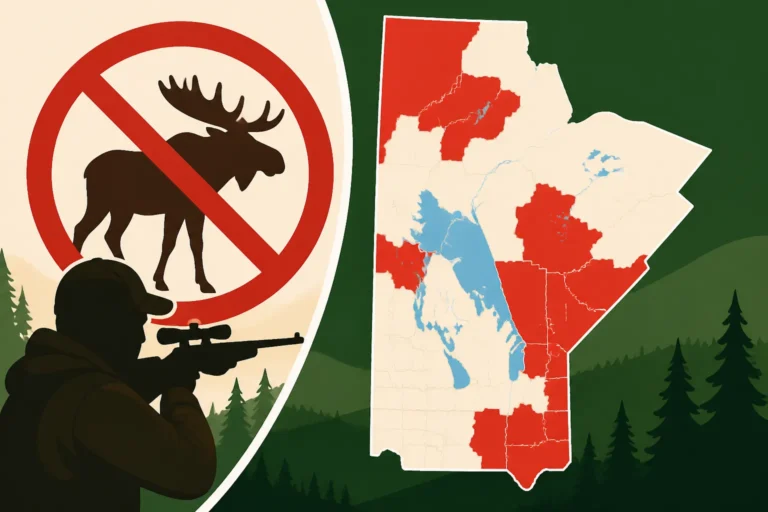
Manitoba's hunting landscape is incredibly diverse, stretching from vast prairie farmlands in the south to dense boreal forests and even tundra in the north. To effectively manage wildlife populations and hunting pressure across such varied terrain, the province has divided itself into numerous Game Hunting Areas, or GHAs. For archery hunters, understanding these zones is the first crucial step to ensure you're hunting legally and ethically.
Why Zones Matter for Archery Hunters
The provincial government doesn't just draw lines on a map for fun; these zones are carefully delineated based on several factors, including wildlife populations, habitat types, human population density, agricultural impacts, and even specific conservation initiatives like Chronic Wasting Disease (CWD) management. For archery seasons, these factors directly influence when and where you can hunt. For instance, a GHA with a high whitetail population and minimal agricultural conflict might have a longer or earlier archery season compared to a zone experiencing localized population declines or significant crop damage complaints. The varying dates also help spread out hunting pressure, preventing areas from being over-hunted right out of the gate. Ignoring these zone boundaries can lead to severe penalties, not to mention a wasted trip if you arrive to find the season isn't open yet.
How Manitoba Defines Hunting Zones
Manitoba defines its hunting zones, or Game Hunting Areas (GHAs), using a numerical system, often with letter suffixes, like GHA 20A, 26, or 31. These boundaries are typically based on natural features such as rivers, lakes, and treelines, as well as man-made divisions like highways, municipal roads, and railway lines. This intricate grid allows for granular control over wildlife management, ensuring that regulations can be tailored to very specific local conditions. You'll find that some GHAs are massive, covering vast tracts of Crown land, while others are much smaller, often bordering urban areas or concentrated farmland. It's not uncommon for an archery season to open in one GHA while an adjacent GHA remains closed for another week or two. This is precisely why a clear understanding of your target GHA's specific boundaries and corresponding dates is non-negotiable before you even think about heading out. You can find detailed maps of these areas by checking out Manitoba's Game Hunting Areas, which provides a broad overview of the provincial system.
The Evolution of Zone Management
Wildlife management in Manitoba isn't static; it's a dynamic process that evolves with changing environmental conditions, animal populations, and human impact. Historically, seasons might have been simpler, but as data collection improved and understanding of wildlife ecology deepened, the GHA system became more refined. For archery hunters, this means that season dates, even within the same GHA, can sometimes shift from year to year. Factors like harsh winters, disease outbreaks, or even successful conservation efforts can trigger adjustments. For example, a severe winter kill might lead to a shorter season or reduced bag limits in certain zones to help a deer population recover. Conversely, a thriving population might see an extended season or additional antlerless tags. This adaptive management approach aims to maintain healthy wildlife populations while providing sustainable hunting opportunities. Hunters who stay informed and adapt to these changes are often the most successful and responsible.
Decoding Archery Season Dates Across Regions
Manitoba's archery season generally kicks off in late August or early September, giving hunters a fantastic opportunity to chase whitetails and often black bears before the rifle season crowds arrive. However, these dates are far from uniform across the province. The timing can vary significantly depending on whether you're hunting the open plains, the dense bush, or the rugged boreal forest.
Western Parkland and Farmland Zones
The western part of Manitoba, encompassing regions like the Parkland and the edge of the prairie farmland, is often a prime location for early archery seasons. GHAs such as 23A, 23, 23B, 26, 29, and 29A are typically among the first to open their archery deer seasons, sometimes as early as the last week of August. This early start often aligns with agricultural harvest periods when deer might be concentrated around fields of standing or recently swathed crops. The landscape here is a mosaic of aspen bluffs, agricultural fields, and brushy ravines, providing ideal habitat. Hunters in these zones often target deer moving between bedding cover and feeding areas in the early mornings and late evenings. It’s crucial to remember that while the general start date might be early, the end date can also vary, and some GHAs might have staggered opening dates to manage pressure. Always double-check your specific GHA. For a more detailed look at the general big game seasons, you can consult Manitoba Big Game Season Dates.
Interlake and Central Forest Zones
Moving eastward into the Interlake region and the central forest zones, including GHAs like 20A, 20, 20B, 21, 21A, 25, 25A, and 30, the archery season dates often mirror or slightly lag behind the western zones. These areas are characterized by vast stretches of bush, numerous lakes, and wetlands, offering a different hunting experience. Here, deer densities can be substantial, and the early archery season provides a quieter, more intimate hunt. Black bear archery seasons also open in many of these areas, often concurrently with deer. While the exact dates might differ by a few days or a week compared to the western zones, the general September opening holds true. Hunters here might find success focusing on bush edges, natural funnels between cover and water sources, or established trails. Understanding Hunting a Manitoba Bush Edge can provide valuable insights for these specific habitats. Remember to consult the official regulations or use a reliable hunting app like GoHunt to verify the precise opening and closing dates for your chosen GHA in this region, as they are subject to change.
Eastern Shield and Boreal Zones
The eastern parts of Manitoba, dominated by the Canadian Shield and the vast boreal forest, present unique hunting challenges and opportunities. GHAs in this region, such as 17A, 17, 18, 18A, 31, 32, and 33, often have similar archery season dates to the central zones, typically opening in early September. However, the deer populations here can be more scattered, and the terrain is much more rugged, characterized by rock outcrops, dense spruce and pine forests, and numerous lakes and rivers. While whitetails are present, hunters in these zones might also be looking at opportunities for moose or black bears during their respective archery seasons, which often overlap with deer. The season framework acknowledges the slower growth rates and sparser populations of big game in the Shield country. Precise navigation is key here, and having an accurate map or GPS unit is essential. Using a service like GoHunt can provide crucial GPS mapping data for these challenging areas, helping you avoid accidental trespass or zone violations.
Northern and Remote GHAs
As you venture further north into the truly remote GHAs, the hunting landscape changes dramatically. While the primary focus for big game up north often shifts to moose and caribou, many of the northern GHAs (e.g., 1, 1A, 2, 2A, 3, 4, 5, 5A) do still offer archery seasons for white-tailed deer, and definitely for black bear. The season dates for these northern zones tend to be consistent with the general provincial archery opener in early September, but the hunting experience is vastly different. Access can be limited to float planes, ATVs, or even just foot travel, and hunting pressure is significantly lighter. Deer populations might be lower, but the opportunity for an unpressured hunt in pristine wilderness is unparalleled. Always confirm the specific GHA regulations for these remote areas, as they can sometimes have unique rules or shorter seasons due to lower deer densities or specific wildlife management goals. For those considering a northern adventure, resources like Hunting Whitetails on Manitoba Crown Land might offer additional context, as much of this area is public access.
Key Considerations for Archery Hunters
Embarking on an archery hunt in Manitoba involves more than just knowing the season dates. There are several other critical factors to consider to ensure your hunt is safe, legal, and ultimately successful. From your equipment to how you handle your harvest, every detail matters.
Equipment and Bow Draw Weight Rules
Manitoba has specific regulations regarding the equipment permissible for archery hunting. It’s not a free-for-all; these rules are in place to ensure humane kills and promote ethical hunting practices. For bowhunters, this primarily revolves around minimum draw weights. For white-tailed deer, the minimum draw weight for a compound or recurve bow is typically 40 pounds. Crossbows also have specific requirements, including a minimum draw weight and bolt length. It’s crucial to ensure your bow meets these requirements before heading into the field. Using a bow below the legal draw weight not only risks wounding an animal but also carries legal consequences. Beyond the legal minimums, consider your own physical capabilities and what you can consistently shoot accurately. Practicing extensively with your hunting setup is paramount. For a deeper dive into the specifics, make sure to read up on Bow Draw Weight Rules in Manitoba to ensure you're fully compliant.
Tagging and Validation Protocols
Once you've successfully harvested an animal, the work isn't over—it's just beginning! Manitoba has very clear and strict protocols for tagging and validating your big game animal. Immediately after harvesting, you must properly attach your valid big game tag to the animal, typically through the ear or antler, as specified in the regulations. This tag must be filled out completely and accurately, indicating the date, time, and GHA of the kill. Beyond the physical tag, there are often requirements for validating your harvest online or by phone within a specified timeframe. This validation process is crucial for wildlife management, as it provides vital data on harvest numbers, locations, and success rates. Failing to properly tag and validate your animal can result in fines and loss of hunting privileges. Don't let the excitement of a successful hunt lead to a costly mistake; understand these protocols beforehand.
Planning for Early Season Conditions
Archery season, particularly in late August and September, means dealing with specific environmental conditions that differ greatly from the colder rifle seasons. The weather can be highly variable, ranging from scorching hot days to cool, crisp mornings, sometimes even within the same hunt. This variability requires careful planning. Heat can be a major factor in meat spoilage, so having a plan for immediate field dressing and cooling your animal is essential. Ice chests, game bags, and knowledge of efficient quartering are invaluable. Bugs, especially mosquitoes and deer flies, can also be relentless during the early season. Pack appropriate bug repellent, head nets, and even thermacells. Furthermore, the foliage is still dense, which can make spotting animals challenging but also provides excellent cover for still-hunting or stalking. Water sources for both you and the wildlife are often abundant, influencing animal movement. Understanding and adapting to these early season realities will significantly improve your comfort and success rate. The early season can offer unique opportunities for a hunter who is prepared to deal with the heat and the bugs; it's a completely different challenge than facing Hunting Safely in Deep Winter Cold, for example.
Navigating Regulations and Resources
Staying on the right side of Manitoba's hunting regulations can feel like a full-time job. With annual updates, GHA-specific rules, and various permits, it's easy to get lost in the details. Thankfully, there are tools and resources available to help you navigate this complex landscape.
Essential Tools for Zone Identification
The most critical tool for any hunter, especially those pursuing archery in various GHAs, is an accurate map of Manitoba's Game Hunting Areas. While paper maps are still valuable, digital mapping applications have revolutionized how hunters interact with their chosen zones. Apps like onX Hunt, BaseMap, or even Manitoba's own provincial mapping tools, allow you to overlay GHA boundaries directly onto satellite imagery or topographical maps. This means you can pinpoint your exact location in relation to zone lines, property boundaries, and other crucial features in real-time. Before your hunt, dedicate time to study the GHA map for your target area. Understand which roads, rivers, or natural features define its boundaries. Don't rely on memory or assumptions; always verify your location, particularly if you're hunting near a boundary where season dates might change. Tools like GoHunt are specifically designed to provide up-to-date boundary information and regulations, proving incredibly useful for precise zone identification. Getting familiar with Reading a Manitoba GHA Map Before You Go will definitely help.
Staying Updated on Changes
As mentioned earlier, Manitoba's hunting regulations are dynamic and can change from year to year. What was legal last season might have been updated this year, especially concerning specific GHA dates, bag limits, or CWD management zones. It's the hunter's responsibility to stay informed. The primary source for official, up-to-date information is the annual Manitoba Hunting Guide, published by the provincial government. This document outlines all season dates, regulations, GHA maps, and other critical information. Before every hunting season, make it a priority to download and thoroughly read the latest guide. Beyond the official guide, subscribing to updates from Manitoba Natural Resources and Northern Development, checking their official website regularly, and following reputable hunting organizations can help keep you in the loop. Many hunters also find that digital platforms, including apps like GoHunt, quickly integrate these changes, providing a convenient way to access the most current information directly on your phone or tablet in the field.
Leveraging Digital Resources like GoHunt
In today's connected world, digital resources have become indispensable for hunters. Platforms like GoHunt aren't just for map overlays; they often serve as comprehensive hubs for hunting information. Many such applications provide not only GHA boundaries and public/private land ownership but also direct links to regulatory summaries, season dates, and even harvest reporting tools. Imagine being deep in the bush, questioning a boundary, and being able to pull up the exact GHA lines on your phone. Beyond regulations, these platforms often offer valuable scouting features, allowing you to mark waypoints, track movements, and analyze terrain long before you step foot in the woods. When used responsibly, these tools can dramatically enhance your hunting preparation and safety. For instance, before Hunting Manitoba's September Archery Opener, you can use GoHunt to study historical weather patterns, identify potential bedding areas, and mark out travel corridors, maximizing your efficiency when you finally get boots on the ground.
Maximizing Your Archery Opportunity
Knowing the season dates and regulations is foundational, but translating that knowledge into a successful archery hunt requires strategic planning and a deep understanding of animal behavior. Early season archery offers unique advantages and challenges that demand a tailored approach.
Scouting Strategies for Specific Zones
Effective scouting is paramount, especially for archery hunting, which often requires closer encounters. Your scouting strategy should be tailored to the specific GHA you plan to hunt and the time of year. In western farmland zones, early season scouting might involve driving backroads at dawn and dusk to glass fields, identifying where deer are feeding and entering/exiting cover. Look for pinch points between fields, brushy draws, and mature tree lines. In the more forested central and eastern zones, scouting might be more about walking old logging roads, game trails, and creek bottoms, searching for fresh tracks, rub lines, and scrapes. Pay close attention to food sources, which can vary widely. Early season might see deer hitting alfalfa fields, pea fields, or natural browse like aspen leaves. As the season progresses, they might shift to acorns or standing corn. Using a reliable mapping system, like the one offered by GoHunt, can assist significantly in marking observations and planning your approach. Learn how to refine this process with Scouting With Satellite Imagery in Manitoba.
Understanding Whitetail Behavior During Archery Season
The early archery season catches whitetail deer in a transitional phase. They are typically still in their summer patterns, often more visible in open areas, especially fields, as they feed heavily to build up fat reserves for the coming rut and winter. Bucks are often still in bachelor groups, and their velvet antlers are hardening. As September progresses, bachelor groups may start to break up, and some early rubs and scrapes might appear as testosterone levels begin to rise. However, the full-blown rut, which is a prime time for Hunting the Rut in Early to Mid November, is still a ways off. During the early archery season, deer are highly patterned and predictable, but also incredibly sensitive to pressure. Focusing on their primary needs – food, water, and security cover – is key. Early morning and late evening hunts near food sources or along travel corridors between bedding and feeding are usually most productive. Being stealthy and minimizing your presence is crucial, as deer are not yet "rut-dumb" and are highly alert.
Dealing with Changing Conditions
Manitoba weather, as any local will tell you, is famously unpredictable. An early September archery hunt can start with 30-degree Celsius heat and end with a near-freezing drizzle, sometimes within hours. This variability profoundly impacts deer behavior and your hunting strategy. On hot days, deer will move less during daylight hours, preferring to bed down in thick cover, often near water, and only emerge when temperatures drop significantly after sunset. On cooler, overcast days, their activity may extend later into the morning and earlier into the afternoon. Wind direction is always critical for bowhunting, but perhaps even more so when deer are less active and relying heavily on their sense of smell. Always hunt with the wind in your favor. Rain can also impact movement, often stimulating activity after a light shower, but shutting things down during a heavy downpour. Flexibility in your approach and being prepared for all conditions with appropriate clothing and gear is essential for a successful early season archery hunt.
Ethical Hunting and Conservation
Hunting in Manitoba is not just a recreational activity; it's an integral part of wildlife management and conservation. Every archery hunter has a responsibility to uphold ethical standards and contribute positively to the health of the ecosystem and the perception of hunting.
Respecting Private Land and Permission
A significant portion of Manitoba, particularly in the prime whitetail hunting zones, is privately owned farmland. Respecting private property rights is not just a matter of courtesy; it's a legal requirement and a cornerstone of maintaining positive landowner-hunter relations. Before setting foot on any private land, you must obtain explicit permission from the landowner. This often involves a friendly conversation, a handshake, or a signed permission slip. Knocking on doors and building relationships with landowners can unlock access to some of the best hunting grounds and contributes to a healthy public image for hunters. Trespassing, on the other hand, erodes trust and can lead to entire areas being closed off to hunters. Always confirm land ownership, and if in doubt, choose public lands, often identified on digital mapping apps like GoHunt. For a complete understanding of the legalities, refer to Getting Private Land Permission in Manitoba.
Wildlife Management and Season Adjustments
The provincial government's establishment of diverse GHA boundaries and staggered season dates for archery is a direct reflection of ongoing wildlife management efforts. These adjustments are made based on scientific data, population surveys, harvest reports, and ecological considerations. For example, some GHAs might have antlerless deer seasons to help manage herd numbers, while others might focus strictly on antlered deer to protect younger age classes. Disease management, like the efforts to contain Chronic Wasting Disease (CWD), can also lead to specific GHA restrictions or mandatory sampling requirements. By adhering to the precise archery season dates for your chosen GHA, you are directly participating in these management strategies. Your compliance helps ensure that Manitoba's wildlife populations remain healthy and sustainable for future generations of hunters and outdoor enthusiasts.
Importance of Accurate Harvest Reporting
Every hunter plays a vital role in wildlife management through accurate and timely harvest reporting. After you've successfully tagged an animal, the next critical step is to report your harvest to the province, usually through an online portal or a dedicated phone line. This data—including the GHA of harvest, date, species, sex, and antler configuration—is invaluable to wildlife biologists. It helps them track population trends, understand harvest rates, and make informed decisions about future season structures and bag limits. Inaccurate or neglected reporting can skew data, leading to less effective management. Think of it as your contribution to the scientific process that allows us to continue to enjoy hunting in Manitoba. It's not just a bureaucratic step; it's a fundamental part of being a responsible conservationist.
Archery Season Dates by Representative Zone Examples
To illustrate the variety, here's a general idea of how archery deer season dates might look. Please remember, these are examples and hunters must always verify current year official regulations for their specific GHA.
| Region | Representative GHAs | Typical Archery Deer Opening | Typical Archery Deer Closing | Notes |
|---|---|---|---|---|
| Western Farmland | 29A, 30, 26, 23A | Last Friday in August | Mid-September | Often earliest openings, high agricultural interface. |
| Central Parkland | 20A, 25, 21A | First Friday in September | End of September | Mix of bush and agricultural fringes. |
| Eastern Shield | 31, 17A, 18A | First Friday in September | End of September | Rugged terrain, lower deer densities. |
| Northern Boreal | 5, 5A, 3, 3A | First Friday in September | End of September | Remote, accessible by air or ATV, limited pressure. |
Disclaimer: This table provides general examples based on historical patterns. Actual dates vary annually and by specific GHA. Always consult the official Manitoba Hunting Guide for the current year.
Disclaimer
The information provided in this guide is for general informational purposes only and is not legal advice. Hunting regulations in Manitoba can change annually, and it is the sole responsibility of the hunter to review and comply with all current provincial and federal laws. Always consult the official Manitoba Hunting Guide for the most up-to-date and accurate information before planning or engaging in any hunting activities.