Manitoba’s Moose Conservation Closures
It's incredibly frustrating when you've dreamed of a moose hunt, planned for it, only to find out that your preferred area or even an entire region has been closed. This situation is a harsh reality for many hunters in Manitoba, as efforts to conserve struggling moose populations have led to significant changes in hunting regulations. This guide will meticulously unpack the reasons behind Manitoba's moose conservation closures, detail the affected areas, and explore what these changes mean for the hunting community.
Understanding the Moose Conservation Challenge in Manitoba
Moose are majestic creatures, iconic symbols of Canada's wild spaces, and a prized big game animal for many hunters. However, across much of North America, including right here in Manitoba, moose populations have faced significant challenges. This isn't just a simple dip in numbers; it's a complex ecological issue that has led to some tough decisions by wildlife managers, most notably the implementation of conservation closures for hunting. It’s a bitter pill to swallow for passionate hunters, but understanding the ‘why’ is the first step towards accepting, and hopefully, contributing to the solution.
The Decline of Manitoba's Moose Populations
For decades, many areas of Manitoba boasted healthy, robust moose populations. Hunters could reliably pursue these magnificent animals, contributing to local economies and fostering a deep connection to the land. However, starting in the early 2000s, alarming trends began to emerge. Aerial surveys and on-the-ground observations painted a worrying picture: moose numbers were dropping, and in some areas, quite dramatically. This decline wasn't uniform across the province; certain regions were hit harder than others, prompting targeted intervention. It became clear that if nothing was done, these populations could face irreversible damage. The reasons for this decline are multifaceted, ranging from habitat loss and disease to increased predation and the impacts of climate change, all contributing to a difficult situation for these sensitive animals.
The Role of Conservation Closures
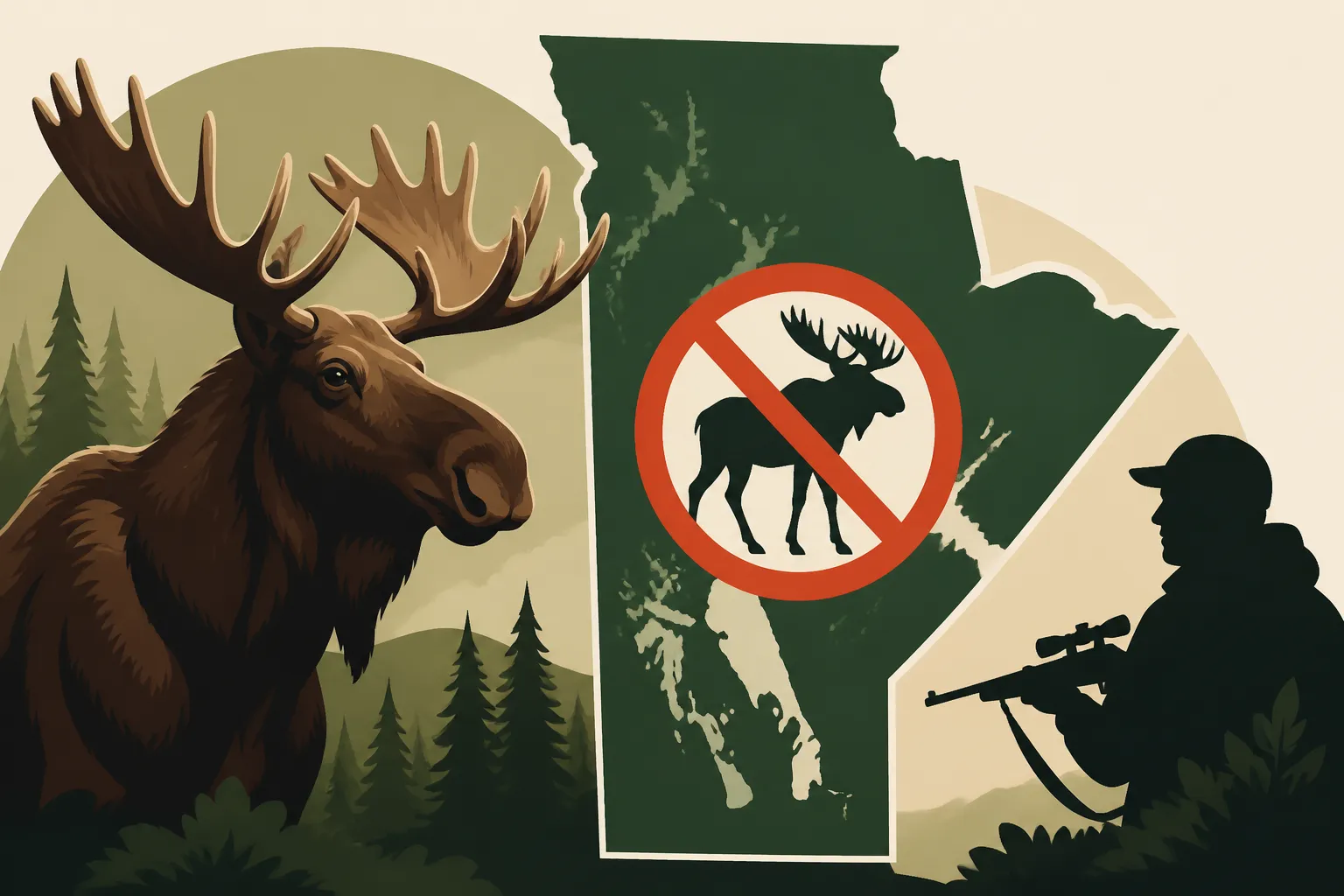
In the face of declining moose numbers, conservation closures become a critical tool in the wildlife management toolkit. Simply put, these are temporary or sometimes extended prohibitions on moose hunting in specific Game Hunting Areas (GHAs) or broader regions. The primary goal is straightforward: to reduce hunting pressure on struggling populations, giving them a much-needed reprieve to recover and reproduce. It's a proactive measure, aimed at preventing further decline and potentially setting the stage for future population growth. While painful for hunters, these closures are designed to ensure the long-term viability of moose in Manitoba, safeguarding hunting opportunities for generations to come. Without such interventions, the risk of complete collapse in some areas would be significantly higher.
Why These Closures Matter to Hunters
For hunters, these conservation closures represent far more than just a cancelled tag or a change in plans. They often mean the loss of traditional hunting grounds, an inability to pursue a deeply valued species, and a disruption to long-standing hunting traditions. Many families have hunted moose in the same areas for generations, passing down knowledge and creating cherished memories. When an area is closed, it’s not just the hunting opportunity that's lost; it's a piece of that heritage, a break in the continuity of those traditions. Furthermore, for those who rely on wild game for sustenance, these closures can impact food security. It’s a profound shift that requires adaptation, often pushing hunters to explore new species, new areas, or different ways to engage with the outdoors. It also highlights the responsibility hunters have to be stewards of wildlife, even if that means making personal sacrifices for the greater good of the species.
Specific Regions Affected by Moose Closures
Manitoba is a vast and ecologically diverse province, and the challenges facing moose populations are not evenly distributed. Consequently, the conservation closures have been implemented with a surgical precision, targeting specific Game Hunting Areas (GHAs) where moose numbers have been most critically impacted. Understanding these specific regional stories helps to illustrate the localized nature of these conservation efforts and the distinct factors at play in different parts of the province.
The Duck Mountain and Porcupine Hills Story
Perhaps the most widely known and discussed moose conservation closure in Manitoba involves the Duck Mountain and Porcupine Hills regions. These areas, once renowned for their robust moose populations and excellent hunting opportunities, have experienced a severe decline over the past two decades. The reasons here are complex, often cited as a combination of winter tick infestations, brainworm, habitat changes due to logging practices, and unsustainable hunting pressure. The closure of moose hunting in these GHAs, including GHA 18, 18A, and parts of 19 and 19A, was a drastic but necessary step taken to prevent the complete collapse of the herds. This decision was met with a mix of understanding and deep disappointment from local hunters and communities who had long relied on these populations. The hope is that with reduced pressure and ongoing habitat management, these iconic herds will eventually show signs of recovery. To learn more about this specific situation, you can check out the detailed article on Why the Duck Mountain Moose Season Closed.
Moose Management in the Interlake Region
The Interlake region, nestled between Lake Winnipeg and Lake Manitoba, presents another unique case study in moose conservation. While not experiencing the same catastrophic declines as the Duck Mountain, moose populations in certain Interlake GHAs have also faced significant pressures. Here, factors such as habitat fragmentation due to agricultural expansion, increased road access, and localized over-harvesting have contributed to concerns. While some areas of the Interlake might still see limited draw opportunities, other specific GHAs have faced complete or partial closures or highly restricted seasons to allow for population stabilization and growth. These measures reflect a cautious approach, aiming to maintain a delicate balance between providing hunting opportunities and ensuring the long-term health of the region's moose. Hunters often need to consult the most current regulations to determine which specific GHAs in the Interlake are open for moose hunting, as the situation can evolve.
Other Noteworthy GHA Closures
Beyond the high-profile closures in the Duck Mountain and Interlake, various other GHAs across Manitoba have experienced adjustments to their moose seasons, ranging from outright closures to significantly reduced tag allocations or shorter seasons. These smaller, often localized closures are a testament to the continuous monitoring and adaptive management strategies employed by Manitoba's wildlife branch. For instance, some northern GHAs, while generally healthier, might experience temporary closures or reductions if localized stressors, such as specific disease outbreaks or unusually harsh winters, impact the local moose numbers.
It's crucial for hunters to always consult the current year's Manitoba Hunting Guide and specific GHA maps. Tools like the GoHunt app or website, if it offers detailed GHA overlays and regulation updates, can be incredibly helpful for keeping track of these dynamic changes. A quick reference to Manitoba's Game Hunting Areas will show you how these zones are delineated and why certain ones are targeted. The bottom line is that no GHA is immune to potential conservation measures if the data indicates a need for intervention.
| Region | Key GHAs Affected | Primary Factors Cited | Current Status (General) |
|---|---|---|---|
| Duck Mountain | 18, 18A, 19, 19A | Winter ticks, brainworm, habitat, hunting pressure | Largely Closed |
| Porcupine Hills | 13, 13A, 14, 14A | Winter ticks, brainworm, habitat, hunting pressure | Largely Closed |
| Interlake | Varies by specific GHA | Habitat fragmentation, road access, localized over-harvesting | Restricted/Closed in parts |
| Southwestern/Central | Varies by specific GHA | Low density, habitat loss | Limited/No Moose Season |
| Far North | Typically open, but monitored | Localized stressors, environmental changes | Generally Open, but monitored |
Note: This table provides a general overview. Always refer to the most current Manitoba Hunting Guide for precise and up-to-date regulations.
Historical Context and Scientific Basis for Closures
Understanding the current state of moose conservation closures in Manitoba requires a look back at the historical trends and the scientific data that underpins these critical decisions. It's not a choice made lightly, and it's certainly not a punitive measure against hunters. Instead, these closures are the result of decades of observation, research, and careful analysis, driven by the imperative to protect and manage a vital natural resource.
Decades of Shifting Moose Dynamics
Moose populations are naturally cyclical, but in recent decades, many regions have seen declines that go beyond normal fluctuations. Historically, Manitoba's moose thrived in vast boreal and mixedwood forests, with relatively low human disturbance. However, as settlement expanded, industries like forestry and agriculture altered landscapes, and access to remote areas increased, the dynamics began to shift. Periods of high moose numbers were often followed by crashes, sometimes exacerbated by severe winters or disease outbreaks. What makes the current situation unique is the confluence of multiple stressors, leading to sustained declines that are harder to reverse. The province has been conducting aerial surveys and monitoring moose health for many years, providing a long-term dataset that clearly illustrated the trajectory towards these necessary closures. This extensive historical data is crucial for understanding the present.
Factors Contributing to Moose Decline
The decline of moose in Manitoba is rarely attributable to a single cause; rather, it’s a complex interplay of several factors, each contributing to the overall vulnerability of the species.
- Parasites and Disease: One of the most significant culprits, particularly in the Duck Mountain and Porcupine Hills, is the winter tick (Dermacentor albipictus). Heavy infestations can lead to severe hair loss, anemia, and ultimately death, especially in calves and cows. Another concern is brainworm (Parelaphostrongylus tenuis), a parasite carried by white-tailed deer that is typically harmless to deer but lethal to moose. As deer populations expand into traditional moose habitat, the incidence of brainworm in moose can increase.
- Habitat Change and Fragmentation: Human activities like logging, agriculture, and infrastructure development (roads, power lines) can alter moose habitat. While some forestry practices can initially create beneficial browse, extensive clear-cutting or fragmentation can reduce critical old-growth cover, increase access for predators, and disrupt traditional migration routes. The loss of secure wintering areas is particularly detrimental.
- Predation: While natural predators like wolves are an integral part of a healthy ecosystem, increasing predator numbers in combination with declining moose health or calf survival rates can put additional pressure on populations. Increased road access can also lead to higher predator effectiveness.
- Climate Change: Warmer winters mean less snow cover, which can favor white-tailed deer (and thus brainworm) and also potentially increase winter tick survival rates. Heat stress during summer can also impact moose, forcing them to expend more energy to stay cool, reducing their foraging time and overall health.
- Harvest Pressure: In areas where other factors are already stressing moose populations, even regulated hunting can become an unsustainable pressure. This is where closures become paramount, offering a direct way to reduce mortality and allow populations to stabilize or grow.
The interaction of these factors creates a synergistic effect, making moose populations highly susceptible to decline. Understanding these contributing elements is key to appreciating the scientific rationale behind conservation decisions.
The Science Behind GHA-Specific Decisions
The decision to implement a moose conservation closure in a specific GHA is not arbitrary; it's a data-driven process rooted in robust wildlife science. Manitoba's wildlife biologists meticulously collect and analyze various types of data to make informed management choices:
- Aerial Surveys: These are conducted periodically to estimate moose population density, herd composition (calf-to-cow ratios, bull-to-cow ratios), and population trends over time. Declining numbers, especially poor calf recruitment, are major red flags.
- Hunter Harvest Data: Information collected from mandatory hunter reports provides insights into harvest success rates, age and sex of harvested animals, and overall hunting pressure in specific GHAs.
- Carcass Sampling and Necropsies: When possible, biologists examine harvested or deceased moose for signs of disease, parasites (like winter ticks and brainworm), and overall health indicators. This directly informs understanding of population health.
- Habitat Assessments: Monitoring changes in forest cover, browse availability, and the presence of critical wintering areas helps to understand the capacity of the land to support moose.
- Climate Data: Analysis of winter severity, summer temperatures, and precipitation patterns helps contextualize moose health and survival rates.
When these data points collectively indicate a significant and sustained decline, particularly if calf recruitment is low, biologists recommend conservation closures. These decisions are often made at a GHA-specific level because the ecological conditions and stressors can vary greatly even within relatively short distances. It’s a painstaking process, but it’s essential to ensure that management strategies are tailored to the specific needs of each local moose population. Tools like the GoHunt platform could potentially help hunters access or visualize some of these GHA-specific regulations and boundaries, making the research process easier.
Navigating the Current Regulations and Maps
For any hunter, understanding and adhering to the current hunting regulations is paramount, especially when dealing with complex issues like moose conservation closures. In Manitoba, these regulations are dynamic, updated annually, and can vary significantly from one Game Hunting Area (GHA) to another. Navigating this information effectively is crucial for a lawful and responsible hunting experience, preventing disappointment, and ensuring you're contributing to conservation efforts rather than inadvertently hindering them.
Identifying Closed and Restricted Areas
The first step in planning any moose hunt in Manitoba is to definitively identify which GHAs are currently closed or have restricted seasons. This information is meticulously detailed in the annual Manitoba Hunting Guide, often found online through the provincial government's official channels. These guides will typically list the GHAs with specific moose seasons (if any), indicating whether they are open for archery, rifle, or muzzleloader, and for which sex and age of animal. Crucially, they will also explicitly state which GHAs are entirely closed to moose hunting.
It's not uncommon for closures to be in effect for extended periods, as seen in the Duck Mountain and Porcupine Hills. In other regions, a GHA might be open but with highly restricted tag numbers, requiring participation in a draw (like Manitoba's Big Game Draws) or with very short seasons. Sometimes, only antlerless or calf moose hunting might be permitted under special circumstances to manage specific herd dynamics, though this is less common for struggling populations. Always read the fine print for your target GHA, paying close attention to opening and closing dates, legal methods of take, and bag limits. A good starting point for detailed season information can be found in Manitoba Big Game Season Dates.
Using Official Resources and Tools
Relying on outdated information or hearsay can lead to significant problems, including potential legal ramifications. Always prioritize official sources for Manitoba's hunting regulations:
- The Annual Manitoba Hunting Guide: This is your bible. It's published every year by the Department of Natural Resources and Northern Development (or its equivalent). You can usually download a PDF version from the provincial government website. It contains maps, season dates, bag limits, and all relevant legislation.
- Manitoba's Wildlife and Fisheries Branch Website: The provincial government's official website is the most up-to-date source for regulation changes, news releases, and GHA maps. Check this site regularly, especially as the hunting season approaches.
- GHA Maps: Detailed maps showing the boundaries of each GHA are essential. These are often included in the hunting guide or available as separate downloads. Understanding GHA boundaries is critical because regulations can change right at a boundary line.
- Licence Vendor Information: When purchasing your licence, vendors often have access to the latest information and can sometimes provide clarification, though they are not the ultimate authority on complex regulations.
In today's digital age, online mapping tools and hunting apps can also be invaluable. While not always official sources, platforms like GoHunt that integrate GHA boundaries and public/private land ownership layers can help you visualize the regulations on the landscape. However, always cross-reference any information from third-party apps with the official provincial guide. These tools are fantastic for navigation and planning but the legal source remains the government publication.
Planning Your Hunt Around Closures
When facing moose conservation closures, a hunter has several choices, none of which might feel ideal initially but all offer responsible paths forward.
- Shift Target Species: If moose hunting is closed in your preferred GHA, consider exploring other big game opportunities like Whitetail Hunting in Manitoba, Black Bear Hunting in Manitoba, or Elk Hunting in Manitoba. Each offers unique challenges and rewards, and many GHAs that are closed for moose might be open for other species.
- Explore Open GHAs (if available): If there are still open GHAs for moose, you might need to adjust your plans and scout new territory. This often means travelling further or hunting in less familiar terrain. Remember to research the specific regulations for any new GHA you consider. This is where a detailed understanding of Manitoba's Moose Conservation Closures is vital.
- Focus on Draw Opportunities: If a GHA is open but only through a draw, your planning will revolve around the application process, deadlines, and managing expectations given the draw odds. Refer to articles like Manitoba's Elk and Moose Draws for insight into how to navigate these systems.
- Volunteer for Conservation Efforts: Instead of hunting, consider participating in volunteer activities aimed at moose conservation. This could include habitat improvement projects, citizen science initiatives, or advocacy. It's a way to stay connected to the species and contribute to its recovery.
- Invest in Scouting and Knowledge: Even if an area is closed, the future might hold promise. Use the time to learn more about moose biology, habitat needs, and the specific challenges in Manitoba. Scout potential future hunting areas, understanding that responsible wildlife management aims for eventual reopening.
Planning around closures requires flexibility, diligence in research, and a commitment to ethical hunting practices. It’s about being a responsible hunter who adapts to the needs of the wildlife first.
Impact on Hunters and Local Communities
Moose conservation closures, while vital for the species' recovery, ripple far beyond the immediate act of hunting. They create significant challenges for individual hunters, impact the livelihoods of local communities, and can even shift the broader economic and cultural landscape of a region. Understanding these impacts is crucial for appreciating the full scope of these conservation efforts.
Challenges for Local Residents and Outfitters
For many rural Manitobans, particularly in areas like the Duck Mountain or Northern Interlake, moose hunting isn't just a pastime; it's a deeply ingrained part of their lifestyle and, for some, their livelihood.
- Loss of Sustenance and Tradition: Local residents often rely on moose meat as a significant source of protein for their families. Closures mean this traditional food source is no longer available, forcing a reliance on expensive store-bought alternatives. Beyond sustenance, the hunt itself is a cultural touchstone, a generational activity that builds bonds and passes on knowledge. When that opportunity is removed, a void is created.
- Economic Strain on Outfitters and Guides: Manitoba's hunting industry, particularly for moose, supports a network of outfitters, guides, and related businesses. When moose seasons are closed, outfitters who specialize in moose hunts face devastating financial losses. Bookings are cancelled, staff cannot be hired, and investments in camps and equipment go unused. This can lead to business closures, job losses, and a significant blow to the local economy. Many outfitters rely on these hunts to sustain their operations year-round. This is particularly true for those who run remote, fly-in camps where moose are the primary draw, for example those advertising on a platform like GoHunt, who rely on reliable seasons.
- Reduced Tourism Revenue: Beyond outfitters, hunting brings a broader influx of tourism dollars into small communities. Hunters buy fuel, groceries, supplies, and often stay in local accommodations. Closures mean a reduction in this vital economic activity, affecting gas stations, small general stores, restaurants, and hotels.
- Community Morale and Identity: For communities where hunting is central to their identity, closures can lead to a sense of frustration, sadness, and even anger. It can feel like a part of their way of life is being taken away, leading to declines in community morale.
The challenges are real and often deeply personal, highlighting the difficult trade-offs inherent in wildlife management.
Adapting Hunting Strategies and Expectations
Hunters are a resilient and adaptable group, and facing moose closures often necessitates a complete re-evaluation of hunting plans and expectations.
- Shifting to Other Species: As mentioned, many hunters will pivot to pursuing other big game species, like deer or bear, or focus on waterfowl and upland birds. This often requires new gear, different scouting techniques, and a new learning curve. For instance, redirecting efforts to Waterfowl Hunting Manitoba's Grain Fields or Upland Bird Hunting in Manitoba can fill the void, but it's a different experience entirely.
- Exploring New Territories: If moose hunting remains open in other GHAs, hunters might venture into unfamiliar terrain. This means increased travel costs, more intensive scouting, and potentially a less successful hunt as they learn the new landscape. It's a commitment to learning new areas, such as those covered in Hunting Manitoba's Boreal Country for moose, if it's open.
- Focusing on Conservation: Some hunters channel their passion into direct conservation efforts. They might join local wildlife federations, participate in habitat improvement projects, or engage in citizen science programs to monitor wildlife. This shift from hunter to direct conservationist is a powerful adaptation.
- Adjusting Success Metrics: With reduced opportunities and potentially new species or areas, hunters often have to adjust their expectations for success. It might become less about harvesting a trophy and more about the experience, the challenge, and the time spent outdoors. The focus can shift from meat on the table to the satisfaction of a challenging pursuit.
This adaptation isn't always easy, requiring an open mind and a commitment to ethical hunting principles even in the face of change.
The Broader Economic and Cultural Implications
The long-term economic and cultural implications of widespread moose closures are significant.
- Conservation Funding Impacts: Hunting licence sales directly contribute to provincial wildlife management and conservation programs. If moose licence sales decline significantly due to closures, it can impact the funding available for other conservation initiatives, creating a difficult cycle. However, maintaining healthy populations ultimately benefits these programs in the long run.
- Shifts in Land Use and Management: Reduced hunting pressure can sometimes alter the relationship between humans and wildlife in an area. It might lead to different land management priorities, with a greater focus on habitat restoration over resource extraction in some cases.
- Cultural Identity and Heritage: For Indigenous communities, moose hunting is not just a recreational activity but a vital part of their cultural identity, spiritual practices, and food sovereignty. Conservation closures, while respecting treaty rights often having different guidelines, can still impact the broader context of wildlife availability and management discussions. For non-Indigenous communities, a deep-seated hunting heritage also defines them. These closures force communities to reflect on their relationship with the land and the animals that inhabit it.
- Increased Focus on Wildlife Viewing/Photography: As hunting opportunities decrease, there might be a rise in other forms of wildlife-related tourism, such as photography or wildlife viewing. While not a direct replacement for hunting revenue, it represents another way to engage with and value Manitoba's natural heritage.
Ultimately, moose conservation closures serve as a powerful reminder of our interconnectedness with the natural world and the responsibilities we bear in ensuring its health for future generations.
The Future of Moose Hunting in Manitoba
The current state of moose conservation closures in Manitoba, while challenging, is not without hope. These measures are not intended to be permanent bans but rather strategic interventions aimed at ensuring a sustainable future for moose populations. The future of moose hunting in the province hinges on ongoing conservation efforts, the potential for population recovery, and the active participation of hunters in these initiatives.
Conservation Efforts and Recovery Initiatives
Manitoba's provincial government, in collaboration with various stakeholders, is actively engaged in a range of conservation and recovery initiatives aimed at stabilizing and ultimately rebuilding moose populations. These efforts are multifaceted, addressing many of the contributing factors to their decline:
- Habitat Restoration and Management: This involves strategic forestry practices that prioritize moose habitat needs, such as creating diverse age classes of forest, maintaining critical winter cover, and managing forest regeneration to provide optimal browse. It also includes protecting riparian zones and wetlands which are crucial for moose.
- Disease Monitoring and Research: Ongoing surveillance for diseases like Chronic Wasting Disease (CWD) and parasites like winter tick and brainworm is crucial. Research into effective management strategies for these health threats is also underway, though complex and long-term. Information about Manitoba's CWD Sampling Requirements is one such vital initiative.
- Predator Management: In some localized areas, specific predator management might be considered if predation is identified as a primary limiting factor for a struggling moose population, though this is often a controversial and carefully evaluated approach.
- Public Education and Engagement: Raising public awareness about the challenges facing moose, the rationale behind conservation measures, and how individuals can contribute to their recovery is essential. This includes educating landowners about habitat benefits and working with communities.
- Adaptive Management Strategies: Wildlife managers continuously monitor moose populations and adapt their strategies based on new data and research findings. This ensures that conservation efforts remain flexible and responsive to the evolving needs of the moose.
These initiatives represent a long-term commitment to restoring moose health and ensuring their presence in Manitoba's landscape.
The Potential for Reopening Seasons
The ultimate goal of moose conservation closures is to facilitate population recovery to a point where sustainable hunting can once again be permitted. While there are no guarantees and recovery can be a slow process, the potential for reopening seasons is a driving force behind these efforts.
- Monitoring Population Trends: Wildlife biologists will continue to monitor moose populations through aerial surveys, harvest data (from adjacent open GHAs), and health assessments. A sustained increase in population numbers, particularly improved calf-to-cow ratios, would be a strong indicator of recovery.
- Improved Health Indicators: A reduction in disease prevalence or parasite load, improved body condition of animals, and better overwinter survival rates would signal a healthier population better able to withstand hunting pressure.
- Sustainable Harvest Levels: Once populations show significant recovery, biologists would determine sustainable harvest levels, likely starting with very conservative tag allocations or limited draw opportunities. This might involve specific GHA openings, perhaps on a trial basis.
- Phased Reopening: It's unlikely that closed GHAs would immediately reopen to full hunting pressure. Instead, a phased approach is more probable, starting with very limited opportunities and gradually increasing as populations continue to grow and stabilize. This cautious approach would be key to preventing a relapse.
The timeline for reopening any specific GHA is entirely dependent on the rate of moose recovery, which can be influenced by many unpredictable factors like weather patterns, disease outbreaks, and habitat changes. Patience and continued commitment to conservation are essential during this period.
How Hunters Can Contribute to Moose Health
Hunters, far from being just consumers of a resource, are often the most passionate advocates for wildlife and play a critical role in conservation. Even when seasons are closed, there are many ways for hunters to actively contribute to moose health and recovery:
- Adhere Strictly to Regulations: This is the most fundamental contribution. Respecting closures, adhering to bag limits, and only harvesting legal animals in open areas is paramount. Non-compliance undermines all conservation efforts.
- Report Observations: If you spend time in the bush, report any unusual moose sightings, sick animals, or signs of disease to Manitoba's wildlife branch. Your eyes and ears on the ground are invaluable.
- Participate in Surveys and Data Collection: If asked to participate in hunter surveys or provide samples (e.g., for CWD testing), do so willingly. This data is critical for informed management.
- Support Conservation Organizations: Join and support organizations like the Manitoba Wildlife Federation or local chapters of conservation groups. These organizations often lobby for sound wildlife management and fund habitat projects.
- Practice Ethical Land Use: Whether scouting or hunting other species, practice Leave No Trace principles. Minimize your impact on the land and respect private property. Consider scouting apps like GoHunt that integrate land ownership data, ensuring you know where you stand.
- Advocate for Habitat Protection: Support policies and initiatives that protect and restore critical moose habitat, whether it's sustainable forestry, wetland conservation, or responsible land-use planning.
- Educate Others: Share accurate information about moose conservation with fellow hunters and the non-hunting public, fostering a greater understanding and appreciation for these magnificent animals and the efforts to protect them.
By becoming active participants in conservation, hunters ensure they are part of the solution, helping to safeguard the future of moose hunting in Manitoba.
Alternatives to Hunting in Closed Areas
While moose conservation closures can be disappointing, they also present an opportunity to explore other enriching outdoor pursuits and contribute to wildlife in different ways. Manitoba offers a wealth of diverse hunting opportunities and natural experiences, allowing hunters to redirect their passion while respecting necessary conservation measures.
Exploring Other Big Game Opportunities
Manitoba is home to a variety of big game species, offering exciting challenges and rewarding experiences, even when moose are off-limits in certain areas. This is a chance to broaden your hunting horizons and become proficient in pursuing other animals.
- White-tailed Deer: Manitoba is renowned for its trophy white-tailed deer, particularly in the Parkland and agricultural regions. With varied seasons (archery, rifle, muzzleloader) and opportunities for both resident and non-resident hunters, deer hunting is a popular alternative. You could dive deep into Whitetail Hunting in Manitoba or focus on specific strategies like Rattling and Calling Parkland Whitetails.
- Black Bear: Manitoba boasts a healthy black bear population, offering fantastic spring and fall hunting opportunities, often over bait. Bear hunts can be incredibly exciting and are available in many forested GHAs across the province. Considering a Baiting Black Bear in Manitoba hunt could be a thrilling new venture.
- Elk: While often draw-only and specific to certain regions like the Duck Mountain or Riding Mountain fringe, elk hunting offers a unique and challenging experience. Bugling elk during the rut is an unforgettable sound. For more, explore Elk Hunting in Manitoba.
- Predator Hunting: Species like coyotes and wolves offer year-round hunting opportunities in many areas and can be an exciting way to hone your calling and tracking skills. Learn more about Predator Hunting Across Manitoba and specific tactics like Calling Coyotes in Manitoba Farm Country.
Shifting focus to these species can provide new hunting adventures and keep your skills sharp, all while respecting the moose closures.
Focusing on Upland Birds and Waterfowl
For those who love the thrill of flushing birds or calling in migratory waterfowl, Manitoba is a world-class destination. These pursuits offer abundant opportunities that are often unaffected by big game closures and provide different but equally rewarding outdoor experiences.
- Waterfowl Hunting: Situated in the heart of the Central Flyway, Manitoba is a mecca for ducks and geese. From field hunting Canada geese and snow geese in agricultural areas to marsh hunting ducks in the Interlake, the opportunities are vast. Consider learning about Waterfowl Hunting Manitoba's Grain Fields or delving into strategies for Hunting Manitoba's Snow Goose Migration.
- Upland Bird Hunting: The province offers excellent hunting for sharp-tailed grouse, ruffed grouse, and Hungarian partridge. These hunts often involve covering ground on foot with a good bird dog, providing a physical and engaging experience. Explore Upland Bird Hunting in Manitoba or focus on specific species like Walking Up Sharp-Tailed Grouse in Manitoba.
- Sandhill Cranes: Manitoba has growing opportunities for hunting sandhill cranes, a unique and challenging migratory bird. Their large size and wary nature make for an exciting field hunt. You can find more information in Hunting Manitoba's Sandhill Cranes.
These bird hunting options provide excellent ways to stay active in the outdoors, enjoy beautiful landscapes, and bring home delicious table fare.
Conservation Activities and Scouting for Future Seasons
Even without a moose tag in hand, your passion for wildlife can be channeled into activities that directly benefit conservation and prepare you for future hunting opportunities when seasons reopen.
- Habitat Improvement: Volunteer with local conservation groups on habitat improvement projects. This could involve planting trees, restoring wetlands, or building wildlife corridors. Direct action on the ground is invaluable.
- Citizen Science: Participate in citizen science programs that monitor wildlife. This might include tracking animal movements, documenting sightings, or helping with winter surveys. Your contribution helps collect vital data for biologists.
- Scouting New Areas: Use the closed season to thoroughly scout potential new moose hunting grounds for the future, if specific GHAs reopen. Learn the terrain, identify bedding areas, travel corridors, and feeding sites. Understanding Scouting a Manitoba Game Hunting Area is a skill that always pays off.
- Target Shooting and Skill Refinement: Use the extra time to hone your shooting skills at the range, ensuring you are proficient and ethical with your chosen firearm or bow. Practice calling techniques, tracking, and field dressing.
- Educate and Mentor: Share your hunting knowledge and passion with new hunters, especially youth. Mentoring the next generation is a crucial part of ensuring the future of hunting and conservation.
- Research and Learn: Deepen your understanding of moose biology, ecology, and the specific conservation challenges in Manitoba. The more knowledgeable you are, the more effectively you can advocate for the species.
By engaging in these alternatives, you not only stay connected to your passion but also contribute meaningfully to the health of Manitoba's wildlife, reinforcing the vital role hunters play as conservationists.
Disclaimer
The information provided in this article is intended for general guidance and informational purposes only. Hunting regulations in Manitoba are subject to change annually and can vary significantly by Game Hunting Area (GHA) and species. It is the sole responsibility of every hunter to consult and adhere to the most current official Manitoba Hunting Guide and all applicable provincial and federal laws before planning or engaging in any hunting activities. Always prioritize safety and ethical hunting practices.