Why Lake Winnipeg Shapes Bird Migration
It’s a common question I hear from hunters, especially those new to Manitoba, or even seasoned veterans who are just starting to pay closer attention: "Why does Lake Winnipeg seem to be such a magnet for birds?" You spend time scouting fields, driving countless gravel roads, and you notice how many birds seem to disappear towards or emerge from that massive body of water. It’s not just a coincidence; Lake Winnipeg plays a monumental role in the incredible spectacle of bird migration. This guide is going to peel back the layers on the unique geographical and ecological factors that make Lake Winnipeg an indispensable stopover and staging area for migratory birds in Manitoba, offering crucial insights into why it's such a critical landmark on the flyway and what that means for us as hunters.
The Central Flyway's Manitoba Bottleneck
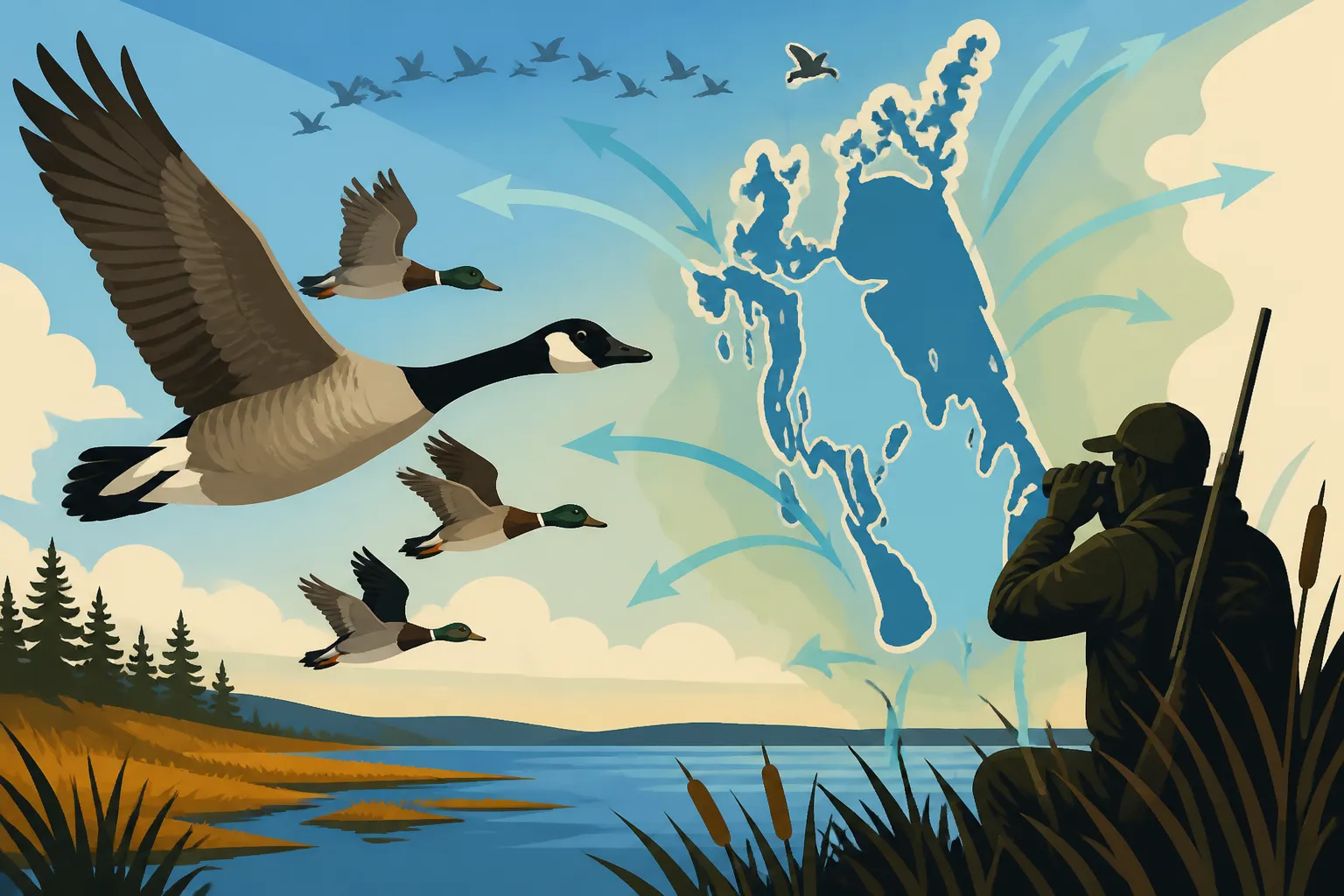
Imagine the entirety of North America, from the high Arctic breeding grounds all the way down to the warm wintering havens of the southern United States, Mexico, and beyond. Now, picture the invisible highways that birds use to make these epic journeys. Lake Winnipeg isn't just a point on one of those maps; it's a giant, shimmering beacon that effectively acts as a major interchange and a massive service station for countless species of migratory birds traversing the Central Flyway. Its sheer size and orientation create a natural funnel, concentrating birds in a way few other inland bodies of water can.
Lake Winnipeg's Geographical Advantage
The most immediate thing you notice about Lake Winnipeg, beyond its impressive size, is its distinctive shape and north-south orientation. This isn't just a pretty feature; it's a navigational landmark of epic proportions for birds. Coming from the vast, often featureless landscapes of the Canadian Shield and the boreal forest to the north, hitting a body of water over 400 kilometers long provides an undeniable visual cue. It’s like a giant arrow pointing due south, guiding flocks down the heart of the continent. For birds flying thousands of kilometers, any prominent, easily recognizable feature is gold for navigation, especially during long-distance, often nocturnal flights.
The lake also sits squarely within the geographic confines of the Central Flyway, one of North America's four major bird migration routes. This isn't just a theoretical line on a map; it's a corridor shaped by ancient glaciers, prevailing winds, and the availability of critical habitat. Lake Winnipeg, with its immense volume of freshwater and extensive shorelines, functions as a natural pinch point within this flyway. Think of it as a river delta where many tributaries merge before splitting off again. Birds funnel in from various breeding areas, drawn by its unmistakable presence, before continuing their journey.
A Crossroads of Continents
The Central Flyway itself is a marvel, stretching from the Arctic coastlines to the Gulf of Mexico. Within this vast corridor, Lake Winnipeg emerges as a true crossroads. Birds that breed as far north as Nunavut and the Northwest Territories will eventually find themselves crossing paths with species that bred in northern Saskatchewan or along Hudson Bay. It’s a convergence zone where different migratory paths either merge or run parallel to each other.
What makes this even more fascinating is the potential for species to "spill over" or adjust their routes. During periods of adverse weather, or when looking for specific resources, birds from the edges of the Pacific or Mississippi Flyways might be drawn inwards towards the undeniable abundance offered by Lake Winnipeg and its surrounding wetlands. This makes the region incredibly rich in avian diversity during migration. For instance, a strong easterly wind could push a flock of ducks usually heading down the Mississippi Flyway slightly west, bringing them right into the sphere of influence of the Interlake region and Lake Winnipeg. This congregating effect means that during peak migration, the sheer numbers of birds using this area are staggering, transforming it into one of the continent's most critical pre-migration staging areas. Huge numbers of waterfowl gather here for extended periods, feeding and resting, solidifying their populations before the final push south.
An Ecological Oasis for Hungry Birds
Beyond its role as a geographical landmark, Lake Winnipeg is an ecological powerhouse, providing vital resources that sustain millions of migratory birds. This isn't just a place to stop; it's a place to refuel, rest, and regroup, bolstering the birds for the demanding journey ahead. The rich aquatic environment, coupled with extensive surrounding marshlands and agricultural fields, creates a buffet that is simply irresistible.
Abundant Food Sources in the Lake and Surrounding Marshes
Lake Winnipeg, particularly its shallow south basin, is incredibly productive. Fed by major rivers like the Red and the Saskatchewan, it receives a substantial nutrient load, which in turn fuels vibrant ecosystems. This leads to prolific growth of aquatic vegetation, extensive algal blooms, and an abundance of invertebrates and small fish. For dabbling ducks like Mallards, Pintails, and Gadwalls, the shallow waters and flooded edges are teeming with seeds, tubers, and insect larvae. Diving ducks, such as Canvasbacks and Redheads, exploit the deeper parts of the lake, feasting on mollusks, insect larvae, and the carbohydrate-rich tubers of wild celery and sago pondweed.
But the lake's influence doesn't stop at its immediate shores. The vast marshlands that fringe Lake Winnipeg, most famously the sprawling Netley-Libau Marsh, are ecological goldmines. These wetlands are mosaics of cattails, bulrushes, sedges, and submerged aquatic plants, all providing crucial food. Geese, like Canadas, Snows, and Ross's, often feed in the adjacent agricultural fields (think swathed barley or standing corn), but they frequently utilize the lake itself and the extensive marsh systems for safe roosting and sometimes foraging for greens. Sandhill Cranes also rely heavily on these mixed habitats, gleaning waste grain from fields and finding insects and tubers in the marsh edges. This diverse pantry ensures that whether a bird needs protein, carbohydrates, or fats, Lake Winnipeg and its environs can provide it in spades. When I'm planning a hunt, I'm always looking at the interface between these rich feeding grounds and the lake itself. Scouting Fields for Manitoba Waterfowl is key to understanding where the birds are actually feeding versus where they are just resting.
Critical Resting and Roosting Habitat
Imagine flying thousands of miles. You need a safe place to land, rest your wings, and be secure from predators. Lake Winnipeg offers just that, on a monumental scale. The sheer expanse of open water provides an unparalleled sanctuary for roosting, especially for vast flocks of geese and diving ducks. Large bodies of water inherently offer safety; land predators are deterred by the distance from shore, and the birds have excellent visibility to spot airborne threats.
The dense, impenetrable cover provided by the surrounding marshlands—towering cattails, thick stands of bulrushes, and tangled sedges—offers essential concealment and shelter. This isn't just a place to hide; it's a haven where birds can preen, socialize, and conserve energy without constant vigilance. For a hunter, understanding these patterns is crucial. Birds will often leave these secure roosting areas at first light to head to feeding fields, creating those predictable flight paths that we look for.
Furthermore, Lake Winnipeg acts as a critical "staging" area. Millions of birds will gather here for weeks, sometimes even months, building up their fat reserves—a process known as hyperphagia—for the next grueling leg of their journey south. This requires expansive areas where they can feed undisturbed and rest securely. The sheer size of Lake Winnipeg helps buffer against hunting pressure, providing vast refuge areas where birds can spend time without being constantly flushed. Knowing how these large bodies of water function helps immensely in planning a successful hunt, as it dictates where the birds feel safe and where they will inevitably return. When hunting in this region, whether you're after Marsh Hunting Ducks in the Interlake or focusing on Field Hunting Geese in Manitoba Stubble, the proximity and influence of Lake Winnipeg are always a factor.
The Lake's Influence on Local Weather Patterns
It's not just geography and food that make Lake Winnipeg special; the lake itself actively shapes the local environment, creating microclimates that are incredibly beneficial for migratory birds. This influence is particularly pronounced during the challenging shoulder seasons of fall and early winter, often extending the hunting opportunities for those willing to brave the chill.
Open Water in Freezing Conditions
One of the most significant advantages Lake Winnipeg offers to late-migrating waterfowl is its ability to retain heat. Large bodies of water heat up and cool down much slower than land. As fall progresses and temperatures plummet across Manitoba, smaller potholes, sloughs, and even larger rivers begin to freeze solid. However, Lake Winnipeg’s immense volume acts like a gigantic thermal battery, holding onto warmth and delaying freeze-up for weeks, sometimes even well into December. This extended period of open water is absolutely critical for species like Goldeneyes, Buffleheads, and other hardy diving ducks, as well as late-season Canada Geese and Snow Geese, who rely on open water for feeding and roosting.
This phenomenon effectively extends the migratory season in Manitoba, providing a crucial last-chance stopover for birds before they must make their final push to unfrozen wintering grounds. Without this massive expanse of open water, many birds would be forced to move south much earlier, or face perilous journeys with fewer reliable resting points. For hunters, this means that even when the landscape is blanketed in snow and other water bodies are locked in ice, there's still a possibility of encountering active waterfowl around Lake Winnipeg, especially near areas where rivers feed into the lake, or where currents keep water moving. It truly is a lifeline for birds facing the onset of bitter winter.
Microclimates for Staging Birds
Beyond just staying open, the lake creates localized microclimates that can make a real difference for staging birds. The moderated temperatures along its shores and adjacent marshlands are often a few degrees warmer than areas further inland, particularly during those sharp, early fall cold snaps. This slight temperature buffer can provide a more hospitable environment, allowing birds to conserve energy and continue feeding without expending extra resources simply trying to stay warm.
Moreover, the sheer presence of such a large water body can influence local weather phenomena. While it might sound strange, the lake can generate its own localized fog, light precipitation, or distinct wind patterns. These localized weather conditions can, in turn, affect how birds move, where they decide to rest, and even the altitude at which they fly. A light fog might cause birds to fly lower, or strong lake winds could push them into more sheltered bays or along specific shorelines. For the avid waterfowl hunter, keenly observing these localized effects is part of the game. It’s about being adaptable and understanding that the lake itself has a personality, and that personality directly impacts bird behavior. Using a tool like GoHunt can help you analyze terrain and wind patterns around the lake to predict bird movement.
Implications for Manitoba Waterfowl Hunters
For those of us who cherish the challenge and reward of waterfowl hunting in Manitoba, understanding Lake Winnipeg's profound influence on bird migration isn't just academic—it's absolutely essential. It directly impacts where the birds are, when they’re there, and how they behave, shaping our strategies for scouting, access, and ultimately, success in the field.
Strategic Scouting and Access
The immense size of Lake Winnipeg presents both a challenge and an incredible opportunity for hunters. It's not a small pond you can just walk around in an hour. Knowing where and when to focus your efforts is paramount. This means extensive scouting, whether it's identifying specific staging areas on the lake, tracking typical flight corridors from roosting areas to feeding fields, or noting where the birds seem to concentrate. Satellite imagery, combined with on-the-ground observation, becomes invaluable.
Access around Lake Winnipeg can be tricky due to a patchwork of private land, but there are significant public land opportunities, notably within and around the Netley-Libau Marsh, which is directly influenced by the lake. This requires thorough research into Game Hunting Area (GHA) maps and land ownership. Using digital scouting tools like GoHunt can significantly cut down on the guesswork, helping you pinpoint Crown Land or identify potential areas where you might seek permission from landowners. Remember, getting permission is always step one when hunting private land. For more details on this, check out Getting Permission for a Goose Field. Understanding these access points and strategically positioning yourself where birds transition between the lake and feeding areas is often the key to a successful hunt.
Understanding Bird Behavior Around the Lake
The consistent patterns of bird behavior around Lake Winnipeg provide a framework for successful hunting. Most notably, waterfowl will often leave the inherent safety of the vast lake at dawn to feed ravenously in nearby agricultural fields—such as those rich with stubble from harvested grains. As dusk approaches, they then make their way back to the secure, open water of the lake for roosting. This creates those classic morning and evening flight paths that hunters eagerly anticipate. Setting a Goose Spread in Swathed Barley or Hunting a Swathed Grain Field at Dusk are classic tactics based on this behavior.
Weather plays a huge role here, especially strong north winds. These winds can push birds south along the lake's edges, concentrating them and sometimes causing them to fly lower, offering unique hunting opportunities. Conversely, calm, clear days might see birds flying higher and more dispersed. Patience and adaptability are your greatest allies. Bird movements are rarely static; they are highly dependent on daily conditions, food availability, and the birds' current needs—whether they're just resting, trying to pack on calories, or preparing for the next leg of their journey. A successful hunter doesn't just show up; they observe, adapt, and patiently wait for the lake's migratory rhythm to present its opportunity. For those chasing huge flocks, knowing When Snow Geese Pass Through Manitoba is essential, and Lake Winnipeg is always a factor in their movements.
Lake Winnipeg's Vital Role in Manitoba's Waterfowl Heritage
As you can clearly see, Lake Winnipeg isn't just a large body of water in the middle of our province. It's a dynamic, living ecosystem that plays a truly monumental role in the epic journey of bird migration across North America. Its strategic location on the Central Flyway, coupled with its unparalleled ecological richness and unique microclimates, transforms it into an indispensable haven for millions of migratory birds.
For those of us who hunt waterfowl in Manitoba, understanding this intricate relationship is key to both appreciating the grandeur of nature and improving our chances in the field. The lake dictates where birds will stage, where they'll feed, and where they'll roost, offering predictable patterns for those who take the time to learn them. It's a stark reminder that our hunting experiences are inextricably linked to these vast natural processes. So, next time you're sitting in a blind, watching those distant specks against the horizon, know that many of them are either heading towards, or have just departed from, the incredible sanctuary that is Lake Winnipeg.
| Bird Species Group | Primary Food Sources | Preferred Lake Winnipeg Habitat |
|---|---|---|
| Dabbling Ducks (Mallards, Pintails) | Seeds, aquatic vegetation, insects, waste grain | Shallow marshes, flooded fields, sheltered bays |
| Diving Ducks (Canvasbacks, Redheads) | Aquatic plants (tubers, roots), mollusks, insect larvae | Open water of the lake, deeper marsh channels |
| Geese (Canada, Snow, Ross's, Specklebelly) | Waste grain, fresh shoots, grasses | Agricultural fields (feeding), large open lake areas (roosting) |
| Sandhill Cranes | Waste grain, insects, tubers | Agricultural fields (feeding), shallow marsh edges, sand bars (roosting) |
| Shorebirds (various) | Insects, small invertebrates in mudflats | Exposed mudflats, shallow water margins |
This article gives you a deeper appreciation for Manitoba's Ducks and Geese by Flyway and the incredible journeys they undertake. Knowing these patterns will help you better prepare for Waterfowl Hunting Manitoba's Grain Fields or even understanding how to hunt Hunting Snow Geese Over a Big Spread. Remember that acquiring your Manitoba Migratory Bird Permits and using Non-Toxic Shot Requirements for Waterfowl are vital parts of respecting this incredible resource.
Disclaimer
This article is for general informational purposes only and does not constitute professional advice. Laws, prices and regulations vary by location and change over time. Consult a qualified professional for guidance on your specific situation.