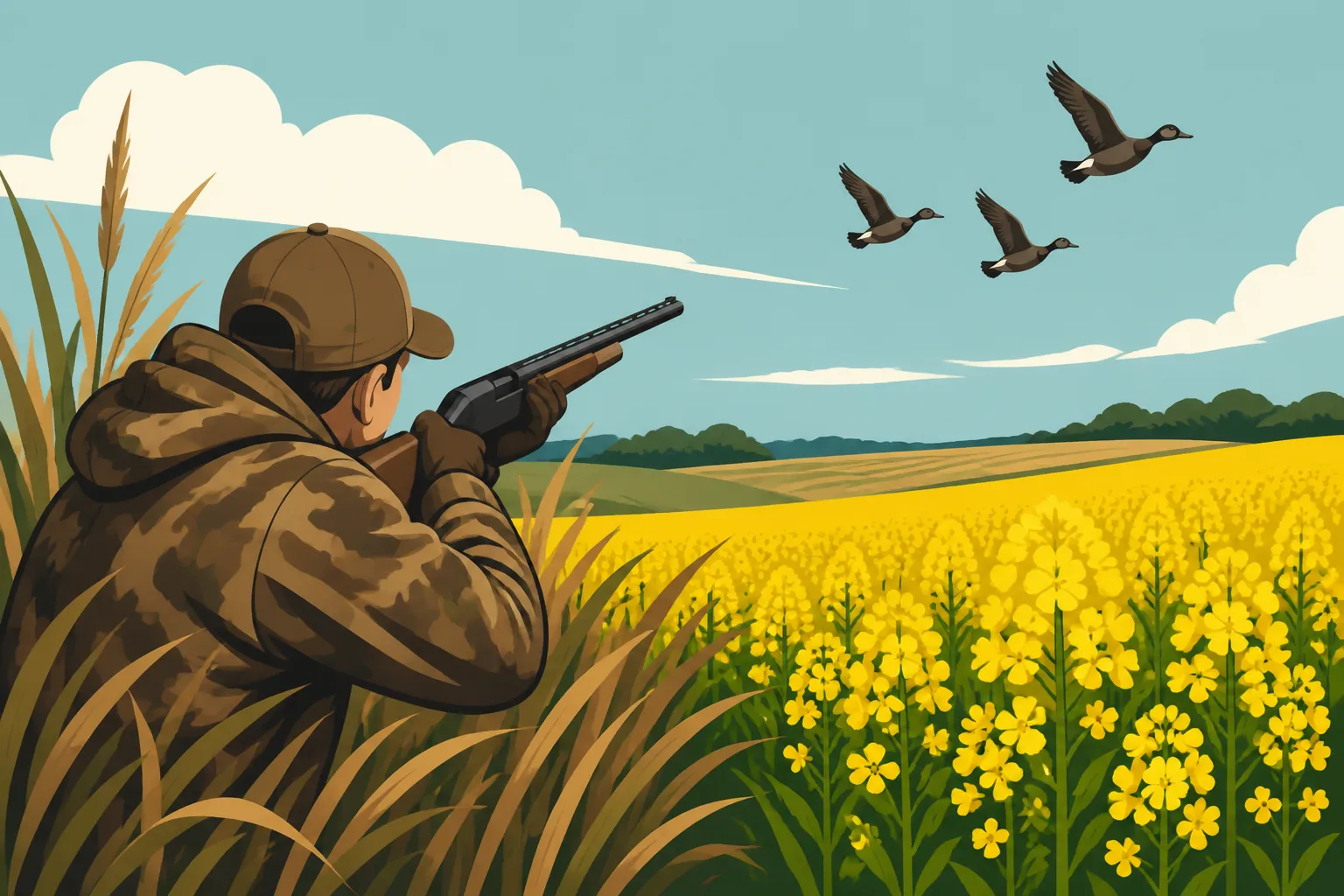
Hunting a Standing Canola Field Edge
Hunting whitetails in Manitoba can be incredibly rewarding, but figuring out where these clever animals are hiding, especially when they have vast agricultural fields at their disposal, can be a real head-scratcher. One common frustration is seeing deer disappear into a standing canola field, leaving you wondering how to even begin strategizing a hunt around such dense cover. This guide will walk you through the nuances of hunting the edge of a standing canola field, offering practical advice and strategies to increase your chances of success.
Understanding Whitetail Behavior Around Canola Fields
Canola fields, when mature and standing, create a unique ecosystem that whitetails absolutely love. It’s not just about the food; it’s a whole package deal offering security, sustenance, and shelter. If you want to consistently find success, you’ve got to first understand why these fields are so attractive to deer and how they utilize them.
Why Canola Attracts Deer
Believe it or not, standing canola fields are like a five-star resort for whitetails, especially as the season progresses into late summer and early fall. The dense, tall stalks provide an incredible amount of cover, making deer feel safe and unpressured. They can bed down in the middle of these fields, virtually invisible to predators and hunters alike, catching a breeze in the heat or finding refuge from light rain. Beyond just security, canola seeds are quite rich in oil and protein, providing a readily available, high-energy food source. While deer might not specifically target the seeds as their primary diet, they will browse on the tender plants when they're young, and once the pods mature, they'll certainly snack on fallen seeds or those accessible from the edges.
This isn't just a casual snack, either. The nutritional value helps deer pack on critical fat reserves before the harsh Manitoba winter, influencing Why Northern Bucks Carry More Body Mass. This means that even if you don't see them actively feeding, they are benefiting from the field. Furthermore, the sheer volume of plant matter holds dew and moisture, which can be an important hydration source in dry periods. The taller the canola, the more thermal cover it provides against biting winds, especially as fall temperatures start to drop. It’s this combination of cover, food, and thermal regulation that makes a standing canola field such a hotspot, drawing deer in and holding them tight.
Movement Patterns Along Field Edges
Deer rarely just appear in the middle of a vast canola field out of nowhere. Instead, they use the edges as primary travel corridors. Think of it like a highway system for deer. They'll travel along these edges, often just inside the cover, using the dense vegetation as a screen. This is particularly true when moving between bedding areas within the field and external food sources like an alfalfa field, a freshly cut grain stubble, or nearby natural browse. You’ll often find distinct trails where deer repeatedly enter and exit the canola, creating what we call "entry and exit points." These are goldmines for a hunter.
These entry and exit points are not random; they're usually dictated by natural funnels, pinch points, or areas where the cover is slightly less dense, making it easier for them to transition. A small creek or ditch running into the field, a brushy fence line, or even a slight elevation change can create one of these preferred crossing points. Deer will also often follow the wind direction when entering and exiting fields, using their noses to detect danger. Understanding these patterns is key. They might enter one edge in the morning to bed down, then exit a different edge in the evening to feed elsewhere. During the rut, bucks will often cruise these edges, scent-checking for does, making it a prime location for Hunting the Rut in Early to Mid November.
Scouting and Planning Your Hunt Along the Edge
You wouldn't just walk into a job interview without preparing, would you? The same goes for hunting a standing canola field edge. Effective scouting and meticulous planning are absolutely crucial, perhaps even more so than in other terrains, because the cover is so dense that spotting deer from afar is nearly impossible.
Pre-Season Reconnaissance
Before you even think about setting foot in the field during hunting season, you need to put in the legwork. Start with aerial imagery. Tools like GoHunt or other satellite mapping applications are invaluable for identifying potential entry/exit points, changes in topography, and proximity to other food sources or bedding areas. Look for fingers of bush that extend into the field, small wetlands, or even subtle changes in vegetation density that might indicate a deer trail. These areas often serve as natural funnels that concentrate deer movement.
Once you have some potential spots marked on your map, it's time for boots on the ground, but be mindful of disturbing the area too much. Early season is great for this, before the canola gets too tall and dense. Walk the perimeter of the field, looking for well-worn trails leading into the canola, especially where they intersect with natural travel routes like a creek bottom or a shelterbelt. Pay close attention to corners or points where the field narrows or meets a block of timber, as these are classic ambush spots. Placing a few trail cameras on these established trails can provide critical intel on deer activity, their preferred times of movement, and even the size and quality of bucks in the area. Remember, you’re not just looking for any sign; you’re looking for consistent sign that points to habitual use. This early season scouting can dictate your entire strategy, whether you're planning for Bowhunting Manitoba's Early Season or later rifle seasons.
Reading Sign on the Edge
When you're actually out there, actively scouting, knowing what specific deer sign to look for along the edge of a canola field is paramount. Tracks are your first indicator. Look for fresh tracks leading in and out of the standing crop, especially larger, deeper tracks that might signify a mature buck. The direction of travel is as important as the size. Are they heading into the field in the morning? Coming out in the evening? This helps establish patterns.
Beyond tracks, keep an eye out for rubs and scrapes, especially during the pre-rut and rut phases. Bucks will rub their antlers on small trees and bushes along the edge of the field, marking their territory. Scrapes – areas where bucks clear the ground with their hooves and then urinate on them – are communication hubs. The freshness of these rubs and scrapes tells you a lot about recent activity. A dark, moist scrape with a strong scent is a clear indicator that a buck has been there very recently. Look for fresh browse on vegetation bordering the canola field; deer will often nibble on preferred plants while moving along the edge. The more fresh sign you find, the higher your confidence should be in selecting that particular spot for your stand. When you're Reading Whitetail Sign in Manitoba Aspen or along a canola field, it's about piecing together the story of the deer's daily life.
Executing Your Hunt: Stand Placement and Strategy
So you've done your homework, scouted diligently, and have a good idea of where the deer are moving. Now comes the exciting part: putting yourself in a position to seal the deal. This is where smart stand placement and patient, calculated hunting tactics come into play.
Optimal Stand and Blind Placement
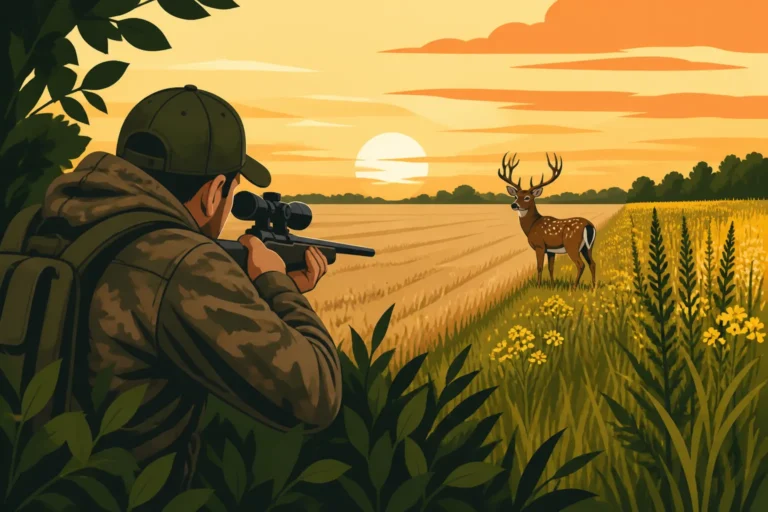
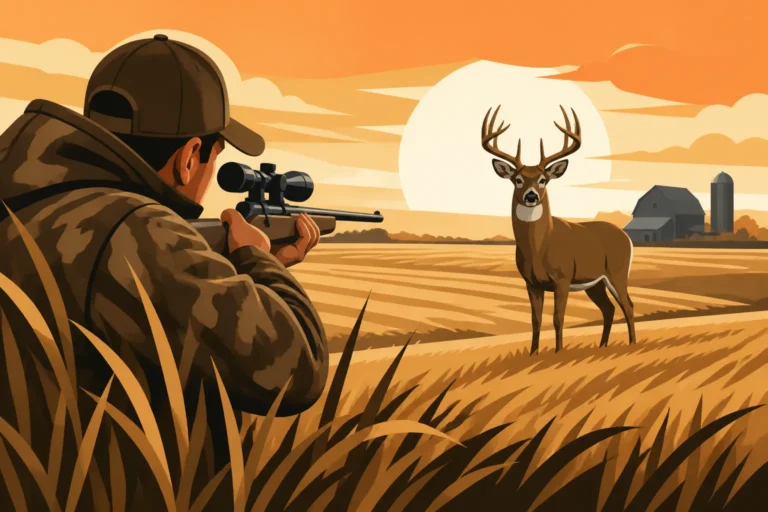
The biggest mistake many hunters make when hunting a field edge is setting up right on the edge, exposed. Whitetails are incredibly wary, and their eyes are constantly scanning. For a standing canola field, your best bet is often to set up 10-20 yards (or even more, depending on cover) into the adjacent bush or timber, overlooking the travel corridor along the field edge. This allows you to blend into the natural cover and offers a better shooting lane without spooking incoming deer.
Consider the wind above all else. A slight breeze in your face, blowing from the field towards you, is ideal. Deer will use their nose more than their eyes, and a swirling wind will give you away quickly. Always check the prevailing winds for your chosen spot, and have alternative setups for different wind directions. The rising or setting sun can also play a role; position yourself so the sun isn't directly in your eyes during prime hunting hours, and ideally, so the deer are moving into the sun if you're hunting evenings, making them squint while you remain in shadow.
For treestand hunters, choose a tree that offers good cover and a clear shot at the primary travel routes you've identified. Ensure your entry and exit routes to the stand are quiet and concealed to avoid alerting any deer already near the field. For ground blind hunters, natural brush or a strategically placed pop-up blind camouflaged with local vegetation can be effective. Just remember, these blinds need to be set up well in advance to allow deer to get used to their presence. Whether it's Hanging a Stand on a Manitoba Bush Edge or setting up a ground blind, discretion is your best friend.
Hunting Tactics and Timing
Hunting standing canola field edges is largely a waiting game, but knowing when to wait is critical. Generally, dawn and dusk are your prime times. In the mornings, deer might be finishing up feeding outside the field and returning to bed down deep within the canola. Conversely, in the evenings, they'll be emerging from their daytime sanctuary to feed or cruise. During the peak of the rut, however, bucks might be up and moving at any time of day, making all-day sits a viable option, especially if you're targeting a mature buck in a prime area like Hunting the Parkland Fringe for Big Bucks.
Patience is paramount. Scent control is also a non-negotiable. Wear scent-eliminating clothing, store your hunting clothes in scent-free containers, and use scent sprays. Even the slightest human odor can alert a deer. While waiting, scan the field edge constantly, looking for subtle movements or the flick of an ear. Don't be afraid to use calls strategically. A few soft grunts or doe bleats can sometimes pique a buck's curiosity and draw him closer to the edge, especially if you're trying Grunt Calls Late in Manitoba's Rut. However, be conservative; too much calling can be detrimental. Still hunting or very slow, deliberate stalking along a well-covered edge can also be effective, particularly if you know deer are using a specific, linear travel route.
| Aspect of Hunting Standing Canola Edges | Pros | Cons |
|---|---|---|
| Deer Activity | Excellent cover attracts and holds deer; high-energy food source. | Deer can be completely invisible within the field. |
| Scouting | Defined entry/exit points are often visible; tracks can be clear on field roads. | Dense cover makes visual scouting difficult; risk of disturbing deer. |
| Stand Placement | Clear lines of sight along edges from slightly recessed positions. | Limited tree options for stands; wind swirls can be tricky. |
| Tracking | Clear blood trails on roads or short-mowed areas. | Extremely challenging to track in dense, standing canola. |
| Retrieval | Potentially easy access for ATVs/trucks on field roads. | Dragging a deer from deep within the field is physically demanding. |
Post-Shot Tracking and Retrieval Considerations
You've made a good shot, but the work isn't over. Tracking a deer into or out of a standing canola field presents its own set of unique challenges. The dense vegetation can easily obscure blood trails and make following a wounded animal incredibly difficult.
Tracking in Thick Canola
This is where the real test begins. Unlike open woods where a bright blood trail is relatively easy to follow, a standing canola field can soak up or hide blood like a sponge. The first step, as always, is to mark your shooting location and the deer's last known position accurately. Don't rush in immediately, especially if you suspect a marginal hit. Give the deer time – often several hours, or even overnight for a gut shot – to bed down and expire. Pushing a wounded deer will only make it run further and be harder to recover.
When you do start tracking, move slowly and deliberately. Look for any sign: specks of blood on leaves, disturbed vegetation, broken stalks, or even a tuft of hair. If the blood trail is sparse, move on your hands and knees if necessary, parting the canola stalks. Keep an eye out for parallel trails; a wounded deer often won't follow the main trail but will veer off into thicker cover. If you lose the trail, backtrack to the last confirmed sign and search in a circular pattern from that point. Having a partner to help with tracking, one person following the trail and another searching ahead or to the sides, can significantly increase your chances of success. A good quality flashlight or headlamp is crucial if you're tracking in low light or darkness. The difficulty of tracking here is a stark contrast to tracking a moose on a Manitoba cutline where the path is generally clearer.
Dealing with Retrieval and Carcass Care
Once you've located your deer, the challenge shifts to getting it out of the field. A mature whitetail buck can weigh upwards of 200-300 pounds in Manitoba, and dragging that through dense, chest-high canola is exhausting work. If you have permission from the landowner, bringing a quad or side-by-side right into the field to the deer can save immense effort. However, be extremely careful not to damage crops unnecessarily. If vehicular access isn't an option, you'll need to rely on sheer manpower. A deer cart or sled can be invaluable, but even those can be tough to maneuver in very thick canola.
Field dressing the animal where it lies is often the most practical approach, as it lightens the load and begins the crucial process of cooling the carcass. In warmer fall temperatures, prompt field dressing is vital to prevent meat spoilage. If you're hunting in colder weather, like during Hunting Safely in Deep Winter Cold, you might have a bit more leeway, but proper Meat Care in Manitoba's Cold Snaps is always important. Ensure you have proper game bags to protect the meat from dirt and flies during retrieval. Once out of the field, getting the deer to a cooler or processor quickly is the final step to ensuring you have high-quality venison.
Disclaimer
Please ensure you are familiar with and adhere to all current Manitoba hunting regulations, seasons, and licensing requirements before heading out. Always obtain appropriate permission from landowners before hunting on private land. Safety should be your top priority in the field.