Ptarmigan in Manitoba’s Far North
Many hunters dream of chasing big game, but there's a whole world of unique challenges and incredible rewards awaiting those who venture into Manitoba's far north in pursuit of a different kind of quarry: the ptarmigan. These hardy upland birds are often overlooked, yet they offer an unforgettable wilderness experience for those willing to brave the elements and truly immerse themselves in a remote hunt. This guide is dedicated to shedding light on these fascinating creatures, their habitat, and how you can plan an adventure to hunt them in Manitoba's vast northern expanses.
The Enigmatic Ptarmigan: Manitoba's Arctic Upland Bird
When you think of upland birds, your mind might first drift to ruffed grouse drumming in the bush or sharp-tailed grouse dancing on the prairie. But the ptarmigan is a creature of a completely different world, perfectly adapted to Manitoba's challenging northern climate. They're a true gem of the subarctic and arctic regions, offering a unique hunting experience that tests both your resolve and your understanding of their cunning adaptations.
Species Found in Manitoba's North
Manitoba is primarily home to two species of ptarmigan: the Willow Ptarmigan and, less commonly, the Rock Ptarmigan. The Willow Ptarmigan is the larger and more widespread of the two, often found in areas with dense willow and dwarf birch stands, typically along the tree line or in slightly more vegetated tundra. They're robust birds, built to withstand harsh conditions, and are often encountered in decent-sized coveys during the colder months.
The Rock Ptarmigan, on the other hand, prefers higher, more exposed, and rockier terrain. While their range can overlap with Willow Ptarmigan, you'll generally find them further north or in more barren, elevated areas within the subarctic tundra. They're slightly smaller and can be even more challenging to spot against their preferred stony backdrops. Both species share the remarkable ability to blend seamlessly into their surroundings, making them a true test for any hunter. Their survival hinges on their ability to stay hidden from predators like foxes, wolves, and raptors, and this skill translates directly into a challenging hunt.
The Master of Camouflage: Seasonal Plumage Changes
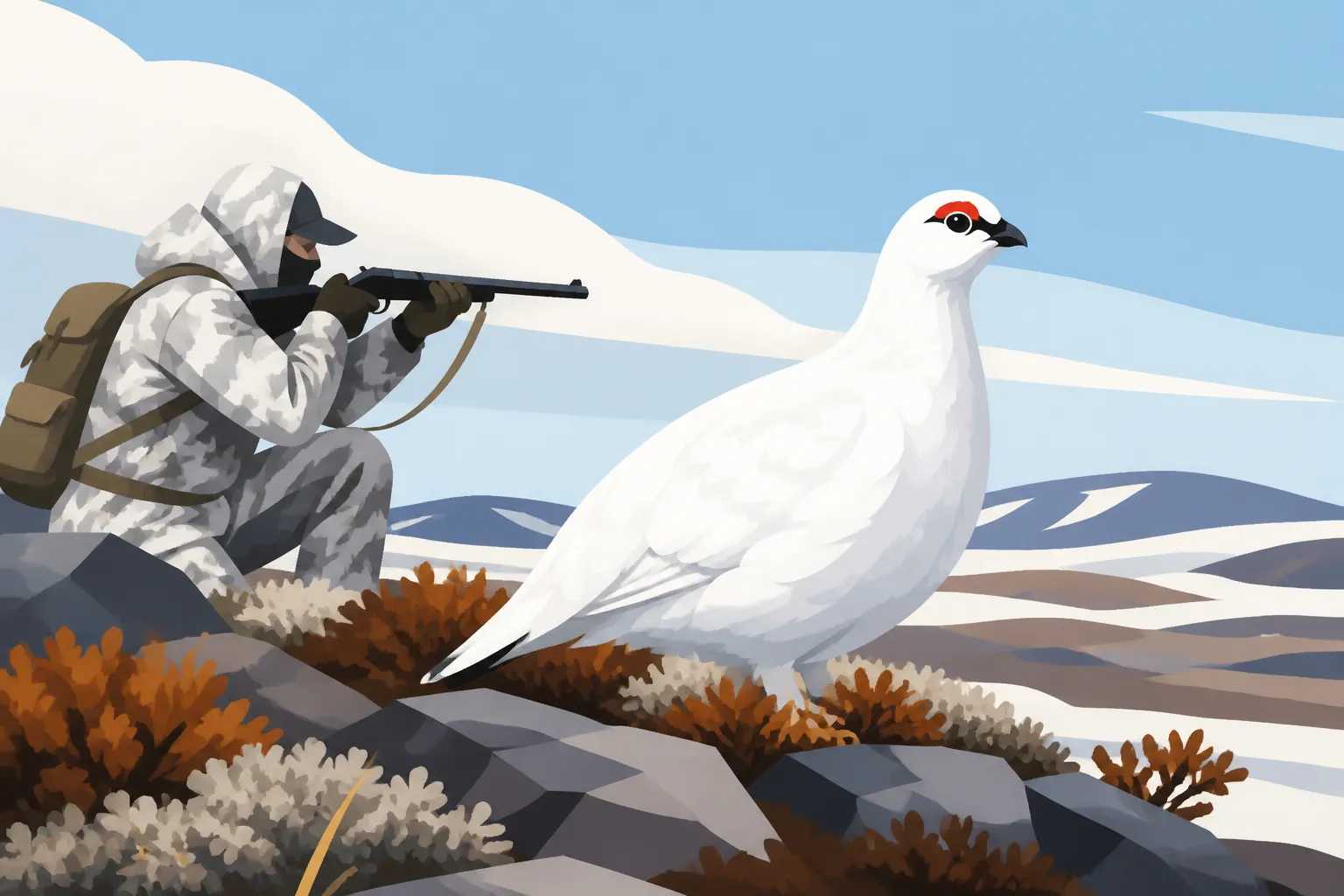
Perhaps the most astonishing feature of the ptarmigan is their incredible seasonal camouflage. This isn't just a slight colour shift; it's a complete transformation that makes them one of the most uniquely adapted birds on the planet. As summer fades and the first snow begins to fall, their mottled brown and grey plumage, which helps them blend into the sparse tundra vegetation, gradually gives way to a pristine, pure white coat. This transition occurs remarkably quickly, often by the time the first deep snows arrive.
This change isn't just for show; it's absolutely crucial for their survival. Imagine a brown bird against an endless expanse of white snow – it would be an easy target for any predator. Their white feathers provide perfect camouflage against the snowy backdrop, allowing them to remain virtually invisible. Beyond concealment, these specialized feathers are incredibly dense and offer superior insulation, trapping a layer of warm air close to their bodies, which is essential for surviving the brutal cold of a Manitoba winter. For hunters, this means that early season ptarmigan hunts might involve birds in patchy, transitional plumage, making them a little easier to spot. However, once winter truly sets in, their all-white appearance makes finding them an exciting game of "spot the snowdrift." Their ability to disappear into the landscape is truly a sight to behold, and it's a constant reminder of the incredible adaptations necessary for life in the far north.
Habitat and Behavior: Where Ptarmigan Roam
Understanding where ptarmigan live and how they behave is absolutely critical to finding them. You can’t just walk out into any old bush and expect to stumble upon a covey of these birds; their preferred haunts are quite specific and deeply tied to the unique environment of Manitoba's far north. It's a landscape that tests the limits of both wildlife and the hunters who pursue them.
The Tundra and Taiga Interface
Manitoba's far north is a mesmerizing mosaic of landscapes, primarily defined by the transition from the boreal forest (taiga) to the open, treeless tundra. This interface is precisely where you'll find ptarmigan thriving. They favor areas characterized by rocky outcrops, vast expanses of lichen-covered ground, and dense, low-growing vegetation such as dwarf willows, alders, and birch. You won't find them perched high in spruce trees; instead, they hug the ground, relying on the natural contours and cover of the low shrubbery.
This specific habitat provides everything they need: food, shelter, and concealment from predators. The low-lying shrubs offer buds, catkins, and twigs which form a crucial part of their diet, especially in winter. The rocky terrain and dense patches of dwarf vegetation also provide excellent cover from the fierce northern winds and a place to hide when a predator, like a hawk or a wolf, passes overhead. When you're Hunting a Boreal Muskeg Edge or exploring the fringes of the true tundra, you're in prime ptarmigan country. Knowing this precise transition zone is your first step to a successful hunt.
Daily and Seasonal Movements
Ptarmigan aren't static birds; their movements are largely dictated by the changing seasons, food availability, and weather conditions. During the brief northern summer, they might be more dispersed as they nest and raise their young. However, as autumn deepens and winter approaches, they begin to congregate, often forming larger coveys. This flocking behaviour is a survival strategy, offering more eyes and ears for detecting predators and more bodies to huddle together for warmth during the brutally cold nights.
Their daily movements revolve around feeding and finding shelter. In the early morning and late afternoon, you'll often find them actively foraging for buds, berries, and tender shoots. As temperatures drop or winds pick up, they’ll seek out sheltered depressions in the snow, dense willow thickets, or the lee side of a rocky ridge. These birds are incredibly resilient, but they're not impervious to extreme cold or wind. Deep snow can sometimes hinder their foraging, forcing them to move to areas where food is more accessible. Utilizing modern scouting tools like GoHunt can help you identify areas with suitable habitat features, such as dense willow runs or rocky knolls, even before you set foot on the ground. By overlaying satellite imagery with potential cover, you can pinpoint high-probability areas where these birds might be concentrated. Keeping an eye on weather patterns will also give you clues as to where they might be seeking refuge.
The Challenge of Ptarmigan Hunting in Remote Manitoba
Hunting ptarmigan in Manitoba's far north is not your typical weekend hunt. It's an expedition into true wilderness, demanding preparation, resilience, and a deep respect for the environment. It’s an experience that stands apart, pushing you to your limits while offering unparalleled natural beauty.
Accessing the Far North
The biggest hurdle for most hunters considering ptarmigan in Manitoba is simply getting there. The "far north" isn't generally accessible by road. This means you're typically looking at fly-in camps, often involving chartering a float plane or wheel plane to a remote lake or airstrip. This kind of access adds significant cost and logistical complexity to the trip, but it's also what preserves the pristine nature of these hunting grounds. Planning for such an adventure requires meticulous detail, from arranging flights to ensuring you have enough supplies for the duration of your stay.
Challenges aren't just about getting there; they're about surviving and thriving once you're on the ground. The weather can change in an instant, bringing fierce winds, heavy snow, or whiteout conditions. Self-sufficiency is paramount, as help can be days away. Many hunters choose to combine a ptarmigan hunt with a larger big game expedition, like Barren-Ground Caribou Hunting in Northern Manitoba or Black Bear Hunting in Manitoba, to maximize their remote wilderness experience. This type of remote hunting isn't for the faint of heart, but the rewards—solitude, untouched landscapes, and truly wild game—are immeasurable. Before you even think about packing your bags, make sure you understand the requirements for Manitoba Hunting Licences and What They Cost and that you've completed your Manitoba Hunter Education Requirements.
Gear and Tactics for Ptarmigan
When it comes to gear for a northern ptarmigan hunt, think layers, warmth, and durability. You'll be spending long days exposed to the elements, so proper clothing is non-negotiable. Start with good base layers, add insulating mid-layers like fleece or down, and top it off with a windproof and waterproof outer shell. Good quality, insulated boots are essential for keeping your feet warm and dry, especially if you're slogging through snow or across rocky, uneven terrain. Make sure your footwear is broken in and comfortable for extensive walking.
For firearms, a lightweight shotgun is ideal. Ptarmigan aren't large birds, and they often flush close, so a 20-gauge or even a .410 with fine shot (like 6 or 7.5) is usually more than sufficient. Remember, you're packing this gear, potentially on a bush plane, so every ounce matters.
Hunting tactics vary. Many traditional ptarmigan hunters enjoy a classic walk-up hunt, slowly traversing likely habitat. Their camouflage is so effective that you might walk right past them until they burst into the air, often with a distinctive cackle. This can be startling, but it makes for an exciting shot opportunity. Others prefer to use a good pointing dog, which can be invaluable for locating birds that blend in perfectly with the terrain. A pointer will lock up on scent, allowing you to walk in and prepare for the flush. Remember to always consider Hunting Safely in Deep Winter Cold when planning your approach. Before heading out, services like GoHunt offer detailed satellite imagery and topographical maps, allowing you to scout potential ptarmigan strongholds from the comfort of your home, helping you plan your walking routes and identify prime habitat features for both walk-up hunting and working a dog.
Seasons, Regulations, and Conservation
Navigating the rules and regulations for hunting any species is crucial, and ptarmigan in Manitoba are no exception. While they may not be as heavily managed as some big game species, understanding the legal framework ensures a responsible and ethical hunt, contributing to the long-term health of these northern populations.
Understanding Manitoba's Ptarmigan Season Dates and Limits
The season for ptarmigan in Manitoba's far north typically opens in the early fall and can extend well into the winter months. This extended season provides opportunities for both milder autumn hunts and truly challenging deep-winter expeditions. Generally, the season dates are quite generous, reflecting the vastness of their northern habitat and robust populations. However, exact dates, daily bag limits, and possession limits can vary, and it's imperative to consult the current Manitoba hunting regulations guide each year.
The daily bag limit for ptarmigan is usually quite respectable, allowing hunters to take a good number of birds. Possession limits are also generous, but always be mindful of how much meat you can realistically process and transport from a remote camp. Specific details for Ptarmigan Season in the Far North will be outlined in the provincial hunting guide. Make sure you check for any specific Game Hunting Areas (GHAs) or zones that might have different rules, as some remote areas may have unique considerations. Remember, these birds are not as widely hunted as other upland species, so regulations are often designed to facilitate access rather than restrict it heavily.
Responsible Hunting and Carcass Care
Responsible hunting extends beyond simply knowing the regulations. It involves ethical practices in the field and proper care of the game you harvest. Given the remote nature of ptarmigan hunting, every shot counts, and ensuring a clean kill is paramount. Shoot only at reasonable distances where you are confident in your ability to make a humane shot. Ptarmigan, being smaller birds, can be surprisingly tough, but a well-placed shot will ensure a quick harvest.
Once a bird is down, prompt retrieval is essential. In snowy conditions, a downed bird can quickly disappear, especially if it's still in its white winter plumage. Mark the spot carefully and retrieve your bird immediately. Field dressing ptarmigan in freezing temperatures requires quick hands. Many hunters simply remove the guts and perhaps the head and feet in the field, keeping the feathers on for transport back to camp to help protect the meat from freezing too quickly or getting freezer burn. Pay attention to Meat Care in Manitoba's Cold Snaps to preserve the quality of your harvest. Transporting your birds back from a remote camp will also require proper planning, often involving coolers and careful packing to ensure the meat arrives home in excellent condition. Understanding the conservation status of northern species is also part of being a responsible hunter. While ptarmigan populations are generally stable, being aware of any environmental changes, such as those discussed in What Climate Shift Means for Manitoba Game, helps you appreciate the broader ecological context of your hunt. For up-to-date regulations and GHA boundaries, GoHunt is a reliable resource that can quickly inform you of any changes, ensuring you're always hunting legally and responsibly.
Why Hunt Ptarmigan? The Unique Northern Experience
For many, hunting is about more than just harvesting game; it's about the experience, the challenge, and the connection to the wild. Ptarmigan hunting in Manitoba's far north offers an unparalleled immersion into a truly wild landscape, promising memories that will last a lifetime.
Beyond the Bird: The Wilderness Immersion
A ptarmigan hunt isn't merely about bagging a few birds; it's an excuse to experience the raw, untamed beauty of Manitoba's northern wilderness. Imagine vast, silent landscapes stretching to the horizon, unbroken by roads or human development. The air is crisp and clean, the quiet profound, punctuated only by the whistle of the wind or the distant call of a raven. This is an environment that truly humbles you, stripping away the complexities of modern life and forcing you to rely on your skills, your gear, and your companions.
The solitude you find in this remote country is a powerful draw for many. It's a chance to disconnect from the digital world and reconnect with nature in its most pristine form. Whether you're navigating rocky ridges, crossing frozen tundra, or hunkering down in a remote cabin, every moment is an adventure. The challenges of weather, terrain, and logistics only serve to amplify the sense of accomplishment when you overcome them. This kind of trip often fosters deep camaraderie among hunting partners, forging bonds as strong as the northern winds. It’s a true test of spirit and an opportunity to witness ecosystems described in What Lives in Manitoba's Tundra Transition firsthand.
Culinary Rewards and Bragging Rights
While the wilderness experience is often the primary motivator, the culinary rewards of ptarmigan are certainly nothing to scoff at. These birds offer a delicate, lean, and flavourful meat, often compared to high-quality grouse or even pheasant, but with a unique northern twist. They're excellent roasted, pan-fried, or used in stews, offering a taste of the wild that is hard to replicate.
Cooking fresh ptarmigan in a remote camp, perhaps over an open fire or a small camp stove, adds another layer of satisfaction to the hunt. It’s the ultimate farm-to-table (or rather, tundra-to-camp-stove) experience, a meal earned through effort and perseverance. Imagine sharing a hearty ptarmigan stew with your hunting partners after a long day in the cold, recounting the day's adventures—it’s a memory that stands out. Beyond the plate, harvesting a ptarmigan in the far north comes with a unique set of bragging rights. It's not a common hunt, and the challenges involved mean that anyone who successfully pursues these birds has a story to tell. It’s a testament to venturing off the beaten path, embracing the wild, and experiencing Manitoba hunting in a way few ever do. If you're looking for something different from White-Tailed Deer, Manitoba's Most Hunted Animal or even Ruffed Grouse Hunting Manitoba's Bush Trails, the ptarmigan might be your next great adventure.
Ptarmigan Species Comparison
To help you distinguish between the two primary species you might encounter in Manitoba's north, here's a quick comparison:
| Feature | Willow Ptarmigan (Lagopus lagopus) | Rock Ptarmigan (Lagopus muta) |
|---|---|---|
| Size | Larger, chunkier upland bird | Slightly smaller, more slender |
| Habitat | Low-lying, dense willow & dwarf birch thickets, tundra edge | Higher, rockier, more barren tundra |
| Winter Plumage | Pure white overall (males often have red eyebrow combs) | Pure white with a distinctive black eye stripe in males |
| Summer Plumage | Reddish-brown, darker, often with barred markings | Greyer, more finely barred, less reddish |
| Call | A distinctive, cackling "go-back, go-back" | A harsher, rasping "krekk-krekk" or croak |
| Legs | Fully feathered down to the toes | Fully feathered down to the toes |
Disclaimer
This article is for general informational purposes only and does not constitute professional advice. Laws, prices and regulations vary by location and change over time. Consult a qualified professional for guidance on your specific situation.