Manitoba’s Winter Kill and Game Numbers
There’s nothing quite like the ache of seeing a harsh winter stretch on, knowing what it means for the deer, moose, and elk we pursue. We’ve all felt that gut punch when the snow piles high, the temperatures plummet, and you start to wonder how our resilient game animals are going to fare. This guide aims to shed some light on what exactly happens during a "winter kill" event in Manitoba, which species are most vulnerable, and how these tough conditions ultimately shape the hunting seasons to come.
Understanding Winter Mortality
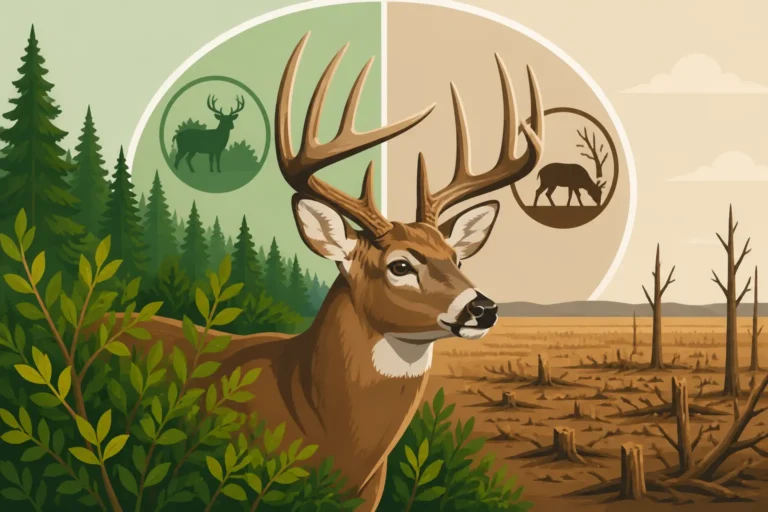
Winter mortality, often starkly referred to as "winter kill," is a natural, albeit sometimes devastating, phenomenon where significant numbers of game animals perish due to the extreme environmental stressors of a harsh winter. It’s not just about an animal freezing to death; it's a complex interplay of factors that slowly, relentlessly, saps the life out of even the toughest creatures. When we talk about winter kill in Manitoba, we’re talking about a multi-faceted challenge that wildlife faces annually, sometimes with more severe outcomes than others.
Defining Winter Mortality
At its core, winter mortality describes deaths in wildlife populations attributed directly or indirectly to winter conditions. It’s a natural regulatory mechanism that helps keep populations in check with their available habitat and food sources. While it can be disheartening to think about, it's an integral part of the ecosystem's cycle. A mild winter might see minimal losses, allowing populations to rebound strongly, while a brutal one can set game numbers back for years. It’s a constant dance between resilience and the unforgiving elements, and hunters are often among the first to notice the tangible effects on the landscape and in their hunting success.
The Energy Drain of Deep Snow
Deep snow is arguably one of the most insidious threats to big game animals in winter. Imagine trying to walk through waist-deep snow all day, every day, just to find enough to eat. That's the reality for many deer, moose, and elk in Manitoba. The act of moving through deep snow requires immense amounts of energy, often far exceeding the calories an animal can take in through its limited winter diet. This constant expenditure leads to a severe caloric deficit. Animals burn through their fat reserves rapidly, and once those are gone, they start to metabolize muscle tissue, leading to weakness, exhaustion, and ultimately, starvation. This is especially true for younger animals or those entering winter already in poor condition. You can read more about how deer move in these conditions in How Deep Snow Moves Deer Into Cover.
Role of Extreme Cold
While deep snow drains energy, extreme cold accelerates the process and adds another layer of stress. When temperatures drop significantly below freezing for prolonged periods, animals must burn even more calories just to maintain their core body temperature. This compounds the energy drain caused by deep snow. For instance, a deer might be able to find enough browse to sustain itself in moderate cold, but in a relentless cold snap combined with deep snow, that same amount of food becomes woefully insufficient. The challenge is amplified if animals are exposed to bitter winds, which strip away body heat even faster. It's a double-whammy that can quickly push animals past their breaking point, even if they aren't directly freezing to death.
Species Most Affected
While all wildlife can be impacted by severe winters, some species are inherently more vulnerable than others due to their size, metabolic rates, foraging strategies, and behavioural adaptations. Understanding these differences helps us appreciate the varying degrees of hardship different animals face when the Manitoba winter truly bites.
Whitetail Deer Vulnerabilities
Whitetail deer are often the poster children for winter kill events in Manitoba. They are incredibly susceptible to deep, persistent snow and extreme cold. Their relatively smaller body mass compared to moose or elk means they have a higher surface area to volume ratio, leading to faster heat loss. Furthermore, their relatively short legs make navigating deep snow incredibly difficult and energy-intensive. Whitetails tend to "yard up" in sheltered areas with dense cover, such as coniferous stands, to escape the wind and predators, and to create packed trails. However, if these yards become over-browsed, or if the snow is so deep that they can't move to new food sources, they can quickly starve. This is a common factor in Why Manitoba Deer Numbers Swing significantly after tough winters.
Moose and Deep Snow Challenges
Moose, with their long legs and massive bodies, are generally better equipped to handle deep snow than whitetails. They can wade through snow that would completely immobilize a deer. However, they are far from immune. Extremely deep, crusty snow can still be a significant challenge, requiring immense effort to break through. Moose also rely heavily on specific browse, like willow, aspen, and balsam fir, which can become inaccessible under heavy snowpack. Additionally, prolonged, deep snow increases their vulnerability to predators like wolves, as it limits their ability to escape or even detect threats. In some areas, these cumulative stresses have led to Manitoba's Moose Population Trend showing declines, necessitating conservation efforts.
Elk's Resilience and Weaknesses
Elk in Manitoba, often found in areas like the Duck Mountain or Riding Mountain fringes, possess a blend of resilience and specific vulnerabilities. Their larger size and longer legs give them an advantage over deer in snow, similar to moose. They are also known to be more migratory, often moving to areas with less snow or more accessible forage if conditions allow. However, even elk can suffer during exceptionally harsh winters, particularly calves and older animals. When snow is deep and crusted, it can cause leg injuries as they break through the surface. Like other herbivores, their survival hinges on finding enough quality browse, and extreme conditions can render vast swaths of their winter range unusable, leading to stress and mortality.
Impact on Upland Birds and Small Game
It's not just big game that feels the pinch of a harsh winter. Upland birds and small game also face immense challenges. Species like sharp-tailed grouse and ruffed grouse rely on specific winter cover and food sources. Deep, fluffy snow can be a blessing, providing insulation for roosting birds, but crusted snow or ice can seal off food sources like fallen seeds or buds. Snowshoe hares, while adapted to deep snow, still rely on adequate browse and cover to evade predators. A severe winter can limit their food, making them more vulnerable to predation. For all these species, if their energy reserves are depleted, they become more susceptible to disease and predation, further impacting their numbers.
Factors Contributing to Winter Kill Severity
It’s never just one thing that causes a severe winter kill. Instead, it’s a confluence of environmental factors that, when combined, create a perfect storm of hardship for Manitoba's wildlife. Understanding these variables helps us appreciate the complexity of wildlife management in our province.
The Crucial Role of Snow Depth and Duration
As we've touched on, snow depth is paramount. It dictates how much energy an animal expends to move, how accessible browse is, and how easily predators can travel. A few feet of snow for a couple of weeks is manageable; four feet for three months is a crisis. The sheer duration of deep snow is often more critical than the peak depth itself. Animals can endure a short period of intense hardship, but sustained, draining conditions inevitably lead to widespread weakness and starvation. This is why late-winter thaws followed by freezes are particularly deadly, as they create a crust that can cut an animal's legs, or trap them if they break through. Many hunters use tools, including advanced mapping features on platforms like GoHunt, to track historical snow depths and understand potential impacts on different hunting areas.
Sustained Cold Snaps
Beyond snow, prolonged periods of extreme cold are lethal. When temperatures remain in the -30s or -40s for days or even weeks on end, every calorie an animal consumes goes directly to maintaining its body temperature. This leaves little, if any, for growth, repair, or building reserves. Even animals with access to food will struggle to find enough to simply stay alive. Combine this with wind, and the effective temperature plummets even further. Animals seek whatever shelter they can find – dense conifer stands, river bottoms, or thick brush – but even there, without adequate caloric intake, the cold eventually wins. Hunting Manitoba's Winter Kill and Game Numbers requires an understanding of how these factors affect animal behaviour.
Quality and Quantity of Available Browse
What an animal eats, and how much, is the third leg of this wobbly stool. Even if snow isn't too deep and cold isn't too extreme, if the quality and quantity of available winter browse are poor, animals will still suffer. In an ideal wintering yard, deer might find plenty of nutritious woody browse, such as dogwood, maple, or young aspen. Moose rely on a variety of woody plants and aquatic vegetation in summer, switching to browse like willow and balsam fir in winter. If a wintering area has been over-browsed in previous years, or if preferred species are simply scarce, animals are forced to eat less nutritious forage. This "junk food" provides fewer calories and nutrients, exacerbating the energy drain of moving and staying warm. Areas with abundant, diverse browse can buffer the effects of deep snow and cold, providing critical sustenance. This highlights the importance of What Whitetails Eat Through a Hard Winter.
Predation Pressure in Harsh Conditions
Predation, while a natural and healthy part of the ecosystem, can also contribute to winter kill, especially when conditions are severe. Wolves, coyotes, and even lynx find it easier to prey on weakened or exhausted animals struggling through deep snow. A thick snow crust, for example, might support a lighter predator, allowing it to move quickly over the surface, while a heavy deer or moose breaks through, becoming bogged down and vulnerable. This increased predation pressure, when combined with starvation and exposure, can tip the balance for many animals, particularly the young, old, or those in poor health. It's a cruel reality of nature, but one that plays a significant role in determining how many animals survive the winter.
Long-Term Impacts on Game Numbers and Hunting
The immediate impact of a severe winter kill is tragic, but its effects ripple through the ecosystem and impact hunting opportunities for years to come. Hunters need to be aware of these longer-term consequences to manage their expectations and support sound wildlife management.
Population Recovery Timelines
The recovery of game populations after a significant winter kill is rarely swift. For species like whitetail deer, which reproduce relatively quickly, a population might start to bounce back within a few years if subsequent winters are mild and habitat is good. However, it takes time for fawns to grow into mature bucks and does capable of contributing significantly to the population. For slower-reproducing species like moose or elk, recovery can take much longer, often a decade or more. Factors such as continued mild winters, reduced predation, and robust habitat are crucial for a healthy rebound. Wildlife managers closely monitor these trends, often using aerial surveys to count How Manitoba Counts Its Game Animals and inform management decisions.
Adjustments to Hunting Seasons and Limits
One of the most direct impacts of a winter kill on hunters is the potential for adjustments to hunting seasons and bag limits. When wildlife populations are hit hard, conservation efforts often necessitate tighter restrictions to allow the animals a chance to recover. This might mean reduced antlerless permits, shorter seasons, or even temporary closures in certain Game Hunting Areas (GHAs). These decisions, though sometimes unpopular with hunters eager to get out, are vital for ensuring the long-term health and sustainability of our game populations. You might find information about these changes in the Manitoba Big Game Season Dates provided by the province.
Impact on Trophy Quality
Beyond sheer numbers, winter kill can also have a noticeable impact on trophy quality. Animals that survive a brutal winter are often in poorer condition, which can affect antler growth in deer and elk the following year. A buck that spent all its energy simply staying alive won't have the resources to put into growing a large rack. While body size can remain impressive, antler development often suffers. It takes several years of good nutrition and mild winters for bucks to regain their full potential. This means that hunters might see fewer mature, large-antlered animals in the immediate aftermath of a severe winter, even if overall population numbers are slowly recovering.
Community and Economic Repercussions
The ripple effects of a major winter kill can extend beyond wildlife and hunting seasons, impacting local communities and economies. Outfitters, guides, and related businesses that rely on a healthy hunting industry can experience significant downturns if seasons are restricted or if game numbers are low. This might include reduced bookings for Booking a Manitoba Whitetail Hunt or Booking a Manitoba Black Bear Hunt. Local gas stations, restaurants, and small businesses in hunting regions also feel the pinch as fewer hunters travel to the area. It underscores how deeply intertwined wildlife, conservation, and rural communities are in Manitoba.
Reading the Signs
As hunters, we spend a lot of time in the field, and we can often be some of the first to notice the subtle – and sometimes not-so-subtle – signs that a severe winter has taken its toll. Being able to read these signs helps us understand the health of the local game population and contributes to our own hunting strategy.
Scouting for Winter Mortality Evidence
After a tough winter, getting out to Scouting a Manitoba Game Hunting Area as soon as the snow melts can reveal direct evidence of winter kill. Look for carcasses, especially in areas where animals would typically seek shelter, such as dense bush, river bottoms, or deep draws. While nature reclaims these quickly, you might find skeletal remains, patches of hair, or tracks that end abruptly. Focus your search on wintering yards, sloughs, and areas with limited browse where animals might have been concentrated. It’s not a pleasant task, but it provides a tangible indicator of the severity of the winter's impact. Modern mapping applications, like those available on GoHunt, can help you identify historical wintering areas or dense cover where deer might have yarded up, making your scouting more efficient.
Observing Wintering Yard Health
Beyond finding actual carcasses, assessing the health of traditional wintering yards can tell you a lot. Look at the browse lines: are they unusually high, indicating animals had to reach desperately for every last twig? Are the preferred browse species heavily clipped and stripped, suggesting intense foraging pressure? Are there abundant fresh tracks, or are the trails sparse, indicating fewer animals? If you find areas that look like they've been severely over-browsed, it’s a strong sign that the animals there endured significant hardship, and many may not have made it. You can learn more about how deer utilize these areas in Where Manitoba Whitetails Bed in Deep Snow.
Utilizing Resources like GoHunt for Data
In today's digital age, hunters have access to more resources than ever to understand winter's impact. While I can't provide real-time data, many online platforms and provincial wildlife departments compile information on snow depth, temperature anomalies, and even preliminary reports on game population trends. These resources can help you correlate observed field signs with broader regional conditions. Using features on platforms like GoHunt, you can often overlay snowfall maps or historical weather data for your specific GHA, helping you piece together the puzzle of how a particular winter might have affected the deer, moose, or elk in your preferred hunting grounds. This helps you develop a more informed hunting plan for the upcoming season, complementing your own observations of Reading Sign After a Fresh Snow.
Mitigating the Effects
While we can't control the weather, there are efforts made to help mitigate the impacts of severe winters on wildlife. These range from habitat improvements to careful management strategies that aim to support robust populations even in the face of nature’s challenges.
Habitat Improvement Projects
One of the most effective long-term strategies to buffer game populations against winter kill is habitat improvement. This focuses on increasing the quantity and quality of winter forage and cover. For instance, selective logging can create new growth that serves as critical browse for deer and moose. Planting conifers can enhance winter thermal cover, protecting animals from the worst of the wind and cold. Maintaining diverse age classes of forest, creating food plots in strategic locations (where legal and appropriate), and protecting wetlands all contribute to a healthier, more resilient ecosystem. These efforts don't prevent winter kill entirely, but they can significantly reduce its severity by giving animals better resources to draw upon.
Supplemental Feeding Controversies
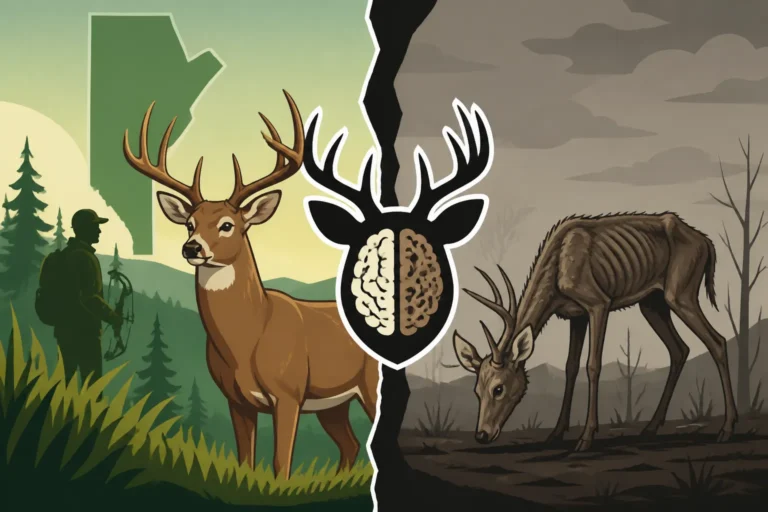
The idea of supplemental feeding often arises after a tough winter, as hunters and concerned citizens want to help struggling animals. However, this is a highly controversial practice in wildlife management. While it might seem compassionate, supplemental feeding can often do more harm than good. It can concentrate animals in unnaturally high densities, increasing the risk of disease transmission (like Chronic Wasting Disease), encouraging dependence on artificial food sources, and altering natural migration patterns. It can also lead to digestive issues if animals suddenly consume food they're not accustomed to, or if the wrong type of feed is used. In many jurisdictions, including parts of Manitoba, supplemental feeding is discouraged or even illegal for these reasons. It's a complex issue with no easy answers.
Adaptive Management Strategies
Manitoba's wildlife managers employ adaptive management strategies to respond to winter kill events. This means continuously monitoring game populations, assessing the severity of winter mortality, and adjusting hunting regulations as needed. If a GHA has experienced a particularly bad winter, managers might reduce tag allocations, shorten seasons, or implement Manitoba's Moose Conservation Closures to give the affected species a chance to recover. These decisions are not made lightly and are based on scientific data, aerial surveys, and field reports. While frustrating for hunters in the short term, these adaptations are critical for ensuring sustainable hunting opportunities for future generations, helping to manage What a Hard Manitoba Winter Culls.
Disclaimer
This article is for general informational purposes only and does not constitute professional advice. Laws, prices and regulations vary by location and change over time. Consult a qualified professional for guidance on your specific situation.