Guided Hunts for a First-Time Hunter
Embarking on your very first hunting adventure can feel incredibly daunting, especially when you're dreaming of the vast, wild landscapes of Manitoba. There's so much to learn – from understanding local game movements and mastering tracking to deciphering complex regulations and simply navigating unfamiliar territory. It's enough to make anyone's head spin! This comprehensive guide is here to unravel the mystery, showing you why a guided hunt is often the best path for a first-timer and how to make the most of that incredible experience in Manitoba's stunning outdoors.
Why a Guided Hunt is a Game Changer for First-Time Hunters in Manitoba
For many aspiring hunters, the idea of heading into the wilderness alone, or even with an equally inexperienced friend, can be overwhelming. Manitoba's diverse terrain, from the rugged Canadian Shield to the sprawling farmland and dense boreal forests, presents unique challenges and opportunities. A guided hunt cuts through much of this initial complexity, providing a supportive, educational, and often more successful entry into the world of hunting.
Overcoming the Learning Curve
Imagine stepping into a new sport without a coach or a mentor. That's what DIY hunting can feel like for a beginner. Manitoba's animals behave differently in different habitats and at various times of the year. Knowing where to find game, what signs to look for, and the most effective hunting strategies in a specific area takes years of observation and trial and error.
A professional guide brings a lifetime of local knowledge and honed skills directly to your experience. They've spent countless hours scouting, understanding game patterns, and adapting to the ever-changing environment. They can teach you how to identify tracks and rubs, how to move quietly through the bush, and how to effectively call animals into range. For example, learning the nuances of rattling or grunt calls for whitetails in the open parkland is vastly different from deciphering moose vocalizations in the dense boreal forest. A guide significantly shortens this steep learning curve, giving you practical, real-time education that no amount of reading can replace. They know the subtle shifts in animal behaviour that come with a change in weather or time of day, offering insights that are priceless for a new hunter. It's like having a seasoned professor right there in the field with you, pointing out everything from subtle deer trails to the exact moment to draw your bow. They can identify the ideal locations for placing a stand or setting up a ground blind, based on years of observing Hunting a Manitoba Bush Edge or understanding Reading Sign After a Fresh Snow.
Safety, Logistics, and Local Expertise
Beyond the hunting techniques, the sheer logistics of a hunting trip can be a huge hurdle. For a first-timer, understanding all the regulations, securing the right licenses, navigating remote areas, and ensuring safety in potentially harsh conditions can be daunting. Manitoba has specific rules regarding everything from Manitoba Big Game Season Dates to Blaze Orange Rules and Exceptions, and making a mistake can be costly.
Outfitters and guides handle almost all of these complexities. They know the current regulations inside and out, ensuring your hunt is fully compliant. They manage accommodations, meals, and transportation within the hunting area, often in comfortable camps or lodges. This frees you up to focus purely on the hunting experience. More importantly, guides prioritize safety. They know the terrain, understand first aid, and are equipped for emergencies, providing a crucial layer of security, especially in Manitoba's more remote regions. Furthermore, a licensed outfitter often has access to prime hunting grounds, including private lands where they have established relationships with landowners, which can be incredibly difficult for an individual to secure. This can be especially important in areas where Getting Private Land Permission in Manitoba is crucial for access to prime hunting spots. They also ensure that you've completed all necessary steps, such as meeting the Manitoba Hunter Education Requirements.
Finding Your Perfect First Guided Hunt in Manitoba
Once you've decided a guided hunt is the way to go, the next step is figuring out what kind of hunt you want and who to go with. Manitoba offers a wide array of opportunities, and matching your expectations with the right outfitter is key to a memorable first experience.
Deciding on Species and Type of Hunt
Manitoba boasts incredible hunting for various species, each offering a distinct experience. For a first-time hunter, some species or hunt styles might be more approachable.
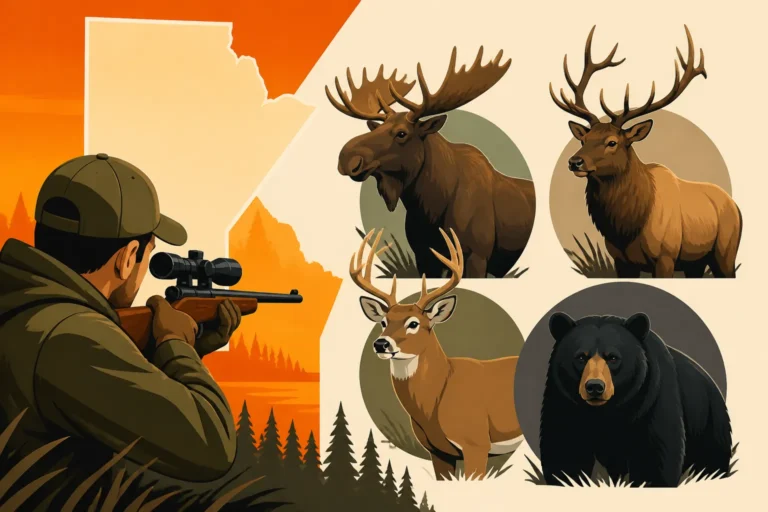
- Whitetail Deer: Manitoba is renowned for its trophy whitetails. Many guided deer hunts involve hunting from heated blinds or treestands, which can be less physically demanding and offer a comfortable introduction to sitting still and observing. These hunts are incredibly popular, and you can learn a lot about deer behaviour from a guide in these settings. Take a look at Whitetail Hunting in Manitoba for more information.
- Black Bear: Spring black bear hunts, often conducted over bait, boast very high success rates. This can be a fantastic first big game hunt as it involves patience and precise shot placement, but generally less strenuous walking or tracking. Guides are adept at judging bears and ensuring a safe, ethical harvest. If this sounds like your speed, check out Black Bear Hunting in Manitoba.
- Waterfowl: If you're looking for high-volume action and an exciting group experience, Manitoba's waterfowl hunting is world-class. Field hunts for geese and ducks involve large decoy spreads and calling, with plenty of shooting opportunities. This can be a fantastic way to experience hunting without the solitary intensity of big game. Waterfowl Hunting Manitoba's Grain Fields offers a thrilling experience.
Consider your physical capabilities, your comfort level with different types of hunting, and what kind of experience truly excites you. Do you want the thrill of a stalk, or the patient waiting game from a blind?
Researching and Choosing an Outfitter
This is perhaps the most critical step. Not all outfitters are created equal, and finding one that caters specifically to first-time hunters is paramount.
Start by looking for outfitters who explicitly mention beginner-friendly packages or have a reputation for patient, educational guiding. Don't be afraid to ask for references from previous clients, especially those who were also first-timers. Online platforms can be incredibly helpful here. For instance, BookYourHunt and GoHunt are excellent resources where you can browse numerous Manitoba outfitters, read detailed descriptions of their packages, and filter by species, season, and even hunt type. These sites often feature reviews from past clients, giving you a transparent look at what others experienced. When contacting outfitters, ask specific questions:
- What is their hunter-to-guide ratio? For a first-timer, a one-on-one guide is ideal for personalized attention, though a two-on-one can also work well if you're hunting with a friend. One-on-One Versus Two-on-One Guiding can impact your experience significantly.
- What is typically included in their "first-timer" or "introductory" package? Some outfitters go above and beyond to ensure new hunters feel supported. Review What a Guided Deer Hunt Includes to understand typical inclusions.
- What are their success rates, and what do those rates actually mean (e.g., opportunity vs. harvest)? Be wary of guarantees, as hunting inherently has no certainties. Manitoba Outfitters Who Guarantee Nothing are often more honest.
- Can they accommodate specific physical needs or preferences?
Ultimately, trust your gut. A good outfitter will be happy to answer all your questions thoroughly and patiently.
Understanding Costs and Inclusions
Guided hunts are an investment, and understanding the financial aspect upfront will prevent any surprises. The cost of a guided hunt varies significantly based on the species, duration, level of luxury, and inclusions.
For example, What a Manitoba Guided Whitetail Hunt Costs will likely differ from Manitoba Black Bear Hunt Prices. Beyond the base package price, remember that licences and tags are almost always an additional cost. You'll need to factor in your Manitoba Resident Hunting Licence Cost or, if you're coming from out of province or country, a non-resident licence, plus the specific Manitoba Big Game Tag Cost Per Species for your chosen animal. Tipping your guide and camp staff is also a customary and important part of the experience, and it's wise to budget for this.
Typical Inclusions in a Guided Hunt Package
| Category | Often Included | Often NOT Included (Budget Separately) |
|---|---|---|
| Hunting Services | Professional guide, scouting, field transportation | Extra hunt days beyond package, non-trophy fees |
| Accommodation | Lodging at camp or lodge, basic amenities | Hotel stays before/after hunt, premium upgrades |
| Food & Drink | Meals, non-alcoholic beverages in camp | Alcohol, snacks, special dietary requests (sometimes extra) |
| Game Handling | Field dressing, initial caping, transport to processor | Meat processing, taxidermy, shipping of meat/trophy |
| Licences & Tags | Not included (must purchase separately) | Licence fees, species tags, draw application fees |
| Travel | Local transportation within hunting area | Travel to/from Manitoba, flights, vehicle rental |
| Personal Gear | Some outfitters may have basic loaners | Hunting clothing, personal firearms/bows, optics, ammunition |
| Gratuities | Not included | Tips for guides, cooks, camp staff |
Always get a clear, itemized breakdown from the outfitter of exactly what is included in your package versus what you'll be responsible for. Many outfitters list these details on their websites, which you can often find through platforms like BookYourHunt or GoHunt.
Preparing for a Successful First-Time Guided Hunt
Once you've booked your hunt, the anticipation truly begins! Proper preparation is crucial to ensure you're physically, mentally, and practically ready to make the most of your adventure.
Physical and Mental Conditioning
While a guided hunt might remove some of the strenuous scouting and tracking, being in reasonable physical shape will significantly enhance your experience. You might still need to walk to and from blinds, help retrieve game, or navigate uneven terrain. Simple activities like daily walks, light hiking, or even just being comfortable on your feet for extended periods will make a difference.
Mentally, prepare for the realities of hunting. It involves early mornings, sitting still for long periods (often in quiet solitude), and dealing with varying weather conditions. Sitting All Day in a Manitoba Blind requires mental fortitude and patience. Acknowledge that hunting isn't always successful, and embrace the entire experience – the challenge, the beauty of nature, the camaraderie with your guide – not just the harvest. Have an open mind and be ready to learn.
Gear Essentials and Packing Smart
Your outfitter will provide a detailed packing list, and it's imperative that you follow it closely. Manitoba weather can be notoriously unpredictable, especially during hunting seasons.
- Layering is Key: Think in layers. A good base layer to wick moisture, an insulating mid-layer for warmth, and a waterproof/windproof outer layer are essential. Dressing for Manitoba's November Cold means different considerations than a warmer September hunt.
- Footwear: Invest in high-quality, comfortable, waterproof boots. You'll be spending a lot of time in them, and cold, wet feet can quickly ruin a hunt. For long hours in a stand, insulated boots are non-negotiable. Check out tips for Boots for Sitting Still in Deep Cold.
- Weapon: Discuss your firearm or bow with your outfitter well in advance. Ensure it's sighted in and you're proficient with it. Understand Legal Firearms and Bows for Big Game regulations. Bring enough ammunition for practice and the hunt itself.
- Optics: Binoculars are invaluable for spotting game and evaluating animals before taking a shot.
- Personal Items: Don't forget medications, toiletries, a headlamp or flashlight, a small backpack for daily essentials, and a good camera to capture memories. For spring or early fall hunts, a quality bug spray can be a lifesaver; Bug Season on a Spring Manitoba Hunt can be intense.
Pack smart, anticipating temperature swings and precipitation. Your guide relies on you being prepared for the conditions.
Pre-Trip Communication with Your Outfitter
Don't be shy about communicating with your outfitter in the weeks and days leading up to your trip. This helps manage expectations for both sides.
- Confirm Travel: Double-check your arrival and departure times, and confirm any planned transportation to and from camp.
- Honest Self-Assessment: Be upfront about your hunting experience level and physical condition. This allows your guide to tailor the hunt to your abilities and ensure you have the best possible experience.
- Shot Expectations: Discuss typical shooting distances and practice accordingly. Ask what Shooting Distances on a Manitoba Hunt are common for your chosen species and terrain.
- Meat and Trophy Plans: Reiterate your wishes regarding meat processing, caping, and shipping your trophy. Understanding these logistics beforehand will make the post-hunt process smoother. For instance, knowing the rules for Taking a Trophy Across the Border is crucial if you're an international hunter. Platforms like GoHunt often provide tools and checklists to help you organize all this communication and ensure no detail is missed, making your pre-trip planning seamless.
The Hunt Itself and Post-Hunt Considerations
The moment you've been waiting for has arrived! A guided hunt is more than just trying to harvest an animal; it's an immersive experience designed to teach you, challenge you, and create lasting memories.
Embracing the Experience and Learning
Once you're in camp and in the field, listen intently to your guide. They are your eyes, ears, and wisdom in the bush. Observe how they move, how they glass, how they interpret fresh sign. Ask questions, even if they seem basic – a good guide loves to share their knowledge. This is your chance to absorb years of experience in just a few days.
Patience is a hunter's greatest virtue, and this holds true on a guided hunt. There will be long periods of quiet waiting, early mornings, and perhaps even some tough weather. Embrace it all as part of the adventure. Enjoy the pristine Manitoba wilderness, the sounds of the forest, and the sheer challenge of the pursuit. Every moment, successful or not, is a learning opportunity.
Ethical Considerations and Responsibilities
As a hunter, you have an ethical responsibility to the animals and the land. Your guide will reinforce these principles, but it's important to internalize them yourself.
- Shot Placement: Ensure you are confident in your shot and aim for a clean, ethical kill. Your guide will help you determine when you have a good shot opportunity, but the decision to squeeze the trigger or release the arrow is ultimately yours.
- Respect the Animal: After a harvest, approach the animal with respect. Your guide will assist with field dressing and recovery, but offer to help where you can.
- Tagging: Understand Manitoba's tag validation rules and ensure your tag is immediately and correctly validated once an animal is down. This is a crucial legal requirement. Follow Manitoba Tag Validation Rules precisely.
Your involvement, eagerness to learn, and adherence to ethical hunting practices will not only make you a better hunter but also deepen your respect for the animals and the environment.
After the Shot: Meat and Memories
Should you be successful, the work (and a different kind of reward) begins. Your guide will expertly assist with field dressing, getting the animal out of the bush, and preparing it for transport. This is often an incredible feat of teamwork, especially with large game like moose or bear.
Discuss your preferences for meat processing and taxidermy with your outfitter. Many camps have arrangements with local butchers and taxidermists, or they can help you transport your game to one. Understanding the rules for Getting Meat Processed in Manitoba or Shipping Meat Home From Manitoba is important, especially if you're travelling a long distance. For trophy animals, your guide will typically cape the animal for the taxidermist. Learn about What Shipping a Cape and Antlers Costs if you plan to send your trophy home. Take plenty of photos to commemorate your achievement – these memories will be cherished for a lifetime.
If you harvested a deer in certain areas, your guide will also help you understand and comply with Manitoba's CWD Sampling Requirements, ensuring you play your part in wildlife health monitoring.
Disclaimer
This article is for general informational purposes only and does not constitute professional advice. Laws, prices and regulations vary by location and change over time. Consult a qualified professional for guidance on your specific situation.