What Manitoba Guides Expect You to Shoot
One of the trickiest parts of heading out on a guided hunt, especially if it’s your first time in a new area like Manitoba, is the unspoken tension about what your guide expects you to shoot. You've invested time, money, and dreams into this trip, and you want to make the most of it, but what if your definition of "making the most of it" doesn't align with your guide's? This guide is all about shedding light on those expectations, helping you understand the unspoken rules, and ensuring you have a fulfilling and ethical hunting experience that leaves everyone happy.
Navigating the Unspoken Rules of Guided Hunts
It's completely normal to feel a bit of pressure when you're on a guided hunt. You're not just hunting for yourself; you're often hunting with a professional whose livelihood depends on client satisfaction and success. This can lead to some hunters feeling like they have to shoot the first legal animal they see, or hold out for a record book animal, simply because they perceive that’s what the guide wants. The reality is usually far more nuanced, and it all boils down to communication, understanding the guide's role, and being realistic about the conditions.
Think about it from your guide's perspective. They’ve spent countless hours scouting, setting up stands, checking trail cameras, and understanding animal movements. Their goal is to put you in the best possible position to succeed within legal and ethical bounds. However, "success" can mean different things to different people. For some, it’s harvesting any legal animal for the freezer; for others, it’s a specific size or age class. The disconnect often happens when these expectations aren't openly discussed before the hunt even begins.
Understanding Your Guide's Primary Objective
At its core, a Manitoba guide's objective is to provide you with a safe, enjoyable, and successful hunting experience. "Successful" usually means giving you a legitimate opportunity to harvest the species you’re after. It's not always about landing a trophy, although many guides take immense pride in helping clients achieve that. More often, it's about connecting you with an animal that aligns with your agreed-upon goals.
Success Beyond the Shot
Sometimes, success isn't just about pulling the trigger or releasing an arrow. A truly great guide understands that the overall experience matters. This includes the camaraderie in camp, learning about the local ecosystem, enjoying Manitoba's breathtaking landscapes, and feeling the thrill of the chase, even if the target animal eludes you on a particular day. Guides want you to come back, to recommend them, and to have stories that aren't just about a kill, but about the adventure itself. They want you to leave feeling satisfied, not disappointed. Many outfitters listed on platforms like BookYourHunt emphasize the full experience, not just the harvest.
The Role of Realistic Expectations
It’s crucial for you, as the hunter, to come into a guided hunt with realistic expectations. Wildlife is wild. Weather changes, animals move, and sometimes, despite everyone’s best efforts, the perfect opportunity just doesn’t materialize. A guide can’t control every variable, but they can control their effort and professionalism. They expect you to understand this and to appreciate the hard work they put in, regardless of the final outcome. Conversely, a guide expects you to be proficient with your weapon and ready when the moment arrives. They don't want you to take a shot you're not confident in, but they do expect you to capitalize on a good, ethical shot opportunity.
Species-Specific Shooting Expectations
The type of animal you're hunting in Manitoba will heavily influence what your guide expects in terms of the animal's size, condition, and the shot itself.
Whitetail Deer: Meat, Management, and Trophies
For many clients coming to Manitoba, especially for Whitetail Hunting in Manitoba, the goal is often a mature buck. Guides understand this.
- Mature Bucks: If you've booked a trophy whitetail hunt, your guide will typically expect you to pass on smaller, younger bucks. They're often managing their deer herds for quality, and allowing younger animals to walk benefits future seasons. They'll spend a lot of time educating you on how to judge deer in the field, sometimes even using specific benchmarks like antler width outside the ears or beam length. Don't be surprised if your guide specifically tells you not to shoot a particular deer. This isn't them telling you what to do for ego; it's often part of their management plan, and you're paying for their expertise and access to those managed animals.
- Meat Animals/Second Tags: If your primary goal is meat, or if you're holding a Manitoba's Second Deer Licence Rules tag, the expectations shift. Your guide might direct you to take a doe or a smaller buck, as long as it's legal. This is a great option for filling the freezer without the pressure of a trophy hunt. They’ll expect you to be clear about this preference from the start.
Guides generally expect you to take an ethical, high-percentage shot on the animal. A wounded animal means lost meat and a challenging, potentially unsuccessful, tracking job, which is frustrating for everyone. Discuss preferred shot angles and distances with your guide before you even step into the woods.
Black Bear: Judging Size and Ethical Shots
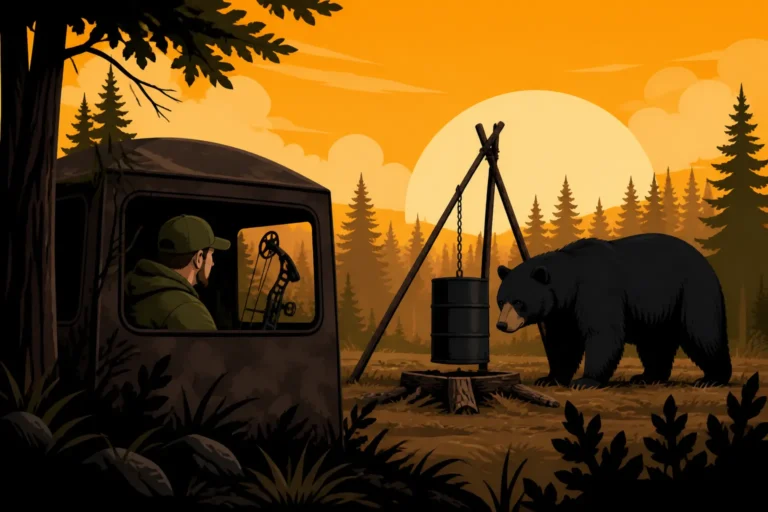
Black Bear Hunting in Manitoba usually involves baiting. When a bear comes to the bait, judging its size can be incredibly difficult, especially for first-time bear hunters.
- Judging Boars vs. Sows: Your guide's most crucial expectation will often be for you to not shoot a sow with cubs, or a small bear. They'll train you on how to identify a mature boar versus a younger bear or a sow. This often involves looking at head size, body mass, ear placement, and how the bear moves around the bait site. Guides want to ensure a sustainable bear population and avoid accidental harvest of sows with dependent cubs.
- Broadside Shot: Like deer, guides will expect you to wait for a broadside or slightly quartering-away shot at the bait. Bears can be tough animals, and good shot placement is paramount for a quick, clean kill. They'll usually have measured distances from the stand to key spots around the bait to help you.
Your guide will likely have specific instructions on when to shoot and when to wait. Patience is often the biggest expectation on a bear hunt.
Waterfowl: Identifying Species and Calling the Shot
Waterfowl Hunting Manitoba's Grain Fields is a fast-paced game, and the expectations are different.
- Species Identification: Guides absolutely expect you to know your birds. Manitoba has strict bag limits and specific seasons for different duck and goose species. Shooting a protected species or exceeding your limit is a serious offense. Your guide will expect you to be able to identify the birds in the air quickly and accurately.
- Calling the Shot: Often, the guide or an experienced member of the party will "call the shot," telling everyone when to rise and shoot. This ensures safety and maximizes the chances of birds being in range. They expect you to follow these calls.
- Ethical Range: Guides expect you to shoot birds that are within ethical range. "Sky-busting" – shooting at birds too high – often results in wounded birds that fly off to die elsewhere, which is a waste and poor sportsmanship. They want clean kills within the effective range of your shotgun and chosen load.
For waterfowl, communication about safety and target acquisition is key. GoHunt and other resources often have excellent material on species identification that can help you prepare.
Moose and Elk: Patience and Ethical Recovery
Hunting larger big game like moose or elk in areas like Moose Hunting Manitoba's Boreal Country involves immense effort and high stakes.
- Patience for Quality: For moose and elk, especially if you've drawn a coveted tag through Manitoba's Big Game Draws, your guide will likely expect a high degree of patience. They're looking for a mature animal, and they've invested significant time in scouting. They expect you to hold out for the best possible animal that presents an ethical shot.
- Tracking and Recovery: Due to their size and the often-dense terrain they inhabit, moose and elk can be incredibly tough to recover if not shot well. Your guide expects you to put a lethal shot on the animal to ensure a quick, clean kill and minimize tracking. They also expect your full effort in the challenging recovery process. Quartering a Moose Alone in the Bush or Getting a Moose Out With a Quad are monumental tasks, and your guide will expect your assistance where safe and appropriate.
The Power of Pre-Hunt Communication
The single most important factor in aligning expectations is clear, open, and honest communication with your guide before your hunt begins.
Before You Book
When you're first looking at Hunting Guides and Outfitters in Manitoba, don't be shy about asking direct questions. This isn't just about price; it's about understanding the hunt's philosophy.
- "What are your typical success rates, and what does 'success' mean for your operation?" Some outfitters define success as "opportunity," others as "harvest."
- "What size of animal do most of your clients harvest?" Ask for pictures of past clients and discuss if that aligns with your goals.
- "What is your philosophy on passing up animals?" Are they strictly trophy-focused, or are they happy if you fill your tag with a mature doe or a younger bull if that's what you prefer?
- "What happens if I wound an animal but don't recover it?" This is a critical discussion. Some outfits consider a wounded animal a harvested animal, and your hunt may be over.
This pre-booking conversation sets the stage. Many reputable outfitters, often found on sites like GoHunt, will appreciate your thoroughness.
When You Arrive in Camp
Once you're in camp, have another conversation. Reiterate your personal goals for this specific hunt.
- "My primary goal is to fill the freezer, so I'm happy with any legal deer, but I'd also love to see a big buck."
- "I'm really hoping for a mature bull elk, and I'm prepared to hold out for several days if needed."
- "I want to make sure I'm only shooting big boars, so please help me confirm size before I shoot."
This is also the time to discuss your comfort level with different shot distances, weapon proficiency, and any physical limitations you might have. If you’re not comfortable with a 300-yard shot, tell your guide! They need to know so they can work within your capabilities.
During the Hunt
Maintain open communication throughout the hunt. If you see an animal and aren't sure, ask your guide. If you need a moment to steady yourself, say so. Guides want you to be successful, but more importantly, they want you to be safe and ethical.
Ethical Considerations and Fair Chase
Manitoba guides operate under strict regulations and a strong ethical code. They will never expect you to do anything that compromises fair chase principles or violates local laws. This is non-negotiable.
Legality Above All Else
Your guide's primary expectation, even above client satisfaction, is adherence to all hunting regulations. This includes:
- Proper Licences and Tags: Ensuring you have all necessary Manitoba Hunting Licences and What They Cost and species tags.
- Season Dates and Bag Limits: Only hunting within legal seasons and respecting bag limits for Manitoba Big Game Season Dates or Manitoba Game Bird Seasons and Limits.
- Legal Means and Methods: Using legal firearms, bows, or other equipment as defined by provincial regulations. Legal Firearms and Bows for Big Game are clearly outlined.
- Blaze Orange Requirements: Adhering to Blaze Orange Rules and Exceptions.
- Respecting Closures: Being aware of areas with Manitoba's Moose Conservation Closures or other restrictions.
A good guide will constantly reinforce these rules, and they expect you to know and follow them. Any reputable outfitter on BookYourHunt or GoHunt will emphasize this.
The Fair Chase Ethic
Guides are often passionate conservationists. They expect hunters to embody the spirit of fair chase, which means:
- No Unfair Advantage: Not using motorized vehicles to pursue game, not shooting from a road if prohibited, and generally respecting the animal's ability to evade capture.
- Ethical Shot Placement: Always striving for a quick, humane kill. They don't expect you to take risky shots that have a high probability of wounding an animal without recovery.
- Respect for the Animal: This includes proper Meat Care in Manitoba's Cold Snaps and avoiding waste.
They expect you to treat the animals, the land, and the hunting tradition with respect. If you’re ever unsure about the legality or ethics of a situation, ask your guide. That’s what they’re there for.
Preparing for Your Guided Hunt
Preparation on your end goes a long way in meeting your guide's expectations and ensuring a successful hunt.
Physical and Mental Readiness
- Physical Fitness: Many Manitoba hunts, especially for big game in the bush, can be physically demanding. Your guide expects you to be in reasonable shape to handle walking, tracking, and the strenuous work of animal recovery.
- Mental Fortitude: Patience is a virtue in hunting. Guides expect you to be prepared for long hours, adverse weather, and potentially slow periods. A positive attitude, even when conditions are tough, makes a huge difference in camp morale.
- Proficiency with Your Weapon: This cannot be stressed enough. Your guide expects you to be intimately familiar and proficient with your rifle, bow, or shotgun. Practice shooting from various positions, at different distances, and under pressure if possible. Know your weapon's limitations and your own.
Gear and Clothing
Your guide will provide a packing list, and they expect you to follow it. Dressing for Manitoba's November Cold or preparing for spring bugs are critical. If you show up unprepared for the elements, it impacts your comfort, your ability to hunt effectively, and potentially the safety of the entire party. They're not being picky; they're ensuring your safety and success in the often-challenging Manitoba environment.
| Aspect of Hunt | Guide's General Expectation | Hunter's Responsibility |
|---|---|---|
| Harvest Goal | Aligned with discussed trophy/meat preference; ethical kill | Clearly communicate goals (trophy vs. meat); be realistic |
| Animal Quality | Pass on small/young animals if trophy hunt; respect management | Understand and respect guide's management plan and guidance |
| Shot Placement | Quick, humane kill; high-percentage shot | Practice; know your effective range; wait for good shot |
| Species ID | Correctly identify legal species (especially waterfowl) | Study local species; confirm with guide before shooting |
| Safety | Adherence to all safety protocols; firearm handling | Follow all safety rules; listen to guide's instructions |
| Regulations | Strict compliance with all hunting laws and tag requirements | Possess valid licenses/tags; understand local regulations |
| Physical Effort | Willingness to participate in tracking/recovery | Be physically prepared for the hunt; assist as able |
| Communication | Open, honest, and continuous dialogue | Ask questions; express concerns; confirm understanding |
| Weapon Proficiency | Ability to make an ethical shot with chosen weapon | Practice regularly; be confident in your equipment |
| Attitude | Positive, patient, and respectful demeanor | Maintain good morale; appreciate the experience and effort |
Ultimately, your guide expects you to be a good partner in the hunt – someone who is prepared, communicative, ethical, and eager to learn and enjoy the experience, regardless of whether you punch your tag on a record-book animal or a freezer filler. When you communicate your goals clearly and come prepared, you'll find that your guide's expectations are very much in line with your own desire for a memorable and successful hunting adventure in Manitoba.
Disclaimer
This article is for general informational purposes only and does not constitute professional advice. Laws, prices and regulations vary by location and change over time. Consult a qualified professional for guidance on your specific situation.