One-on-One Versus Two-on-One Guiding
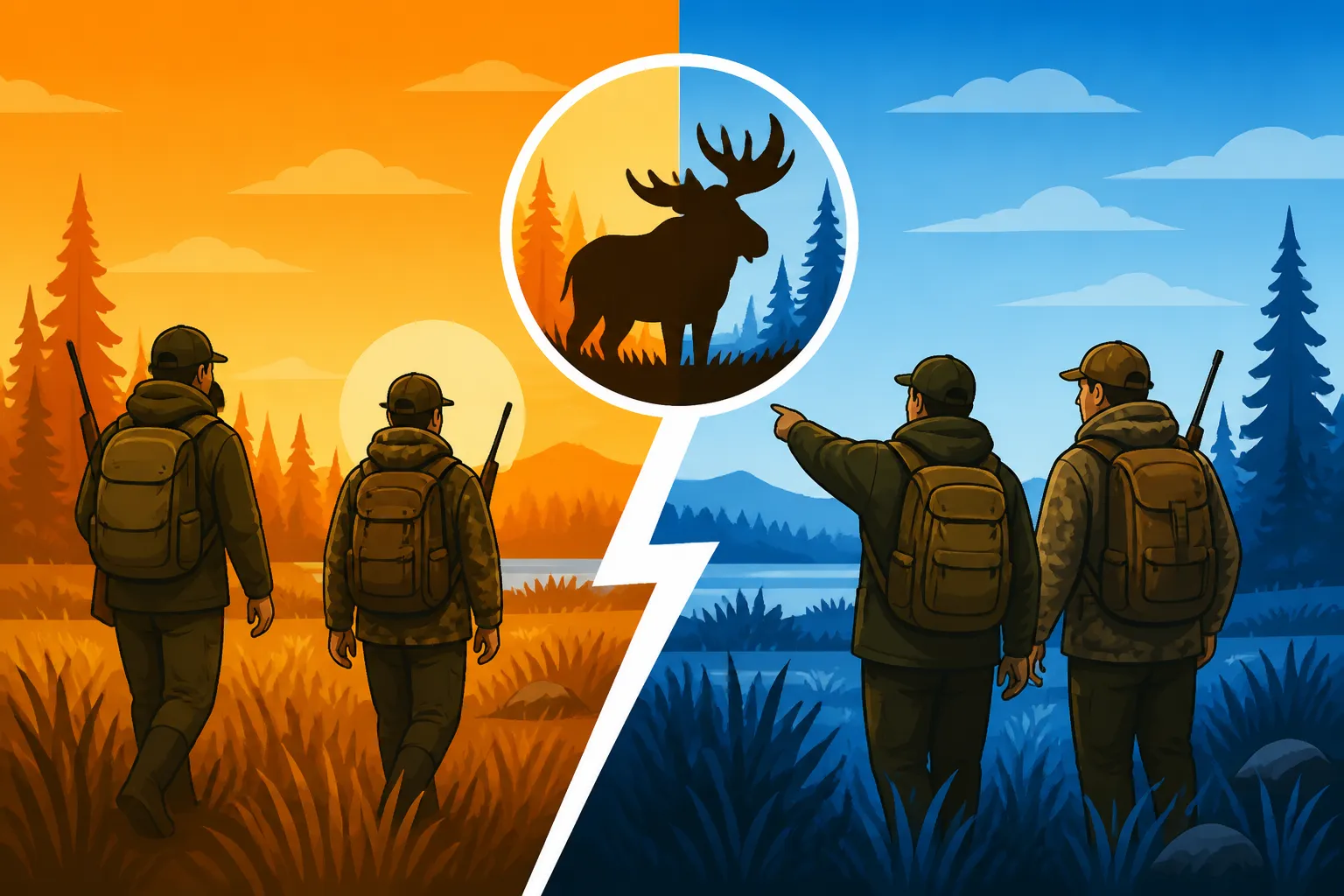
When you're dreaming of a hunting trip to the vast and beautiful landscapes of Manitoba, one of the biggest decisions you'll face when booking a guide isn't just who to hunt with, but how many hunters will be with that guide. This often boils down to the choice between a one-on-one (1:1) or two-on-one (2:1) guiding ratio. This choice isn't just about the number of people; it deeply impacts your overall experience, the guide's attention, and, let's be honest, your wallet. This guide will help you unpack the nuances of these guiding styles so you can make the best choice for your next Manitoba adventure.
Understanding the Basics of Guiding Ratios in Manitoba
Before diving into the pros and cons, let's lay a clear foundation of what these guiding ratios actually mean in the practical world of Manitoba hunting. It's more than just simple math; it's about the entire dynamic of your time in the field.
What "One-on-One" (1:1) Guiding Truly Means
When an outfitter talks about a one-on-one hunt, it's exactly as it sounds: you, the hunter, will have one dedicated guide assigned solely to you for the duration of your trip. This is often considered the premium experience, and for good reason.
Imagine you're pursuing a mature whitetail buck in the aspen parklands of Manitoba, trying to pattern a specific animal you've seen on trail camera. With a 1:1 guide, their entire focus, from the moment you wake up to the time you hit the sack, revolves around your hunt. They're constantly scouting, planning stand locations, tracking fresh sign, and adapting to changing conditions based entirely on your preferences and the movement of your target animal. There's no split attention, no compromise on strategy for another hunter. If you decide to Sit All Day in a Manitoba Blind, your guide is committed to that with you. This intense, singular focus means that every decision, every move in the bush, every strategy employed, is tailored specifically to maximize your chances and enhance your personal experience. This level of dedicated service naturally comes with a higher price tag, but for many, the investment in a completely personalized hunt is invaluable.
What "Two-on-One" (2:1) Guiding Entails
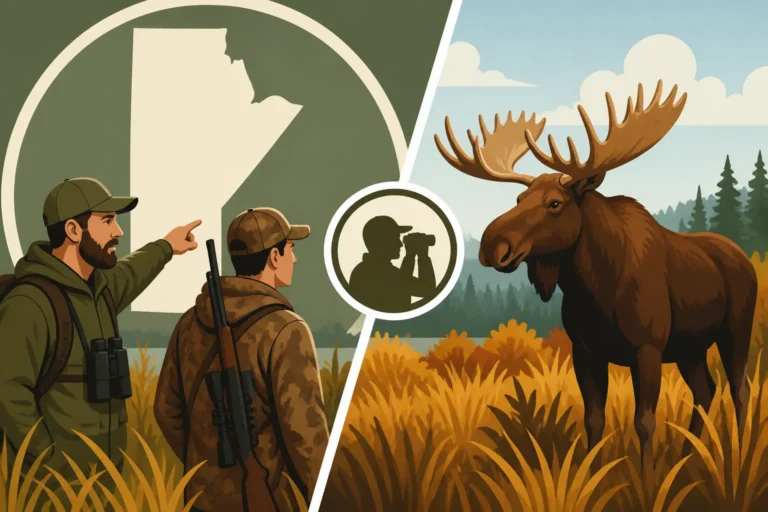
A two-on-one guiding ratio means that two hunters share one guide. This setup is incredibly popular, especially for groups of friends, spouses, or parent-and-child teams looking to share a hunting experience.
Consider two buddies planning a Black Bear Hunting in Manitoba trip. The guide will manage the bait sites, ensure both hunters are positioned safely and effectively, and provide assistance to both as needed. The guide's attention and resources are effectively split between two individuals. While the guide is still highly dedicated and professional, their time in the field will involve balancing the needs, questions, and opportunities for both hunters. This might mean compromises on certain aspects, such as the exact timing of a move, the specific stand location, or even which animal to prioritize if opportunities arise for both simultaneously. For example, if two hunters are in the same blind, and a bear comes in, the guide must help both hunters assess the animal and determine who takes the shot, ensuring safety and fair opportunity. This shared approach significantly reduces the individual cost of the hunt, making it a more accessible option for many. It fosters camaraderie and allows for a shared adventure, which is a huge draw for many hunters.
Beyond the Numbers: The Guide's Role
Regardless of the ratio, a good Manitoba hunting guide is far more than just someone who points you to an animal. They are seasoned experts in the local terrain, wildlife behaviour, and hunting regulations. They are often your driver, cook, camp host, tracker, and a wealth of local knowledge. They possess invaluable skills like Scouting a Manitoba Game Hunting Area and Reading Whitetail Sign in Manitoba Aspen.
The guiding ratio directly influences how much direct interaction, hands-on instruction, and personal assistance you'll receive from your guide throughout your hunt. In a 1:1 scenario, that connection is constant and deep. In a 2:1 setting, while still robust, it's necessarily shared. Understanding this fundamental difference is key to managing your expectations and ensuring you pick the right experience for your style.
The Advantages and Disadvantages of One-on-One Guiding
Choosing a one-on-one guiding experience is like opting for the VIP treatment in the hunting world. It promises an unparalleled level of service and personalization, but it also comes with its own set of considerations.
Unparalleled Focus and Flexibility
The primary benefit of a 1:1 hunt is the undivided attention you receive from your guide. This means your hunt can be completely customized to your preferences, skill level, and physical capabilities. If you're an experienced bowhunter targeting a specific whitetail buck during Hunting Manitoba's September Archery Opener, your guide can dedicate all their efforts to patterning that particular animal, setting up precisely for your shot, and adjusting tactics on the fly based on your input. There's no need to consult with another hunter about moving stands, waiting longer, or changing locations. The entire focus is on what you want to achieve and how you want to hunt.
For instance, a hunter with specific trophy criteria or mobility challenges will find immense benefit in a 1:1 ratio. The guide can adapt immediately to changing weather conditions, animal movements, or your personal needs without having to consider another individual's desires or limitations. This level of seamless, on-the-spot decision-making often leads to a more fluid and less stressful hunting experience. Every aspect, from the timing of your departure from camp to the method of hunting (e.g., still-hunting, stand hunting, spot-and-stalk), can be finely tuned to your individual desires.
Elevated Success Potential and Experience
While no reputable outfitter can guarantee success, a 1:1 guiding ratio often contributes to a higher likelihood of achieving your hunting goals. With a guide focused solely on you, there's more time dedicated to in-depth scouting, interpreting subtle animal signs, and positioning you in the absolute best spot for an opportunity. The guide can respond to a sudden change in wind, a fresh track, or an unexpected animal sighting without having to manage another hunter's simultaneous needs. This heightened responsiveness can be critical in sealing the deal on a challenging animal.
Furthermore, for those looking to learn and grow as hunters, the 1:1 experience offers intensive, direct coaching. Whether you're trying to perfect your Rattling Volume in Open Parkland technique or understand nuances of game behavior, your guide can provide real-time, personalized instruction. This makes it an excellent choice for a newer hunter or someone looking to refine specific skills. The primary disadvantage, as you might expect, is the financial investment. A 1:1 hunt typically costs significantly more than a 2:1 option, as you are solely bearing the cost of the guide's time, expertise, and logistical support. You are essentially paying for a dedicated service.
The Solitude and Personalized Adventure
For many hunters, the appeal of the wilderness lies in its solitude and the opportunity for deep connection with nature. A 1:1 hunt fosters this by allowing for a more personal, immersive experience without the dynamics of another hunter. It's your adventure, custom-built, and allows for silent contemplation or deep conversations with your guide on topics beyond just the hunt. This can lead to a more profound and memorable experience for those who cherish quiet moments in the wild.
However, if you're someone who thrives on camaraderie and enjoys sharing the daily ups and downs of a hunt with a peer, the solitude of a 1:1 hunt might feel a bit isolating. While your guide is excellent company, it's not the same as sharing a blind with a long-time hunting buddy. If social interaction is a high priority for you, this aspect might be a con rather than a pro. Consider what kind of atmosphere you want to cultivate in camp and in the field.
The Pros and Cons of Two-on-One Guiding
Two-on-one guiding is a very popular choice for many hunters, balancing cost with a guided experience. It offers a different dynamic than 1:1, full of shared moments and practical considerations.
Cost-Effectiveness and Shared Experience
The most glaring advantage of a 2:1 guiding ratio is the significant cost savings per hunter. By splitting the guide's fee, and often other camp expenses like lodging and food, the overall financial burden for each individual is considerably reduced. This makes a guided Manitoba hunt much more accessible for a broader range of budgets. When looking for outfitters, platforms like BookYourHunt and GoHunt often highlight 2:1 options as a popular and budget-friendly choice. For a lot of folks, it transforms the dream of a quality guided hunt into a tangible reality. Understanding Manitoba Big Game Tag Costs and other expenses like travel, it makes sense why hunters look for ways to make the guiding fee more manageable.
Beyond the finances, the shared experience is a huge draw. Hunting with a friend, family member, or spouse adds a layer of camaraderie that many cherish. You get to share the anticipation of the hunt, the excitement of a sighting, and the storytelling around the campfire each evening. These shared memories can often become as valuable as the hunt itself. Imagine two long-time friends experiencing their first Moose Hunting Manitoba's Boreal Country trip together – the shared challenges and triumphs forge bonds that last a lifetime.
Compromises in Focus and Flexibility
While cost-effective, a 2:1 hunt inherently involves compromises in guide attention and overall flexibility. Your guide's focus is split between two clients, meaning decisions about stand placement, areas to hunt, or even how long to wait on a particular track might require negotiation or a balance between two hunters' desires. If one hunter requires more assistance, the other might receive less attention during critical moments.
For example, if you and your hunting partner are in a blind together, and a prime animal approaches, the guide must manage the situation for both of you. They'll help with target identification and ensure a safe shot opportunity, but their attention is necessarily divided. This split focus means the guide cannot dedicate every moment to optimizing a single hunter's experience. You might not get the immediate, hyper-personalized response to every subtle change in conditions that a 1:1 hunter would. You'll need to be prepared for the guide to make decisions that cater to the collective good of both hunters rather than strictly to your individual preference.
Dynamic Challenges and Group Harmony
Opting for a 2:1 hunt also introduces the dynamic of group harmony. It's crucial that you are compatible with your hunting partner. Different hunting styles, noise levels, patience, or even physical stamina can lead to friction if not addressed beforehand. For instance, if one hunter is keen on Hunting the Rut in Early to Mid November from a stationary stand all day, while the other prefers active stalking, the guide will have to navigate these differing expectations.
The ideal scenario for a 2:1 hunt involves two hunters who are well-matched in skill, physical condition, and hunting goals. This alignment helps the guide provide an excellent experience for both. It's incredibly important to discuss expectations with your hunting partner and the outfitter long before the hunt begins. Asking your outfitter Questions to Ask Before Booking should definitely include how they manage the dynamics of 2:1 groups, especially if you're not booking with a pre-selected partner. This proactive communication can mitigate potential issues and ensure a smoother, more enjoyable trip for everyone involved.
Deciding Which Guiding Ratio Is Right For Your Manitoba Hunt
Choosing between a one-on-one and two-on-one guide isn't a one-size-fits-all decision. It boils down to a careful consideration of your budget, your personal hunting style, and what you hope to gain from your Manitoba hunting experience.
Assess Your Budget and Priorities
The first, and often most impactful, factor is your budget. A 1:1 hunt will always be a more significant financial investment than a 2:1 hunt. You are paying for exclusive access to the guide's time and expertise. Before you even start looking at outfitters, have a clear understanding of what you're willing and able to spend. While What a Manitoba Guided Hunt Costs can vary greatly, the guiding ratio is usually one of the biggest determinants.
Beyond the dollar signs, consider your priorities for the hunt. Is bagging a specific, large Manitoba whitetail your absolute, non-negotiable goal? Do you require specialized assistance or have unique needs that demand undivided attention? If so, the extra cost of a 1:1 guide might be a worthwhile investment. For those who prioritize the entire experience – the camaraderie, the time in nature, and the sheer adventure – and are comfortable with a shared guide, the 2:1 option offers incredible value. For many, just the chance to be out in the beautiful Manitoba wilderness, perhaps chasing Upland Bird Hunting in Manitoba or Waterfowl Hunting Manitoba's Grain Fields, is the main objective, and sharing the guide doesn't detract from that core joy.
Here's a quick comparison to help solidify your thoughts:
| Feature | One-on-One (1:1) Guiding | Two-on-One (2:1) Guiding |
|---|---|---|
| Cost Per Hunter | Higher (bears full cost of guide) | Lower (shared guide fee, more economical) |
| Guide's Attention | Undivided, focused solely on one hunter | Divided between two hunters, balanced approach |
| Flexibility | Maximum flexibility for personalized hunting style, pace | Moderate flexibility, requires compromise between two hunters |
| Pace of Hunt | Set by individual hunter's preference and ability | Often a compromise between two hunters' pace and stamina |
| Learning/Coaching | Intensive, direct, and tailored instruction | Shared coaching, less individualized attention is possible |
| Camaraderie | Minimal (primarily with guide) or none (solo pursuit) | High (with hunting partner), shared experiences, bonding |
| Trophy Focus | Easier to pursue highly specific trophy goals | May require broader focus, or highly aligned hunter goals |
| Decision Making | Unilateral (hunter/guide consensus) | Collaborative, requiring agreement between two hunters and guide |
Evaluate Your Hunting Style and Partner Compatibility
Think deeply about your own hunting style. Do you prefer quiet solitude, soaking in every moment without interruption? Or do you thrive on shared excitement and conversation with a hunting partner? If you're a "lone wolf" type, a 1:1 guide might be your ideal. If you're social and enjoy bouncing ideas off another hunter, a 2:1 could be a fantastic choice.
If you're leaning towards a 2:1 hunt, choosing the right partner is paramount. This isn't just about friendship; it's about compatibility in the field. Ensure your objectives, stamina, patience, and overall hunting etiquette are aligned. You wouldn't want to be paired with someone who constantly talks or moves, ruining your chance at a wary buck when you're diligently trying to practice Grunt Calls Late in Manitoba's Rut. Conversely, if you're bringing a new hunter, consider their needs carefully. A dedicated 1:1 experience might build their confidence faster, but a 2:1 with a patient, experienced mentor (you) could be incredibly rewarding. Think about which GHAs you're targeting and how the terrain and species might influence these dynamics, whether you're after Why Manitoba Bucks Grow Heavy Bodies or just a freezer full of venison.
Discuss with Outfitters and Read Reviews
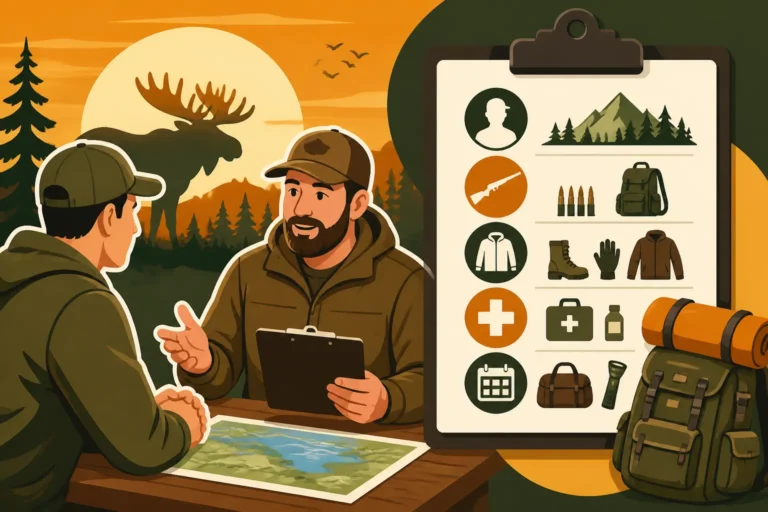
Once you have a clearer idea of your preferences, don't hesitate to engage directly with outfitters. Ask them specifically about how they structure their 1:1 and 2:1 hunts. Some outfitters may have unique arrangements or specific guides they assign to different ratios. Inquire about the typical daily schedule, the level of interaction you can expect, and how they handle situations where two hunters might have differing expectations in a 2:1 scenario. Transparency here is key.
When researching potential outfitters, platforms like BookYourHunt and GoHunt are excellent resources. Pay close attention to hunter reviews and testimonials that specifically mention guiding ratios. Do previous clients comment on the guide's ability to manage two hunters effectively? Did 1:1 clients feel they received exceptional, personalized service? These real-world experiences can provide invaluable insights. Also, consider options like a "semi-guided" hunt if offered, as this might bridge the gap between fully guided and self-guided, potentially offering some personalized direction without the full cost of a dedicated guide. Don't forget to look into What a Licensed Manitoba Guide Provides to ensure you understand their obligations.
Ultimately, the choice between 1:1 and 2:1 guiding in Manitoba is deeply personal. By carefully weighing your budget, hunting style, and priorities, you can ensure your next northern adventure is everything you dreamed of and more.
Disclaimer
This article is for general informational purposes only and does not constitute professional advice. Laws, prices and regulations vary by location and change over time. Consult a qualified professional for guidance on your specific situation.