What Shipping a Cape and Antlers Costs
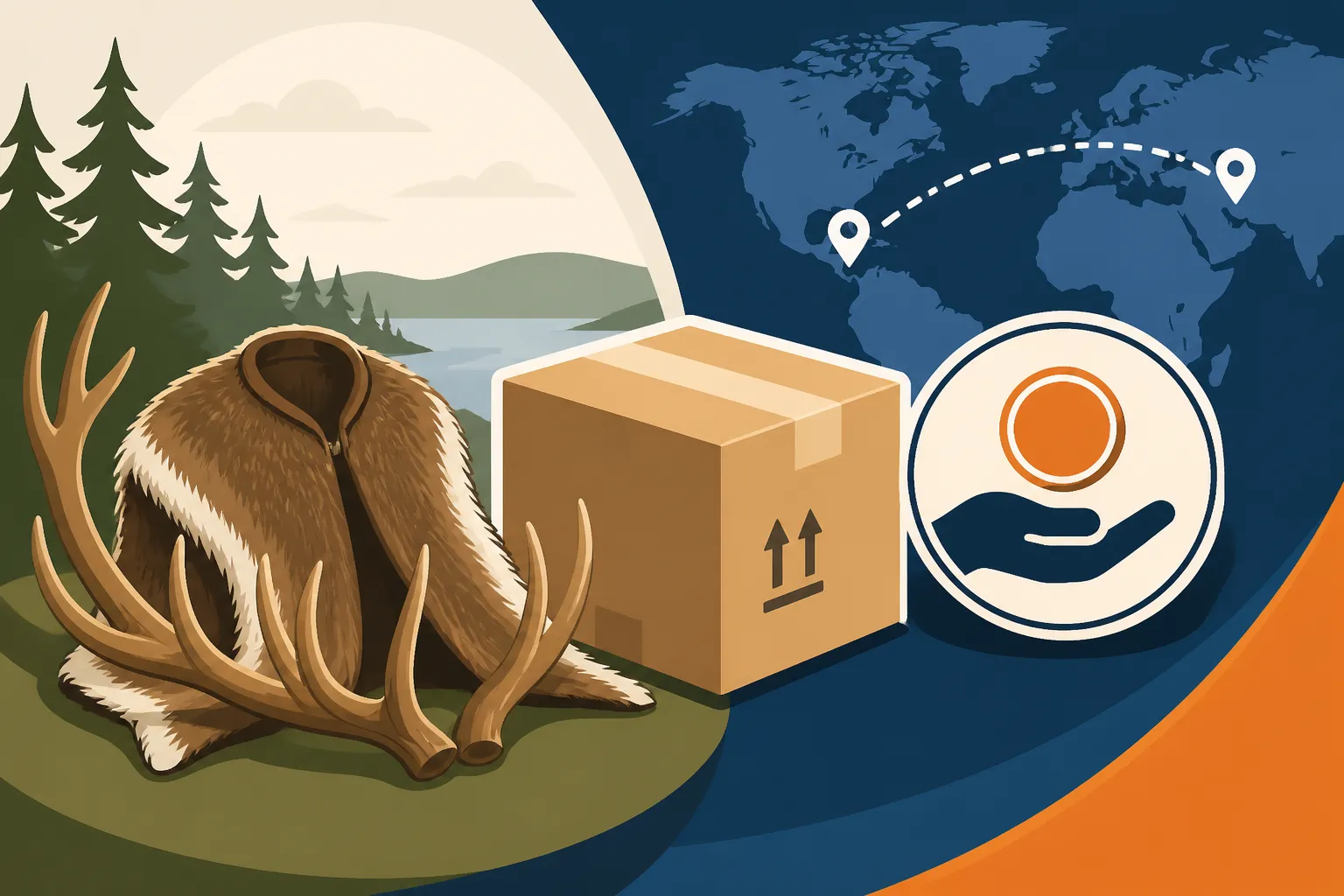
After a successful hunt in Manitoba, the adrenaline rush is incredible, but then reality sets in: how do you get that magnificent cape and antlers back home without breaking the bank? Many hunters, especially those traveling from afar, often underestimate the logistical headache and the financial commitment involved in shipping their hard-earned trophy. This guide will walk you through the real costs and crucial considerations for safely transporting your cape and antlers, ensuring your memory isn't overshadowed by unexpected expenses or paperwork nightmares.
Dissecting the Variables That Dictate Shipping Costs for Your Trophy
When it comes to figuring out what it'll cost to ship your cape and antlers, there isn't a single, straightforward answer. It's not like mailing a letter. Instead, you're looking at a complex equation with several key variables that can swing the price wildly. Understanding these factors upfront can save you a lot of grief and help you budget more accurately, whether you're planning your first Manitoba hunt or your fifth.
Size and Weight: The Obvious Cost Drivers
This is probably the most obvious factor, but its impact can be surprisingly large. Imagine trying to ship a small whitetail deer cape and rack versus the massive skull plate and cape of a mature moose. The difference in size, weight, and even the sheer bulk required for packaging is immense. Shipping companies base their freight charges on both actual weight and dimensional weight (how much space the package takes up). A bulky, irregularly shaped set of antlers can often cost more than its actual weight might suggest, simply because it occupies a lot of cargo space. A shoulder-mount cape, especially if frozen and crated, also adds significant weight and volume. It’s crucial to recognize that a moose rack alone might require a custom-built crate that could easily take up the entire bed of a pickup truck, which dramatically increases freight costs compared to a more compact deer rack.
Your Trophy's Destination: Local vs. International Journeys
Where your trophy is headed plays a monumental role in the final cost. Shipping within Canada is generally far simpler and less expensive than shipping across international borders. If you're heading back to the United States, for example, you're not just dealing with freight charges; you're stepping into the complex world of international customs, duties, and specific import regulations. Each country has its own rules regarding animal products, and these can be quite strict, often requiring specialized permits or inspection fees at the border. This international hurdle adds layers of paperwork, potential delays, and additional charges that a domestic shipment simply wouldn't incur. You might also be dealing with different tax implications depending on the jurisdiction. Rules for Non-Residents Hunting Manitoba touches on some broader considerations for hunters coming from outside Canada.
The Condition of Your Trophy and Packaging Needs
How your trophy is prepared and packaged also directly impacts shipping costs and safety. A fresh cape, properly salted and dried, is much easier and cheaper to ship than a frozen one, which requires specialized insulated containers and expedited shipping to prevent spoilage. Antlers need sturdy crating to protect delicate points from breaking. You'll likely need a custom-built wooden crate for anything substantial, and these aren't cheap to build, especially if an outfitter or taxidermist is doing it for you. The cost of materials alone, plus the labor for constructing a solid, export-compliant crate, can add a significant chunk to your overall bill. If you're going for a full life-size mount, the size and complexity of shipping increases exponentially.
Pre-Shipment Preparation: What Needs to Happen Before Your Trophy Leaves Manitoba
The moment your animal hits the ground, the clock starts ticking on trophy care. Proper preparation isn't just about preserving the quality of your mount; it's also about ensuring a smooth, compliant, and ultimately more affordable shipping process. Skimping on these steps can lead to extra costs, frustrating delays, or even the confiscation of your hard-earned trophy.
Field Care and Initial Processing in Manitoba
The first critical step is impeccable field care. For a cape, this means proper skinning, removing all excess meat and fat, and thoroughly salting the hide. A well-salted hide will be lighter and less prone to spoilage, making it suitable for standard freight rather than expensive refrigerated or expedited services. Many outfitters will assist with this, or you can find a local taxidermist in Manitoba who can properly flesh, salt, and prepare the cape. For antlers, a clean skull plate (or full skull, depending on your taxidermy plan) is essential. Make sure all brain matter and tissue are removed to prevent bacterial growth and comply with CWD (Chronic Wasting Disease) regulations, especially if you harvested your animal in one of Manitoba's mandatory sampling zones. Speaking of CWD, remember Manitoba's CWD Sampling Requirements and ensure you comply before anything leaves the province.
Crating and Documentation: Your Trophy's Travel Necessities
Once the cape is prepped and the antlers are cleaned, they need to be securely packed. Antlers typically require a custom wooden crate. This crate needs to be robust enough to withstand the rigors of shipping, protecting those vulnerable points. Depending on its size, it might need to be built by a professional crating service or a local outfitter. For the cape, it can be shipped in a durable plastic tote or box, often double-bagged and packed with absorbent material.
Beyond the physical packaging, the documentation is paramount. This includes your Manitoba hunting licence and tag, proof of ownership, and any required CITES (Convention on International Trade in Endangered Species of Wild Fauna and Flora) permits if your species requires it (though most common big game in Manitoba do not for international export to the US, it's always good to check). For international shipments, you'll also need a detailed commercial invoice, packing list, and possibly a declaration for the U.S. Fish and Wildlife Service or similar agency in your home country. This is where a good taxidermist or an experienced outfitter, perhaps one you found through a platform like BookYourHunt, can really shine by guiding you through the paperwork.
Choosing Your Shipping Path: Navigating Carriers, Customs, and Logistics
Once your trophy is properly prepped and packaged, you need to decide how it's actually going to get home. This isn't just about picking a name off a list; it involves understanding different shipping methods, dealing with customs, and potentially engaging specialized brokers. Each choice comes with its own set of costs and complexities.
Common Carriers vs. Specialized Freight Forwarders
You essentially have two main options for shipping: standard common carriers (like FedEx or UPS) or specialized freight forwarders.
- Common Carriers (FedEx, UPS, DHL): These are viable options for smaller, lighter trophies, especially antlers that can fit into standard boxes or smaller crates. They offer various service levels, from ground shipping to expedited air freight. However, for larger or more complex shipments, they might have size restrictions or require you to handle all the customs documentation yourself. They often treat irregular, bulky items as oversized, which can quickly inflate costs.
- Specialized Freight Forwarders and Customs Brokers: For anything substantial – a moose rack, multiple deer trophies, or a frozen cape needing temperature control – a specialized freight forwarder is often your best bet. These companies specialize in handling oversized, unusual, or international cargo. They often have established relationships with airlines and shipping lines, and many offer customs brokerage services as part of their package. A good broker will prepare all necessary declarations, navigate import/export permits, and handle inspections on your behalf, saving you immense headaches, albeit at an additional cost. When you're researching outfitters on platforms like GoHunt, it's a great question to ask them about their preferred shipping partners or if they offer assistance with this aspect of the hunt.
The Customs Clearance Maze and Brokerage Fees
This is where many international hunters get tripped up. Crossing borders with animal products, even legally hunted ones, involves navigating customs regulations on both sides. In addition to Canada's export requirements, you'll face your home country's import laws. For U.S. hunters, this means dealing with the U.S. Fish and Wildlife Service and U.S. Customs and Border Protection. These agencies require specific forms, such as the Declaration for Importation or Exportation of Fish or Wildlife (Form 3-177).
A customs broker is almost essential for international trophy shipments. They act as your agent, ensuring all paperwork is correct, submitted on time, and that your trophy clears customs without issues. Their fees can range significantly, but consider it an investment to avoid delays, fines, or even the loss of your trophy. They understand the nuances of tariffs, duties, and specific entry requirements, like whether your trophy needs to enter through a designated port of entry for wildlife. Don't underestimate the complexity here; it's not simply a matter of checking a box.
Avoiding Surprises: Understanding Potential Extra Fees and How to Budget
The initial quote you get for shipping might seem reasonable, but much like a fishing trip, there are often hidden depths and unexpected snags. To truly budget for shipping your cape and antlers, you need to anticipate these additional charges that can quickly add up and turn a perceived bargain into a financial headache.
Unexpected Handling and Storage Fees
One common trap is unexpected handling and storage fees. If your trophy shipment encounters delays at customs, or if you aren't immediately available to receive it, the carrier or a customs warehouse might charge daily storage fees. These can accumulate rapidly, especially for large items. Similarly, special handling fees can apply to oversized, fragile, or temperature-sensitive cargo. For instance, if your cape needs to be kept frozen and there's a delay, freezer storage fees will kick in. It's vital to have a clear understanding of the full journey and be prepared for potential hold-ups. Discussing these possibilities with your outfitter or freight forwarder is a must, and resources like Planning a Manitoba Hunting Trip might prompt you to consider these logistics even earlier in your process.
Insurance, Inspection, and Unforeseen Delays
While optional, insuring your trophy during transit is highly recommended. Given the sentimental and monetary value, a modest insurance premium is a small price to pay for peace of mind against damage or loss. Beyond insurance, there can be unforeseen inspection fees. Customs agents in your home country might decide to conduct a thorough inspection of your trophy, and these inspections sometimes come with associated costs that are passed on to you. Then there are the delays. Weather events, logistical bottlenecks, port strikes, or even minor errors in paperwork can cause significant delays, potentially triggering those storage and handling fees we just discussed. Be realistic about delivery timelines and factor in a buffer for unexpected issues.
The Total Picture: Budgeting for the Long Haul
To give you a clearer picture, let’s consider a hypothetical breakdown of costs for an international shipment (e.g., Manitoba to the U.S. for a larger whitetail or small moose).
| Cost Category | Description | Estimated Range (Relative) |
|---|---|---|
| Field Care/Prep | Fleshing, salting cape, cleaning skull plate, initial drying (often included by outfitter or separate fee) | Low to Medium |
| Crating Materials | Custom wooden crate for antlers and potentially a durable box for the cape | Medium |
| Crating Labor | Time and skill to build export-compliant crates | Medium |
| Freight Charge | Based on dimensional weight, actual weight, and distance (ground vs. air) | Medium to High |
| Customs Brokerage | Handling all international paperwork, permits, and clearance | Medium |
| Import Duties/Taxes | Any applicable duties charged by your home country's customs agency | Low to Medium |
| Insurance | Optional, but highly recommended, based on declared value of trophy | Low |
| Storage Fees | Daily fees if trophy is held at customs or depot for extended periods | Variable (can be high) |
| Inspection Fees | Costs associated with mandatory or random customs/wildlife inspections | Low |
| Expedited Service | Premium for faster shipping, especially for fresh/frozen capes | High |
Keep in mind that all these costs are variable and can change. For accurate, up-to-date pricing, you absolutely must contact freight forwarders and customs brokers directly. Getting quotes from multiple providers will give you the best estimate. Some outfitters, particularly those listed on platforms like BookYourHunt or GoHunt, might offer all-inclusive services for trophy preparation and shipping, but always clarify what "all-inclusive" truly means in that context. Preparing your trophy right and understanding the shipping journey is just as important as the hunt itself for a truly successful experience.
Meat Care in Manitoba's Cold Snaps
Taking Meat and Antlers Across the Border
Manitoba Taxidermists and Trophy Shipping
Manitoba Big Game Tag Costs
What a Guided Whitetail Hunt Costs
Reading Manitoba GHA Map Before You Go
Getting a European Mount Done
Manitoba Landowner Permission Law
Manitoba Taxidermists and Wait Times
Manitoba CWD Sampling Requirements
Disclaimer
This article is for general informational purposes only and does not constitute professional advice. Laws, prices and regulations vary by location and change over time. Consult a qualified professional for guidance on your specific situation.