What a Manitoba Guided Deer Hunt Includes
Embarking on a guided deer hunt in Manitoba is a dream for many, promising access to prime hunting grounds and expert assistance. However, the exact inclusions of a "guided hunt package" can often feel like a mystery, leaving hunters wondering what they're actually paying for and what hidden costs might arise. This guide aims to clear up that confusion, breaking down the typical components of a guided whitetail deer hunt in Manitoba so you can plan your adventure with confidence and no unwelcome surprises.
The Foundation: What a Guided Hunt Typically Provides
When you book a guided deer hunt in Manitoba, you're investing in more than just a place to stay; you're securing a comprehensive service designed to maximize your chances of success and ensure a smooth, enjoyable experience. This typically starts with the professional guiding service itself, extending to how you move around the hunting area and the specialized gear that might be provided. It’s about leveraging local knowledge and resources to navigate unfamiliar terrain and regulations.
The Guiding Service Itself
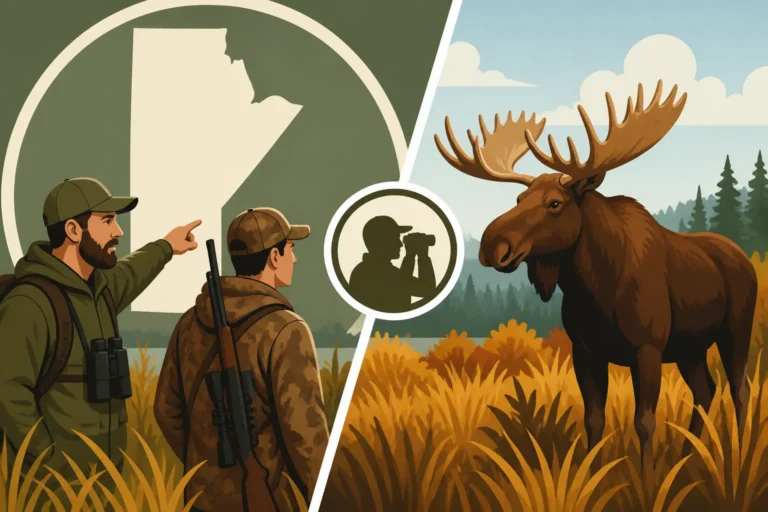
At the heart of any guided hunt is the guide. These individuals are usually seasoned hunters with intimate knowledge of the local terrain, whitetail habits, and the specific Game Hunting Area (GHA) you'll be pursuing deer in. They've spent countless hours scouting, setting up stands, and observing deer patterns, which gives them a distinct advantage. Your guide is there to be your eyes and ears, interpreting sign, identifying optimal hunting locations, and making real-time decisions based on weather, wind, and deer movement. They're your personal expert in the field, helping you understand Reading Whitetail Sign in Manitoba Aspen or Hunting a Manitoba Bush Edge.
Beyond simply pointing you in the right direction, a good guide provides invaluable mentorship, especially for newer hunters or those unfamiliar with Manitoba's unique hunting environment. They can advise on shooting lanes, ethical shot placement, and even help calm nerves when that trophy buck finally steps out. They often manage logistics, ensuring you get to and from your stand safely, sometimes even helping carry your gear. The guide's expertise is what transforms a hopeful outing into a strategically executed hunt, allowing you to focus on the thrill of the chase rather than worrying about the nuances of the landscape or the law.
Transportation During the Hunt
Getting around vast Manitoba hunting areas can be a significant challenge, particularly in remote bush country or across large tracts of farmland. Most guided deer hunts include transportation from the lodge or camp to your designated hunting spots. This might involve trucks, ATVs, or even side-by-sides, depending on the terrain and accessibility. For instance, in areas like the Interlake or northern Parkland, you might find yourself navigating old logging roads or bush trails that are impassable without appropriate off-road vehicles.
This included transportation eliminates the need for you to bring your own specialized vehicles, saving you wear and tear on your personal truck and reducing the logistical headaches of traversing challenging landscapes. Your guide knows the best routes, potential hazards, and how to get you quietly into your stand long before daylight, or pick you up stealthily after dusk. They are also usually equipped for unforeseen circumstances, such as getting stuck in mud or snow, which is a real concern when you're Hunting Safely in Deep Winter Cold in Manitoba.
Equipment and Gear Provided
While you're expected to bring your personal hunting gear – rifle or bow, ammunition, suitable clothing for Manitoba's often-extreme weather – many outfitters provide certain crucial pieces of equipment that can enhance your hunt. This often includes well-maintained treestands or ground blinds, strategically placed for optimal shot opportunities. These stands are typically set up well in advance of the season, often months beforehand, ensuring deer are accustomed to them.
Some outfitters might also provide heaters for blinds, particularly for late-season rifle hunts where temperatures can drop dramatically. In certain situations, they might offer optics like binoculars or spotting scopes if you forget yours or if theirs are superior for the specific conditions. If you're a non-resident, some outfitters even offer rifle rentals if you prefer not to travel with your own firearm. This level of preparation ensures that when you arrive, the core infrastructure for your hunt is already in place, letting you hit the ground running.
Camp Life: Accommodation and Meals
A guided hunt isn't just about the time spent in the stand; it's also about the experience back at camp. Outfitters understand that a comfortable, well-fed hunter is a happy and effective hunter. What's typically included in terms of accommodation and meals can vary, but the goal is always to provide a welcoming and functional base for your hunting adventure. Manitoba Hunting Lodges and Camps offer a range of experiences, from rustic to luxurious.
Camp Lodging Options
The type of lodging you'll experience on a guided deer hunt in Manitoba can range widely, reflecting the diversity of the province's hunting areas and the outfitter's style. Some operations boast comfortable, full-service lodges with private or semi-private rooms, hot showers, and communal areas for socializing. These might be beautifully rustic log cabins nestled in the bush or modern facilities closer to accessible roads. You might find yourself in a comfortable bunkhouse with other hunters, sharing stories around a wood stove after a long day in the field.
In more remote regions, especially for specialized hunts, accommodation might be simpler – think heated wall tents, cabins accessible only by ATV or snowmobile, or even strategically placed trailer camps. Regardless of the setup, the goal is to provide a warm, safe, and dry place to rest and recharge. Clean bedding, electricity (often via generator), and basic amenities are usually standard. It’s always a good idea to clarify the exact lodging arrangements when booking, so you know what to expect and can pack accordingly.
Food and Drink in Camp
Hunting is hard work, and good food is essential to keep your energy up. Most guided Manitoba deer hunts include hearty, home-cooked meals prepared in camp. You can usually expect breakfast before dawn, often a packed lunch or snacks for the stand, and a hot, substantial dinner in the evening. Think classic comfort food: pancakes and bacon, chili, roast dinners, and plenty of coffee. Dietary restrictions can often be accommodated if communicated in advance, but don't expect gourmet dining in the remote bush!
The inclusion of meals frees you from the hassle of cooking, cleaning, and grocery shopping, allowing you to focus solely on hunting. Many outfitters pride themselves on the quality and quantity of their camp food, understanding that it's a significant part of the overall experience. Beverages like coffee, juice, and water are typically provided, though you might be expected to bring your own alcoholic beverages if you choose to partake responsibly after hunting hours.
Post-Harvest Care: From Field to Freezer
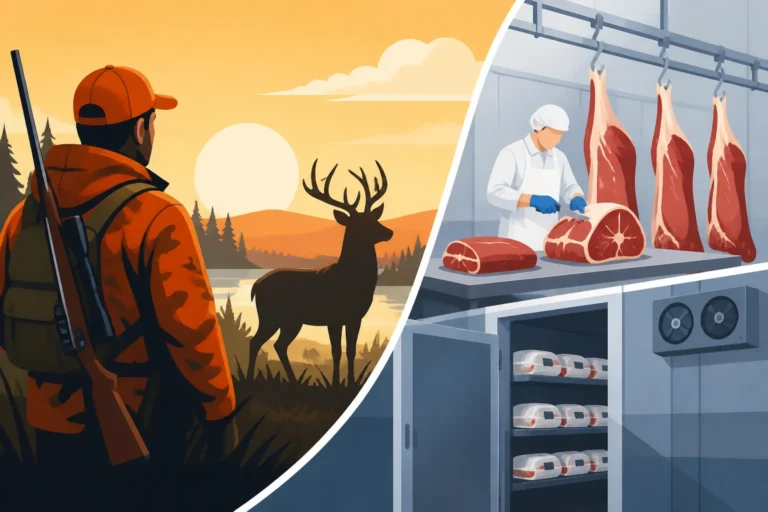
Successfully harvesting a deer is just one part of the equation; properly caring for the animal afterward is equally, if not more, critical. A guided hunt often includes comprehensive services to ensure your trophy and meat are handled correctly, from the moment the animal is down until it's ready for transport. This support is especially valuable when hunting in remote areas where resources are scarce or conditions are challenging, such as Meat Care in Manitoba's Cold Snaps.
Field Dressing and Caping
Once you've harvested your whitetail, your guide's expertise shifts to immediate field care. This is a critical step, especially in Manitoba where temperatures can fluctuate. They will typically assist, or perform entirely, the field dressing of the animal to ensure rapid cooling of the meat. This minimizes spoilage and ensures the highest quality venison. For hunters new to this process, it's an invaluable learning opportunity to watch and assist a seasoned professional.
If you plan to have your deer mounted, the guide will also know how to properly cape the animal, making the necessary cuts to preserve the cape and skull for a taxidermist. This delicate process is crucial for a quality mount and is best done by someone with experience. They understand the intricacies of skinning around the head and shoulders to ensure sufficient material for a shoulder mount. Many outfitters also provide the means to tag your animal correctly and complete any required paperwork, such as Manitoba Tag Validation Rules.
Meat Handling and Storage
After field dressing, getting the meat cooled quickly and kept clean is paramount. Guided hunts usually include the facilities and assistance for initial meat handling. This might mean hanging the carcass in a designated cooler, a shaded game pole, or even a specially prepared trailer. In remote camps, a meat shed or walk-in cooler is often standard, providing a safe environment away from scavengers and fluctuating temperatures.
Many outfitters will skin and quarter the animal for you, packaging the meat for transport. While they won't typically perform full butchering services (that's usually handled by a professional butcher or yourself once home), they ensure the meat is in a manageable state for its journey. They can advise on Transporting Game Meat in Manitoba and any regulations for cross-border transport if you're a non-resident. Some outfitters even have relationships with local meat processors, which can be a huge convenience.
Trophy Preparation
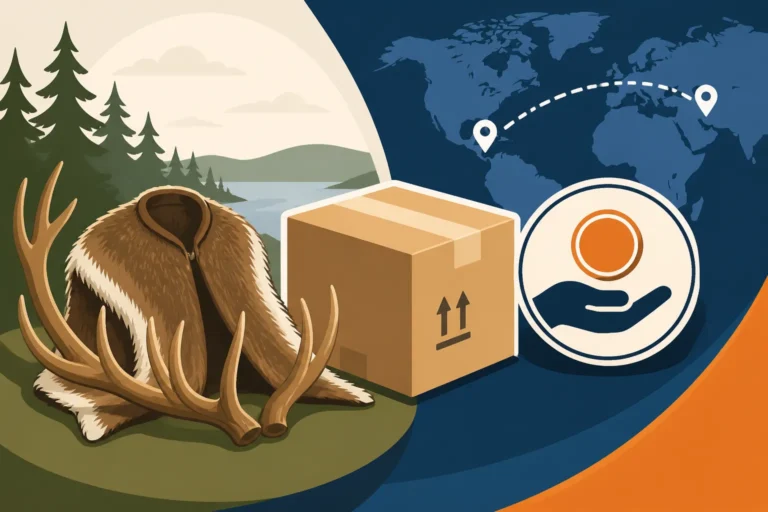
For hunters pursuing a trophy buck, proper skull and antler care is essential. Guides are typically adept at preparing the skull and antlers for transport. This could involve cleaning the skull plate, rough-cutting the antlers from the skull, or ensuring the full skull is ready for a European mount. They understand how to prevent damage to the antlers during transport and storage.
Outfitters often provide initial caping and salting of the hide if you intend to have a shoulder mount or a rug made. This helps preserve the hide until it can reach a taxidermist. They can also assist with packaging the cape and antlers securely for shipping or airline travel. Furthermore, many outfits have connections with reputable local taxidermists and can arrange for your trophy to be dropped off directly, streamlining the process from field to finished mount. This can save you a significant amount of logistical headache, especially if you're coming from afar.
What's Typically Not Included: Managing Expectations
While guided hunts are comprehensive, it's crucial to understand what isn't usually covered in the base package. Misunderstandings here can lead to unexpected costs and frustration. Being prepared for these additional expenses is a key part of planning any hunting trip, especially when researching options on platforms like BookYourHunt or GoHunt.
Licences and Tags
This is almost universally the hunter's responsibility. Your hunting licence and any species-specific tags (like a whitetail deer tag) are separate purchases. You'll need to acquire these well in advance of your hunt, often through Manitoba's online licensing system or approved vendors. The costs for Manitoba Hunting Licences and What They Cost and Manitoba Big Game Tag Costs will be in addition to your outfitter's fee. Your outfitter can certainly guide you through the process and tell you exactly what you need, but they generally won't purchase them for you. It's imperative to understand the regulations, especially if you're a non-resident hunter, as there are specific Rules for Non-Residents Hunting Manitoba.
Travel To and From Camp
Your journey to the outfitter's meeting point or the camp itself is typically your responsibility. This includes airfare, mileage for driving, fuel costs, and any overnight stays required before or after the hunt. If the camp is particularly remote, there might be additional charges for specific bush plane or float plane charters, which should be clearly outlined in your booking. Factor in vehicle maintenance, gas, and potentially a roadside assistance plan for long drives into Manitoba's more secluded areas. Also, remember to prepare your firearms for travel, adhering to all regulations for Bringing Firearms Into Manitoba.
Personal Gear and Gratuities
While the outfitter provides some equipment, your personal gear is up to you. This includes your firearm or bow, ammunition, optics, personal clothing appropriate for the climate (think layers for Manitoba's variable weather, especially for Dressing for Manitoba's November Cold), sleeping bag (if in a rustic camp), toiletries, and any personal medications. Essentially, anything you would take on a camping trip or a self-guided hunt.
Gratuities for your guide and any camp staff (cooks, skinners, cleaners) are also not included in the package price. Tipping is a customary way to show appreciation for hard work and excellent service. While not mandatory, it's highly recommended and expected in the industry. It's wise to budget for this, typically a percentage of your total hunt cost. Understanding How Much to Tip a Manitoba Guide before you go will help you budget effectively.
Choosing the Right Outfitter: Beyond the Brochure
Selecting an outfitter is a critical step, as it directly impacts your overall hunting experience. With so many options, knowing how to vet potential guides and what questions to ask can make all the difference. Choosing the Right Manitoba Outfitter involves more than just looking at glossy pictures.
Researching and Vetting
Before you commit to a guided deer hunt, thorough research is essential. Start by looking at reputable online platforms like BookYourHunt or GoHunt, which often list numerous outfitters with reviews and details about their packages. Don't stop there, though. Visit the outfitter's direct website, explore their social media channels, and look for independent reviews on hunting forums or groups. Pay attention to how long they've been in business and their reputation for ethical hunting practices and client satisfaction.
A crucial step is to ask the outfitter for references – specifically, clients who hunted with them recently and ideally, someone who didn't harvest an animal. This gives you a more realistic picture of the hunting experience beyond just success rates. Contact these references and ask detailed questions about the guide, camp conditions, food, and what was included versus excluded. This due diligence helps you ensure you're booking with a legitimate and reputable operation that aligns with your expectations.
Asking the Right Questions
Once you've narrowed down your choices, prepare a list of specific questions for the outfitter. Don't be shy; clarity now prevents disappointment later. Here are some key areas to cover:
- Hunt Details: What GHA will we be hunting? What are the typical shot distances? What's the schedule like each day? How many hunters are in camp at one time, and what's the hunter-to-guide ratio (e.g., one-on-one or two-on-one)?
- Success and Opportunity: What are the historical success rates for harvesting a deer? What are the typical opportunity rates (seeing legal deer)? What's their policy if I don't get a shot opportunity or harvest an animal?
- Trophy Quality: What is the average antler size of deer harvested in their area? Do they have any antler restrictions or ethical guidelines they promote?
- Camp Amenities: Exactly what kind of lodging and sleeping arrangements can I expect? Are there hot showers, flush toilets, and electricity? What kind of meals are served, and can they accommodate dietary needs?
- Inclusions/Exclusions: Get a crystal-clear list of what's included and what's not. This is where you confirm details about transportation, meat handling, trophy prep, and any potential hidden costs. A good outfitter will be transparent.
- Booking and Payment: What are the deposit requirements, payment schedule, and cancellation policy? Are there any additional taxes or fees? What currency do they accept?
- Preparation: What should I bring in terms of clothing, gear, and personal items? What's the expected weather for the season I'm booking? They can give valuable advice on preparing for Hunting the Rut in Early to Mid November or specific weather conditions.
By asking these detailed questions, you'll gain a comprehensive understanding of what a Manitoba guided deer hunt entails with that specific outfitter, allowing you to make an informed decision and prepare for an unforgettable adventure.
| Feature | Typically Included | Often Excluded (Hunter's Responsibility) |
|---|---|---|
| Guiding | Professional guide services, field expertise, strategy | Personal hunting preferences if they conflict with safety/ethics |
| Accommodation | Lodge, cabin, or camp lodging | Luxury items, specific dietary requests without prior notice |
| Meals & Beverages | Breakfast, lunch (packed), dinner, non-alcoholic drinks | Alcoholic beverages, specific snacks/gourmet items |
| In-Field Transport | To/from hunting areas (trucks, ATVs, side-by-sides) | Personal vehicle fuel, off-site excursions |
| Hunting Equipment | Pre-set blinds/stands, heaters (sometimes) | Personal firearm/bow, ammunition, optics, specialized gear |
| Post-Harvest Care | Field dressing, caping, initial meat cooling/storage | Full butchering, taxidermy services (unless specified), shipping |
| Licences & Tags | N/A | All provincial hunting licences and species tags |
| Travel | N/A | Airfare, vehicle travel to/from camp, hotels en route |
| Gratuities | N/A | Tips for guides and camp staff |
| Personal Items | N/A | Clothing, toiletries, medications, rain gear, boots, etc. |
| Contingency | Emergency communication, basic first aid | Travel insurance, hunt cancellation insurance, major medical |
Disclaimer
This article is for general informational purposes only and does not constitute professional advice. Laws, prices and regulations vary by location and change over time. Consult a qualified professional for guidance on your specific situation.