Corporate and Group Hunting Trips
Organizing a memorable experience for a corporate group or a large party of friends can feel like herding cats, especially when it involves something as intricate as a hunting trip. You're trying to balance diverse interests, skill levels, budgets, and logistics, all while aiming for an impactful and hassle-free adventure. This comprehensive guide is here to walk you through everything you need to know about planning and executing successful corporate and group hunting trips in Manitoba, ensuring everyone has an unforgettable time in our incredible wilderness.
The Undeniable Appeal of Corporate and Group Hunts in Manitoba
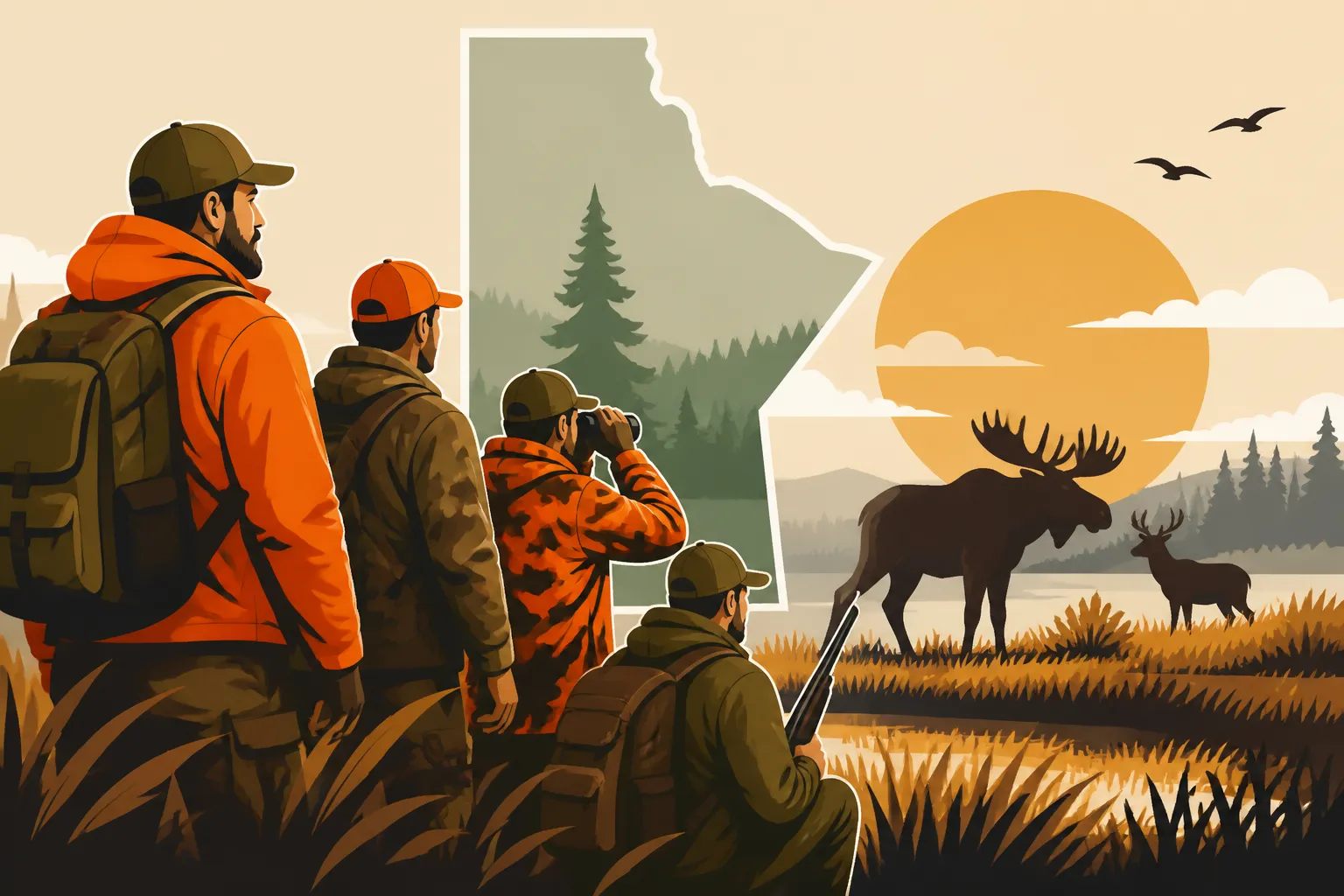
There's something uniquely powerful about sharing an outdoor adventure, especially a hunting trip, with a group. It strips away the formalities, reveals true characters, and fosters a camaraderie that office settings simply can't replicate. Manitoba offers an incredible backdrop for these experiences, with its vast landscapes and abundant game.
Forging Bonds Beyond the Boardroom
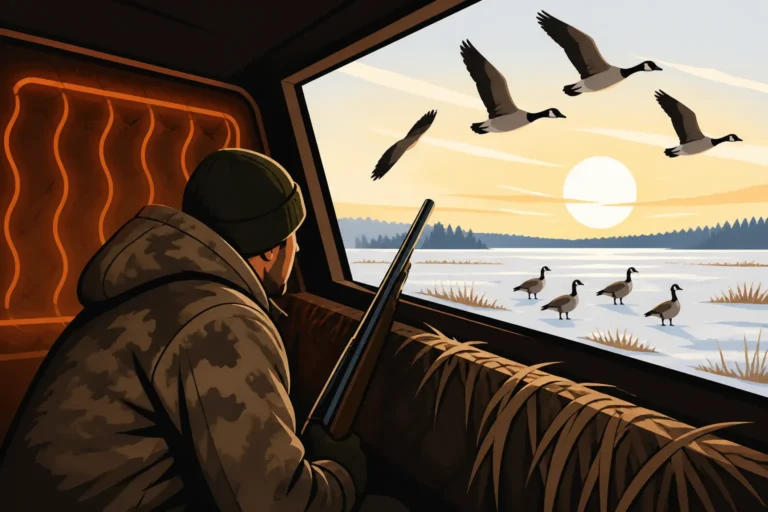
Think about it: when you're out in the bush, miles from cell service, relying on each other for spotting game, tracking, or even just setting up camp, the traditional hierarchies tend to melt away. A corporate hunting trip isn't just a perk; it's a profound team-building exercise. It encourages genuine communication, problem-solving in real-time, and mutual respect in a high-stakes, yet rewarding, environment. I've seen colleagues who barely spoke in the office come back from a duck hunt laughing like old friends, sharing stories of missed shots and perfect retrieves. These shared experiences, whether it's rattling in a whitetail buck or sitting shoulder-to-shoulder in a goose blind, create bonds that strengthen professional relationships and boost morale back in the workplace. It's about building trust, seeing leadership emerge in unexpected situations, and giving everyone a story they'll tell for years to come.
Diverse Hunting Opportunities for Every Skill Level
Manitoba is a hunter's paradise, offering an array of species and terrain that can cater to almost any preference or skill level within a group. You're not limited to just one type of hunt, which is fantastic when you have a diverse group of participants. Some might be seasoned veterans looking for a trophy whitetail, while others might be first-timers hoping to bag their first duck. Our province boasts incredible White-Tailed Deer, Manitoba's Most Hunted Animal opportunities, fantastic Black Bear Hunting in Manitoba, and some of the best Waterfowl Hunting Manitoba's Grain Fields in North America. This diversity means you can tailor the trip to ensure everyone feels engaged and challenged appropriately. An outfitter can design a multi-species hunt or offer different experiences concurrently, such as some members pursuing big game while others enjoy a world-class bird hunt. This flexibility is key to making sure a group hunting trip is inclusive and enjoyable for all involved, from the novice archer to the experienced rifle hunter.
Navigating the Planning Process for Your Group Adventure
Planning a group hunting trip, especially a corporate one, requires meticulous attention to detail. It's not just about picking a date; it's about understanding the nuances of group dynamics, logistics, and making sure everyone's expectations align.
Defining Your Group's Vision and Expectations
Before you even start looking at outfitters, sit down and hash out what you want this trip to achieve. Is it purely for client entertainment, a reward for top performers, or a bonding experience for a new team? Your objectives will dictate many of the subsequent decisions. Consider the following:
- Budget: This is often the biggest factor. Be clear about the overall budget and what it needs to cover – licenses, guide fees, lodging, food, transportation, and any potential trophy care.
- Target Species: Does your group have a preferred animal to hunt? Whitetail, black bear, waterfowl, or perhaps a combination? The species will determine the season, location, and type of outfitter you'll need.
- Skill Levels: Are you catering to experienced hunters, novices, or a mix? This influences the type of hunt, the level of instruction required, and even the pace of the trip. Some outfitters specialize in introducing new hunters, offering mentored experiences.
- Desired Experience: Is rustic cabin living part of the charm, or do you require more luxurious accommodations with gourmet meals? Do people want an intense, physically demanding hunt, or a more relaxed experience with heated blinds?
- Dates and Duration: Manitoba's hunting seasons vary greatly by species and region. Aligning available dates with the best hunting opportunities is crucial.
Having a clear vision from the outset will save you a lot of time and potential headaches, making the selection of an outfitter much more straightforward.
Partnering with the Right Manitoba Outfitter
Once you have a clear idea of your group's needs, the next critical step is finding the right outfitter. For group and corporate trips, you absolutely need an outfitter who has experience with larger parties and can handle the complex logistics involved. They aren't just guides; they are event planners, chefs, and troubleshooters all rolled into one. When you're looking for a Manitoba outfitter, consider starting your search on platforms designed for this very purpose. Websites like BookYourHunt and GoHunt are excellent resources where you can browse various outfitters, read reviews, and filter by species, region, and amenities.
Don't just pick the first one you see; do your homework. I always recommend checking their references – speak to past clients, especially those who organized group trips. Ask about their communication style, their ability to adapt to unforeseen circumstances, and how they handle dietary restrictions or specific requests. A good outfitter will be transparent about their success rates and what their package includes versus what you'll need to arrange yourself. They should be able to provide clear itineraries, assist with all the necessary paperwork, and have a strong understanding of Rules for Non-Residents Hunting Manitoba if your group includes hunters from outside the province. Remember, you're not just buying a hunt; you're buying an experience, and the outfitter is the architect of that experience. For larger groups, look for outfitters who explicitly market "corporate and group packages" as they're already set up to handle the unique demands.
Essential Logistics for a Seamless Group Hunting Experience
The success of a group hunt often hinges on the smooth handling of logistical details. When you're dealing with multiple individuals, any hiccup can become magnified, so being prepared is paramount.
Understanding Licensing, Tags, and Permits for Multiple Hunters
One of the most complex aspects of a group hunt is managing the licenses and permits for everyone. Each hunter will need their own valid Manitoba hunting license and appropriate tags for the species they intend to pursue. If you have non-resident hunters, the process is slightly different and often requires booking with a licensed outfitter for certain species. Your chosen outfitter should be well-versed in these regulations and ideally assist with the application process. They can guide everyone through the requirements, ensuring no one misses a deadline or a crucial piece of paperwork.
It's wise to gather all participant information well in advance: full legal names, dates of birth, addresses, and hunter education numbers. You'll need to understand Manitoba Hunting Licences and What They Cost for each participant and species. For big game, some tags might be part of a draw system, which can complicate planning far in advance, though outfitters often have allocations or can advise on the best strategies for group applications. Ensure everyone understands the specific dates their tags are valid and the Game Hunting Areas (GHAs) they are permitted to hunt in. Mishaps with licensing can quickly derail a trip and lead to serious penalties, so this is an area where precision is key.
Accommodating Your Group: Lodging and Camp Dynamics
The type of accommodation can significantly influence the group dynamic. When considering Manitoba Hunting Lodges and Camps, you'll find options ranging from rustic tent camps and remote cabins to full-service lodges with modern amenities. For corporate or larger groups, a lodge that can comfortably house everyone, possibly with private or semi-private rooms, is often preferred. This allows for both communal gathering spaces and personal downtime.
A good outfitter for group hunts will have experience managing camp dynamics for multiple guests. Think about shared bathrooms, dining arrangements, and common areas for storytelling after a long day in the field. Some outfitters even offer separate cabins or wings within a main lodge, which can be ideal for providing a bit more privacy for individuals or smaller teams within the larger group. Discussion of preferred meal times, dietary restrictions, and even relaxation activities back at camp should be part of your pre-trip conversations with the outfitter. A comfortable, well-organized camp environment fosters camaraderie and ensures everyone is well-rested and ready for the next day's hunt.
Coordinating Travel, Gear, and Firearms
Getting a group of hunters, their gear, and their firearms to a remote Manitoba location requires careful coordination. For those flying in, especially from outside Canada, understanding the rules for Bringing Firearms Into Manitoba is critical. Each individual must declare their firearms at the border, and specific documentation is required. Your outfitter can usually provide detailed instructions and forms to simplify this process for your group.
When it comes to gear, create a comprehensive packing list and share it with everyone well in advance. Consider the time of year and anticipated weather; Manitoba can be notoriously unpredictable, so layering is always a good idea. For a group, consolidating some shared items, like first-aid kits or certain tools, can streamline packing. Transportation to and from the hunting grounds is another element. Will the outfitter pick up the entire group from the airport, or will you need to arrange car rentals? Ensure vehicles are suitable for the terrain and conditions, especially if you're heading deep into the bush. Having a designated group leader to oversee these logistical elements, in close communication with the outfitter, can prevent last-minute scrambles and ensure a smooth start to the adventure.
Maximizing Your Corporate or Group Hunting Return on Experience
A hunting trip is an investment, whether it's in client relationships, employee morale, or personal friendships. To truly maximize the "return on experience," you need to think beyond just the hunt itself and consider the before and after, as well as opportunities for added value.
Beyond the Field: Integrating Additional Activities
While hunting is undoubtedly the main event, incorporating other activities can significantly enhance the overall group experience, especially if some members have varying levels of hunting interest or if there are non-hunting partners joining. Manitoba offers a wealth of possibilities. Perhaps your outfitter is located near a fantastic fishing lake, allowing for a morning of angling before an afternoon bird hunt. Some lodges offer guided nature walks, photography tours, or even cultural experiences with local communities.
Evenings back at the lodge can be enriched with activities like professional cooking demonstrations (perhaps featuring wild game!), storytelling around a campfire, or even team-building games. Consider adding a day trip to a local point of interest, like a provincial park or a historical site, depending on your hunting location. These additional elements provide a change of pace, cater to a broader range of interests, and offer more opportunities for informal interaction and bonding. The key is to discuss these possibilities with your outfitter early on in the Planning a Manitoba Hunting Trip phase, as many can tailor packages to include these extras.
Preserving the Memories and Sustaining Relationships
The hunt itself might be over in a few days, but the memories and the strengthened relationships should last much longer. Encourage everyone to take photos (respectfully, of course) and perhaps even arrange for a professional photographer or videographer to capture key moments, especially for a corporate event. A shared photo album or video can be a wonderful keepsake.
Post-hunt, consider the logistics of game processing and trophy care. Reputable outfitters will assist with initial field dressing and often have relationships with local butchers for Getting Meat Processed in Manitoba and taxidermists for caping and antler preparation. Discuss options for shipping meat and trophies back home, especially for non-residents. Manitoba Meat Processing and Cold Storage options are important to understand. Beyond the practicalities, fostering continued connection is vital. A follow-up email with photos, a small gift (perhaps a locally sourced item from Manitoba), or an invitation to a casual gathering to recount stories can reinforce the bonds forged in the field. Ultimately, a successful corporate or group hunting trip isn't just about the animals harvested; it's about the shared adventure, the stories created, and the lasting relationships built.
Here's a quick overview of popular group hunt types:
| Hunt Type | Ideal Group Size | Typical Duration | Skill Level | Key Advantages for Groups |
|---|---|---|---|---|
| Whitetail Deer Hunt | 2-6 | 5-7 days | Mixed | Intense, challenging, high reward, great for bonding |
| Black Bear Hunt | 2-8 | 5-7 days | Mixed | Unique experience, evening sits allow for daytime group activities |
| Waterfowl (Ducks/Geese) | 4-12+ | 3-5 days | Beginner-Adv | High volume action, social, less strenuous, easily scaled |
| Upland Bird Hunt | 2-6 | 3-5 days | Mixed | Active, requires teamwork with dogs, scenic, varied terrain |
| Moose/Elk (Draw) | 2-4 | 7-10 days | Experienced | Wilderness immersion, ultimate big game challenge, shared expedition |
Disclaimer
This article is for general informational purposes only and does not constitute professional advice. Laws, prices and regulations vary by location and change over time. Consult a qualified professional for guidance on your specific situation.