Booking a Manitoba Black Bear Hunt
The idea of hunting black bear in the vast, wild expanses of Manitoba conjures up images of deep woods, untouched wilderness, and the thrill of matching wits with one of North America's most intelligent big game animals. But for many, especially those new to hunting in this incredible province or coming from outside Canada, the entire process of booking such a hunt can feel like a labyrinth of regulations, choices, and unknowns. You might be wondering where to even begin, who to trust, and what you absolutely need to know before committing. This comprehensive guide is designed to demystify the journey of booking a Manitoba black bear hunt, offering a clear roadmap from initial dream to successful adventure.
Why Manitoba is a Premier Destination for Black Bear Hunting
Manitoba often flies a little under the radar for some hunters, overshadowed by its western neighbours for deer or further north for caribou, but let me tell you, it holds its own as an absolute gem for black bear. This province boasts an incredible amount of pristine boreal forest, vast tracts of wilderness, and an abundance of natural food sources that contribute to a healthy, thriving bear population. It's a place where bears can truly be bears, growing big and often exhibiting a dazzling array of colour phases that make every encounter unique.
The Allure of Manitoba's Bear Country
When you think of Manitoba's bear habitat, picture endless stretches of aspen and spruce forests, interspersed with boggy muskegs, crystal-clear lakes, and winding rivers. This isn't just a pretty picture; it's an ecosystem that supports a robust population of black bears. The density of cover, combined with excellent food sources like berries, nuts, and natural browse, allows bears to thrive and reach impressive sizes. Hunters often speak of the feeling of stepping into truly wild country here, a place where human presence feels minimal, and the hunt becomes an immersive experience. You're not just hunting a bear; you're experiencing the wild heart of the Canadian Shield or the sprawling boreal forest. This immersion is a huge part of the appeal, making a successful hunt here feel incredibly earned and profoundly rewarding. The seasons are also strategically set to coincide with periods of high bear activity, increasing your chances of a memorable encounter.
Understanding Manitoba's Bear Populations and Color Phases
One of the truly unique aspects of Black Bear Hunting in Manitoba is the remarkable diversity in the bear population, particularly when it comes to their coats. While "black bear" implies a singular colour, Manitoba is famous for its significant number of colour-phase bears. We're talking cinnamon, chocolate, blonde, and even striking red-tinted bears. This isn't just a novelty; it adds an exciting dimension to the hunt, as identifying and harvesting a beautiful colour-phase bear is a dream for many hunters. These variations aren't genetic anomalies but rather a natural part of their genetic makeup, and certain regions of the province tend to produce more of these unique coats than others. When you're talking with outfitters, they'll often highlight the prevalence of these beautiful animals in their hunting areas. It's truly a sight to behold when a golden-blonde bear steps out of the dark timber, making for an unforgettable trophy and a fantastic story to bring home. Understanding the health and distribution of these populations is key to planning your trip, and a good outfitter will have a deep knowledge of their specific hunting territory.
Deciding on a Guided Hunt vs. DIY
The first big decision you'll face when planning a Black Bear Hunting in Manitoba adventure is whether to go with a guided outfitter or attempt a do-it-yourself (DIY) hunt. For many, especially non-residents, a guided hunt is not just a convenience, it's a necessity due to provincial regulations and the sheer logistics of hunting in remote areas. However, for residents, or those with significant experience and resources, a DIY approach might be an option. Each path has its own set of considerations, benefits, and challenges.
The Benefits of a Guided Manitoba Black Bear Hunt
Let's be honest, for the vast majority of hunters, particularly those coming from outside Manitoba or who are less experienced with true wilderness hunting, a guided hunt is almost non-negotiable. The advantages are numerous and often outweigh the added cost. First and foremost, a reputable outfitter provides invaluable expertise. They live and breathe the local bush; they know the bear movements, the prime feeding areas, and the habits of the local animals. They've spent countless hours scouting, setting up active bait sites, and learning the nuances of their specific hunting areas. This local knowledge dramatically increases your chances of success.
Think about it: arriving in a completely unfamiliar wilderness and trying to locate and pattern bears on your own is a monumental task. A guide already has active bait sites established, often for weeks or even months before your arrival, ensuring that bears are consistently visiting. They'll know which baits are hot, which ones are being frequented by larger boars, and how to best position you for a clean shot. Furthermore, outfitters handle all the logistical nightmares that can quickly derail a DIY trip. This includes comfortable accommodations, delicious home-cooked meals, transportation to and from hunting locations, and the essential heavy lifting of field dressing, recovering, and transporting your bear back to camp. For non-residents, What a Licensed Manitoba Guide Provides also extends to navigating complex licensing, export tags, and ensuring all regulations are met, taking a huge burden off your shoulders. They are also your emergency contact in remote areas where cell service is non-existent, providing a critical layer of safety.
When a DIY Hunt Makes Sense (and When it Doesn't for Non-Residents)
For Manitoba residents, or perhaps highly experienced Canadian hunters with a deep understanding of bushcraft, bear behaviour, and the specific region they plan to hunt, a DIY hunt can be an option. This usually means possessing your own gear, knowing how to establish and maintain bait sites (which requires significant time and effort well before the season), having reliable transportation suitable for remote bush roads, and being comfortable with all aspects of field dressing and recovery in potentially challenging terrain. It's a truly self-sufficient undertaking, demanding considerable prior planning, scouting, and physical capability. The appeal is, of course, the lower monetary cost and the ultimate sense of accomplishment from doing it all yourself.
However, for non-residents, the option of a DIY black bear hunt is largely, if not entirely, removed. Manitoba regulations are quite clear: non-residents must hunt with a licensed Manitoba outfitter for black bear. This is a critical point that many hunters overlook. Attempting to circumvent this rule can lead to severe penalties, including fines, confiscation of equipment, and future hunting bans. The rationale behind this regulation is multifold: it ensures ethical hunting practices, supports the local guiding industry, and provides a layer of safety and environmental responsibility in remote areas. So, if you're coming from outside Manitoba, planning a DIY bear hunt simply isn't an option. Your path to a successful Manitoba bear hunt will, by law, involve booking with a licensed outfitter. This isn't a frustration; it's a safeguard to ensure a high-quality, legal, and safe experience for everyone.
Understanding Licensing and Regulations for Your Bear Hunt
Navigating the rules and regulations for hunting in a new province, especially as a non-resident, can feel like trying to solve a puzzle with half the pieces missing. Manitoba has specific requirements for black bear hunting that are crucial to understand before you even think about booking your trip. Missteps here can lead to big headaches, or worse, forfeiture of your hunting privileges.
Non-Resident Requirements for Black Bear Hunting
As mentioned, if you're a non-resident of Manitoba, whether from another Canadian province or the United States, you are legally required to book your black bear hunt through a licensed Manitoba outfitter. This isn't just a recommendation; it's a mandatory regulation. Your outfitter will typically assist you in obtaining the necessary licences and tags, but it's always wise to understand the process yourself. You'll need a valid Manitoba hunting licence, specific black bear tags, and a federal migratory game bird permit if you plan on combining your bear hunt with some waterfowl action (though that's a different discussion!).
Before you even step foot in Manitoba, ensure your hunter education certification from your home jurisdiction is recognized. Generally, accredited hunter safety courses from other Canadian provinces or U.S. states are accepted, but always double-check. When considering Manitoba Hunting Licences and What They Cost, remember that these fees are typically separate from your outfitter package, though many outfitters will streamline the purchase process for you. Be prepared to show your identification and proof of hunter education. This might feel like a lot of paperwork, but it's all part of ensuring a well-regulated and safe hunting environment for everyone. Your outfitter is your best resource here, as they deal with these regulations daily and can guide you through the latest requirements.
Key Season Dates and Bag Limits
Manitoba offers distinct spring and fall black bear seasons, giving hunters options depending on their preference and availability. The spring bear season generally runs from April into June, offering the chance to hunt bears emerging from their dens, often focusing on lush green-ups and active bait sites. Fall bear season typically starts in late August and runs through September, coinciding with peak berry crops and bears putting on fat for winter, often leading to excellent success rates. Each season has its unique appeal; spring can offer better hide quality, while fall bears are often at their heaviest.
The bag limit for black bear in Manitoba is usually one bear per hunter per season. It's absolutely critical to confirm the exact Manitoba Bear Season Dates and bag limits for your specific Game Hunting Area (GHA) with your chosen outfitter, as dates can vary slightly by region and regulations can be updated. Your outfitter will provide you with the most current and relevant information for their hunting territory. They will also instruct you on proper tag validation immediately after harvesting an animal and the requirements for evidence of sex, which are crucial for legal transport and possession of your trophy. Always follow your guide's instructions to the letter when it comes to tagging and reporting your harvest.
Navigating Manitoba's Bear Baiting Rules
For black bear hunting in Manitoba, baiting is a widely accepted and highly effective method, especially for outfitter-led hunts. It's important to understand that there are strict rules governing how bait sites are established and maintained. Licensed outfitters are well-versed in these regulations, which often cover the types of bait permitted, distances from roads or residences, and the duration bait can be present. Common bait often includes sweet treats like pastries, candies, and various grains mixed with grease or attractants to lure bears in and keep them coming back.
The process of Setting a Bear Bait Site in Manitoba requires significant effort and consistency. Outfitters typically begin baiting weeks, sometimes even months, before the season opens, ensuring that bears habituate to the sites. This continuous effort is a huge advantage of a guided hunt; imagine trying to manage multiple remote bait sites on your own! Understanding these rules and the ethics behind them is part of being a responsible hunter. Your guide will ensure that all baiting practices adhere to provincial guidelines, not only for legality but also for the safety of their clients and the sustainable management of the bear population. They'll show you how to approach a bait site quietly, understand the wind, and prepare for a shot, all based on years of experience with baited bears.
Choosing the Right Outfitter for Your Black Bear Hunt
Once you've decided on a guided hunt, the next critical step, and arguably the most important, is selecting the right outfitter. This decision can make or break your entire experience. Manitoba has many excellent outfitters, but like any industry, there's a range of quality and specializations. You want someone who is reputable, experienced, and aligns with your hunting style and expectations.
What to Look For in a Reputable Manitoba Bear Outfitter
A reputable Manitoba bear outfitter is more than just someone who has a licence; they are the cornerstone of your hunting adventure. First, look for outfitters with a proven track record of success, not just in harvesting bears, but in providing a quality overall experience. This includes consistently active bait sites, knowledgeable guides who prioritize safety, and comfortable camp facilities. A good outfitter will be transparent about their operations, their success rates (and what those rates truly mean, rather than just raw numbers), and what their packages include.
Consider their hunting areas. Do they operate in areas known for producing big bears or a good number of colour phases? Do they lease private land or operate exclusively on Crown Land, and how much territory do they have access to? An outfitter with exclusive access to large, well-managed areas can offer a higher-quality hunt. Look for outfitters who emphasize fair chase principles and ethical hunting practices. They should be passionate about the resource and committed to conservation. Platforms like BookYourHunt or GoHunt can be useful resources for starting your search and comparing various operations, providing a good overview of options available in Manitoba. However, these platforms are just a starting point; direct communication is key.
Essential Questions to Ask Before Booking
When you're ready to start contacting potential outfitters, come prepared with a list of questions. Don't be shy; this is a significant investment of time and money, and you deserve to have all your questions answered thoroughly. Here are some key questions to consider:
- What is your typical success rate for black bear, and what factors influence it? (Be wary of "guaranteed" hunts; ethical hunting never guarantees a kill).
- What is the average size of bears taken in your area? Do you see many colour phases? (Referencing Colour Phase Black Bears in Manitoba will show you've done your homework).
- How many active bait sites do you maintain, and how often are they checked? (Consistency is key for drawing in bears).
- What is the typical hunting method? Is it primarily baited, or do you offer spot-and-stalk opportunities? (Most Manitoba bear hunts are baited).
- What are the accommodations like? Private rooms, shared cabins, wall tents?
- What is included in the price? (Be clear on everything from meals to transportation, trophy care, and licence assistance. Refer to Manitoba Black Bear Hunt Prices for general cost shapes, but ask for specifics).
- What's the hunter-to-guide ratio? (One-on-one ensures more personalized attention).
- What happens if I harvest a bear early? What other activities are available?
- What is your policy on wounded animals?
- Can you provide references from past clients? (This is crucial!).
- What is your cancellation and refund policy? (Life happens, understand the terms).
- What kind of emergency plan do you have in place for medical situations or getting stuck in the bush?
- Will you assist with paperwork for importing the trophy and meat?
The more detailed your questions, the better understanding you'll have of what to expect and whether the outfitter is a good fit.
The Importance of References and Reviews
Once you've narrowed down your choices, always ask for references. A reputable outfitter will gladly provide contact information for past clients. Take the time to call or email these references. Ask them about their overall experience, the quality of the guiding, the camp life, the food, and whether the outfitter delivered on their promises. Ask about the size and number of bears they saw, and any challenges they faced. A few candid conversations with former clients can give you invaluable insight that brochures or websites simply can't.
While online reviews can be a starting point, remember that they are often unverified and can sometimes be skewed. Use them to get a general feel, but prioritize direct communication with references. Look for consistency in feedback – if multiple references praise the same aspects (e.g., exceptional food, hard-working guides, consistent bear activity), that's a strong indicator. Conversely, if you notice recurring complaints or vague responses, it's a red flag. A thorough vetting process, combining detailed questions with genuine testimonials, will significantly increase your chances of booking a successful and enjoyable Black Bear Hunting in Manitoba trip.
What to Expect from a Manitoba Black Bear Hunt Package
When you commit to a guided black bear hunt in Manitoba, you're not just buying a tag; you're investing in an experience. Outfitter packages are designed to cover the significant logistical challenges and provide a comfortable, productive hunt. However, what's included can vary, and understanding the nuances will prevent surprises.
Typical Inclusions and Exclusions in a Bear Hunt
Most Manitoba black bear hunt packages are all-inclusive regarding the core hunting experience, but it’s vital to clarify the specifics.
Typical Inclusions:
- Guiding Services: Expert guides who know the territory, manage bait sites, and assist with tracking and recovery.
- Accommodations: Usually comfortable cabins, lodges, or outfitter tents, often with heat and lighting.
- Meals: Hearty, home-style cooking is common, keeping you fueled for the hunt.
- Transportation: From camp to hunting sites, sometimes including airport pick-up and drop-off if specified.
- Field Dressing & Recovery: Guides assist with processing your bear in the field and getting it back to camp.
- Trophy Care: Initial skinning (for a rug or mount), caping, and freezing of hide/skull.
Common Exclusions (and what you’ll pay extra for):
- Licences and Tags: These are almost always an additional cost. See Manitoba Hunting Licences and What They Cost.
- Taxes: Provincial and federal sales taxes apply to services.
- Travel to Manitoba: Airfare or fuel for driving to the outfitter's meeting point.
- Tips: Customary for guides and camp staff.
- Alcohol and Personal Items: Any specific beverages or snacks you desire.
- Meat Processing & Shipping: While field dressing is included, full butchering and freezing beyond basic camp storage, plus shipping the meat home, will be extra. Manitoba Meat Processing and Cold Storage options might be available through the outfitter or local businesses.
- Taxidermy: Taking your trophy to a taxidermist is your responsibility and expense.
- Firearm Declaration Fees: If you're bringing your own rifle from the U.S. or another country.
It's crucial to get a detailed breakdown of all costs from your outfitter. When reviewing Manitoba Black Bear Hunt Prices, remember that the listed price is often just the base. A clear understanding ensures no budget surprises down the road.
Understanding Hunt Styles: Baited vs. Spot and Stalk
While some regions and species lend themselves to a variety of hunting styles, black bear hunting in Manitoba is overwhelmingly conducted over bait. This method is highly effective because it allows hunters to bring the bears to them, rather than trying to track them through dense boreal forests where visibility is often limited.
Baited Hunts: This is the bread and butter of Manitoba black bear hunting. Outfitters establish and maintain multiple bait sites, often for weeks before the season, conditioning bears to visit regularly. Hunters are typically placed in ground blinds or tree stands strategically located to offer a clear shot at the bait site. This style requires patience and stealth, as bears are incredibly wary. It's an exciting hunt because you know a bear will eventually come in, but you never know when, or what size it will be. Your guide will advise you on optimal shot placement, ensuring a quick and ethical harvest. The sustained effort of Baiting Black Bear in Manitoba is why outfitters typically have high success rates.
Spot and Stalk: While less common for black bears in Manitoba due to the thick cover, some outfitters, particularly those hunting in more open areas or during specific periods like early spring green-up, might offer limited spot-and-stalk opportunities. This method involves glassing open clearings, cut lines, or agricultural fields where bears might be feeding, and then attempting to stalk within shooting range. This requires excellent physical conditioning, patience, and advanced tracking skills. If you're keen on a spot-and-stalk hunt, make sure to discuss this extensively with your outfitter beforehand, as it's not a standard offering and requires specific conditions.
Accommodations and Camp Life
The camp experience is a huge part of a guided hunt. Manitoba outfitters offer a range of accommodations, from rustic wilderness cabins to more luxurious lodges. Regardless of the style, expect a comfortable and friendly atmosphere.
- Rustic Camps: Often feature sturdy log or framed cabins, sometimes with shared bunk beds, wood stoves for heat, and outhouses. Showers might be communal or heated by demand. This style offers an authentic wilderness experience.
- Lodge-Style Camps: These might have more amenities, such as private rooms with en-suite bathrooms, central heating, and a dedicated dining area. They offer a bit more comfort after a long day in the woods.
Food in an outfitter camp is typically plentiful and delicious. Expect hearty, home-cooked meals that cater to hungry hunters. Breakfasts are usually substantial, lunches might be packed for the field or served back at camp, and dinners are often a highlight, with stories of the day's events shared around the table. Camp life is a chance to bond with fellow hunters and your guides, sharing stories and soaking in the camaraderie that's so integral to the hunting tradition. Expect early mornings and late nights, especially if you're out hunting until dark. Most camps will have a common area for relaxing, planning the next day's hunt, and perhaps even sharing a celebratory drink after a successful harvest.
Preparing for Your Manitoba Bear Adventure
The success of your hunt isn't solely in the hands of your outfitter; your preparation plays a massive role. Being physically ready, mentally prepared, and having the right gear can make the difference between an enjoyable, productive hunt and a challenging, uncomfortable one.
Physical and Mental Preparation
Black bear hunting, particularly over bait, might not seem as physically demanding as a mountain sheep hunt, but don't underestimate it. You'll likely be walking to and from stand sites, potentially through uneven terrain, and assisting with the recovery of a heavy animal.
- Physical Fitness: Start a fitness regimen well before your hunt. Focus on cardiovascular health (walking, hiking) and strength training, especially for your core and legs. Being able to comfortably walk a few miles with some gear will serve you well.
- Mental Fortitude: Patience is paramount. Sitting silently in a blind for hours, sometimes through rain or bugs, requires mental toughness. Practice mindfulness or meditation to help you stay focused and still. Be prepared for boredom, but also for moments of intense excitement. Understand that hunting involves variables, and not every sit will yield a bear.
- Shooting Practice: This is non-negotiable. Spend significant time at the range with your chosen weapon. Practice shooting from various positions (sitting, kneeling, standing) that mimic actual hunting scenarios, not just off a bench. Know your rifle or bow inside and out, and be confident in your ethical shooting range. A well-placed shot is the ultimate respect for the animal and ensures a quick, clean harvest.
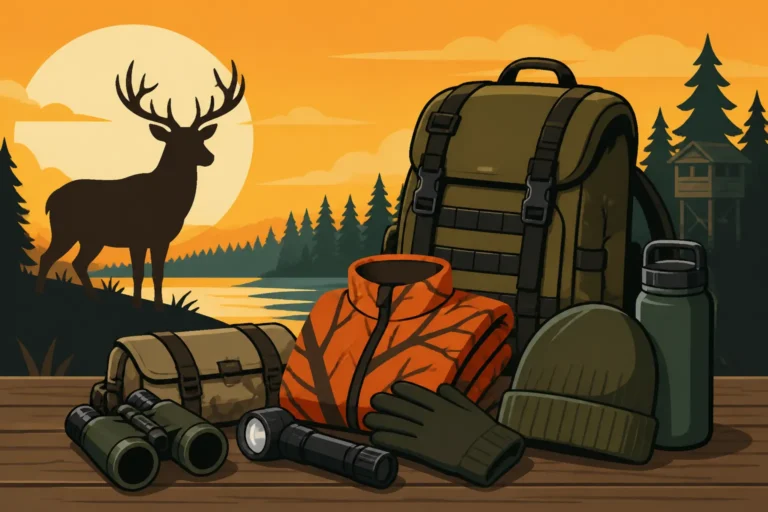
Essential Gear and Clothing for Manitoba Bear Hunting
Manitoba weather can be unpredictable, especially during the spring and fall seasons. Layering is your best friend.
Clothing:
- Base Layers: Moisture-wicking synthetics or merino wool to manage sweat.
- Mid-Layers: Fleece or down for insulation.
- Outer Layer: Waterproof and windproof jacket and pants. Temperatures can range from warm and sunny to chilly and wet, sometimes all in one day.
- Hunting Specifics: Camouflage or dark, drab colours are preferred. Blaze Orange Rules and Exceptions apply to rifle hunting for certain species, but for bear hunting over bait, stealth and blend are more critical. Your outfitter will advise on specific requirements.
- Footwear: Comfortable, waterproof, and well-broken-in hiking boots are essential. Consider knee-high rubber boots for wet areas.
- Headwear: Warm hat, brimmed hat for sun, and bug net for spring/early fall.
- Gloves: Light gloves for concealment, warm gloves for cold sits.
Gear:
- Weapon: Rifle, shotgun, or bow (ensure it meets Legal Firearms and Bows for Big Game requirements). Bring plenty of ammunition/arrows.
- Optics: Binoculars are essential for scanning bait sites and identifying bears. A rangefinder is also highly recommended.
- Backpack: Daypack for snacks, water, extra layers, first-aid, and essentials.
- Knife: Sharp, durable hunting knife for field dressing.
- Flashlight/Headlamp: With extra batteries.
- Bug Protection: Absolutely crucial for spring and early fall. Repellent, thermacell, and a head net.
- Scent Control: Sprays or detergents to minimize human odor.
- Small First-Aid Kit: For minor cuts, blisters, etc.
- Camera: To capture memories!
Your outfitter will likely provide a detailed packing list specific to their camp and the time of year, so always defer to their recommendations.
Firearm and Archery Considerations
If you're bringing your own rifle or bow, ensure it meets Manitoba's legal requirements for big game.
- Rifles: Legal Rifle Calibres for Big Game generally specifies a minimum calibre and bullet energy. Common choices like .270, .30-06, .308, and .300 Win Mag are excellent for black bear. Ensure your rifle is zeroed and you are proficient with it.
- Archery: Bow Draw Weight Rules in Manitoba will outline minimum draw weights and arrow requirements. Crossbows also have specific regulations and seasons; clarify these with your outfitter. Practice shooting from an elevated position if you'll be hunting from a tree stand.
Regardless of your weapon choice, make sure it's in top working order. Clean and inspect it before you leave. Consider bringing a soft case for travel to the stand, protecting your optics and action. Don't forget your hard case for air travel and border crossing. When it comes to ammunition, use high-quality hunting rounds designed for penetration and expansion on large game. This meticulous preparation ensures you're ready when that Manitoba bear steps out.
Logistics and Post-Hunt Considerations
Even after the shot is fired, the hunt isn't truly over. There are crucial logistical steps and considerations for transporting your trophy and meat, especially for non-resident hunters. Planning for these details beforehand will save you immense stress.
Travel, Border Crossings, and Firearm Declarations
For many hunters, getting to Manitoba involves significant travel, often across international borders. This requires careful planning, particularly if you're bringing a firearm.
- Bringing Firearms Into Manitoba: If you are a non-resident bringing a rifle or shotgun into Canada, you must complete a Non-Resident Firearm Declaration Form (CAFC 909) in triplicate. You'll present this form to a Canada Border Services Agency (CBSA) officer at your point of entry, where it will be confirmed, signed, and stamped for a fee. This serves as your temporary firearm licence while in Canada. Do not sign the form beforehand. For more details, consult Declaring a Firearm at the Canadian Border. Your firearms must be unloaded and stored securely in a hard, non-transparent, locked case. Ammunition must be stored separately.
- Driving vs. Flying: If you're driving, plan your route and factor in potential border delays. If flying, adhere strictly to airline and international regulations for transporting firearms and ammunition. Ammunition must be in original factory packaging or secure containers, separate from the firearm, and within weight limits.
- Paperwork: Carry all your hunting licences, permits, firearm declarations, and identification with you. Make copies and keep them separate from the originals. This includes your passport, hunter education card, and outfitter booking confirmation.
Meat Processing, Caping, and Trophy Care
Harvesting a black bear is only half the battle; ensuring the meat and hide are properly handled is just as important. Your outfitter and guides will assist with field dressing, but what happens next depends on your preferences.
- Field Dressing: Guides will typically perform the initial field dressing, gutting the bear to cool the meat quickly.
- Caping: If you plan on a shoulder mount or a rug, the guide will cape the bear correctly, ensuring enough hide is taken for the taxidermist. For a rug, the entire hide will need to be skinned. Discuss your trophy plans with your guide beforehand. Skinning a Bear for a Rug is a specific process that ensures the hide is prepared correctly.
- Meat Care: Bear meat is excellent table fare when properly handled. Your outfitter will ensure the meat is cooled and often can arrange for basic storage (e.g., in freezers at camp). However, full butchering and specialized packaging for transport home is usually an additional service. Many outfitters have arrangements with local butchers, or you can inquire about Manitoba Meat Processing and Cold Storage facilities in nearby towns. Always cook bear meat thoroughly to an internal temperature of at least 160°F (71°C) to kill any potential parasites, such as trichinella.
- Transporting Meat and Trophy: You will need proper documentation (export tags) to transport your bear's hide, skull, and meat out of Manitoba and back to your home jurisdiction. Your outfitter will assist with obtaining these. For non-residents, importing wild game back into your home country (e.g., the U.S.) involves customs declarations and potentially inspection. Ensure you understand these rules thoroughly. Shipping a frozen hide and skull or large quantities of meat can be costly and requires specialized carriers, so factor this into your budget.
Dealing with Unexpected Situations
Even with the best planning, unexpected situations can arise in the wilderness.
- Weather: Manitoba weather can change quickly. Be prepared for rain, sudden cold snaps, or unexpected heat. Listen to your guide's advice on clothing and gear.
- Medical Emergencies: While outfitters prioritize safety, accidents can happen. Ensure your outfitter has a robust emergency plan, including communication devices (satellite phone, inReach) and protocols for medical evacuation. Carry a personal first-aid kit and any essential medications.
- Mechanical Issues: Vehicles can break down, especially on remote bush roads. Outfitters usually have backup plans, but patience and flexibility are key.
- Unsuccessful Hunt: Despite an outfitter's best efforts, hunting is not a guarantee. There will be times when the bears simply don't cooperate. Manage your expectations and remember that the experience of being in Manitoba's wild country is a trophy in itself. A good outfitter will still ensure you have a valuable experience, even if you don't punch your tag.
- Trip Insurance: Consider travel insurance that covers trip cancellation, interruption, and emergency medical situations. This can provide peace of mind for your investment.
By anticipating these aspects and communicating openly with your chosen outfitter, you'll be well-prepared to handle any bumps along the road, ensuring your Manitoba black bear hunt is as smooth and successful as possible.
Disclaimer
This article is for general informational purposes only and does not constitute professional advice. Laws, prices and regulations vary by location and change over time. Consult a qualified professional for guidance on your specific situation.