Hunting Guides and Outfitters in Manitoba
For many hunters, the vast and wild landscapes of Manitoba represent an incredible opportunity, but the sheer scale and complexity of navigating new territory, understanding local game patterns, and securing access can feel utterly overwhelming. This comprehensive guide will help you understand the invaluable role hunting guides and outfitters play in Manitoba, detailing what they offer, how to choose the right one, and what to expect on your guided adventure.
Why Consider a Hunting Guide or Outfitter in Manitoba?
Stepping into a new hunting environment, especially one as diverse and productive as Manitoba, comes with its own set of challenges. It's not just about knowing where the animals are; it's about understanding the land, the local nuances, and the intricate web of regulations that govern ethical and legal hunting. For many, particularly non-residents or those targeting specific trophy animals, a guide or outfitter isn't just a luxury—it's often a critical component of a successful and stress-free hunt.
Navigating Regulations and GHAs
Manitoba's hunting regulations can be a bit of a labyrinth, especially for someone unfamiliar with the province. There are specific seasons for various species, differing rules for residents and non-residents, and a complex system of Game Hunting Areas (GHAs) that dictate where and when you can hunt certain animals. Trying to decipher all of this from afar, or even just researching it thoroughly, can eat up valuable time and lead to costly mistakes.
An experienced Manitoba outfitter or guide lives and breathes these regulations. They know the current rules inside and out, including any recent changes, and can ensure your hunt is fully compliant. This takes a massive weight off your shoulders, allowing you to focus on the hunt itself rather than worrying about paperwork or inadvertent violations. They’ll handle the specifics of licensing and tags, often as part of your package, making the process seamless. Imagine spending hours trying to figure out which GHA allows rifle hunting for whitetails in November versus a late archery season, only to realize you misread a detail. A good guide eliminates that possibility, ensuring you're legal and ethical every step of the way. They often provide assistance with Manitoba Hunting Licences and What They Cost and can clarify specifics about Manitoba's Game Hunting Areas.
Accessing Prime Hunting Ground
Manitoba boasts immense tracts of Crown land, but knowing which Crown land is productive, accessible, and holds the game you're after is a skill honed over years. Furthermore, a significant portion of the province, especially prime farmland and transitional zones, is privately owned. Gaining access to these coveted private parcels requires relationships, trust, and often, formal agreements with landowners. This is where outfitters truly shine.
Outfitters often have long-standing relationships with private landowners, securing exclusive hunting rights to prime properties that would otherwise be off-limits to the public. They’ve scouted these areas extensively, identified bedding zones, travel corridors, and feeding patterns, and have a deep understanding of how game uses the landscape. For hunters seeking quality animals or specific experiences, this exclusive access is invaluable. Even on Crown land, an outfitter knows the remote pockets, the challenging terrain that deters other hunters, and the best ways to navigate it, often with specialized equipment like ATVs, Argos, or even float planes for far northern hunts. They know Finding Ground Other Hunters Drive Past and how to get you into those hard-to-reach honey holes.
Expertise in Specific Species and Tactics
Every game species, and indeed every region, has its own unique set of behaviors, challenges, and optimal hunting strategies. What works for calling coyotes in the open prairie will be entirely different from Calling a Bull Moose in the Rut in the boreal forest. An outfitter's guides are not just people who know the woods; they are specialists in their field, often focusing on one or two key species.
This specialized knowledge extends to everything from reading subtle signs in the snow or mud, understanding wind currents in tricky terrain, to mastering specific calling techniques or baiting strategies. They know when the Whitetail Hunting in Manitoba rut peaks, where bears will be feeding in the spring, or the exact field geese are pouring into at first light. Their experience means they can quickly adapt to changing conditions, predict animal movements, and put you in the best possible position for a successful harvest. They bring a lifetime of local wisdom and refined skills to your hunt, vastly increasing your odds of success compared to a self-guided venture into unfamiliar territory. For example, when it comes to Black Bear Hunting in Manitoba, they know precisely how to set up and manage a bait site for maximum effectiveness.
Understanding Different Types of Guided Hunts
The term "guided hunt" can mean many things, and it's important to understand the distinctions to choose an experience that aligns with your expectations, budget, and desired level of independence. Manitoba outfitters offer a spectrum of services, from full-service luxury to more rugged, self-sufficient options. Each has its pros and cons, catering to different styles of hunters.
Fully Guided vs. Semi-Guided Hunts
When you book a fully guided hunt, you're essentially signing up for a comprehensive, all-inclusive experience. This usually means your guide is with you from before dawn until after dark, actively involved in every aspect of the hunt. They'll handle scouting, setting up blinds or stands, tracking, game retrieval, and often initial field dressing. Meals, lodging, transportation within the hunting area, and sometimes even processing and taxidermy arrangements are typically part of the package. The focus is entirely on you and your hunt, with the guide providing expert advice, companionship, and doing the heavy lifting. This option is ideal for first-time hunters, those targeting difficult species, non-residents unfamiliar with the area, or anyone who simply wants to maximize their hunting time without worrying about logistics.
A semi-guided hunt, on the other hand, offers a balance between assistance and independence. In this scenario, the outfitter typically provides pre-scouted areas, access to hunting grounds, and advice on where and how to hunt. They might drop you off at a stand location, give you maps and intelligence, and pick you up later. They'll assist with game retrieval if you're successful and may provide lodging and meals, but you're largely responsible for the day-to-day hunting decisions and actions. This option suits experienced hunters who enjoy the challenge of making their own stalks and calling their own shots but still want the benefit of local knowledge and access to quality ground. It's often a more budget-friendly option than a fully guided hunt. It’s also a great way to learn a new area with some support before trying a completely self-guided trip in the future. What a Licensed Manitoba Guide Provides can vary significantly between these two models.
Outfitted Camps and Lodges
Many Manitoba outfitters operate out of dedicated camps or lodges, especially for species like whitetail deer, black bear, and moose. These facilities range from rustic, comfortable cabins in the bush to more luxurious lodges with all the amenities of home. The primary benefit here is the convenience and community aspect. After a long day in the field, you return to a warm, dry place, enjoy hearty meals, and share stories with fellow hunters. The lodge often serves as a central hub where guides brief hunters, review strategies, and process game.
These camps are particularly popular for multi-day hunts, providing a base of operations that includes comfortable sleeping arrangements, hot showers, and delicious, often home-cooked, meals. The social atmosphere can be a big part of the experience, offering opportunities to learn from other hunters and share the camaraderie of the hunt. Outfitters managing these lodges also handle all the logistics of feeding and housing guests, allowing hunters to simply focus on their experience. For instance, Manitoba Hunting Lodges and Camps often feature amenities designed for comfort after a long day in the field.
Drop Camps and Remote Access
For the truly adventurous hunter, drop camps offer an immersive, wilderness experience with a greater degree of self-sufficiency. In a drop camp scenario, an outfitter will transport you and your gear via ATV, boat, or float plane to a remote, pre-arranged campsite in productive hunting territory. They'll set you up with a tent, cooking gear, and basic supplies, then leave you to hunt independently for a specified number of days. They'll return at a pre-determined time to pick you up, hopefully along with your harvested game.
This option is common for species like moose or caribou in the more remote reaches of Manitoba, where accessing prime habitat requires significant logistical effort. While the outfitter provides the crucial transportation and camp setup, you are responsible for all hunting activities, cooking, and daily camp life. It demands a higher level of outdoor skill, physical fitness, and preparedness, but offers unparalleled solitude and a deep dive into the wilderness. It's often more affordable than a fully guided hunt and appeals to hunters who cherish independence and the raw challenge of a true backcountry experience. However, careful consideration for Manitoba Meat Processing and Cold Storage is paramount in these remote settings, as professional facilities won't be readily available.
Key Species and Popular Guided Hunt Offerings
Manitoba is a hunter's paradise, offering a diverse array of big game and migratory birds. Outfitters specialize in different species, leveraging their local knowledge and resources to provide exceptional opportunities for specific quarry. Understanding what's available and what makes a particular hunt popular can help you narrow down your choices.
Whitetail Deer Hunts
Manitoba has an outstanding reputation for producing massive whitetail bucks, often with heavy bodies and impressive antlers. This has made guided Whitetail Hunting in Manitoba extremely popular, especially during the peak of the rut in November. Outfitters often focus on specific regions known for trophy potential, such as the agricultural fringe or the dense bush country where bucks can grow old and large. They spend countless hours scouting, deploying trail cameras, and establishing food plots or bait sites (where legal) to pattern deer movement and identify mature bucks.
Hunters on a guided whitetail hunt can expect to hunt from comfortable heated blinds, strategically placed ladder stands, or ground blinds overlooking known travel corridors, agricultural fields, or bush edges. The guide's expertise in understanding deer behavior, knowing the land, and adapting to weather conditions is crucial for success. Many outfitters offer hunts specifically timed around the early to mid-November rut, as this is when big bucks are most active and vulnerable. Hunters come from all over for the chance at a true Manitoba giant, and the guidance offered significantly increases those odds. Hunting the Rut in Early to Mid November is often a highly sought-after package.
Black Bear Hunts
Manitoba's vast boreal forests and dense bush country are home to a healthy population of black bears, including a significant percentage of color-phase bears (cinnamon, chocolate, blonde). Guided Black Bear Hunting in Manitoba is a thrilling experience, typically conducted over bait during the spring or fall seasons. Outfitters maintain numerous bait sites, regularly checking and replenishing them to attract bears and pattern their visits.
A guided bear hunt usually involves sitting in a treestand or ground blind near an active bait site during the late afternoon and evening, when bears are most active. Guides meticulously select stand locations to ensure a safe shot and a good view of the bait. They also possess the crucial skill of judging bears, helping hunters differentiate between boars and sows, and estimating size and age to ensure an ethical harvest of a mature animal. The opportunity to see various color phases adds another exciting dimension to the hunt. Spring Bear Hunting in Manitoba offers a unique experience, often coinciding with excellent fishing opportunities.
Waterfowl and Upland Bird Hunts
Manitoba lies directly in the heart of the Central Flyway, making it a world-renowned destination for Waterfowl Hunting Manitoba's Grain Fields. From massive flights of Canada geese and specklebellies to diverse duck species, the province offers incredible opportunities. Outfitters specializing in waterfowl meticulously scout grain fields, marshes, and waterways to pinpoint concentrations of birds. They provide vast spreads of decoys, comfortable blinds, and expert calling to bring birds into range.
Upland bird hunting, including Upland Bird Hunting in Manitoba for sharp-tailed grouse, ruffed grouse, and Hungarian partridge, is also a popular guided option. Guides often use trained dogs to flush birds from cover, providing exciting fast-paced shooting opportunities. Whether you're after the aerial acrobatics of ducks and geese or the explosive flush of a grouse, a guide's knowledge of local bird patterns and access to prime feeding and resting areas is invaluable. Field Hunting Geese in Manitoba Stubble is a classic Manitoba waterfowl experience.
Moose and Elk Hunts (Draw Hunts)
Moose and elk hunts in Manitoba are generally more limited and often require success in the province's big game draw system. This makes a guided hunt even more appealing, as outfitters can navigate the draw application process and often hold allocation licenses that guarantee a tag. These hunts are typically physically demanding, taking place in rugged terrain like the boreal forest for moose or the parkland regions for elk.
For moose, guides often use calling techniques during the rut or still-hunt through dense cover, focusing on areas with fresh sign or preferred forage. Moose Hunting Manitoba's Boreal Country is a truly wild and challenging pursuit. Elk hunts often involve glassing large areas, bugling during the rut, or setting up ambush points along travel routes between bedding and feeding areas. The sheer size and remote habitat of these animals make a guide's expertise in tracking, navigation, and game retrieval absolutely critical. Outfitters for these species often provide a more rustic, wilderness-based experience, sometimes involving fly-in camps or extensive backcountry travel. These are often considered trophy hunts, and the outfitter's role in helping you secure a tag and then successfully hunt these elusive animals is paramount. They often help clients with Manitoba's Elk and Moose Draws.
Choosing the Right Outfitter: What to Look For
Selecting a hunting guide or outfitter is one of the most critical decisions you'll make when planning your Manitoba hunt. It's more than just booking a trip; it's about entrusting your time, money, and hunting dreams to someone else. Doing your homework and asking the right questions can make all the difference between a memorable adventure and a frustrating disappointment.
Researching and Vetting Outfitters
The first step in choosing an outfitter is thorough research. Start by looking at outfitters that specialize in the species you're interested in and operate in regions known for that game. Websites like BookYourHunt and GoHunt can be great starting points, offering listings and reviews, but don't stop there. Go deeper. Check if the outfitter is licensed and holds all the necessary permits to operate in Manitoba. A reputable outfitter will be transparent about their credentials.
Ask for references – and make sure you call them. Speak to past clients about their experiences: What was the success rate for their group? Was the camp as described? How were the guides? What was the food like? Did the outfitter communicate effectively before, during, and after the hunt? Also, consider how long they've been in business. Longevity often speaks to reliability and a proven track record. Be wary of any outfitter that promises guaranteed success or provides vague answers to specific questions. A good outfitter will give you realistic expectations about the hunt and openly discuss challenges. A helpful guide for this is Choosing the Right Manitoba Outfitter.
Understanding Costs and Inclusions
Hunting trip costs can vary wildly, and it's essential to have a clear understanding of what your chosen package includes and what it doesn't. A common frustration arises from unexpected expenses. Get a detailed breakdown of costs in writing. This table illustrates some common inclusions and exclusions:
| Feature | Typically Included (Fully Guided) | Often Extra / Not Included |
|---|---|---|
| Guide Services | Yes (1:1 or 2:1) | N/A (Self-guided for drop camps) |
| Lodging | Yes (Camp/Lodge) | Hotels before/after hunt |
| Meals | Yes (Breakfast, Lunch, Dinner) | Alcohol, snacks, special dietary requests |
| In-Field Transport | Yes (ATV, Truck, Boat) | Airfare to Manitoba, personal vehicle |
| Game Retrieval | Yes | Initial processing/skinning for taxidermy |
| Field Dressing | Yes | Professional meat processing |
| Trophy Care | Initial cape/antler prep | Taxidermy, shipping |
| Licences/Tags | Assistance with purchase | Actual cost of tags/licences |
| Tax | Check for applicable sales tax | Gratuities (tips for guides/staff) |
| Equipment | Blinds, stands, some camp gear | Personal hunting gear, rifle, ammo |
Always ask about hidden fees, taxes, and specifically what is not covered. Things like travel insurance, personal hunting gear, ammunition, alcoholic beverages, and taxidermy services are almost always extra. Crucially, ask about gratuities for guides and camp staff. It's customary to tip, and knowing the expected range beforehand avoids awkward situations later. Ensure you understand the deposit and cancellation policy, as well as what happens if circumstances beyond your control (like weather or wildfires) impact your hunt. Understanding What a Manitoba Guided Hunt Costs will help you budget appropriately.
Communication and Expectations
Open and honest communication between you and your outfitter is paramount for a successful hunt. Before booking, discuss your expectations clearly. Are you looking for a trophy of a lifetime, or is the experience of the hunt more important? What are your physical limitations, if any? What kind of hunting style do you prefer (e.g., sitting in a blind, spot-and-stalk)? The more information you provide, the better the outfitter can tailor your experience or manage your expectations.
Conversely, a good outfitter will communicate clearly with you. They should be responsive to your questions, provide timely updates, and be upfront about the realities of hunting. For instance, they should tell you that while they work hard, success is never guaranteed in fair chase hunting. Ask about their hunter-to-guide ratio – a 1:1 ratio offers more personalized attention than a 2:1. Discuss how they handle unexpected situations like bad weather or if a hunter gets sick or injured. Clear communication establishes trust and helps prevent misunderstandings, ensuring both parties are on the same page for a safe and enjoyable experience. This is especially true when discussing the specific GHA you'll be hunting and managing expectations for Manitoba's Moose Conservation Closures or other regional restrictions.
Planning Your Manitoba Guided Hunt
Once you've chosen your outfitter, the real planning begins. There are several key logistical steps, particularly for non-resident hunters, that need to be addressed well in advance to ensure a smooth and enjoyable trip. Good preparation not only prevents last-minute headaches but also enhances your overall hunting experience.
Timing Your Hunt: Seasons and Peak Activity
The timing of your hunt is absolutely critical and often dictated by the species you're pursuing and your desired hunting conditions. For instance, if you're chasing trophy whitetails, the early to mid-November rut is generally considered prime time in Manitoba, when bucks are most active. For black bears, you'll need to decide between a spring hunt (often May/June) when bears are just emerging from dens and hitting baits hard, or a fall hunt (late August/September) when they're bulking up for winter. Waterfowl seasons are typically in September and October, coinciding with peak migration periods.
Your outfitter will be the best resource for advising on peak activity windows for your target species in their specific hunting area. It's important to book well in advance for these prime dates, as they often sell out a year or more in advance. Consider factors beyond just peak animal activity, such as weather preferences (do you want colder rut hunting or warmer early-season bear hunting?), and how that might impact your comfort and gear choices. You can review Manitoba Big Game Season Dates and Manitoba Game Bird Seasons and Limits to align with your preferences.
Logistics for Non-Resident Hunters
For hunters traveling to Manitoba from outside the province (especially from the United States), there are several important logistical hurdles to clear.
Licensing and Permits: Non-resident hunters generally require specific licences and tags. Your outfitter will typically assist with this process, but you'll need to provide the necessary personal information and sometimes proof of hunter education. Be aware of any draw deadlines if you're pursuing species like moose or elk. Also, note that certain species, like moose, elk, and caribou, require non-Canadian residents to hunt with a licensed Manitoba outfitter. Rules for Non-Residents Hunting Manitoba will detail these requirements.
Firearms and Ammunition: Bringing firearms into Canada requires declaration. You'll need to complete a Non-Resident Firearm Declaration Form (CAFC 909 EF) in triplicate, declare your firearms at the border, and pay a small fee. Ensure your firearms meet Canadian legal requirements, especially regarding barrel length and capacity. Handguns are generally prohibited. You can find up-to-date information on the Canadian Border Services Agency (CBSA) website. Ammunition limits also apply. Your outfitter can provide specific guidance on this.
Travel Documents: Don't forget valid passports and any other necessary travel documents. If you have any past criminal convictions, including DUIs, you may be denied entry into Canada, so it's wise to consult with Canadian immigration services beforehand if this applies to you.
Medical and Travel Insurance: While your outfitter will prioritize safety, accidents can happen in remote areas. Ensure you have adequate medical and travel insurance that covers emergency evacuation and any unforeseen circumstances like trip cancellations. It's a small investment for peace of mind.
Gear, Fitness, and Preparation
Your outfitter will usually provide a recommended gear list, but generally, you'll need appropriate clothing for Manitoba's varied weather conditions, which can swing dramatically. Layers are key, as is good quality waterproof and insulated outerwear, especially for late-season hunts. Proper footwear—warm, waterproof, and comfortable boots—is non-negotiable, particularly if you'll be doing a lot of walking or sitting in cold stands.
Physical fitness is often overlooked but can greatly impact your hunt. Even if you're hunting from a blind, retrieving game can involve significant physical exertion in challenging terrain. For more physically demanding hunts like moose or remote drop camps, being in good shape is essential for safety and enjoyment. Practicing with your rifle or bow before the trip is also crucial. Know your effective range, practice shooting from various positions, and confirm your zero. Your outfitter expects you to be proficient with your weapon. Finally, consider learning basic Field Dressing in Manitoba's Deep Cold techniques if you plan on assisting after a successful harvest, especially if you're in a semi-guided or drop camp situation.
What to Expect During Your Hunt
The moment you've been planning for has arrived: you're in Manitoba, ready to hunt. Knowing what to generally expect on a guided hunt, from the daily routine to critical considerations like safety, can help you immerse yourself in the experience and make the most of your time in the field.
Daily Hunt Experience and Ethics
A typical day on a guided hunt usually starts early, often before dawn, with a hearty breakfast at camp. Your guide will review the day's plan, taking into account current weather, wind direction, and recent game activity. You'll then head out to your hunting location—a pre-scouted stand, blind, or a prime area for a stalk. The time you spend in the field can vary greatly depending on the species and conditions. For whitetails, you might sit all day in a heated blind, especially during the rut. For bear, it's often an afternoon and evening sit over bait. Waterfowl hunts often involve early morning and late afternoon sessions.
Throughout the day, your guide will be actively working to put you on game, sharing their knowledge, and ensuring ethical hunting practices. This includes knowing shot placement, respecting fair chase principles, and only taking clean, ethical shots. If you harvest an animal, the guide will assist with tracking, retrieval, and initial field dressing. This is where their experience truly shines, especially with large animals in challenging terrain. Remember, the guide's primary goal is to provide a safe, ethical, and enjoyable experience, maximizing your chances within the bounds of responsible hunting.
Meat Care and Trophy Handling
Once an animal is on the ground, proper care begins immediately. Your guide will ensure the animal is handled correctly to preserve the meat and any potential trophy. This typically involves field dressing to cool the carcass quickly. Depending on the outfitter and the remoteness of the hunt, the guide might then transport the animal back to camp for further processing or caping.
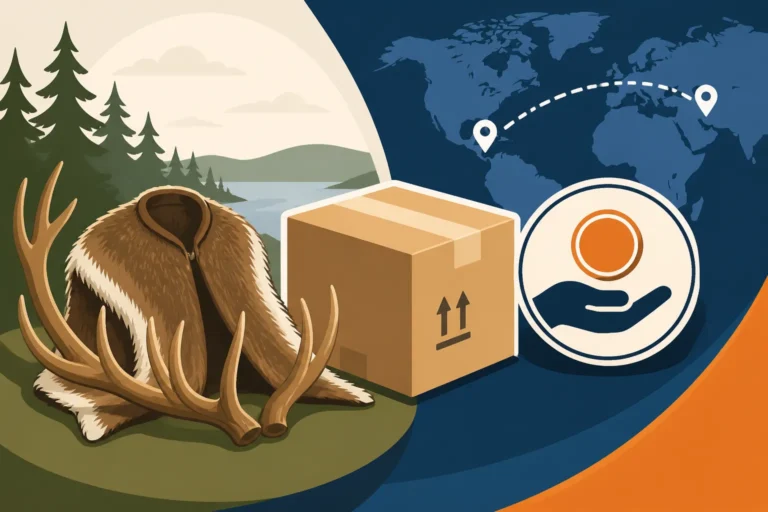
For big game, if you're taking the meat home, the outfitter will either have facilities to quarter and freeze the meat, or they will direct you to a local butcher shop for professional processing. It's vital to discuss this arrangement beforehand, especially if you plan to transport a significant amount of meat. For trophies, your guide will typically help with skinning and caping for taxidermy purposes, ensuring the cape is properly prepared and stored. They can also advise on local taxidermists or prepare the skull for a European mount. If you plan to take antlers or capes across international borders, make sure you understand the import/export regulations for both Canada and your home country, as well as any CITES restrictions for certain species. Manitoba Taxidermists and Trophy Shipping is a good topic to discuss with your outfitter.
Safety and Emergency Preparedness
Safety is paramount on any hunting trip, and a reputable outfitter will make it their top priority. Before the hunt, your guide should cover safety briefings, including proper firearm handling, communication protocols, and what to do in an emergency. They are typically trained in first aid and carry emergency communication devices (satellite phones, InReach devices) in areas without cell service.
Manitoba's wilderness can be unforgiving, with extreme weather, challenging terrain, and the presence of dangerous wildlife. Your guide's knowledge of the local area and experience in handling emergencies is invaluable. They understand the risks and take precautions to minimize them, from ensuring safe travel to and from hunting locations to advising on appropriate clothing and gear to prevent hypothermia or frostbite in cold conditions. Always follow your guide's instructions, communicate any concerns or discomfort, and never take unnecessary risks. Knowing that your guide has a solid emergency plan allows you to hunt with greater peace of mind. For remote hunts, discussions about Manitoba's Northern Fly-In Access and the associated safety protocols are crucial.
Making the Most of Your Guided Experience
A guided hunt in Manitoba is an investment—of time, money, and personal anticipation. To ensure you get the absolute most out of this adventure, approaching it with the right mindset and proactive engagement can greatly enhance your success and overall enjoyment.
Building a Relationship with Your Guide
Your guide is your partner in the field, and a strong, respectful relationship can significantly impact your hunt. They are dedicating their time and expertise to help you succeed, so treat them as such. Listen intently to their advice, even if it contradicts a method you've used before. Remember, they know this specific terrain and these specific animals better than anyone. Be honest about your skill level and physical capabilities; this helps them make informed decisions that benefit you.
Engage in conversation, ask questions, and show genuine interest in their knowledge of the land, wildlife, and local culture. This fosters camaraderie and can lead to a richer, more personalized experience. Guides often have incredible stories and insights that go beyond just finding game. A positive attitude, even when the hunting is slow, is contagious and makes the experience enjoyable for everyone. Remember, they are working hard for you, often from before dawn until well after dark. Show appreciation through good communication and, when the time comes, a thoughtful gratuity. Your outfitter might be based in specific areas like Manitoba Outfitters in the Parkland or Manitoba Outfitters in the Boreal North, and these regional differences often influence the guide's approach.
Flexibility and Adaptability
Hunting in the wild is inherently unpredictable. Weather can change drastically, animals can alter their patterns overnight, and even the most meticulously laid plans can be derailed. The most successful hunters, and those who enjoy their guided trips the most, are those who embrace flexibility and adaptability. If your guide suggests changing tactics or moving to a different area due to unforeseen circumstances, trust their judgment. They are making those decisions based on real-time observations and years of experience.
Don't go into the hunt with rigid expectations of precisely where you'll be or exactly what kind of animal you'll harvest. Focus on the overall experience: the beauty of the Manitoba landscape, the challenge of the hunt, the camaraderie with your guide. Be prepared for early mornings, long days, and potentially tough weather. A positive attitude and willingness to adapt to changing conditions will make the hunt far more enjoyable, regardless of the outcome. You might find yourself Hunting Whitetails at Thirty Below or enduring a sudden downpour, and flexibility is key to staying positive.
Post-Hunt Logistics and Memories
Even after the shot is fired and the animal is down, there are still logistical steps to consider. Beyond the initial meat and trophy care, discuss with your outfitter how you'll get your meat processed, packaged, and transported home. If you plan to fly with game meat or antlers, ensure you understand airline regulations and any import restrictions back home. For taxidermy, decide if you'll use a local Manitoba taxidermist (your outfitter can usually recommend one) or ship your trophy home.
Finally, take the time to reflect on your experience. A guided hunt is more than just bagging an animal; it's about the adventure, the lessons learned, and the memories created. Exchange contact information with your guide and any fellow hunters you met. Share photos and stories. Consider writing a review for the outfitter to help other hunters make informed decisions. Many hunters return to the same outfitter year after year, building lasting relationships and continuing their Manitoba hunting traditions. Perhaps you'll even consider a Manitoba Combination Hunt Packages for your next adventure, expanding your horizons and making even more memories.
Disclaimer
This article is for general informational purposes only and does not constitute professional advice. Laws, prices and regulations vary by location and change over time. Consult a qualified professional for guidance on your specific situation.