Manitoba Outfitters in the Boreal North
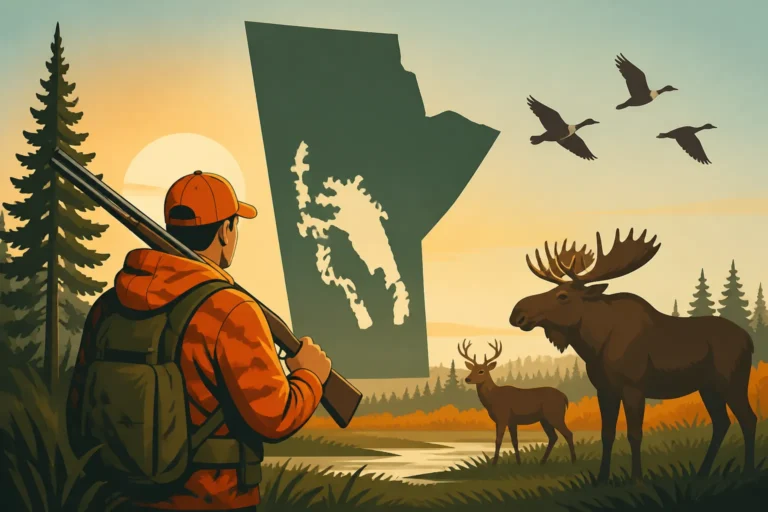
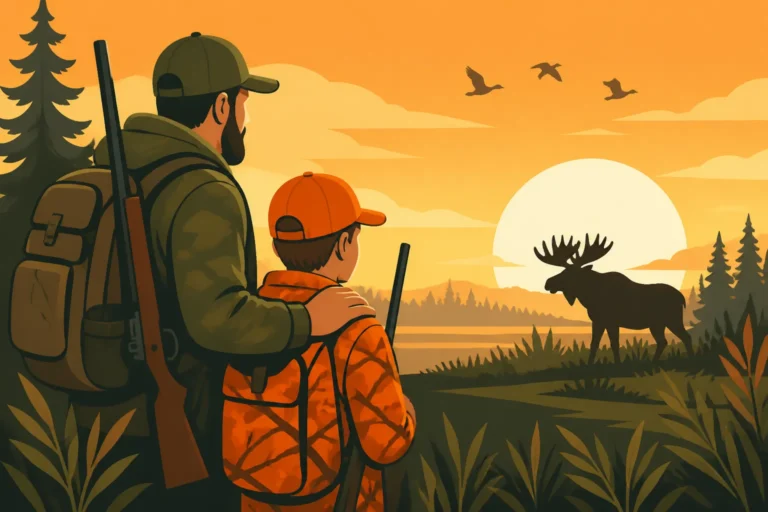
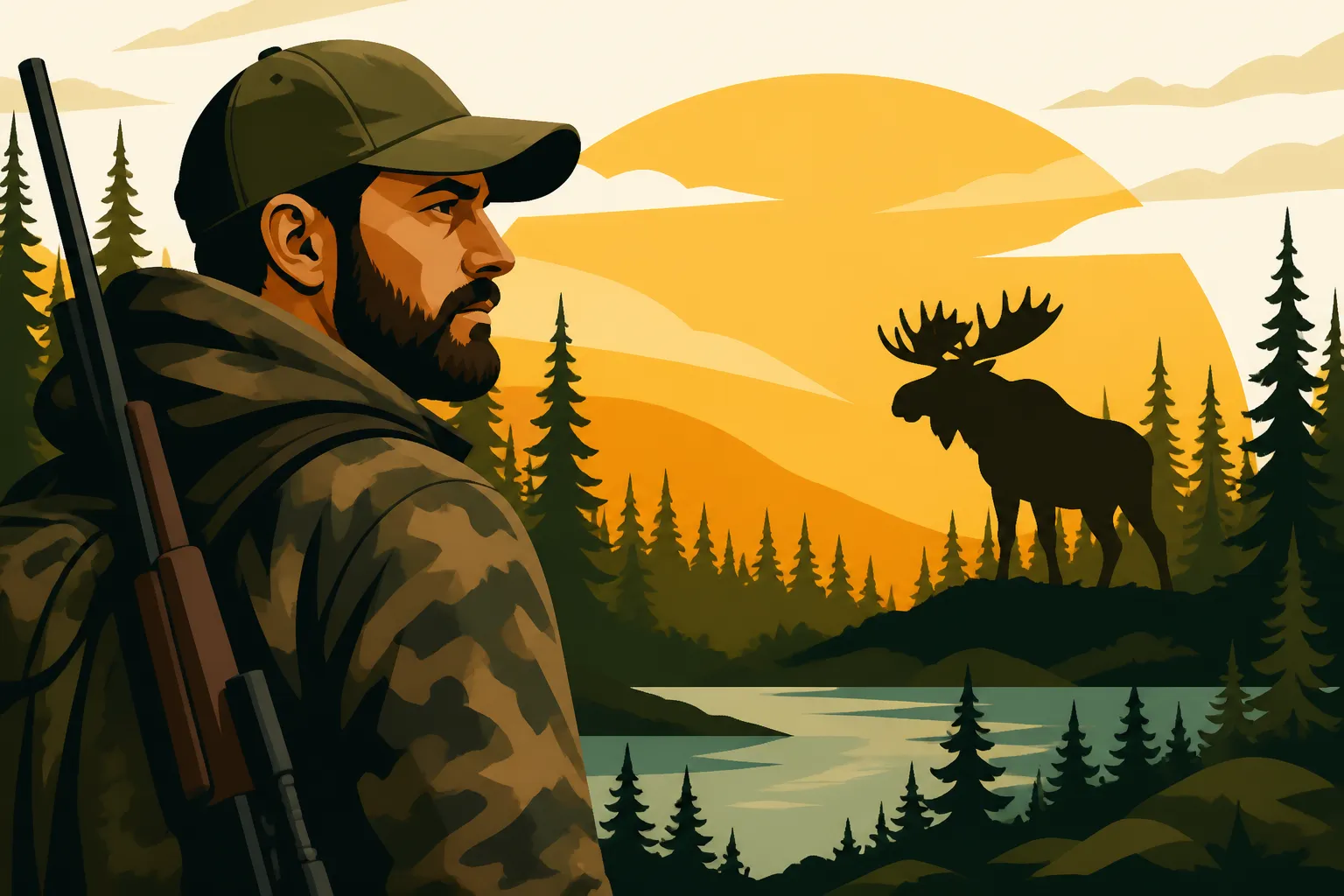
The allure of Manitoba's Boreal North for hunters is undeniable, but the sheer vastness and untamed nature of this region can feel utterly overwhelming for anyone planning a hunt. Many of you dream of a true wilderness experience, perhaps a monumental moose, a robust black bear, or even a glimpse of caribou, yet the logistics of navigating such remote terrain, securing tags, and simply staying safe often feel like insurmountable obstacles. This guide aims to demystify the process of hunting in Manitoba's challenging Boreal North by focusing on how outfitters provide essential support, expertise, and a pathway to a successful and unforgettable adventure.
Understanding the Boreal North Hunting Experience
Hunting in Northern Manitoba isn't just a trip; it's an expedition into one of North America's last true wildernesses. This isn't your typical whitetail hunt from a heated blind near a cornfield. The Boreal North demands respect, preparation, and often, specialized assistance to truly unlock its potential.
The Unique Challenges of Northern Manitoba Hunting
Let's be real: the Boreal North isn't for the faint of heart. The terrain is dense, unforgiving, and vast beyond imagination. We're talking about endless forests of spruce, pine, and poplar, intersected by countless lakes, rivers, and muskeg. Access can be a huge hurdle; many prime hunting areas are only reachable by float plane, boat, or extensive ATV trails. You won't find a Tim Hortons or even a gas station around every corner up here. The sheer scale of the landscape means that finding game, especially migratory species or those with large home ranges like moose, requires intimate knowledge of the area and their seasonal movements.
Weather is another major player. While beautiful, northern Manitoba can dish out extreme cold, sudden snowfalls, and biting winds, even in what might be considered milder hunting seasons. Then there's the navigation aspect. Unless you're an experienced bushman with top-tier GPS and satellite communication, getting lost is a very real, very dangerous possibility. For many, the idea of venturing into this expanse alone, without a solid plan and experienced guidance, is enough to keep them on the couch, dreaming rather than doing.
Key Species Hunted in the Boreal North
When we talk about hunting the Boreal North, a few iconic species immediately spring to mind, each offering its own thrilling challenge.
First up, and arguably the most sought-after, is the mighty moose. Manitoba's boreal forests are classic moose habitat, offering the dense cover and aquatic vegetation these giants thrive on. Hunting Moose Across Manitoba's Boreal Forest often involves calling them in during the rut, stalking through thick bush, or glassing clearings and cutlines. It's a physically demanding hunt, and packing out a moose from remote territory is a monumental task in itself.
Then there's the robust black bear. The vast wilderness of the Boreal North supports a healthy population of black bears, and many hunters are drawn to the region for the opportunity to encounter a large, often colour-phase, bear. Black Bear Hunting in Manitoba typically involves baiting in the spring or fall, or spot-and-stalk if you're truly adventurous. The remoteness of the Boreal North ensures less pressure, which can lead to impressive bears.
Finally, for those seeking a truly unique adventure, there's the barren-ground caribou. While their migrations can be unpredictable, portions of Manitoba's far north are touched by these incredible herds. Barren-Ground Caribou in Northern Manitoba hunting is a bucket-list hunt, often requiring fly-in camps and a willingness to brave truly wild, open country. Wolves are also present throughout the boreal, and some outfitters offer opportunities for Hunting Wolves in Manitoba's North as an add-on or dedicated hunt, which can be an incredibly strategic and challenging pursuit.
Why Consider a Northern Manitoba Outfitter?
For many, the idea of an unguided hunt in the Boreal North feels like a rite of passage. But for the vast majority of hunters, especially non-residents or those new to the region, an outfitter isn't just a luxury – it's a practical necessity that dramatically increases your chances of a safe and successful trip.
Navigating the Logistics: Access and Permits
One of the biggest headaches when planning a northern hunt is simply figuring out how to get there and what paperwork you need. Many of the best hunting grounds are incredibly remote, tucked away deep in the bush where roads don't exist. This is where outfitters truly shine. They specialize in Manitoba's Northern Fly-In Access, often chartering float planes directly to spike camps on secluded lakes or river systems. Imagine trying to coordinate a float plane, find a reputable pilot, and secure landing permissions on your own – it's a monumental undertaking.
Beyond physical access, there's the labyrinth of licences and permits. For non-residents, especially those from outside Canada, certain big game species in Manitoba require you to hunt with a licensed outfitter. This isn't optional; it's the law. An outfitter handles all the regulatory nuances, ensuring you have the correct Manitoba Hunting Licences and What They Cost and understanding the specific GHA (Game Hunting Area) rules, which can vary wildly. They navigate the details of Rules for Non-Residents Hunting Manitoba, making sure your trip is legal and compliant, which frankly, takes a massive weight off your shoulders.
Expertise and Local Knowledge
You can spend countless hours studying maps and satellite imagery, but nothing, absolutely nothing, replaces generations of local knowledge. Outfitters and their guides live and breathe the Boreal North. They know the subtle shifts in game movement due to weather patterns, where the moose are feeding on willow shoots after a burn, or which ridge the bears prefer to cross. This isn't just about finding animals; it's about understanding the ecosystem.
A skilled What a Licensed Manitoba Guide Provides extends far beyond merely pointing out a target. They can read the subtle signs on the forest floor, interpret changing wind directions, and know exactly how to call a bull moose into bow range or position a hunter for a perfect shot on a black bear. Their experience helps you avoid dangerous situations, whether it's navigating tricky waterways, identifying fresh bear sign, or simply staying oriented in an otherwise trackless wilderness. For instance, knowing which beaver ponds are active, or where an old logging road might lead to a hidden muskeg, is invaluable information that only comes from years of boots-on-the-ground experience.
Enhancing Safety and Comfort
Safety in the Boreal North is paramount. A simple sprained ankle can turn into a life-threatening situation quickly when you're days away from the nearest medical facility. Outfitters provide a crucial layer of safety infrastructure. They are equipped with satellite phones, emergency beacons, first aid supplies, and most importantly, an intimate understanding of Emergency Plans in Manitoba's Bush. They know the nearest remote nursing stations, how to signal for help, and critical survival skills.
Beyond safety, outfitters significantly enhance your comfort. After a long day of hunting in challenging conditions, the last thing you want to do is set up a tent, chop firewood, and cook over an open fire in the dark. An outfitter's camp, whether it's a sturdy cabin, an established wall tent camp, or even a comfortable lodge, offers warmth, hearty meals, and a place to truly rest and recharge. They handle the camp chores, allowing you to focus purely on the hunt. This might sound minor, but the difference between a miserable, cold night and a warm, well-fed one can profoundly impact your hunting experience and your mental resilience for the next day's pursuit.
What to Expect from a Boreal North Outfitter Package
So, you're thinking an outfitter might be the way to go. Great! But what does a typical package actually include? Understanding this helps manage expectations and ensures you're comparing apples to apples when looking at different operations.
Typical Inclusions and Exclusions
Most reputable northern Manitoba outfitters offer an "all-inclusive" package, but it's crucial to read the fine print. Generally, these packages will cover your accommodation in camp (which might be anything from a rustic cabin to a canvas wall tent), all your meals, professional guiding services (often 1-on-1 or 2-on-1, meaning one guide for one or two hunters), and transportation to and from the nearest town or pick-up point to the camp. Basic trophy care, such as skinning, caping, and initial freezing, is usually included. Some might even provide a pack service to get your animal out of the bush.
However, there are almost always exclusions that add to the overall What a Manitoba Guided Hunt Costs. These typically include your hunting licences and tags (you buy these separately, often through the outfitter's guidance), any applicable taxes, gratuities for your guide and camp staff, personal hunting gear (your rifle, ammunition, clothing, boots), alcoholic beverages, and sometimes even the final transport of your meat and trophy from the main staging area back to your home. Travel to Manitoba itself, whether flying into Winnipeg or driving to a northern town, is also your responsibility. Always clarify these details upfront to avoid any unwelcome surprises.
Common Hunt Structures and Durations
The structure of a boreal hunt is largely dictated by the species you're pursuing and the remoteness of the area. Moose hunts, for example, often involve extensive boat travel along rivers and lakes, or long walks through dense timber, setting up calling stands in strategic locations. These are often 6-8 day hunts to allow for travel in and out and sufficient time to locate and work an animal. Calling a Bull Moose in the Rut requires patience and strategic movement.
Black bear hunts tend to be structured around established bait sites, with hunters sitting in blinds for several hours, usually in the late afternoon and evening. These hunts are typically 5-7 days, allowing for different weather patterns and bear activity. Caribou hunts, especially in Manitoba's far north, are often fly-in affairs, setting up spike camps and then venturing out on foot, sometimes with ATVs, to intercept migrating herds. These can be shorter, intense 4-6 day hunts, depending on herd location. Outfitters in the Boreal North may specialize in a particular species, so make sure they align with your primary hunting goal.
Understanding Different Levels of Service
While the Boreal North often necessitates a fully guided experience due to its challenges, it's worth understanding the different levels of service you might encounter, even if some are less common in this specific region.
- Fully Guided: This is the most common model in northern Manitoba. You have a dedicated guide (or a shared guide for a small party) who leads you throughout the hunt, provides expertise, handles game retrieval, and often assists with field dressing and trophy preparation. This is ideal for first-time northern hunters or those who prioritize a seamless, supported experience.
- Semi-Guided: Less common for big game in the deep boreal, but sometimes seen for waterfowl or small game. Here, the outfitter provides a camp, food, and general guidance, perhaps dropping you off at pre-scouted locations, but you do the actual hunting and animal retrieval largely on your own. Given the dangers of the Boreal, this is generally not recommended for big game species unless you have extensive wilderness experience.
- Drop Camps: Also less common for big game in the permit-required areas of the Boreal North, a drop camp involves the outfitter flying you into a remote, pre-set camp (sometimes with basic amenities) and leaving you to hunt independently. They return to pick you up at a pre-arranged time. This demands a high level of self-sufficiency, navigation skills, and emergency preparedness. Always check regulations, as some areas may require a licensed guide for non-residents even in a drop camp scenario.
For the most part, when dealing with northern Manitoba outfitters for moose, bear, or caribou, you'll be looking at fully guided services, which for good reason, are the most sensible option given the conditions.
Choosing the Right Outfitter for Your Boreal Adventure
Deciding to hunt with an outfitter is a big investment, both financially and in terms of your valuable time. Choosing the right one is paramount to ensuring a successful and enjoyable experience. This is not a decision to rush.
Researching and Vetting Potential Outfitters
Start your research early. Like, really early – sometimes a year or two in advance, especially for prime dates. The internet is your friend here, but take everything with a grain of salt. Look for outfitters specifically advertising hunts in Manitoba's Boreal North. Websites like BookYourHunt or GoHunt can be useful starting points to discover outfitters operating in the region, but don't stop there.
Once you have a few names, dive deeper. Look for reviews and testimonials, but also ask for references from past clients, specifically from hunters who pursued the same species you're interested in. A reputable outfitter should be happy to provide these. When you call these references, ask detailed questions: "Did they deliver on their promises?", "What was the camp like?", "How experienced was the guide?", "Were there any unexpected costs?", "Would you hunt with them again?". Additionally, check if the outfitter is a member of any provincial or national outfitter associations, as this often indicates a commitment to professional standards. You want to make sure you're Choosing the Right Manitoba Outfitter.
Key Questions to Ask Before Booking
Once you've narrowed down your choices, get on the phone with the outfitter. This is where you clarify all those details and get a feel for their operation and personality.
- Success Rates: This is a big one, but ask for realistic success rates over the past few seasons, not just a highlight reel. Also, differentiate between "opportunity rates" (seeing game) and "kill rates" (harvesting game). A good outfitter will be transparent and explain the factors that influence success, such as weather, hunter skill, and specific GHA conditions.
- Guide-to-Hunter Ratio: For big game in the Boreal, 1-on-1 or 2-on-1 guiding is standard and preferred. Ensure you know exactly what your group's ratio will be. More hunters per guide often means less personalized attention.
- Camp Details: What are the accommodations like? Is there electricity, running water, showers? What about cell service or satellite internet (often minimal or non-existent in the deep north)? What kind of food is served? Knowing these specifics helps you pack and sets your expectations correctly.
- Contingency Plans: What happens if there's severe weather? What if someone gets injured? How do they handle unforeseen circumstances? A good outfitter will have clear protocols for these situations.
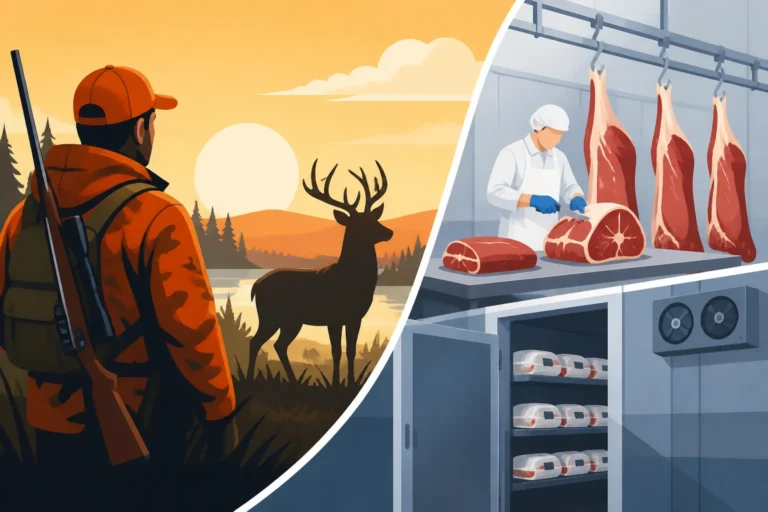
- Trophy Care and Meat Handling: How is the meat processed? Is there cold storage? What are the options for getting your trophy caped and frozen, and then shipped? This is vital, especially when you're far from home and dealing with a large animal. Ask about Manitoba Meat Processing and Cold Storage.
Financial Considerations and Booking Timeline
Northern Manitoba hunts are an investment, and often a significant one. Be clear on the total cost, including all those potential exclusions. Deposits are standard and usually non-refundable, so understand their cancellation policy. Travel insurance, particularly hunt cancellation insurance, is highly recommended for such trips, given the variables of wilderness travel and weather.
As mentioned, booking well in advance is crucial, especially for prime rut dates for moose or bear hunts during peak seasons. Many top outfitters are booked a year or two out, sometimes more. This gives you time to save, prepare, and truly plan your Planning a Manitoba Hunting Trip. Don't wait until the last minute, as you'll be left with fewer choices and potentially less desirable dates. Be prepared to put down a significant deposit when you book, with the remainder due closer to the hunt date.
Preparing for Your Northern Manitoba Hunt
Once you've booked your adventure, the real work begins! Proper preparation is key to both your enjoyment and your success in Manitoba's Boreal North.
Physical and Mental Preparation
Hunting in the boreal forest can be physically demanding. Expect long days of walking through dense bush, climbing over downed timber, navigating uneven terrain, and potentially wading through shallow muskeg. If you tag out, you'll be involved in field dressing and potentially packing out hundreds of pounds of meat in challenging conditions. Start a fitness regimen well before your hunt: focus on cardio, strength training, and endurance. Being in good physical shape will make the experience far more enjoyable and safer.
Mentally, prepare for the realities of wilderness hunting. It's not a guarantee. You might go days without seeing your target animal. The weather might be miserable. Bugs can be relentless. Cultivate patience, resilience, and a positive attitude. The Boreal North will test you, but that's part of the adventure. Embrace the solitude, the quiet, and the sheer majesty of the landscape, regardless of your hunting success.
Essential Gear and Clothing
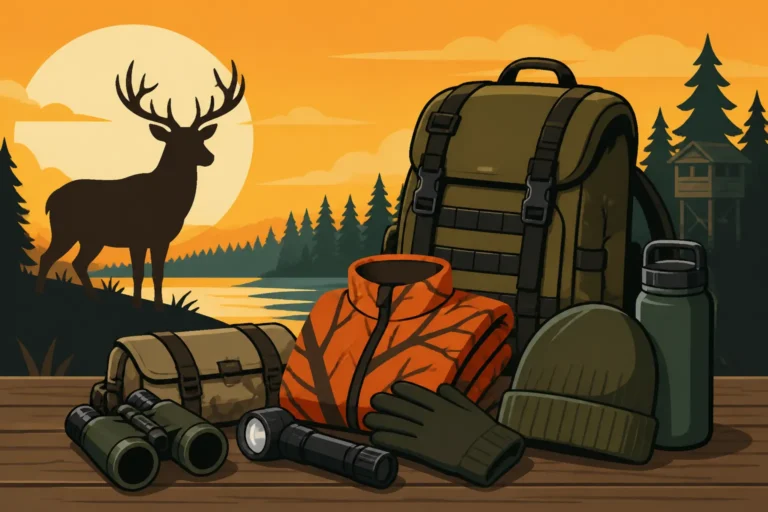
This is not the place to skimp on gear. The cold in Northern Manitoba, especially in late fall, can be extreme. Layering is absolutely critical. Think quality base layers (wool or synthetics, no cotton!), insulating mid-layers (fleece or down), and a waterproof, windproof outer shell. Your boots must be waterproof, warm, and well-broken in, offering excellent ankle support for rough terrain. Consider insulated rubber boots for marshy areas or sitting in a stand. Consult Dressing for Manitoba's November Cold for specific recommendations.
Don't forget essentials like a good headlamp, a reliable knife, binoculars, a small pack for daily essentials, and a high-quality sleeping bag rated for extreme cold if you're in a spike camp. While your outfitter will likely have emergency communication, carrying a personal satellite messenger or GPS device for your own peace of mind is never a bad idea. For more general advice, check out What to Bring to a Manitoba Deer Camp.
Firearm and Archery Readiness
Your weapon is your tool for success, and you need to be intimately familiar with it. If you're using a rifle, practice shooting from various positions (standing, kneeling, prone) and at different ranges that you might encounter in the bush, which can often be surprisingly close but also require accuracy through small windows in the trees. Understand the Legal Rifle Calibres for Big Game in Manitoba and ensure your chosen calibre is appropriate for the species you're hunting. For bows, practice regularly to ensure consistent accuracy under pressure.
If you're a non-resident, particularly from outside Canada, familiarize yourself with the regulations for Bringing Firearms Into Manitoba and completing The Non-Resident Firearm Declaration form. This needs to be done meticulously to avoid issues at the border. Always transport your firearm unloaded and securely cased. Your outfitter can usually advise on specific requirements.
It's a huge undertaking to plan a hunt in Northern Manitoba, but with the right outfitter, it transforms from a daunting challenge into an accessible and rewarding adventure of a lifetime.
| Species Hunted | Typical Season | Access Method | Hunt Style | Outfitter Service Emphasis |
|---|---|---|---|---|
| Moose | Fall (Sept-Oct) | Fly-in, Boat, ATV | Calling, Stalking, Spot & Stalk | Expert calling, game retrieval, bush navigation, camp comfort |
| Black Bear | Spring (May-June) / Fall (Aug-Sept) | Fly-in, Truck, ATV | Baiting, Spot & Stalk | Bait site management, safe blind placement, trophy care |
| Barren-Ground Caribou | Late Summer/Fall (Aug-Sept) | Fly-in, Hike, ATV | Spot & Stalk, Intercept Migration | Remote spike camps, tracking herds, wilderness survival |
| Wolf | Winter (Nov-March) | Snowmobile, ATV, Truck | Calling, Baiting | Tracking, strategic setup, cold weather logistics |
Disclaimer
This article is for general informational purposes only and does not constitute professional advice. Laws, prices and regulations vary by location and change over time. Consult a qualified professional for guidance on your specific situation.