Manitoba Outfitters in the Parkland
For many hunters, the thought of exploring Manitoba's vast and game-rich Parkland region is incredibly exciting, but the challenge of finding the right outfitter to navigate this diverse landscape can feel overwhelming. This comprehensive guide is designed to shed light on what makes hunting with an outfitter in Manitoba's Parkland unique, helping you understand the services available, how to choose a reputable guide, and what you can expect for a successful and memorable hunting adventure.
Understanding the Parkland Region's Unique Hunting Opportunities
Manitoba's Parkland region isn't just a geographical area; it's a vibrant tapestry of ecosystems that provides an incredible home to a variety of big game and bird species. This unique blend of habitat types means that outfitters operating here need a very specific set of skills and knowledge to ensure their clients have a great experience. When you're considering a hunt in the Parkland, understanding this landscape is your first step.
The Diverse Landscape
Imagine rolling hills, often carved by ancient glacial movements, interspersed with fertile agricultural fields. These fields are typically surrounded by dense pockets of aspen, willow bluffs, and mixed forest cover. Further into the Parkland, especially towards the larger provincial forests, you'll find more substantial stands of timber, ranging from aspen and poplar to spruce. This patchwork environment is precisely why the Parkland is so productive for game. The agricultural lands provide abundant food sources like corn, wheat, and canola, while the bush country offers essential bedding, cover, and escape routes. Understanding these transitions, like a Hunting a Bluff Between Two Fields or a Hunting a Willow Run for Whitetails, is where a good outfitter truly shines. They know how game uses these diverse elements, from deer moving between fields and bush at dawn and dusk, to elk retreating into the thickest cover during the day. The sheer variety here means you might be sitting a field edge in the morning and still-hunting through heavy bush in the afternoon.
Key Game Species in the Parkland
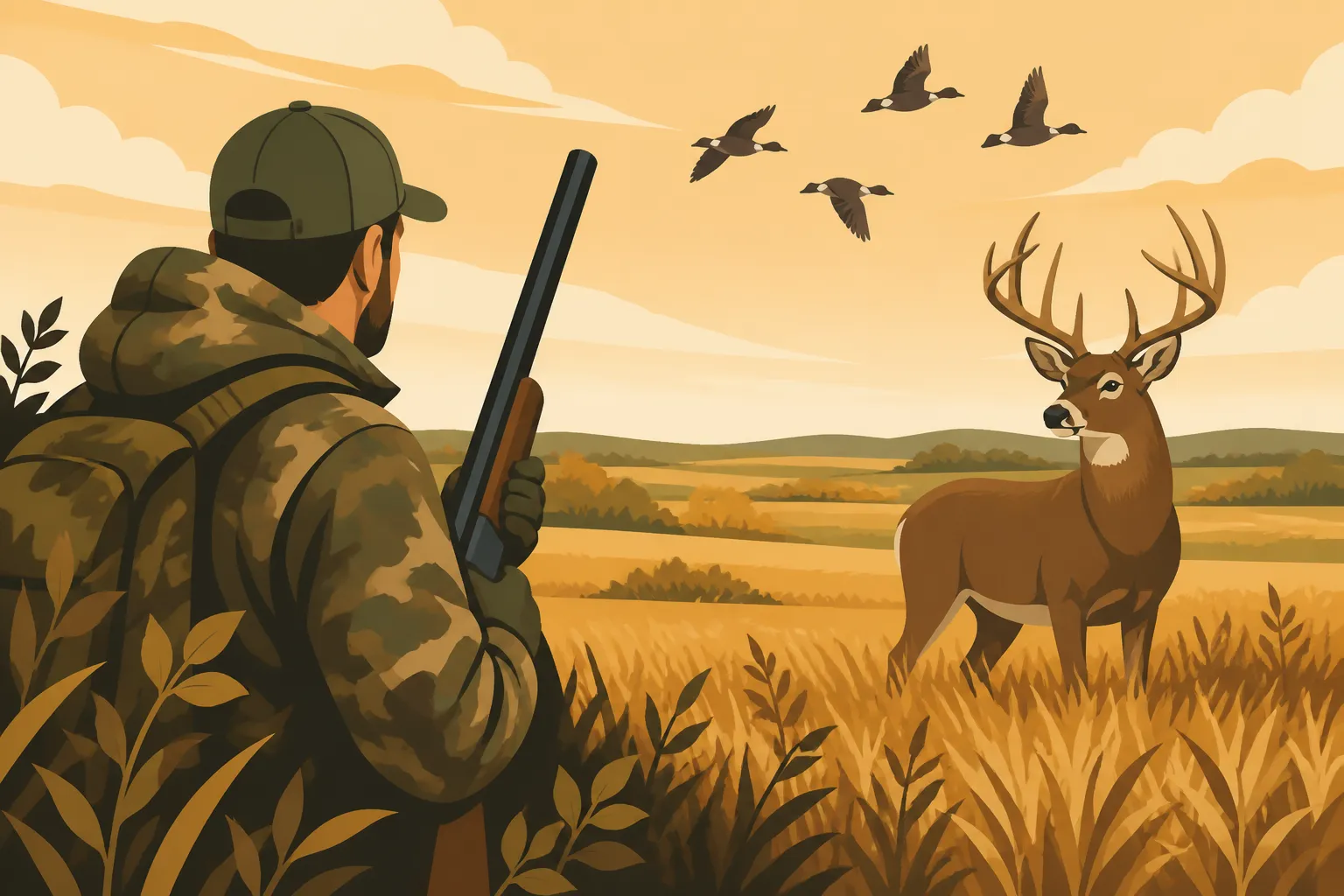
The Parkland region is a hunter's paradise primarily known for its thriving populations of white-tailed deer, but it also offers incredible opportunities for elk, black bear, and various game birds. Outfitters in this region often specialize, or offer combo hunts, catering to these diverse species. For instance, many will focus heavily on guiding for trophy whitetails, understanding their patterns around agricultural land and bush edges. White-Tailed Deer, Manitoba's Most Hunted Animal truly thrive in this habitat. However, the same outfitters might also have excellent bear hunting programs, especially in the more heavily treed areas where bears frequent bait sites. Some parts of the Parkland also boast healthy elk herds, especially closer to the larger blocks of forest such as the Duck Mountain and Porcupine Hills, requiring different hunting strategies, often focused on calling during the rut. Then there's the phenomenal waterfowl and upland bird hunting, with geese and ducks flocking to the grain fields, and sharp-tailed grouse holding in the native prairie remnants. A good outfitter will be upfront about their primary focus and the species they excel in guiding for.
Seasonal Hunting Experiences
The hunting opportunities in Manitoba's Parkland vary significantly with the seasons, from the crisp days of early archery to the colder, snow-dusted weeks of the rifle season. Each period offers a distinct experience and calls for different outfitter services. Early archery season, often starting in September, allows hunters to pursue deer and elk before significant leaf drop, which means focusing on travel corridors and food sources. This can be a great time for Bowhunting Manitoba's Early Season. As October progresses, conditions change, and by November, the much-anticipated whitetail rut kicks in, offering some of the most exciting big game hunting. Hunting the Rut in Early to Mid November in the Parkland can be explosive, with bucks actively searching for does. Outfitters during this period often utilize heated ground blinds or tree stands overlooking strategic funnels or scrape lines. Later in the season, during rifle hunts, snow can play a crucial role, revealing fresh tracks and concentrating animals, especially as temperatures drop. Rifle Hunting Manitoba's Whitetail Rut in the Parkland might involve watching key crossings or large tracts of bush. Waterfowl outfitters, on the other hand, follow the migrations, setting up massive decoy spreads in cut fields from September through late fall.
What to Expect from a Manitoba Parkland Outfitter
Booking a guided hunt is a significant investment, and understanding what services a reputable Parkland outfitter provides is crucial for setting realistic expectations and ensuring a smooth, enjoyable trip. From the moment you arrive until you depart, a good outfitter aims to handle most of the heavy lifting, allowing you to focus on the hunt itself.
Services Typically Offered
Most Manitoba Parkland outfitters offer a comprehensive package that covers the essentials for a successful hunt. This typically includes the professional guiding service, ensuring you have experienced personnel leading you in the field who understand Manitoba's Game Hunting Areas intimately. Beyond guiding, lodging is almost always part of the deal. This can range from comfortable cabins or lodges with all the amenities to more rustic, but still cozy, camps. Meals are also usually provided, often hearty, home-cooked fare designed to fuel hunters through long days. Transportation within the hunting area, such as to and from blinds or stands, is standard. Post-harvest services are also critical: expect assistance with field dressing your animal, and often basic caping for taxidermy. Some outfitters may also offer transportation of your animal to a local meat processor or taxidermist. It’s important to clarify these details upfront to avoid any surprises.
Types of Hunts Available
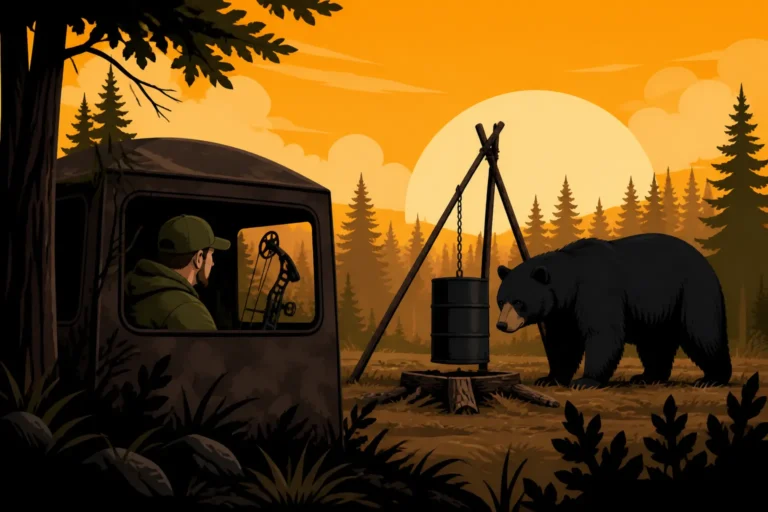
Due to the Parkland's diverse habitat, outfitters offer a variety of hunting styles to match the species and season. For whitetails, stand hunting from strategically placed tree stands or ground blinds is very common, especially during the rut when bucks are moving. These stands might overlook agricultural fields, bush edges, or natural funnels that deer use. Some outfitters might employ rattling or calling techniques for whitetails, which can be incredibly effective during the peak rut. For black bears, baiting is the predominant method during both spring and fall seasons. Hunters will typically sit in a blind or stand overlooking an active bait site. Black Bear Hunting in Manitoba requires patience and good optics. Elk hunts, especially during the September archery season, often involve calling and spot-and-stalk tactics in the more timbered areas. Waterfowl hunting is a completely different ballgame, involving large decoy spreads in grain fields, often with layout blinds or pits, to draw in ducks and geese. Waterfowl Hunting Manitoba's Grain Fields offers thrilling fast-paced action. Make sure the type of hunt offered aligns with your preferences and physical capabilities.
The Importance of Local Knowledge
In a region as varied as the Parkland, an outfitter's deep local knowledge is not just an advantage; it's practically a necessity. They understand the subtle nuances of game movement based on weather, crop rotation, and hunting pressure. This isn't something you can pick up in a weekend trip. A seasoned Parkland outfitter knows exactly where deer will cross a frozen slough, which bush trails are most active, and where the biggest bucks in a particular area tend to bed down. They understand the patterns of waterfowl using specific fields, often scouting daily to keep up with bird movements. Their expertise extends to understanding the local regulations, GHA boundaries, and often, established relationships with landowners which can be critical for accessing prime hunting ground. When you're considering an outfitter, ask about their experience in that specific GHA or area of the Parkland, as it directly impacts your chances of success. It's truly a skill to be able to Reading Whitetail Sign in Manitoba Aspen and predict movement.
Choosing the Right Parkland Outfitter for Your Hunt
Selecting the right outfitter can make or break your hunting trip. It’s more than just finding someone with a license; it’s about finding a professional whose operation, values, and expertise align with your hunting goals. Taking the time to do your homework before committing is paramount.
Researching Reputable Outfitters
Start by researching outfitters who specifically operate within Manitoba's Parkland region. Look for those with a long-standing presence and a good reputation. Online platforms can be incredibly helpful here. Websites like BookYourHunt and GoHunt are great starting points, often featuring detailed profiles, client testimonials, and contact information for various outfitters. Don't just skim reviews; read them carefully, looking for consistent praise regarding guiding quality, camp conditions, and overall experience. Always verify that the outfitter holds a current Manitoba Outfitter's license. This indicates they meet provincial standards and are legally operating. What a Licensed Manitoba Guide Provides extends beyond just showing you where to go; it's about ethical operation and safety too. Don't hesitate to ask for references, and actually call them. Speak to past clients about their experiences, both good and bad, and what they would do differently.
Understanding Package Inclusions and Exclusions
Before you sign on the dotted line, it's absolutely vital to have a crystal-clear understanding of what your hunting package includes and, perhaps more importantly, what it doesn't. Many outfitters offer all-inclusive packages that cover guiding, accommodation, and meals. However, some essential items are almost always extra. This includes your Manitoba hunting license and species tags (which are separate costs, and you'll need to know about Manitoba Resident Licence Options or non-resident equivalents), applicable taxes, and gratuities for your guide and camp staff. Beyond that, consider the costs for meat processing, taxidermy services, and shipping trophies home. Ammunition, personal gear, and often alcoholic beverages are also typically not included. Some outfitters might offer additional services like airport pickup or extra hunting days for an additional fee. Get a written breakdown of all costs and inclusions to prevent any financial surprises during your trip.
Asking the Right Questions Before Booking
Once you've narrowed down your choices, it’s time to pick up the phone or send those emails with a list of targeted questions. Don't be shy; a professional outfitter will welcome your thoroughness. Ask about their typical hunter-to-guide ratio – one-on-one guiding usually costs more but offers more personalized attention. Inquire about their success rates, but be realistic; no outfitter can guarantee a harvest. Instead, ask about shot opportunities and general client satisfaction. Understand the physical demands of the hunt – will you be walking long distances, or sitting in a blind? What are the camp amenities like? Is there cell service, or Wi-Fi? What are their emergency procedures in the event of an accident or unexpected weather? Finally, discuss cancellation policies and what happens if unforeseen circumstances (like travel restrictions or illness) prevent you from going. Asking a Manitoba Outfitter for References is a non-negotiable step to validate their claims and service.
Logistics and Practicalities for a Parkland Hunt
Planning a hunting trip to Manitoba's Parkland involves more than just booking an outfitter; it requires careful consideration of travel, gear, and post-hunt logistics. Being well-prepared for these practical aspects can significantly enhance your overall experience.
Travel and Access to Parkland Regions
Getting to Manitoba's Parkland regions is generally straightforward, whether you're driving or flying. Many outfitters operate within a few hours' drive of Winnipeg, Manitoba's capital, which has a major international airport. If you're flying in, you'll likely land in Winnipeg and then either rent a vehicle or arrange for your outfitter to pick you up. Discuss pickup options and costs with your outfitter well in advance. Road conditions in the Parkland are typically good, with well-maintained highways and gravel roads providing access to most areas. However, during late fall or winter hunts, be prepared for potential snow and ice, especially on secondary roads. Hunting Safely in Deep Winter Cold means having a reliable vehicle and emergency kit. Always check the weather forecast before heading out, as conditions can change rapidly. Remember to properly declare any firearms you are bringing into Canada at the border.
Preparing for the Parkland Climate
Manitoba's weather can be notoriously unpredictable, especially during hunting seasons. Early fall hunts might be mild, but by November, you can expect cold temperatures, strong winds, and snow. Layering your clothing is absolutely essential. Start with a good base layer that wicks moisture, add insulating layers like fleece or down, and top it off with a waterproof and windproof outer shell. Bring warm hats, gloves, and insulated boots – especially if you'll be sitting in a stand for long periods. I always recommend packing more warm clothing than you think you'll need; it's better to have it and not need it, than to need it and not have it. Even in September, evenings can be surprisingly cool, and mornings can be frosty. For spring bear hunts, be prepared for cooler temperatures but also significant insect activity, so bug spray and a head net are wise additions to your pack.
Meat and Trophy Care Post-Harvest
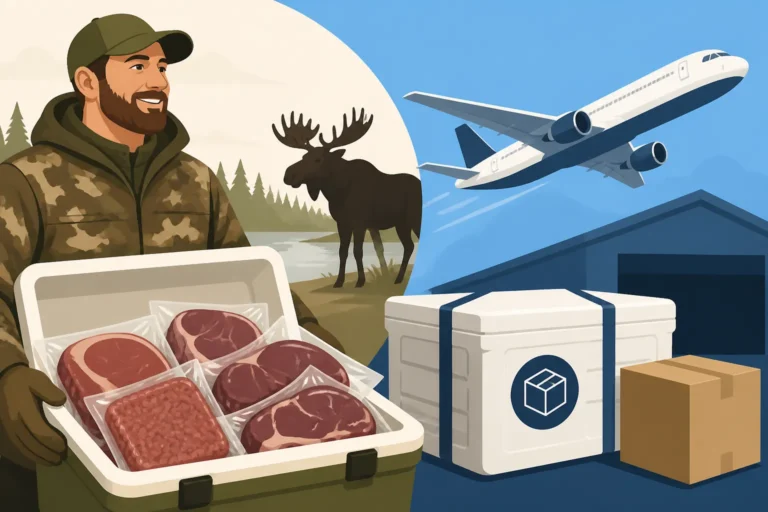
Once you've harvested an animal, the work isn't over. Your outfitter should provide guidance and assistance with field dressing. It's important to keep the meat clean and cool, especially during warmer early season hunts. Most outfitters have facilities or arrangements for cooling game. If you plan to take your meat home, discuss processing options with your outfitter. Many areas have local butchers who can process and package your game for transport. Manitoba Meat Processing and Cold Storage are often services outfitters can facilitate or recommend. For trophies, your outfitter can usually assist with caping and preparing the hide and antlers for a taxidermist. If you're crossing international borders, be aware of import regulations for meat and trophies in your home country. This often involves specific permits, inspections, and potentially additional costs for shipping. Clear communication with your outfitter about your intentions for meat and trophy handling is key.
Maximizing Your Experience with a Parkland Outfitter
A guided hunt is a partnership. While your outfitter provides the expertise and logistics, your role in communication, preparation, and attitude can profoundly impact the success and enjoyment of your trip. Don't underestimate the small things that contribute to a great experience.
Communication with Your Guide
Effective communication with your guide is paramount for a successful hunt. Before the hunt even begins, articulate your expectations and goals. Are you looking for a specific size of animal? Are you more interested in the experience than just punching a tag? Do you have any physical limitations? Once in the field, listen carefully to your guide's instructions. They spend countless hours scouting and understanding the animals' movements, and their advice is gold. Don't be afraid to ask questions if you don't understand something, but also respect their calls in the field. If something isn't working for you, or if you have a specific request, communicate it clearly and respectfully. A good guide wants you to have a great time, but they can't read your mind. This open dialogue ensures that both parties are working towards the same objectives.
Physical Preparation for the Hunt
While some Parkland hunts might involve sitting in a comfortable blind, others can be surprisingly physical. If you're planning on spot-and-stalk for elk or still-hunting whitetails in dense bush, a reasonable level of fitness will significantly enhance your experience. Walking through thick cover, climbing into stands, or dragging an animal out of a remote area can be demanding. Consider incorporating some regular exercise, especially walking or hiking, into your routine in the months leading up to your hunt. This isn't about running a marathon, but about ensuring you can comfortably participate in the day-to-day activities of the hunt without getting overly fatigued. Being in good physical condition also contributes to your mental stamina, helping you stay alert and focused during those critical moments. Even when Hunting Whitetails on Manitoba Farmland, there can be a surprising amount of walking.
Embracing the Parkland Hunting Culture
Hunting with an outfitter in Manitoba's Parkland isn't just about the harvest; it's about the entire experience. Embrace the local culture, the stories shared around the campfire, and the camaraderie with your guide and fellow hunters. Manitoba hunters are known for their hospitality and passion for the outdoors. Be open to learning new techniques or perspectives, and enjoy the beauty of the Parkland landscape. Whether it's the thrill of seeing a trophy buck appear at dawn, the sound of geese cupping their wings over a decoy spread, or simply the quiet solitude of the bush, these moments are often as memorable as the shot itself. Take the time to appreciate the environment, the wildlife, and the unique opportunity you have. It's all part of the adventure in Manitoba's Game Hunting Areas.
Outfitter Vetting Checklist
To help you in your search for the perfect Parkland outfitter, here's a handy checklist to keep track of key considerations:
| Feature/Question | Important Considerations | Your Notes/Confirmation |
|---|---|---|
| Outfitter Licensing | Is the outfitter properly licensed by the Province of Manitoba? (Request license number) | |
| Experience in Parkland | How long have they operated in this specific Parkland GHA? What is their specialization (deer, bear, birds, elk)? | |
| References | Can they provide 3-5 recent references from past clients? (Call them!) | |
| Package Inclusions | What exactly is included (guiding, lodging, meals, field transport, basic field prep)? Get it in writing. | |
| Exclusions/Extra Costs | What is not included (licenses, tags, taxes, tips, processing, taxidermy, alcohol, airport transfer)? | |
| Hunt Type & Style | Does the hunting style (stand, stalk, calling, baiting) match your preference and physical ability? | |
| Success Rates/Opportunities | What are realistic expectations for shot opportunities? Ask about "success" (harvest) vs. "opportunity" (shot chance). | |
| Hunter-to-Guide Ratio | Is it 1:1, 2:1, or higher? How does this affect personalized attention? | |
| Camp & Amenities | Describe lodging, meals, and facilities (power, water, restrooms). Cell service/Wi-Fi availability? | |
| Emergency Procedures | What's the plan for medical emergencies or unforeseen weather events? | |
| Payment & Cancellation | What are the deposit requirements, payment schedule, and cancellation/refund policies? | |
| Post-Harvest Services | Assistance with field dressing, caping, meat processing arrangements, trophy handling/shipping guidance. | |
| Physical Demands | Is significant walking, hiking, or physical exertion required? How much? | |
| Local Knowledge | How do they stay current with game movements, regulations, and access in the specific GHA? | |
| Required Gear/Clothing | What specific gear and clothing do they recommend for the season and conditions? | |
| Season & Dates | Which Manitoba Big Game Season Dates are they booking for, and how do they align with prime activity for your target species? |
Taking the time to fill out this checklist for each outfitter you consider will give you a clear picture and help you make an informed decision, ensuring your Manitoba Parkland hunting adventure is everything you hoped for.
Disclaimer
This article is for general informational purposes only and does not constitute professional advice. Laws, prices and regulations vary by location and change over time. Consult a qualified professional for guidance on your specific situation.