What Lives in Manitoba’s Tundra Transition
Manitoba's vast northern reaches hold a secret that many hunters and outdoor enthusiasts rarely get to experience: the incredible tundra transition zone. This isn't just barren land; it's a dynamic, harsh, and utterly captivating environment where boreal forest gives way to open tundra, creating a unique habitat that supports a surprisingly diverse array of hardy wildlife. If you've ever wondered what truly thrives in this rugged landscape, you're in for an eye-opening journey. This guide will take you deep into the heart of Manitoba's tundra transition, exploring the incredible species that call it home, their survival strategies, and what makes this region so special.
The Landscape of Extremes: Where Boreal Meets Tundra
Imagine standing where the last sparse trees of the boreal forest, twisted and stunted by relentless winds, finally give up their fight against the open, treeless expanse of the tundra. That's the tundra transition zone in northern Manitoba. It's a place defined by dramatic shifts in landscape, climate, and, consequently, the wildlife that calls it home. This isn't your typical bush country or sprawling farmland; it's an ecosystem sculpted by ice, wind, and short, intense summers.
Permafrost and Unique Vegetation
Beneath your feet, even in summer, lies a layer of permafrost – ground that remains frozen for at least two consecutive years. This permanent ice dictates much of the vegetation, preventing deep root growth and contributing to the boggy, waterlogged terrain in many areas. Here, you won't find towering oaks or dense stands of pine. Instead, the landscape is dominated by dwarf shrubs like willow and birch, sedges, mosses, lichens, and a vibrant carpet of wildflowers that burst forth during the fleeting summer. These low-lying plants are incredibly tough, adapted to short growing seasons, poor soils, and freezing temperatures. They might not look like much, but they are the foundational food source for many of the region's grazers and browsers. Understanding this unique vegetation is key to understanding where the animals will be, whether you're using a tool like GoHunt to scout for patterns or relying on your own bushcraft.
Climate and Environmental Factors
The climate in the tundra transition is, to put it mildly, extreme. Winters are long, dark, and brutally cold, with temperatures plummeting far below freezing and powerful blizzards sweeping across the open land. Summers, while intense, are brief, offering a small window of warmth and daylight for growth and reproduction. This harsh environment drives many species to migrate, while others develop incredible adaptations to survive year-round. The transition zone also sees significant variations in snow depth; while the open tundra might be wind-scoured, pockets of the northern boreal forest can hold deep snow that impacts animal movement and access to food. The shift from one ecological zone to another means a blend of challenges – the deep snow of the boreal meets the biting winds of the open tundra, forcing animals to be incredibly resilient.
The Iconic Migrators: Caribou and Waterfowl
When people think of the northern wilderness, often the first image that comes to mind is the majestic caribou. And rightly so, as these incredible animals are synonymous with the tundra transition, alongside a spectacular array of migratory birds. Their lives are deeply intertwined with the seasons and the vastness of this northern landscape.
Barren-Ground Caribou Herds
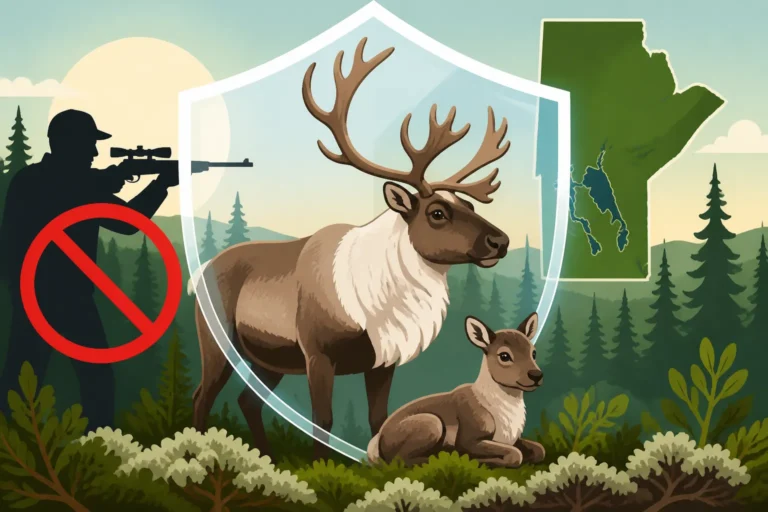
Manitoba is home to populations of Barren-Ground Caribou, especially those belonging to the Qamanirjuaq herd, which often winters in the provincial far north. These aren't the Woodland Caribou of the deeper boreal forest; these are the true nomads of the tundra, undertaking epic migrations that can cover hundreds, even thousands, of kilometers. During the late summer and fall, you might witness incredible spectacles as they move across the landscape, sometimes in herds numbering in the tens of thousands. When Caribou Reach Northern Manitoba is a critical time for many northern hunters and wildlife watchers. Their primary diet consists of lichens, sedges, and dwarf willows, which they expertly find even under snow. Hunters looking for Barren-Ground Caribou Hunting in Northern Manitoba know that this is a truly remote and challenging pursuit, often requiring float planes and incredible endurance. Their movements are largely dictated by food availability and predator avoidance, making them a truly wild and unpredictable quarry. When considering a trip, using a robust mapping tool like GoHunt to track historical migration patterns, if available, can offer insights, though caribou are notoriously fickle.
Migratory Birds: Ducks, Geese, and Ptarmigan
While caribou might be the most famous big game animal, the tundra transition comes alive with migratory birds during the spring and summer. The vast network of shallow lakes, ponds, and marshy areas created by the permafrost and drainage patterns provides critical nesting and staging habitat for countless waterfowl. You'll find various duck species, including northern pintails, scaup, and scoters, alongside massive flocks of Canada Geese and Snow Geese that use these rich breeding grounds. When Snow Geese Pass Through Manitoba is an annual event that draws hunters from far and wide, but the truly remote areas of the tundra transition are vital for their reproductive success.
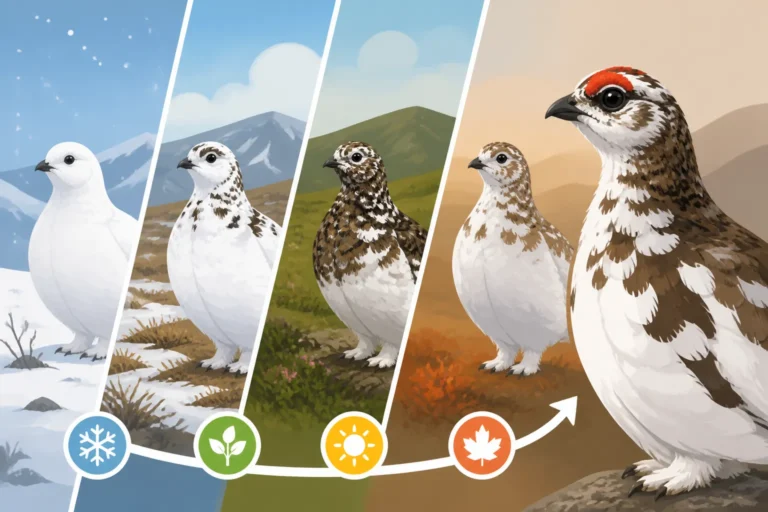
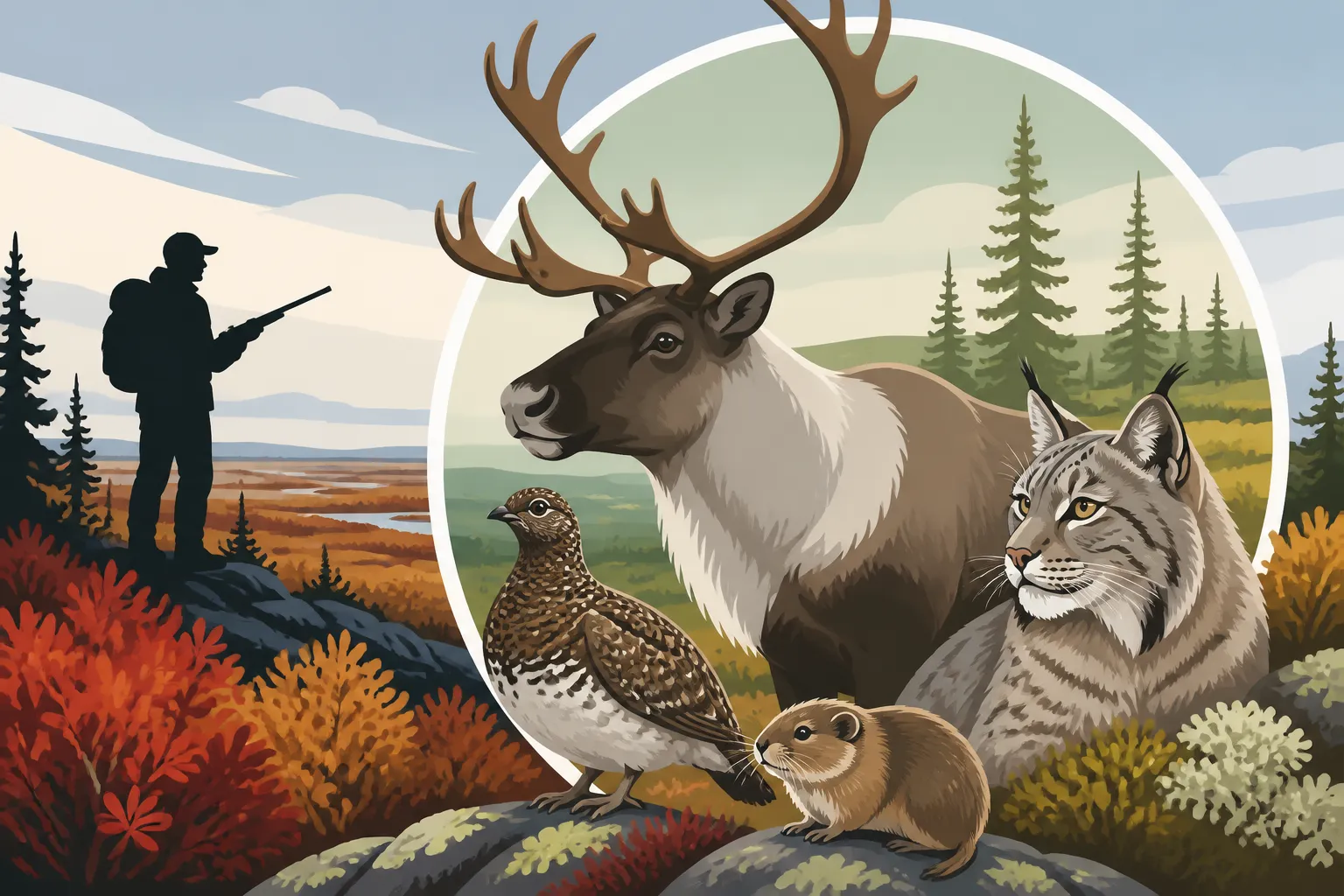
Beyond waterfowl, the region also supports unique upland birds like ptarmigan. Both Willow Ptarmigan and Rock Ptarmigan inhabit these northern latitudes, perfectly camouflaged in their seasonal plumage. Their ability to change Ptarmigan Colour Change Through the Season from speckled brown in summer to pure white in winter makes them masters of disguise against the snowy backdrop. Ptarmigan Hunting in the Far North offers a unique challenge, often requiring extensive walking over rugged terrain. These birds feed on buds, berries, and willow shoots, proving just how much life can persist in this seemingly barren environment.
The Hardy Residents: Predators and Small Game
While many animals migrate in and out of the tundra transition, a select few hardy species call this challenging landscape home year-round. These are the survivors, boasting incredible adaptations to withstand the brutal winters and capitalize on the short, productive summers. Their very presence speaks to the resilience of nature in the face of extreme conditions.
Wolves, Foxes, and Wolverines
Where there is a prey base, there will always be predators. The caribou herds, the ptarmigan, and smaller mammals provide a vital food source for the carnivores of the north. Wolves are the apex predators here, often following the caribou migrations, forming packs perfectly adapted to hunting in this vast, open country. Wolf Pack Size in the Boreal Forest can vary, but these animals are powerful, intelligent hunters. Hunting Wolves in Manitoba's North is a demanding pursuit, requiring deep knowledge of their movements and an ability to withstand extreme cold.
Arctic foxes, with their incredibly dense winter coats, are also residents, perfectly camouflaged against the snow and adept at hunting small rodents, birds, and scavenging from larger kills. Their cousins, the red fox, can also be found in the more treed portions of the transition zone. Then there's the wolverine, a creature of legend known for its fierce determination and incredible strength. Wolverine in the Northern Bush are elusive but present, a testament to the raw wildness of this land. These creatures are the embodiment of survival, constantly on the move, facing down blizzards and lean times with unparalleled tenacity.
Snowshoe Hare and Other Small Mammals
While the big game and predators capture the imagination, the ecosystem relies on a robust base of smaller mammals. The snowshoe hare, famous for its cyclical population booms and busts (often referred to as the Snowshoe Hare and Its Ten Year Cycle), is a critical prey species for many predators. Its large, fur-covered feet act like snowshoes, allowing it to move easily over deep snow, a vital adaptation in this northern climate. You'll find them darting through the sparse willow thickets, their seasonal coat changes mirroring the ptarmigan's.
Lemmings and voles, tiny rodents that burrow under the snow, form another foundational layer of the food chain. Despite their small size, their abundance provides sustenance for foxes, weasels, and many birds of prey. The weasel, specifically the ermine in its striking white winter coat, is another year-round resident, a swift and cunning hunter of these small rodents. Manitoba's Northern Species Hunters Rarely See includes many of these smaller, secretive mammals, highlighting the hidden life that thrives beneath the surface of this seemingly desolate landscape.
Adapting to Change: Challenges and Conservation
The tundra transition zone, like all ecosystems, is not static. It faces unique challenges, particularly from a changing climate, and requires dedicated conservation efforts to ensure its incredible wildlife continues to thrive for future generations. Understanding these pressures is vital for anyone who cares about the future of Manitoba hunting and its wild places.
Climate Shift and Its Impacts
Perhaps the most significant threat to Manitoba's tundra transition is climate change. The North is experiencing warming at a faster rate than many other parts of the world, leading to profound changes. Permafrost thaw, for instance, can drastically alter the landscape, leading to more slumping ground, changes in drainage patterns, and shifts in vegetation. This can impact the critical lichens that caribou depend on, or alter the nesting habitats for migratory birds. Changes in snow patterns, including earlier thaws or later freezes, can also throw off the delicate balance of animal migrations and reproductive cycles. As hunters and outdoorspeople, understanding What Climate Shift Means for Manitoba Game is not just academic; it directly affects hunting opportunities and the health of the very animals we pursue.
Remote Access and Conservation Initiatives
While the remoteness of the tundra transition offers some protection from human encroachment, it also presents challenges for monitoring and conservation. Much of this land is only accessible by air, making Hunting Manitoba's Far North on a Fly-In a truly epic adventure, but also an expensive undertaking for researchers. However, various initiatives are underway to study and protect these fragile ecosystems. This includes monitoring caribou herds, understanding population dynamics of predators, and managing sustainable hunting practices. Hunters play a crucial role in conservation through licence fees and by reporting unusual observations to wildlife authorities. Tools like GoHunt can help users better understand GHA boundaries and remote access points, which indirectly supports responsible use of these pristine areas by providing clear information to hunters.
Respecting a Fragile Ecosystem
Whether you're planning to go Glassing Tundra for Manitoba Caribou or simply dreaming of exploring this unique part of the world, it's paramount to approach the tundra transition with immense respect. This is a fragile ecosystem, and every action has an impact. Practicing low-impact camping, strictly adhering to all hunting regulations (including those around Packing Caribou Out to a Float Plane and meat care in remote locations), and minimizing your footprint are essential. The beauty of this land lies in its wildness and the incredible adaptations of its inhabitants. By being mindful and informed, we can all contribute to preserving the majesty of what lives in Manitoba's tundra transition for generations to come.
| Species | Primary Habitat | Key Food Sources | Unique Adaptations | Hunter Interest |
|---|---|---|---|---|
| Barren-Ground Caribou | Open tundra, sparse forest | Lichens, sedges, dwarf willow | Long migrations, large herds, specialized digestion | High (Trophy, Meat) |
| Wolf | Throughout | Caribou, moose, small mammals | Pack hunting, endurance, keen senses | Moderate (Challenge, Fur) |
| Arctic Fox | Open tundra | Lemmings, birds, carrion | Dense fur, white winter coat, acute hearing | Low (Occasional Fur) |
| Wolverine | Remote forest & tundra | Scavenger, small game | Incredible strength, thick fur, tireless movement | Very Low (Elusive) |
| Ptarmigan | Low shrubs, open rocky areas | Buds, berries, willow shoots | Seasonal camouflage, feathered feet | Moderate (Upland Game) |
| Snowshoe Hare | Willow thickets | Twigs, bark, evergreen needles | Large hind feet, seasonal camouflage | Low (Small Game, Predator Bait) |
| Migratory Waterfowl | Ponds, lakes, marshes | Aquatic plants, insects, seeds | Long migrations, diverse feeding strategies | High (Waterfowl) |
Disclaimer
This article is for general informational purposes only and does not constitute professional advice. Laws, prices and regulations vary by location and change over time. Consult a qualified professional for guidance on your specific situation.