Why Colour Phase Bears Are Common Here
It's a common sight for Manitoba hunters, especially those new to our province or who typically hunt in other regions, to be absolutely stopped in their tracks by a black bear that isn't, well, black. You might spot a bear the colour of rich chocolate, a vibrant cinnamon, or even a beautiful blonde moving through the bush. These "colour phase" bears are a genuine wonder, and many wonder why they seem so prevalent here. This guide will dive into the fascinating reasons behind these striking coat variations in Manitoba's black bear population.
Understanding Colour Phase Black Bears
First things first, let's clarify what we mean by "colour phase" bears. These aren't a different species of bear; they are, genetically speaking, still the good old American black bear (Ursus americanus). The different coat colours you observe are simply variations in their fur pigmentation, much like how human hair can range from blonde to brunette to red. It's a genetic lottery, really, playing out in the wilds.
The Spectrum of Bear Colours
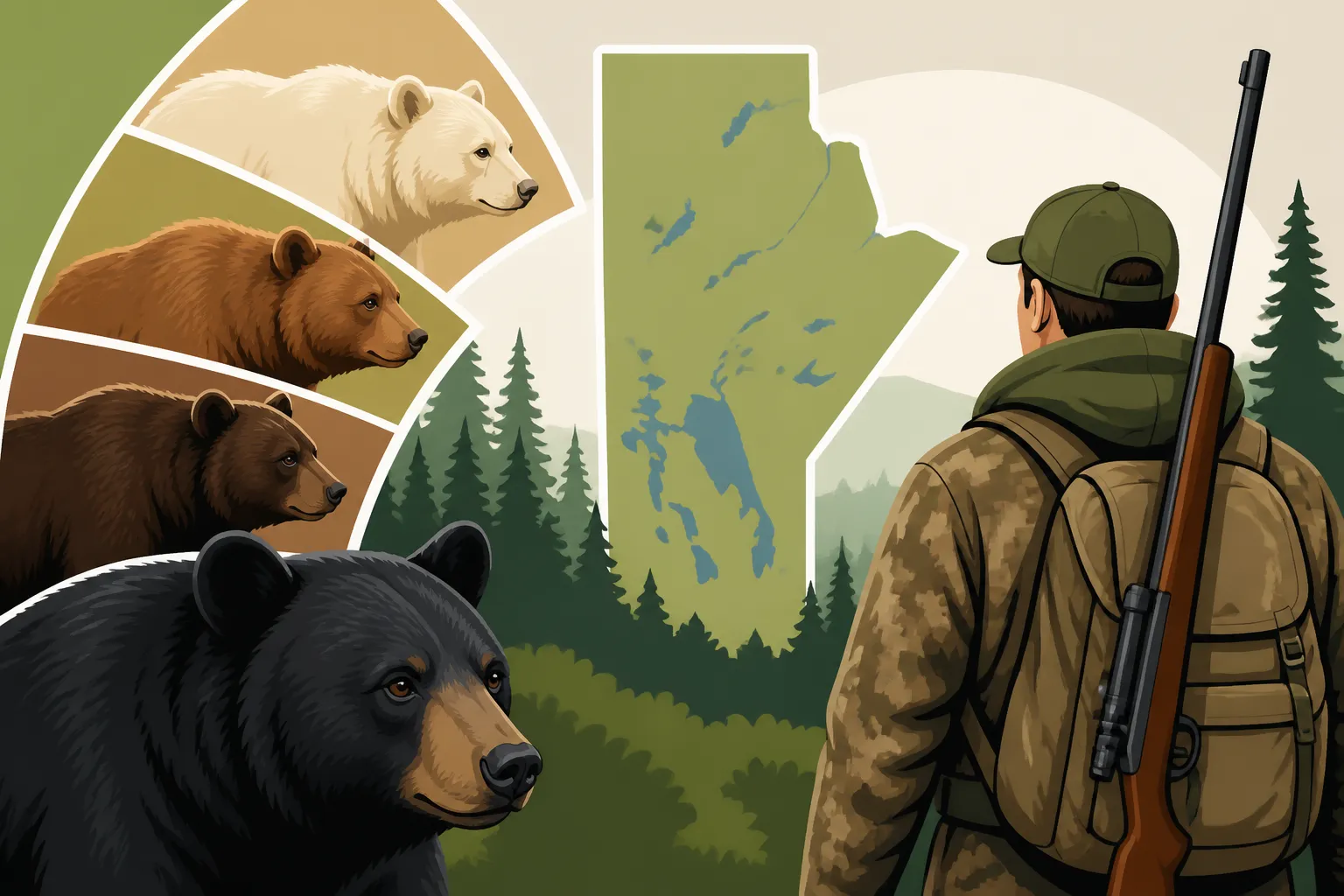
While we call them "black bears," their coats can actually vary quite dramatically. In Manitoba, you might encounter bears with fur ranging from jet black, which is certainly the most common, to shades like chocolate brown, cinnamon, and even a light blonde or golden hue. Sometimes, you'll even see a bear with a grizzled appearance, where lighter guard hairs give a frosted look. These lighter shades are often what hunters are referring to when they talk about "colour phase" bears.
It’s important to understand that these colourations aren't linked to age, sex, or diet, though sun exposure can sometimes lighten fur over time, just like our own hair. The real magic happens at a genetic level, determining what colour coat a cub will be born with. Spotting one of these unique bears, especially a really light blonde, can be a truly memorable experience and certainly adds another layer of excitement to any hunt.
The Genetic Blueprint Behind Manitoba's Colour Phases
So, why are these captivating colour variations seemingly more common in Manitoba compared to, say, the dense forests of the eastern United States? It largely comes down to genetics, population history, and the unique environmental conditions of our province.
Recessive Genes and Regional Prevalence
The science behind these colour phases is rooted in recessive genes. For a bear to display a non-black coat, it needs to inherit specific recessive genes from both parents. If only one parent carries the gene, the cub might still be black but will be a carrier, capable of passing on the trait to its offspring. Over generations, if these recessive genes become more widespread within a population, the likelihood of seeing colour phase bears naturally increases.
Manitoba sits at a fascinating intersection of different bear population dynamics. Our province's central location in North America means we often see genetic influences from both eastern black bear populations, which tend to be overwhelmingly black, and western populations, where colour phases like cinnamon and blonde are far more common. This blend, combined with historical population bottlenecks and expansions, has likely contributed to a higher prevalence of these recessive genes in many of our Game Hunting Areas (GHAs). You might find this interesting when you’re looking at Manitoba's Game Hunting Areas and considering where different bear populations tend to thrive.
Environmental Selection and Population Density
While genetics are the primary driver, environmental factors can also play a subtle role in selecting for certain traits over long periods. In some areas, a lighter coat might offer better camouflage, or perhaps certain social behaviours linked to coat colour (though this is less studied in bears) could indirectly affect breeding success. For example, if a lighter-coloured bear is better camouflaged in a specific habitat, it might have a higher survival rate, leading to more offspring with similar genetic traits.
Manitoba's varied landscape, from the dense boreal forests in the north to the aspen parkland and even the more open farmland fringes, provides diverse habitats. These distinct environments could theoretically favour different colourations in different localized populations. When you're using scouting tools like GoHunt to analyze terrain and vegetation in a GHA, consider how different cover types might impact the visibility of various bear coat colours. This blend of genetic heritage and environmental backdrop creates the perfect conditions for a robust and visually diverse black bear population.
Habitat, Diet, and Other Influences on Bear Colour
While genetics are the king of coat colour, it’s worth considering if other factors might contribute to the visibility or perceived prevalence of colour phase bears in our landscape. Think of it less as altering the colour a bear is born with, and more about how external elements might influence the health of its coat or how easily we spot these unique individuals.
The Role of Habitat Type
Manitoba boasts a wide range of habitats where black bears roam. From the sprawling wilderness of Manitoba's Northern Boreal to the mixed forests and agricultural interfaces of Manitoba's Parkland Region, bears adapt to their surroundings. In regions with more open country, like parts of the parkland, a lighter-coloured bear might blend in more effectively with sun-dappled tall grasses or dry deciduous leaves than a jet-black one. This isn't to say nature chooses the colour; rather, it's about how well a particular colour offers camouflage within that specific environment, potentially aiding in hunting success or evading predators.
The very nature of our landscape, with its vast wilderness and diverse cover, means that bear populations can sometimes be quite localized. This isolation can lead to specific genetic traits, like colour phases, becoming more concentrated in certain areas. It's a fascinating ecological puzzle, and understanding the nuances of these habitats can really enhance your appreciation for the animals that call them home.
Diet and Coat Health
While diet doesn't change a bear's inherited coat colour, a healthy diet certainly contributes to a healthy, vibrant coat. A bear with access to ample food sources – berries, nuts, agricultural crops, and protein – will typically have a thicker, shinier, and more robust fur coat. This means that whatever its genetic colour, a well-fed bear will display that colour with greater intensity and beauty.
Manitoba's rich agricultural landscape, particularly in the southern and central regions, provides a bounty of food for bears, especially in the late summer and fall as they prepare for hibernation. This abundance contributes to a generally healthy bear population, which in turn means their coats, regardless of colour, are often in prime condition. This can make those cinnamon and blonde phases appear even more striking when you spot them during Hunting Manitoba's Fall Bear Season.
Hunting Considerations for Colour Phase Bears
Encountering a colour phase bear is a special moment, and if you're lucky enough to have a tag in your pocket, it can lead to a truly unique trophy. However, it also brings up some practical considerations, especially regarding identification and ethical hunting practices.
Identification and Safety
The most crucial aspect when encountering a non-black bear is proper identification. While Manitoba does not have a resident grizzly bear population in the southern half of the province, and grizzlies are incredibly rare in the far north, it’s vital to be absolutely certain of your target. Black bears, regardless of colour, typically have a straight facial profile, a prominent shoulder hump is usually absent (or very small), and their ears are relatively large and rounded. Grizzlies, in contrast, have a dish-shaped face, a very pronounced shoulder hump, and smaller, more pointed ears.
Always take your time to positively identify your animal. This is especially true if you are hunting near the far northern reaches of the province, where overlaps with other species might hypothetically occur, or simply to ensure you're harvesting a legal animal. If you're on a baited hunt, which is common during Spring Bear Hunting in Manitoba or fall seasons, you'll often have time to observe the bear and make a confident identification before taking a shot. Utilizing tools like GoHunt to research bear distribution maps can also provide context for what species you might encounter in different regions.
Ethical Hunting and Trophy Considerations
For many hunters, a colour phase bear represents a truly unique trophy. It’s not just about the size or the skull, but the stunning hide that comes with it. If you're hoping for a colour phase, be prepared for the possibility that you might encounter several black bears before you see a cinnamon or blonde one. Patience is often rewarded.
When you're out there, remember the ethical principles of hunting. Take a clean shot, ensure the animal is harvested quickly and humanely, and respect the animal you've taken. Always review the regulations for Black Bear Hunting in Manitoba before heading into the field, as they can vary by GHA and season. The opportunity to harvest a colour phase bear is truly special, and it’s a testament to the diverse and healthy wildlife populations we have here in Manitoba.
Here's a quick look at the common colour phases you might encounter:
| Colour Phase | Description | Relative Prevalence in Manitoba | Hunting Notes |
|---|---|---|---|
| Black | Deep, glossy black fur. The most common colouration. | Very Common | Standard identification. |
| Chocolate Brown | Rich, dark brown, often mistaken for black in low light. | Moderately Common | Distinctly brown in good light. Look for lighter snout/muzzle. |
| Cinnamon | Reddish-brown, resembling the spice. Can range from light to dark cinnamon. | Moderately Common | Very desirable for hides. Distinguish carefully from grizzlies if in extreme northern areas. |
| Blonde/Yellow | Lightest colour, ranging from creamy yellow to golden. | Less Common | Highly prized. Requires careful identification. |
| Grizzled/Silver | Black fur with lighter, silver-tipped guard hairs, especially on back. | Occasional | Often appears as an older bear. Still genetically a black bear. |
Planning Your Hunt for a Colour Phase Bear
If your goal is specifically to hunt a colour phase bear, your best bet is to focus on areas where these genetic traits are known to be more concentrated. This often means looking at the western and central regions of Manitoba, where the influence of western bear genetics is stronger. However, they can show up anywhere in the province.
Consider booking a guided hunt, especially if you're new to the area. Outfitters often have extensive knowledge of local bear populations, including the prevalence of colour phases in their specific hunting territories. They spend countless hours Setting a Bear Bait Site in Manitoba and observing bears, which gives them unparalleled insight into the local genetics. When you’re researching different guides and areas, remember to ask about the typical colour phases they see. It’s just another part of the incredible experience of Manitoba Hunting Guides and Outfitters offer.
Ultimately, the chance to encounter and potentially harvest a colour phase bear in Manitoba is a thrilling prospect, adding a layer of unique challenge and reward to your hunting adventures. It’s a testament to the ecological diversity and robust wildlife management we enjoy in this province.
Disclaimer
This article is for general informational purposes only and does not constitute professional advice. Laws, prices and regulations vary by location and change over time. Consult a qualified professional for guidance on your specific situation.