Whether Manitoba Has Wild Pheasants
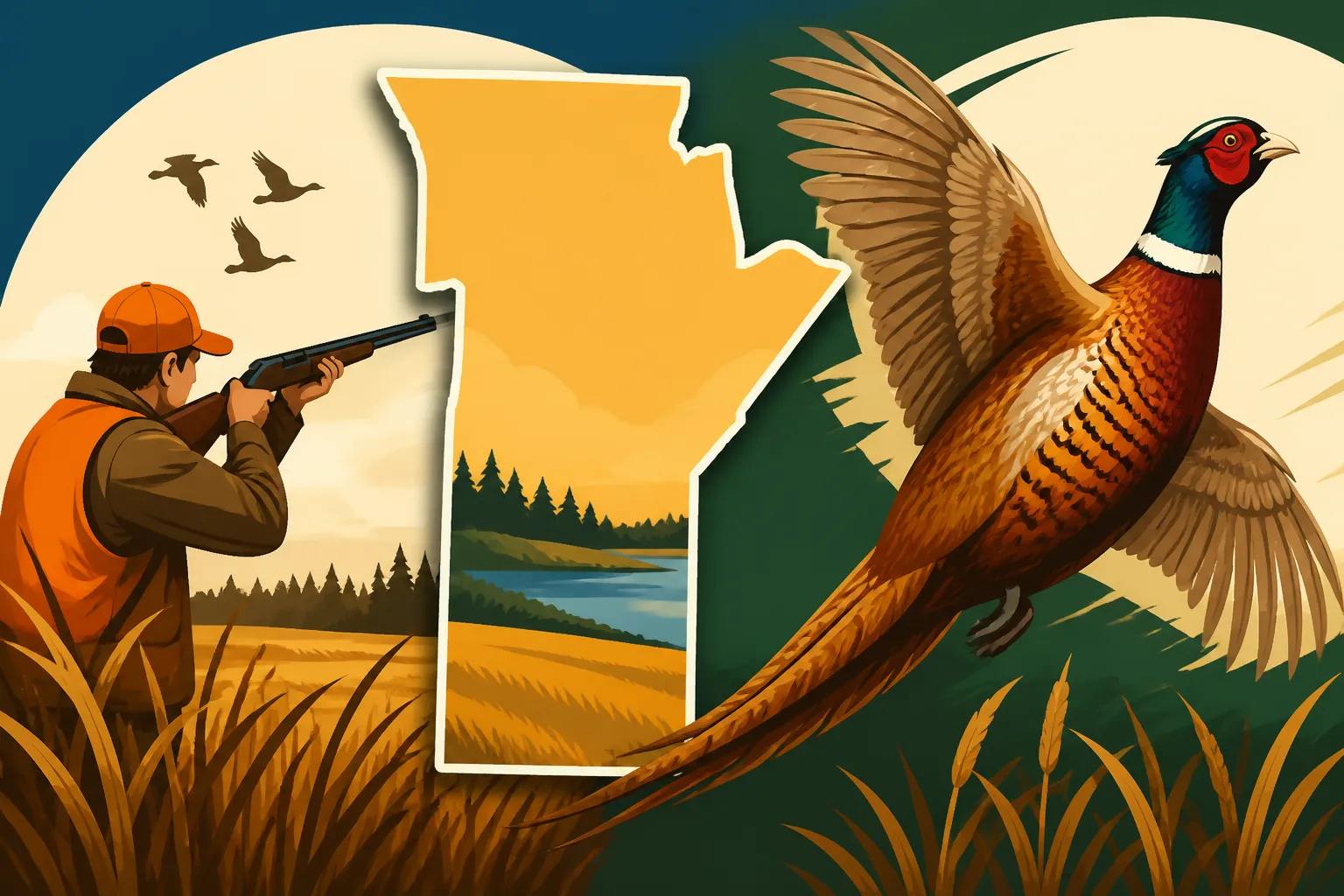
Many hunters, especially those new to Manitoba or coming from provinces and states further south, often scratch their heads and wonder: are there wild pheasants here? It’s a completely fair question. When you look at Manitoba's vast agricultural landscape, particularly in the south, it certainly looks like prime pheasant country. This guide aims to clear up that common confusion, giving you a realistic picture of the pheasant situation in Manitoba and highlighting the incredible upland bird hunting opportunities that truly thrive here.
The Persistent Question: Why Hunters Ask About Wild Pheasants in Manitoba
It's not surprising that the question of wild pheasants in Manitoba comes up so frequently. For starters, our neighbours to the south, like North Dakota and South Dakota, are legendary pheasant hunting destinations, boasting robust, self-sustaining wild populations. Even provinces like Saskatchewan and Alberta have areas with established wild pheasant numbers. When you drive through the rolling farmlands of southern Manitoba, with its cornfields, grain stubble, and brushy ditch lines, it just feels like habitat where a ringneck could burst out cackling at any moment.
This visual similarity often fuels the assumption. Hunters naturally look at the landscape and compare it to places they know or have heard about. The presence of similar agricultural practices, coupled with shelterbelts and slough edges, creates a strong mental image of prime pheasant cover. Plus, the allure of pheasant hunting is significant; they're beautiful birds, challenging to hunt, and provide excellent table fare. It's a dream hunt for many, and it's only natural to hope that such an opportunity exists close to home, or within easy travel distance for those visiting our province.
Adding to the confusion is the fact that pheasants have been introduced to Manitoba over the years, sometimes by private individuals or conservation groups hoping to establish populations. These efforts, while well-intentioned, often lead to localized, temporary populations that struggle to become truly wild and self-sustaining across wide areas. A hunter might encounter a pheasant in a specific spot, perhaps even shoot one, and naturally assume there’s a widespread wild population, not realizing it might be a remnant of a recent release or a very small, isolated pocket.
The Reality on the Ground: Pheasant Presence in Manitoba
Let's cut to the chase: for the most part, Manitoba does not have a widespread, self-sustaining population of wild pheasants like you might find in some other jurisdictions. When we talk about "wild pheasants" in hunting circles, we're usually referring to populations that reproduce naturally year after year, without significant human intervention like ongoing stocking. In Manitoba, these types of populations are generally not present.
The few pheasants you might encounter are typically the result of private stocking programs or localized releases, often on private lands. These birds, while providing some hunting opportunity, usually do not survive the harsh Manitoba winters in sufficient numbers to establish a strong, self-perpetuating wild population. Factors like deep snow, extreme cold, and lack of adequate winter cover play a significant role. Without sufficient natural food and shelter through our long, cold winters, these introduced birds struggle immensely.
There have been historical attempts and ongoing localized efforts by various groups to introduce pheasants. These efforts are often focused on specific, managed properties where habitat improvements are made, and birds are released explicitly for "put-and-take" hunting experiences. While this can provide an enjoyable hunt for those who participate, it's a very different scenario from hunting a robust, wild population across vast public or agricultural lands. If you're looking for that kind of experience, Manitoba's focus for upland birds lies elsewhere.
Manitoba's True Upland Bird Hunting Opportunities
While the wild pheasant dream might not materialize on a large scale here, don't despair! Manitoba offers truly outstanding hunting for other native and introduced upland bird species that are absolutely thriving. These are the birds that truly call Manitoba home, have adapted to our climate, and offer fantastic, challenging hunting experiences.
Sharp-Tailed Grouse: The Prairie Dancers
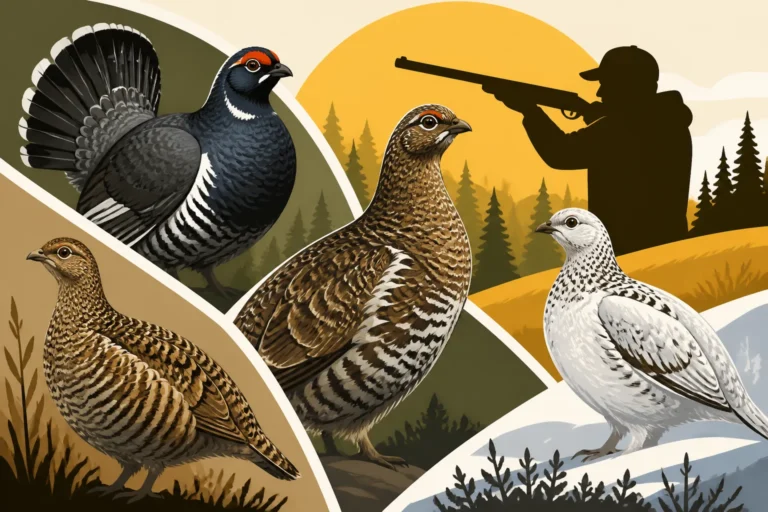
If you're looking for a quintessential Manitoba upland bird, the Sharp-Tailed Grouse is your answer. These birds are widespread and abundant across the province, particularly in the aspen parkland regions, native grasslands, and along the edges of agricultural fields where brushy cover meets grain. They are hardy, fast-flying birds that offer incredible dog work and challenging wing-shooting. You can walk for miles through their habitat, enjoying the wide-open spaces and the anticipation of a covey flush. Walking Up Sharptails on Manitoba Grassland is an experience every upland hunter should have. They thrive in areas where cultivation and natural prairie blend, providing both food and cover. Many hunters use a platform like GoHunt to scout for the perfect blend of grassland, brush, and stubble fields where these birds congregate.
Ruffed Grouse: Kings of the Bush
Venture into Manitoba's extensive boreal and mixed-wood forests, and you'll find the Ruffed Grouse. These "partridge" as they're often called locally, are incredibly common along old logging trails, bush roads, and in aspen and poplar stands. They provide exciting hunting, often flushing explosively from dense cover right at your feet. Ruffed grouse numbers tend to cycle, but in good years, they can be incredibly plentiful. Hunting them involves walking quiet trails, listening for their tell-tale drumming, and being ready for a quick shot. For many, hunting Ruffed Grouse means exploring the beautiful autumn colours of Manitoba's wilderness. You can find excellent opportunities by Hunting Ruffed Grouse on a Manitoba Bush Road.
Hungarian Partridge: The Farmer's Friend
Often found in the same agricultural landscapes where one might mistakenly expect pheasants, the Hungarian Partridge, or "Huns," are a fantastic small game bird. They prefer open farmlands with good stubble fields, shelterbelts, and ditch lines. Huns are notorious for holding tight for pointing dogs, then bursting out in fast-flying coveys. They offer thrilling, challenging hunting and are excellent table fare. Their populations can fluctuate, but in areas with good habitat and reasonable winter conditions, they provide consistent opportunities. Finding good Hun country often means getting permission on private land, but you can also find them on some Crown Land parcels near agricultural areas. Hunting Hungarian Partridge on Manitoba Farms is a classic pursuit for many locals. When checking out potential spots, tools like GoHunt can be invaluable for identifying prime field edges and shelterbelt cover.
Spruce Grouse and Ptarmigan: Northern Specialists
For those willing to venture further north, Manitoba also offers Spruce Grouse in coniferous forests and Ptarmigan in the far northern tundra. Spruce grouse are a more sedate bird, often holding tight or walking away rather than flushing wildly, making them a unique challenge. Ptarmigan offer a truly remote, rugged hunting experience in the arctic transition zone, changing plumage with the seasons to blend into their snowy environment. While these are more specialized hunts, they add to the diverse upland bird tapestry of Manitoba.
Comparative Look at Manitoba's Upland Birds
To help clarify the landscape of upland bird hunting in Manitoba, here's a quick comparison:
| Upland Bird Species | Wild/Self-Sustaining in Manitoba? | Primary Habitat Types | Hunting Season Status | Notes |
|---|---|---|---|---|
| Ring-necked Pheasant | Largely not self-sustaining | Released birds in localized private areas | Limited, often private | Mostly put-and-take, very localized. Not a widespread wild species. |
| Sharp-Tailed Grouse | Yes, abundant & widespread | Prairie grasslands, brushy fields, aspen parkland | Regular open season | Manitoba's most common and popular upland game bird. |
| Ruffed Grouse | Yes, abundant | Poplar & aspen forests, mixed woods, bush trails | Regular open season | Excellent forest bird, strong populations, cycles in numbers. |
| Hungarian Partridge | Yes, good populations | Agricultural fields, shelterbelts, field edges | Regular open season | Excellent for dog work, often found in coveys. |
| Spruce Grouse | Yes, common in specific areas | Coniferous forests, black spruce bogs | Regular open season | More northern, often "tame." |
| Ptarmigan | Yes, northern | Tundra, arctic scrub, far north | Regular open season | Specialized remote hunt, changes colour with seasons. |
As you can see, Manitoba boasts a fantastic array of upland bird hunting that is genuinely wild and robust, even if pheasants aren't part of that picture.
Finding Your Upland Bird Hunting Grounds in Manitoba
So, you're ready to chase some of Manitoba's legitimate upland game birds? Excellent! The first step is always to understand the regulations. Make sure you check the current Manitoba Game Bird Seasons and Limits for the specific species you plan to hunt, as dates and bag limits can vary.
For Sharp-Tailed Grouse and Hungarian Partridge, you'll be focusing on the agricultural belt and the aspen parkland. This often means Getting Permission for a Goose Field or similar private land access, although there are Crown Land opportunities. Using resources like GoHunt or other scouting apps can help you identify areas with the right mix of cover and feed. Look for areas where native grassland meets cultivation, or where thick shelterbelts offer refuge. Remember, good habitat is key.
Ruffed and Spruce Grouse, on the other hand, will draw you into the forested regions. Public Hunting Land in Manitoba is extensive in these areas, particularly within Provincial Forests and Crown Land blocks. Exploring old logging roads, ATV trails, and even hiking paths can put you in prime grouse country. Many hunters will simply walk these trails, anticipating a flush.
When you're planning your trip, regardless of the species, always remember to have a detailed map. Understanding Reading a Manitoba GHA Map Before You Go is critical for knowing where you are, what kind of land you're on, and what regulations apply. Manitoba offers a diverse and exciting upland bird hunting experience. While pheasants might not be our wild calling card, the sharpies, ruffies, and Huns more than make up for it, offering truly wild and memorable hunts. Don's forget to research Manitoba's Upland Birds and Where They Live for more specific habitat insights.
Disclaimer
This article is for general informational purposes only and does not constitute professional advice. Laws, prices and regulations vary by location and change over time. Consult a qualified professional for guidance on your specific situation.