Hungarian Partridge on Manitoba Farms
For many hunters, the image of wide-open stubble fields, shelterbelts, and the crisp autumn air immediately brings to mind Hungarian partridge. These elusive little rockets offer some of the most challenging and rewarding upland hunting experiences in Manitoba, but finding them consistently across our vast agricultural landscapes can be a real head-scratcher. This guide aims to demystify the humble "Hun," giving you the insights and strategies needed to successfully pursue these fantastic game birds on Manitoba farms.
Understanding the Hungarian Partridge on Manitoba Farms
Hungarian partridge, often affectionately called Huns, are truly a gem of the prairie and parkland ecosystems. They’re built for survival in agricultural settings, and understanding their basic biology, preferred habitats, and daily routines is the first step to becoming a more effective hunter. It’s not just about knowing what they are, but how they thrive in Manitoba’s unique environment.
Their Biology and Behaviour
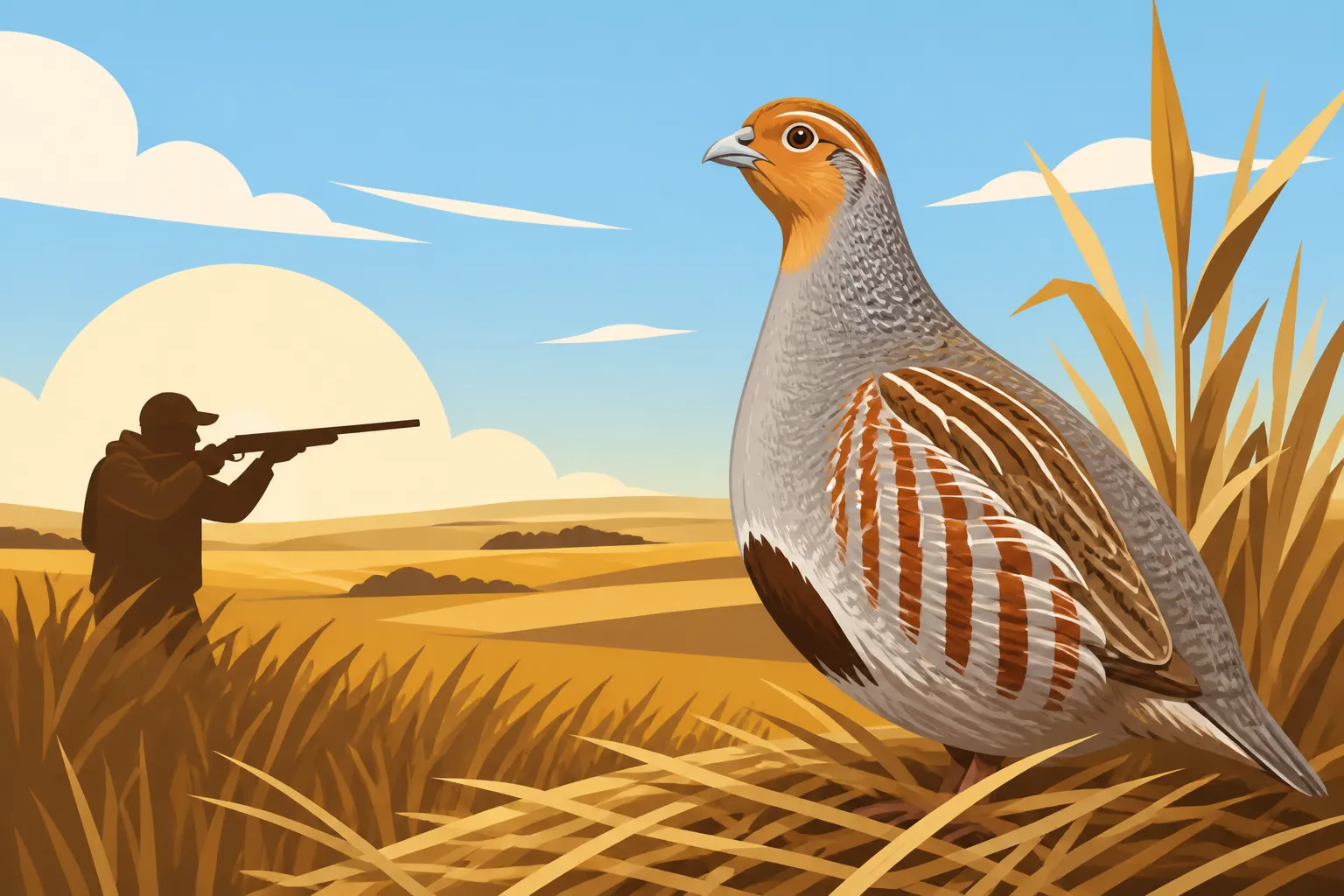
Huns are non-migratory, ground-nesting birds, meaning they stick around all year, facing Manitoba's harsh winters head-on. They're part of the pheasant family, but much smaller, typically weighing just under a pound. Their mottled brown, grey, and rust plumage offers incredible camouflage, making them incredibly difficult to spot until they burst into flight with their distinctive whirring wings. This sudden flush is often what frustrates hunters new to partridge, as they seem to materialize from nowhere and vanish just as quickly.
They're typically found in coveys (groups) of anywhere from a handful to a dozen or more birds, especially once nesting season is over and families have consolidated. These coveys are tightly knit, and a hunter disturbing one bird will almost invariably flush the entire group. After the initial flush, they'll usually fly a few hundred yards and regroup, often landing in heavier cover. Knowing this re-grouping behavior is critical; it’s what gives you a second chance at them. They're also notorious for running, often preferring to put distance between themselves and perceived threats on foot rather than taking to the air, especially in sparse cover. This is where a good dog can make all the difference, but we’ll get to that later!
Preferred Farm Habitats
On Manitoba farms, Hungarian partridge aren't just randomly distributed. They have very specific preferences that dictate where you’ll find them. They thrive in areas that offer a patchwork of habitat: open agricultural fields for feeding, dense cover for roosting and protection, and a reliable water source. Think about the landscape from a bird's eye view – what would offer both sustenance and security?
Ideal habitat often includes field edges, particularly those bordering uncultivated areas like sloughs, ditches, or shelterbelts. They absolutely love stubble fields, especially those of wheat or barley, where leftover grains provide a crucial food source. Standing corn or sunflower fields can also hold birds, offering both food and incredible concealment. Beyond the fields, look for them along fence lines, gravel roadsides with good grassy cover, and the often-overlooked margins of small bluffs or willow rings. These areas provide the overhead protection from raptors and ground cover from predators like coyotes and foxes. The crucial element is often the juxtaposition of these different habitat types, allowing easy access to food and quick retreats to safety.
Diet and Food Sources
The diet of Hungarian partridge is heavily influenced by the agricultural landscape they inhabit, which is why Manitoba farms are such prime territory for them. They are primarily vegetarians, relying on a diverse range of seeds, grains, and green vegetation. Post-harvest stubble fields are absolutely critical, providing a bounty of dropped wheat, barley, canola, and other small grains that make up a significant portion of their diet.
Beyond harvested fields, they also forage on weed seeds found along field edges, ditches, and pastures. Think about common weed species like pigweed, ragweed, and wild mustard – these provide crucial sustenance when cultivated grains are less available or buried under snow. In the spring and summer, they’ll also consume a fair amount of green leafy vegetation and, particularly for young birds, insects which provide essential protein. Understanding their diet helps you focus your scouting efforts. If you see abundant waste grain or healthy stands of seed-producing weeds, you're likely in a good area. This close tie to agriculture is why you rarely find Huns deep in the bush; they need that farm mosaic to thrive.
Where to Find Hungarian Partridge in Manitoba's Farm Country
Finding Hungarian partridge isn't a matter of blindly wandering through fields; it's about smart scouting and understanding the nuances of Manitoba's agricultural regions. While Huns can be found across much of the province's farmland belt, certain areas and specific micro-habitats within those areas consistently hold more birds.
Identifying Productive Regions
Manitoba's prime partridge country largely overlaps with its rich agricultural regions. The southwest, parts of the Interlake, and the Parkland region are generally strong contenders. Areas with a mix of grain farming, pasture, and diverse natural cover tend to be the most productive. Specifically, the rolling hills and shelterbelt-dotted landscapes of the Pembina Valley, the flat expanse of the Red River Valley (though hunting access can be tighter here), and the more varied topography around places like Portage la Prairie or the municipalities near Riding Mountain National Park often hold good numbers.
When you're trying to decide where to focus your efforts, consider the diversity of crops and the amount of residual cover. Monoculture farming might produce vast fields, but without adjacent cover or diverse forage, Huns often won't thrive. The magic happens where there's a good rotation of wheat, barley, oats, and canola, interspersed with perennial cover crops, undisturbed grass margins, and perhaps some livestock pastures. Tools like GoHunt can be invaluable for analyzing satellite imagery to spot these diverse landscapes and pinpoint potential hotspots before you even set foot on the ground. Remember, these birds need both food and shelter, so areas that provide both in close proximity are your best bet.
Micro-Habitats on the Farm
Once you've narrowed down a region, it's time to get down to the micro-level – identifying those specific spots on a farm where Huns will hunker down. This is where local knowledge and keen observation come into play. As mentioned, shelterbelts are absolute magnets, especially those with some undergrowth at the base, offering both concealment and a windbreak. These long, linear features often act as highways for birds, allowing them to move safely between different feeding and roosting areas. If you're Hunting Huns Along a Manitoba Shelterbelt, focus on the ends and any thicker patches within.
Beyond shelterbelts, pay close attention to the edges of standing grain fields, particularly those with a bit of a ditch or some taller weeds growing alongside. Slough edges, even dry ones, provide critical thermal cover and protection. Think about a small ring of willows or cattails in the middle of a field – that's an island of safety for a covey. Another often-overlooked spot is a patch of uncut grass or brush at the corner of a field, or a rocky outcrop where the farmer can't cultivate. Even old farmstead sites with overgrown yards can hold birds. The key is to look for anything that breaks up the uniformity of the cultivated land and provides dense, low cover.
Scouting Tips for Finding Partridge
Scouting for Hungarian partridge isn't just a pre-season activity; it’s an ongoing process, especially given how quickly crop conditions and bird movements can change. Start by using online mapping tools, including satellite imagery. Look for those habitat transitions: where stubble fields meet dense grass, where shelterbelts dissect large fields, or where a slough provides an island of cover. This helps you narrow down specific sections of land to investigate further.
Once you’re in the field, look for visual clues. While partridge are masters of camouflage, you might occasionally spot tracks in dusty roads or snow, or even droppings along field edges. More often, though, you’ll be looking for ideal cover and then putting boots on the ground. Drive slowly along concession roads at dawn or dusk, as coveys will sometimes feed along road edges or fly across fields, making them briefly visible. Pay attention to fence lines and hydro lines, where birds sometimes perch before dropping into cover. Most importantly, when you do get permission to hunt, take the time to really walk the edges and likely holding spots. These birds can be incredibly tight-sitting, only flushing when you're nearly on top of them. Remember, success often comes from scouting diligently and knowing precisely which corners and edges of a field are most likely to hold birds.
Effective Hunting Strategies for Hungarian Partridge
Hunting Hungarian partridge successfully requires a blend of strategy, patience, and often, a good canine partner. Their tendency to run and their explosive flush make them a unique challenge, distinct from hunting other upland birds. You can't just walk and expect to limit out; you need a plan.
Walking Up Birds
Walking up Huns without a dog is absolutely possible, but it demands a different approach than flushing grouse in thick timber. Since partridge often prefer to run rather than fly, you need to walk systematically and often quickly to surprise them. Target those linear features we talked about – shelterbelts, ditch lines, and fence rows. Walk parallel to these features, about 10-20 yards out, to pressure birds hiding within. If you walk directly through the middle of a wide shelterbelt, birds might simply run out the other side.
When walking stubble fields, try to move into the wind if possible. This helps mask your approach and can give you a slight edge in getting closer to a covey before they flush. Walk in a zigzag pattern or parallel strips to ensure you cover the ground thoroughly. If you flush a covey, mark where they fly and try to stalk them for a second flush. Often, individual birds will hold tighter after the initial explosion. This is where you slow down, meticulously grid-search the area they landed, and be ready for a single bird to blast off at your feet. It's exhilarating and requires sharp reflexes!
Hunting with Dogs
For many, hunting Hungarian partridge truly shines when you have a good bird dog by your side. Dogs completely transform the experience, making it far more efficient and often more productive. Pointing breeds like German Shorthaired Pointers, English Pointers, Brittanys, and Setters are fantastic for Huns because they can lock up on a running covey, allowing the hunter to get into position for the flush. A dog's nose can detect scent trails that indicate running birds, giving you a chance to circle ahead or follow the trail more precisely.
Flushing dogs, such as various Spaniels and Labradors, can also be highly effective, particularly if they work close and methodically. Their job is to put birds in the air, and for tight-sitting partridge, their relentless searching can be invaluable. Regardless of the breed, a well-trained dog that works to your gun, responds to commands, and retrieves reliably will significantly improve your chances and reduce lost birds. Having a dog is also a huge advantage when it comes to finding downed birds in thick cover, which is where those tiny Huns can vanish entirely. Make sure your dog is conditioned for the cold weather if you're Hunting Safely in Deep Winter Cold, as partridge seasons can extend late.
Timing Your Hunt
The timing of your hunt, both seasonally and daily, can have a significant impact on your success with Hungarian partridge. Manitoba's upland bird seasons generally open in September, and this early season can be fantastic. Birds are often in larger coveys as family groups are still together, and cover isn't as dense as it gets later in the fall. Early mornings and late afternoons are usually the most productive times of day, as this is when Huns are most actively feeding in open stubble fields.
As the season progresses into October and November, birds become warier and tend to hold tighter in denser cover. They may also begin to feed less openly in response to increased hunting pressure and colder temperatures. In these later months, focus on warmer, sunny afternoons when birds might move out to sun themselves, or on sheltered edges during colder, windy days. Pay attention to crop rotations and harvest schedules; a freshly cut field can be a goldmine. Also, a fresh dusting of snow can make it easier to locate covey tracks and see birds against the white background, but also makes them more visible to you, so it's a double-edged sword. For details on specific dates, consult the latest Manitoba Upland Bird Seasons regulations.
Essential Equipment and Gear for Partridge Hunting
Just like any type of hunting, having the right gear can make all the difference in your comfort, safety, and ultimately, your success when pursuing Hungarian partridge on Manitoba farms. While you don't need a mountain of specialized equipment, a few key items will significantly enhance your experience.
Firearms and Ammunition
For Hungarian partridge, a lightweight, fast-swinging shotgun is your best friend. These birds flush incredibly quickly, so something you can shoulder and point instinctively is ideal. Most hunters opt for 12-gauge or 20-gauge shotguns, with either an over/under, side-by-side, or semi-automatic action. A modified or improved cylinder choke is generally preferred for the first shot, as Huns tend to scatter quickly, offering a wider pattern. For a follow-up shot, a tighter choke like full or modified can be useful if they fly off a bit further.
Ammunition choice is also critical. Small shot sizes are perfect for these small birds, minimizing meat damage while ensuring enough pellets for a clean kill. Common choices include #6, #7.5, or even #8 lead shot. Pay attention to Manitoba's regulations regarding shot types, especially if you might be hunting near wetlands where non-toxic shot is required for waterfowl. For general upland hunting on dry fields, lead shot is typically permitted. Always carry enough shells, as partridge hunting can involve a lot of walking and many flushes, not all of which will result in a shot.
Clothing and Footwear
Manitoba weather is notoriously unpredictable, especially during the fall upland season. Layering is key. Start with a moisture-wicking base layer, add insulating layers like fleece or wool, and top it off with a windproof and water-resistant outer shell. You’ll be doing a lot of walking, so breathability is important to prevent overheating. Blaze orange is often a requirement or highly recommended for visibility and safety, so make sure you have a vest or hat that meets the requirements for How Much Blaze Orange Manitoba Requires.
Comfortable, supportive, and waterproof footwear is absolutely non-negotiable. You’ll be covering a lot of ground, often in stubble, mud, or even early snow. A good pair of hunting boots with ankle support and excellent traction will save your feet and keep you dry. Wool or synthetic blend socks will help prevent blisters and wick away moisture. Don't forget a good pair of gloves, especially if it's chilly, and a hat to protect from sun or cold. Given the possibility of walking through fields that might have thorns or thick brush, a pair of durable upland pants or chaps can save your legs a lot of scrapes.
Navigation and Safety Gear
Even on seemingly familiar farmland, it’s easy to get disoriented, especially if you’re following a running covey or traversing multiple private land parcels. A reliable GPS device or a smartphone app like GoHunt with offline maps is essential for navigation and for knowing exactly where you are in relation to property lines, roads, and your vehicle. Always let someone know where you’re going and when you expect to return.
Beyond navigation, a basic safety kit is a must. Carry a small first-aid kit for minor cuts, scrapes, or blisters. A whistle can be invaluable for communicating with hunting partners or your dog. Always have water, even on cool days, as walking for miles can be dehydrating. A snack or two can keep your energy up. If you're hunting in remote areas, consider carrying a satellite messenger or personal locator beacon for emergencies, as cell service can be spotty in many rural parts of Manitoba. Finally, a small game vest or bird bag is crucial for comfortably carrying your harvested birds and any extra shells or gear.
Regulations, Ethics, and Landowner Relations
Hunting Hungarian partridge in Manitoba isn't just about finding birds and shooting straight; it's deeply entwined with understanding the regulations, upholding ethical standards, and, perhaps most importantly, building positive relationships with landowners. These birds primarily live on private land, making landowner permission paramount.
Understanding Manitoba Regulations
Before you even step into a field, ensure you're fully aware of Manitoba's hunting regulations. This includes having a valid Manitoba hunting licence and any required federal migratory game bird permits, although Huns are typically covered by the provincial upland bird license. Pay close attention to bag limits and possession limits for Hungarian partridge, as these are in place to ensure sustainable hunting opportunities. Shooting hours are also critical; know when legal hunting light begins and ends.
Beyond the general rules, familiarize yourself with specific regulations that might impact your partridge hunt. For instance, rules regarding blaze orange are often mandatory for big game seasons but highly recommended for upland hunting. Also, be aware of any areas that might have special restrictions, such as wildlife management areas or areas with specific firearm rules. The provincial hunting guide is your best friend here; read it thoroughly every year, as regulations can sometimes change. You can find comprehensive details on Manitoba Upland Bird Seasons to ensure you're compliant.
Ethical Hunting Practices
Ethical hunting goes beyond simply following the law; it's about respecting the game, the land, and other people. For partridge, this means making every effort to ensure clean, quick kills and diligently retrieving every downed bird. These birds are small and can be incredibly difficult to find in heavy cover once they hit the ground, so having a good dog, as discussed earlier, is a huge ethical advantage. Never take a shot that is beyond your effective range or through thick cover where you can't be sure of a clean kill or safe backdrop.
Another key ethical consideration is safety. Always treat every firearm as if it's loaded, keep the muzzle pointed in a safe direction, be sure of your target and what's beyond it, and keep your finger off the trigger until ready to shoot. These are the cornerstones of hunter safety and are especially important when hunting with partners or around others. Be mindful of property lines and avoid shooting towards buildings, livestock, or public roads. Your conduct reflects on all hunters.
Building Landowner Relationships
This is arguably the most crucial aspect of hunting Hungarian partridge on Manitoba farms. The vast majority of prime partridge habitat is on private land, which means you must obtain landowner permission before hunting. Showing up unannounced or, worse, trespassing, is not only illegal but also damages the reputation of all hunters and makes it harder for everyone to gain access in the future. Check out Manitoba Landowner Permission Law for specifics.
When asking for permission, be polite, respectful, and prepared. Dress neatly, introduce yourself, explain why you want to hunt, and offer to share some of your harvest if successful. Always carry your licence and offer to show it. Ask about specific areas the landowner wants you to avoid, like certain pastures or near livestock. Respecting their property means closing gates, driving only on designated trails, not littering, and leaving things exactly as you found them. If you get permission, a follow-up visit with a small gift or a thank-you note, especially if you harvest birds, can go a long way in securing future access. Building these relationships takes effort, but it's the foundation of responsible and sustainable upland hunting in Manitoba's farm country.
Disclaimer
This article is for general informational purposes only and does not constitute professional advice. Laws, prices and regulations vary by location and change over time. Consult a qualified professional for guidance on your specific situation.