What Climate Shift Means for Manitoba Game
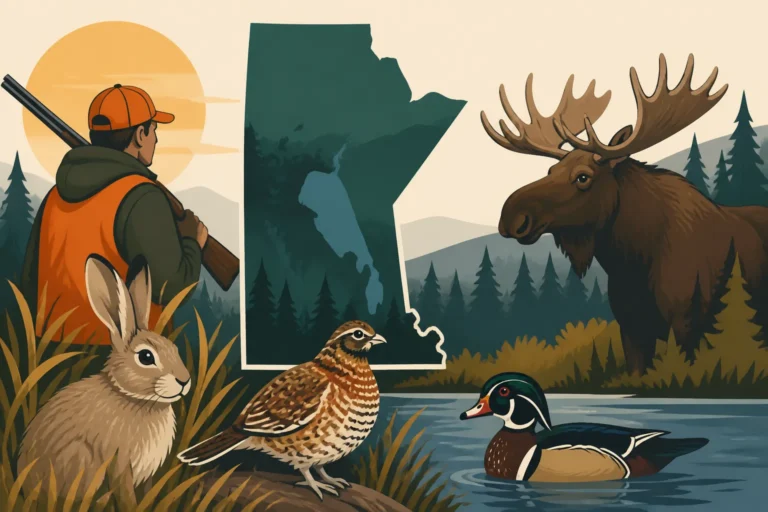
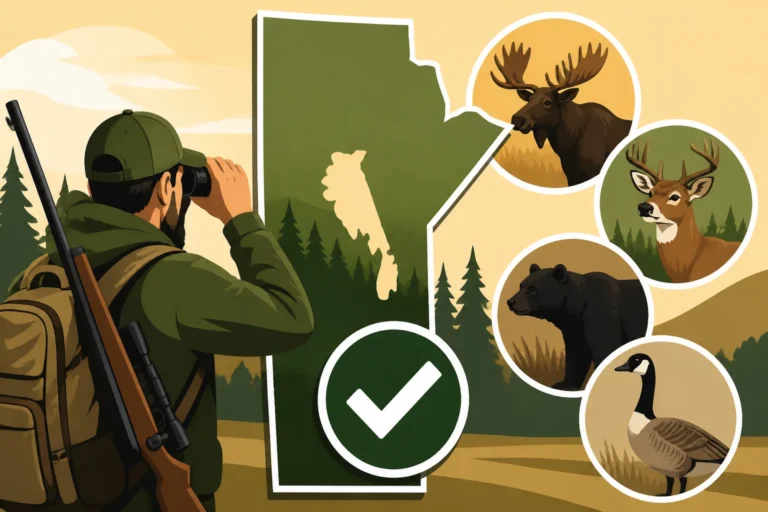
The wild places we cherish, the forests, the prairies, the waters of Manitoba, are constantly changing, and anyone who spends time out there can feel it. Hunters often grapple with how these shifts, particularly those driven by a changing climate, are impacting the game animals we pursue. This guide will delve into what climate shifts mean for Manitoba's diverse game species, exploring the direct and indirect consequences for their populations, habitats, and, ultimately, our hunting traditions.
Understanding the Shifting Landscape of Manitoba's Climate
For those of us who have spent decades traversing Manitoba's varied terrain, the subtle (and sometimes not-so-subtle) changes in our seasons are undeniable. We're seeing different weather patterns, and these aren't just isolated events; they're part of a larger, ongoing climate shift that is profoundly reshaping our environment.
The Observable Changes: Warmer Winters and Shifting Precipitation
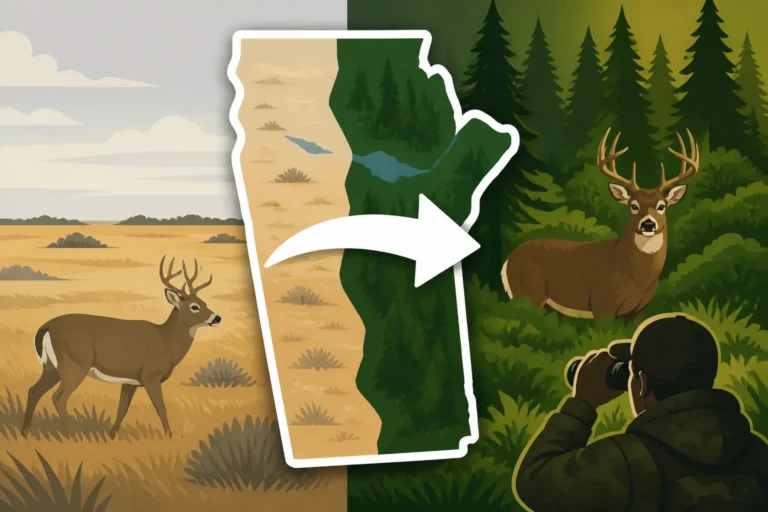
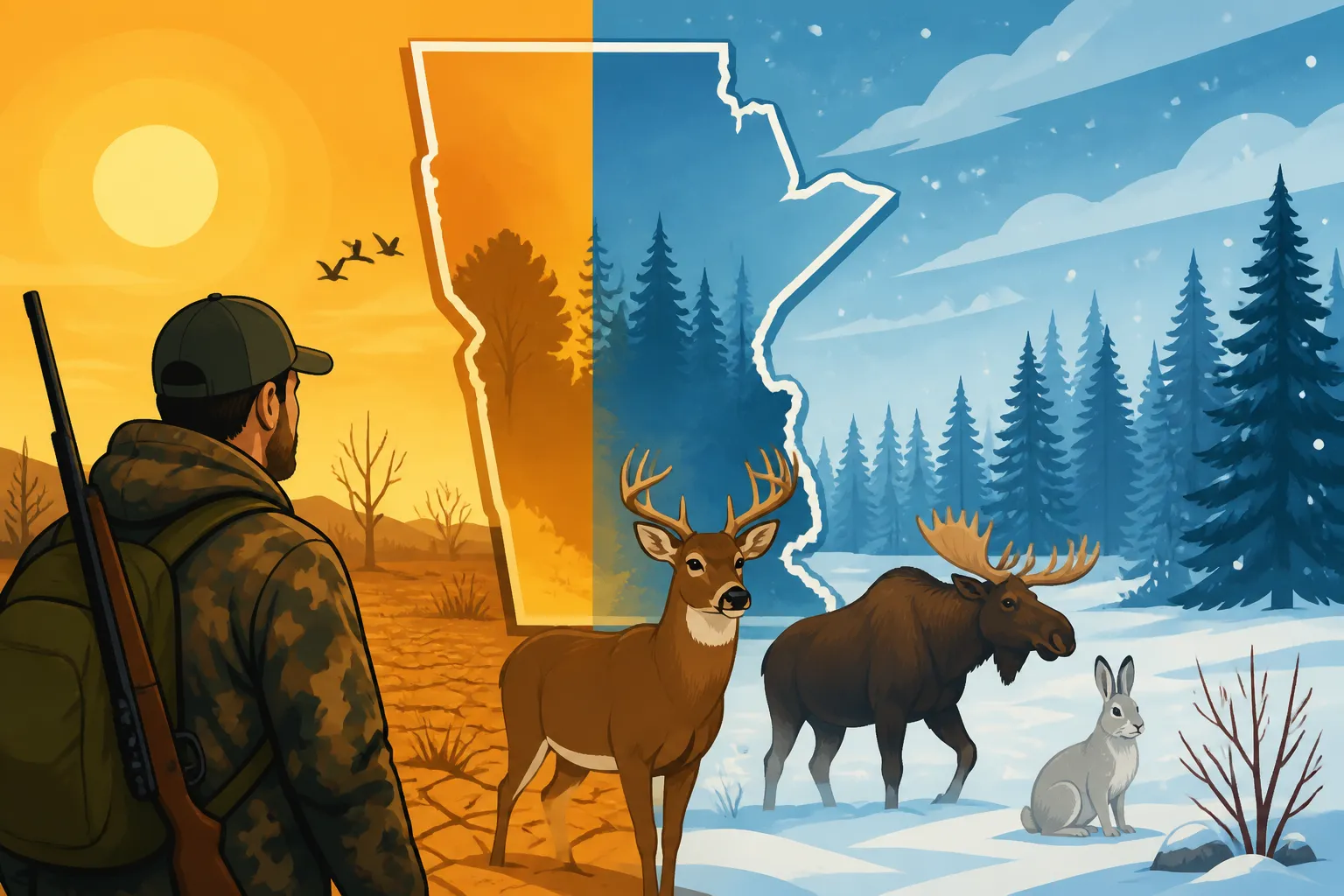
One of the most talked-about changes is the trend towards warmer, shorter winters. Remember those brutal stretches of thirty-below for weeks on end? While they still happen, they seem less frequent and often shorter-lived. This means less persistent deep snow cover across many regions, which has a ripple effect. For some species, like whitetails, a less severe winter can be a boon, easing the stress of foraging and improving overwinter survival rates. However, for others, like moose, it can exacerbate issues like winter tick infestations, which thrive in milder conditions.
Beyond temperature, precipitation patterns are also in flux. We're seeing more intense rainfall events in some areas, leading to localized flooding, while other regions experience prolonged dry spells and even drought conditions. This directly impacts wetland health, forest fire risk, and the availability of crucial forage. A dry fall, for instance, can make it harder for waterfowl to find suitable staging areas, forcing them to move on more quickly. Understanding these broad atmospheric changes is the first step to grasping their effects on the ground.
Impact on Habitat and Ecosystems
These climatic shifts don't just affect individual animals; they ripple through entire ecosystems, altering the very habitats our game species rely upon. For example, warmer temperatures can allow certain plant species to expand their range northward, potentially changing forest composition over time. Imagine aspen parkland gradually shifting its character, or boreal forests seeing new types of undergrowth. This can create new food sources or, conversely, reduce the availability of traditional browse plants for species like moose or elk.
Wetlands, which are vital for waterfowl, furbearers, and many other creatures, are particularly vulnerable. Extended droughts can shrink or completely dry up potholes and marshes, concentrating birds in fewer areas or forcing them to bypass Manitoba altogether. Conversely, excessive rainfall can flood nesting sites. The health of our watersheds, from the Assiniboine River to the remote northern lakes, is directly tied to these changing weather patterns. Hunters who pay attention to these broader ecological shifts, perhaps even using tools like Scouting With Satellite Imagery in Manitoba to identify changing landscape features, will be better equipped to adapt.
Direct Impacts on Key Game Species
The consequences of climate shift aren't uniform across all species. Each animal, with its unique biological needs and adaptations, responds differently to these environmental pressures. Understanding these species-specific impacts is crucial for appreciating the challenges and opportunities ahead for Manitoba hunters.
Whitetails and Moose: A Tale of Two Species
For Manitoba's beloved white-tailed deer, warmer winters generally present a more favorable scenario. Less deep snow means easier movement, less energy expended to find food, and often higher survival rates for fawns and adult deer alike. We might see an expansion of deer populations into areas that were historically too harsh, or higher densities in traditional haunts. However, milder conditions can also change where deer "yard" in winter, altering traditional hunting spots. This also means different pressure points for their food sources, and potentially increased instances of certain diseases that thrive in warmer conditions. You might notice deer staying out of thick cover longer into the season, making for different hunting strategies than when How Deep Snow Moves Deer Into Cover was a more common problem.
Moose, on the other hand, face a more challenging outlook. These magnificent animals are adapted to cold environments, and warmer winters can be detrimental. Increased temperatures, especially in late winter and early spring, create ideal conditions for the winter tick (moose tick) to thrive. Heavy tick loads can lead to significant blood loss, hair loss, and even death, particularly in calves and cows. You can learn more about this specific challenge in How Winter Ticks Affect Boreal Moose. As temperatures rise, we've seen impacts on Manitoba's Moose Population Trend, leading to Manitoba's Moose Conservation Closures in some areas. Their boreal forest habitat is also susceptible to changes in tree species composition and increased frequency of wildfires, further stressing these majestic animals.
Waterfowl and Upland Birds: Migration and Breeding Ground Changes
Waterfowl hunting in Manitoba is legendary, and these species are intimately tied to water and weather. Climate shifts can alter migration timing, with some birds arriving earlier in spring or staying later into fall. This means hunters need to be more flexible with their season expectations, as the big pushes of birds might not align perfectly with traditional calendars. Changes in precipitation can drastically affect the abundance and distribution of wetlands, which are critical for nesting and staging. Droughts can dry up crucial breeding grounds, while intense rainfall events can flood nests.
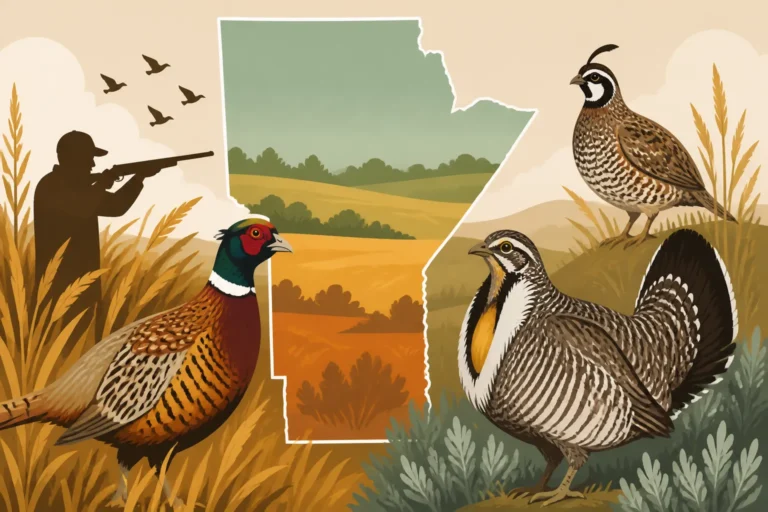
For species like ducks, the health of our prairie potholes and marsh systems is paramount. You might find yourself scouting new areas, or using online mapping tools from services like GoHunt, to track water levels and bird concentrations. Manitoba's Duck Species and Where They Nest outlines the incredible diversity that relies on these habitats. Upland birds, such as sharp-tailed grouse and Hungarian partridge, are also impacted, albeit differently. Changes in snow cover can affect their ability to forage and find shelter from predators. Altered growing seasons can impact the availability of seeds and insects they rely on.
Predators and Northern Species: Adapting to a Changing North
Manitoba's northern regions are experiencing some of the most dramatic shifts. For barren-ground caribou, their immense migrations are often linked to specific weather patterns and snow conditions that dictate forage availability and predator avoidance. Changes in the timing and extent of snowmelt, or the growth of new vegetation in the tundra transition zone, can disrupt these ancient patterns. Hunters pursuing Barren-Ground Caribou in Northern Manitoba might find themselves adjusting their strategies as these animals navigate an evolving landscape.
Predators like wolves and coyotes are also affected. With shifts in deer and moose populations, their prey base changes, potentially leading to adjustments in their numbers and distribution. A less severe winter, for instance, might make it easier for coyotes to hunt, potentially increasing their numbers in the farmland belt. Even furbearers, often overlooked, face challenges as water levels fluctuate and specific habitats like muskegs or beaver flowages change. The entire food web of the North is in a constant state of re-calibration.
How Hunters Are Adapting to Climate Shifts
It's clear that the landscape of hunting in Manitoba is evolving. While these changes can feel daunting, hunters are nothing if not adaptable. Our connection to the land and our understanding of wildlife behavior gives us a unique perspective and a responsibility to respond thoughtfully.
Scouting and Strategy Adjustments
The "old reliable" spots and times aren't always so reliable anymore. Hunters need to become even more diligent scouts. This means spending more time in the field before the season, observing new patterns in game movement, and understanding how local habitat is responding to weather variations. If winters are milder, for example, deer might not yard up as tightly, and their bedding areas might be more dispersed. Understanding Reading Whitetail Sign in Manitoba Aspen might require a new lens, looking for subtle changes in browse lines or rub activity in areas previously less used.
Tools like GPS apps and satellite imagery (many available through services like GoHunt) have become indispensable for tracking changes in water levels, vegetation growth, and even recent wildfire impacts. A good hunter combines traditional knowledge passed down through generations with modern technology to stay ahead of these shifts. Being flexible with stand placement, adapting calling strategies, and being prepared for a wider range of weather conditions during a single hunt are all part of the new normal.
Longer Seasons, Different Conditions
In some instances, climate shifts could potentially lead to longer hunting opportunities. Milder falls could extend the period when certain game animals are active, or push back the onset of deep cold that typically ends seasons. However, this also means facing different conditions. An early archery opener might be hotter than hunters are used to, making meat care more challenging. Late-season rifle hunts might not have the traditional deep snow, changing animal movement patterns.
Conversely, some seasons might face greater pressure for changes if populations are negatively impacted, as seen with some Manitoba's Moose Conservation Closures. This isn't about blaming hunters; it's about acknowledging the complex interplay of environmental factors that dictate wildlife management. As hunters, staying informed about these discussions and supporting science-based management decisions is vital. You might even find that Hunting the Late December Season feels less like a deep winter trek than it used to.
Supporting Conservation Efforts
Perhaps the most critical role hunters play in the face of climate shift is through active involvement in conservation. Organizations dedicated to habitat preservation, wetland restoration, and responsible land management are more important than ever. By contributing to these efforts, whether through financial support, volunteering time, or simply purchasing conservation stamps, hunters directly help mitigate the negative impacts of environmental changes on game species.
Advocating for sustainable land use practices, participating in CWD sampling programs (like those outlined in Manitoba's Mandatory CWD Sampling GHAs), and being diligent about ethical hunting practices all contribute to the long-term health of Manitoba's wildlife. We are not just participants in the hunt; we are stewards of the land and its creatures. The future of hunting in Manitoba depends on our ability to adapt, learn, and passionately advocate for the wild places we hold so dear.
| Species Group | General Climate Shift Impact | Specific Examples of Impact | Hunter Adaptation |
|---|---|---|---|
| White-tailed Deer | Generally Positive | Higher overwinter survival, potential range expansion, altered yarding/bedding patterns. | More pre-season scouting, adapting to dispersed deer, varied stand sites. |
| Moose | Generally Negative | Increased winter tick prevalence, heat stress, habitat changes due to forest shifts. | Support conservation, focus on ethical harvest, understand population trends. |
| Waterfowl | Mixed / Highly Variable | Shifts in migration timing, wetland drying/flooding, changes in staging areas. | Flexible hunting dates, intense scouting for water, use of GoHunt for mapping. |
| Upland Birds | Mixed | Changes in ground cover, insect availability, snow depth affecting foraging/shelter. | Observe local vegetation, adapt dog work, focus on resilient habitats. |
| Caribou | Generally Negative | Disruptions to migration routes, changes in lichen availability, increased predator access. | Stay informed on herd health, support research, responsible harvest. |
| Predators | Mixed | Shifts in prey base, easier winter hunting for some species, potential range changes. | Adapt calling strategies, understand prey dynamics, contribute to data. |
Disclaimer
This article is for general informational purposes only and does not constitute professional advice. Laws, prices and regulations vary by location and change over time. Consult a qualified professional for guidance on your specific situation.