Manitoba Rules on Baiting Big Game
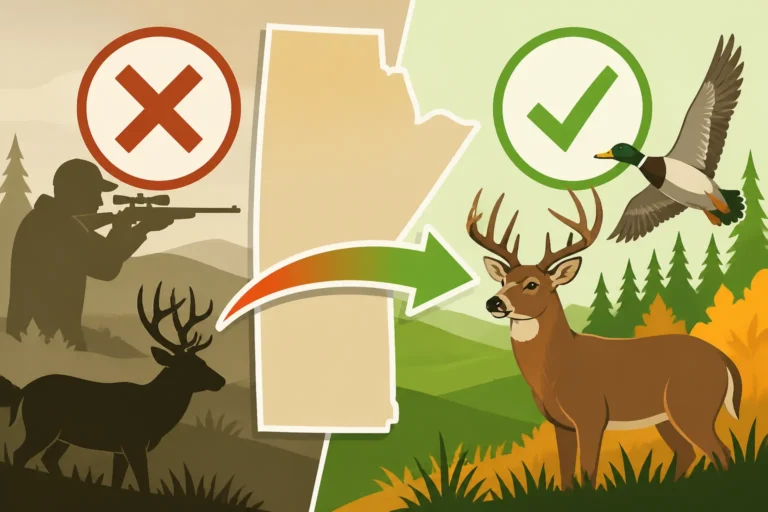
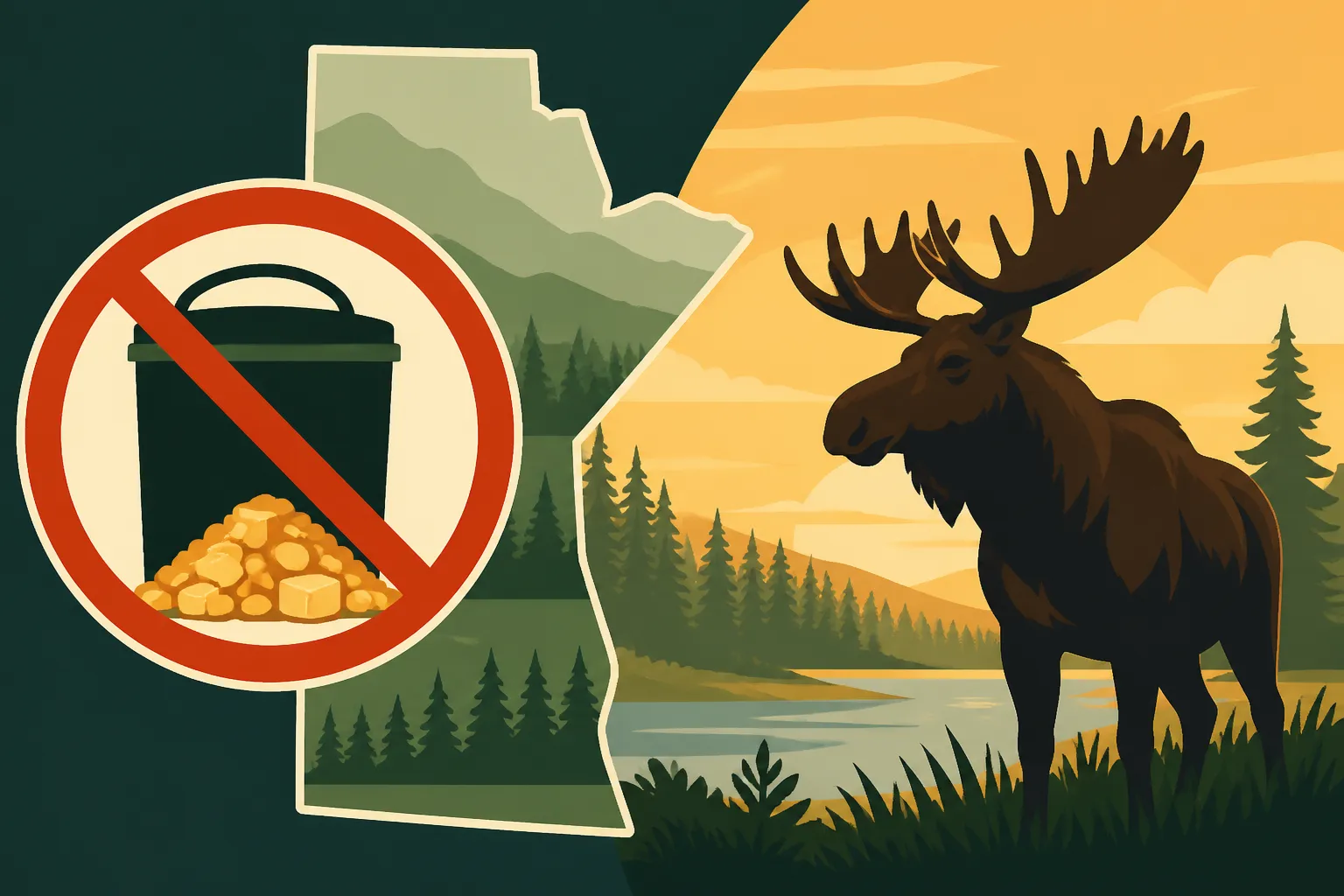
Navigating the complex world of hunting regulations can feel like trying to hit a moving target sometimes, especially when it comes to something as nuanced as baiting. Many hunters, both new and seasoned, find themselves scratching their heads over what's allowed and what's not when it comes to using attractants for big game in Manitoba. This comprehensive guide is here to untangle those rules, clarify the specifics for different species, and help you hunt responsibly and within the law.
The Complex Landscape of Baiting Regulations in Manitoba
Hunters often feel a bit overwhelmed when they first dive into Manitoba's hunting regulations, and baiting is one of those areas that can cause a lot of head-scratching. It's not a simple "yes" or "no" answer across the board, which is where the frustration often begins. The rules are designed with specific conservation goals in mind, aiming to manage wildlife populations, ensure fair chase, and prevent the spread of diseases. This means understanding why certain rules are in place is just as important as knowing what the rules are.
Understanding the "Why" Behind Baiting Rules
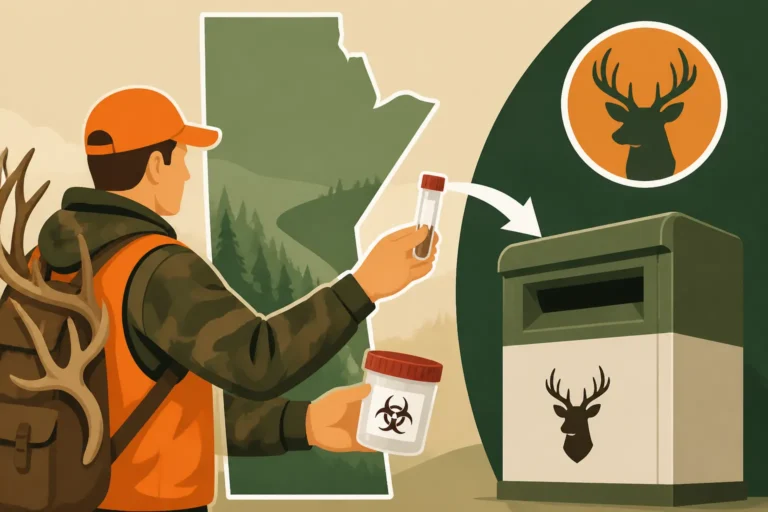
It's easy to just see regulations as roadblocks, but they're truly the backbone of sustainable hunting. When it comes to baiting, the primary concerns revolve around altering natural animal movement patterns, concentrating animals in one spot which can increase disease transmission (like Chronic Wasting Disease), and ensuring an ethical hunting experience. For instance, concentrating deer at a bait pile could make them more vulnerable to predators or easier targets for unethical hunters, disrupting the balance of nature and the spirit of fair chase. Furthermore, introducing foreign food sources can sometimes negatively impact an animal's natural diet and digestive system. The province takes a careful approach to ensure wildlife health and hunter opportunity are both protected.
Regional Variations and Game Hunting Area Specifics
Manitoba isn't a single, uniform landscape, and neither are its hunting regulations. What's permissible in one part of the province, particularly regarding baiting, might be strictly prohibited just a few Game Hunting Areas (GHAs) away. This regional variation can be a real headache for hunters, especially those who hunt in multiple zones or are new to an area. It’s crucial to remember that regulations can differ significantly depending on the specific GHA you plan to hunt in. For example, some areas might have denser populations of certain species, or be part of a disease management zone, leading to stricter rules. Always consult the most current Manitoba Hunting Guide for the GHA you intend to hunt. A great tool for this is looking up your specific GHA rules or even how to read a Manitoba GHA map before you go, as details often vary season to season and area to area. It’s not enough to know the general rules; you need to know the hyper-local ones to stay compliant.
Species-Specific Baiting Rules: What's Allowed for Whom?
This is where the rubber meets the road. Many hunters dream of setting up the perfect bait site, but Manitoba's regulations are quite specific about which big game species you can bait and under what conditions. It's vital to get this right, as penalties for violations can be steep.
Baiting for Black Bear: A Common Practice
For many, the mention of big game baiting immediately brings to mind black bears. And for good reason – baiting is a widely accepted and often highly effective method for hunting black bears in Manitoba, particularly during the spring and fall seasons. Outfitters specializing in Black Bear Hunting in Manitoba rely heavily on well-established bait sites to provide consistent opportunities for their clients. The provincial regulations generally permit the use of bait for black bears, but there are still important guidelines. For instance, bait sites must be registered and adhere to specific distance requirements from roads, residential areas, and other existing bait sites. You can't just toss out a pile of donuts anywhere. Successful bear baiting involves significant effort, consistent replenishment, and understanding bear behavior, all within the legal framework.
Whitetail Deer: Strict Limitations on Baiting
This is often where the most confusion arises. Unlike black bears, baiting for white-tailed deer in Manitoba is highly restricted and, in most general hunting scenarios, prohibited. You might hear stories or see practices from other jurisdictions where deer baiting is common, but that's simply not the case across most of Manitoba. The province has recognized the risks associated with concentrating deer, particularly concerning the spread of diseases like Chronic Wasting Disease (CWD), which poses a serious threat to our deer populations. In areas designated as CWD Management Zones, baiting is explicitly forbidden. Even outside these zones, the general rule is to avoid placing food or attractants that could concentrate deer. While certain scent lures or synthetic attractants might be permissible if they don't provide a food source, anything that constitutes a "bait" or "feed" that deer consume is generally off-limits. Hunters must understand the nuances of what constitutes "bait" to avoid unintentional violations when hunting White-Tailed Deer, Manitoba's Most Hunted Animal.
Moose and Elk: Generally Prohibited Practices
When it comes to the larger big game species like moose and elk, the rules are even clearer: baiting them is generally not permitted in Manitoba. These animals naturally cover vast territories, and introducing bait fundamentally alters their natural foraging behavior and movement patterns. The principle of fair chase is strongly upheld for species like Moose Across Manitoba's Boreal Forest and Elk in Manitoba's Parkland and Mountains. Concentrating these animals at a bait site could make them unnaturally vulnerable and would undermine the challenge and ethics of pursuing them in their natural habitat. Hunters seeking these magnificent animals typically rely on scouting, tracking, calling, and understanding their natural habitat and movement patterns, rather than luring them with feed. It's a different kind of hunt, focusing more on stealth and woodsmanship.
Defining "Bait" and Permitted vs. Prohibited Attractants
One of the biggest pitfalls for hunters is misunderstanding what the province considers "bait." It’s not always as obvious as a pile of corn. The regulations cast a wide net to ensure the spirit of the law is met, not just the letter.
Defining "Bait" in Manitoba
Manitoba's regulations define "bait" quite broadly. Generally, it refers to any substance, natural or artificial, that is used to attract game animals for the purpose of hunting, observation, or capture. This includes, but isn't limited to, grain, fruit, vegetables, nuts, salt, minerals, or any prepared solid or liquid food product. The key is whether it acts as a food source or an ingestible attractant. This means that a lick of salt or a pile of apples could be considered bait, even if your intention wasn't to "bait" in the traditional sense. It's about what the animal perceives and consumes. The rule aims to prevent the concentration of animals and potential spread of disease, as well as maintaining fair chase principles. For hunters using resources like GoHunt, understanding these definitions is paramount to compliance.
Permissible Attractants Versus Prohibited Feed
This distinction is crucial. While most ingestible food items are considered prohibited bait for deer, moose, and elk, certain non-food attractants might be permissible, depending on the species and context.
- Permissible for Deer (with caution): Scent lures that don't provide a food source, such as synthetic deer urines, estrus scents, or curiosity scents, are generally acceptable. These are designed to appeal to an animal's olfactory senses, mimicking the presence of another deer or signaling breeding activity, rather than offering a meal. However, even with these, consider the spirit of the law: don't create a 'lure pile' that acts like bait. It's a fine line, and when in doubt, it's always best to err on the side of caution or consult a conservation officer.
- Prohibited for Deer, Moose, and Elk: Any food item, mineral supplement, or salt lick intended to be consumed by the animal is generally prohibited outside of specific, licensed bear baiting operations. This includes food plots grown specifically to attract game if the intent is hunting over them, as they fall under the definition of providing a food source.
- Permitted for Bear: As discussed, a wide range of food items can be used for bear bait, provided the site is registered and follows all other specific regulations for Manitoba Bear Season Dates and baiting rules. These typically include sweets, grains, meat scraps, and other strong-smelling foods.
The "Active Bait Site" Concept
An important, often overlooked aspect of baiting regulations is the concept of an "active bait site." For species where baiting is prohibited, it's not enough to simply remove the bait before you hunt. The law often stipulates a minimum period during which a site must be free of bait before hunting can occur in the vicinity. This is because animals can become habituated to a location and continue to frequent it even after the food source is removed. For example, if you mistakenly put out some apples for deer and then remove them, the area might still be considered "baited" for a certain duration because deer were conditioned to visit. Always ensure that any area you plan to hunt has been free of any prohibited bait for a sufficient period as defined in the regulations, which can vary. If you're ever in doubt about what constitutes an active bait site, particularly when Hunting Whitetails on Manitoba Farmland, it's best to verify with the provincial regulations or a local conservation officer.
Staying Compliant and Ethical: Best Practices for Baiting Rules
Understanding the letter of the law is one thing, but embodying the spirit of responsible hunting is another. Ignoring baiting regulations can lead to serious consequences, not just for you, but for the reputation of all hunters.
Penalties for Illegal Baiting
The consequences of violating Manitoba's baiting regulations are not to be taken lightly. These aren't minor infractions. Depending on the severity and species involved, penalties can range from significant fines to the suspension or revocation of hunting licenses, and even seizure of equipment, including firearms or vehicles. Imagine losing your hunting privileges for years, or facing thousands of dollars in fines, all because of a misunderstanding or intentional disregard for the rules. Conservation officers, who have significant Manitoba Conservation Officer Powers, are vigilant about enforcing these regulations to protect the province's wildlife resources. It's a stark reminder that ignorance of the law is no excuse. Always refer to the official Manitoba hunting guide and other reliable resources to ensure you're in compliance with Manitoba Big Game Season Dates and other specific rules. Don't forget to understand Manitoba Hunting Licences and What They Cost before heading out.
Ethical Hunting and Fair Chase Considerations
Beyond the legalities, there's the critical aspect of ethical hunting and fair chase. The concept of fair chase dictates that hunters should not have an unfair advantage over the animal. While baiting for bears is widely accepted as an ethical method within its regulated framework (given a bear's intelligence and ability to avoid baits or hunters), using bait for deer or moose is generally seen as undermining fair chase principles. It removes much of the challenge and skill involved in scouting, tracking, and calling game. As responsible hunters, our goal should always be to respect the animals we pursue and uphold the integrity of our sport. This means making conscious choices that reflect positively on the hunting community and ensure the long-term sustainability of wildlife populations. Ethical hunting often means going the extra mile to understand animal behavior, develop skills, and practice methods that are not dependent on artificial attractants. This also ties into the broader discussions around Manitoba Hunter Education Requirements which emphasize ethical considerations.
Staying Informed with Current Regulations
The regulations aren't static; they can and do change. What was permissible last year might not be this year, especially with evolving wildlife management strategies and disease prevention efforts. It's your responsibility as a hunter to stay informed.
- Annual Hunting Guide: Always get your hands on the most current Manitoba Hunting Guide. It's the definitive source of truth for all regulations, including those pertaining to baiting.
- Government Websites: The Manitoba government's official natural resources website is another excellent resource for up-to-date information, advisories, and GHA-specific rules.
- Hunting Organizations: Local hunting and wildlife federations often provide updates and interpretations of regulations, and can be a good source of community knowledge.
- Mapping Tools: Platforms like GoHunt and other mapping applications can sometimes integrate GHA boundaries and special regulation zones, helping you visualize where certain rules apply. However, these are tools, not definitive legal documents; always cross-reference with the official guide. Many hunters find that digital platforms, like GoHunt, offer valuable mapping features that can help visualize GHA boundaries and access points, though always cross-reference with official guides for the most current regulations on things like baiting.
- Conservation Officers: If you're truly unsure about a specific situation, don't hesitate to contact a local conservation officer. They are there to help ensure compliance and provide clarity. If you witness illegal activity, consider Reporting a Poacher in Manitoba. This is especially important for non-residents to understand the Rules for Non-Residents Hunting Manitoba.
Staying diligent and informed protects you, the animals, and the future of hunting in Manitoba.
Summary of Manitoba Big Game Baiting Rules by Species
To help you quickly reference the general rules for different species, here's a concise table:
| Species | General Baiting Rule | Common Permitted Attractants (if any) | Common Prohibited Attractants | Notes |
|---|---|---|---|---|
| Black Bear | Permitted for hunting, with strict regulations. | Sweets, grains, meat scraps, fruit, strong-smelling foods | N/A (as long as within regulations) | Bait sites must be registered, follow distance rules. |
| Whitetail Deer | Generally Prohibited for hunting. Highly restricted. | Synthetic scent lures (urine, estrus, curiosity) | Grain, corn, apples, salt licks, minerals, food plots | Prohibited in CWD Management Zones. Avoid food sources. |
| Moose | Prohibited for hunting. | None | Any food or mineral source (salt licks, grain, etc.) | Focus on natural calling and scouting. |
| Elk | Prohibited for hunting. | None | Any food or mineral source (salt licks, grain, etc.) | Emphasis on fair chase and natural pursuit. |
Disclaimer
The information provided in this article is for general guidance only and is not a substitute for the official Manitoba hunting regulations. Hunters are responsible for consulting the current year's Manitoba Hunting Guide and any applicable provincial acts and regulations before engaging in any hunting activities. Regulations can change, and it is the hunter's sole responsibility to ensure full compliance with all laws.