Hunting Whitetails on Manitoba Farmland
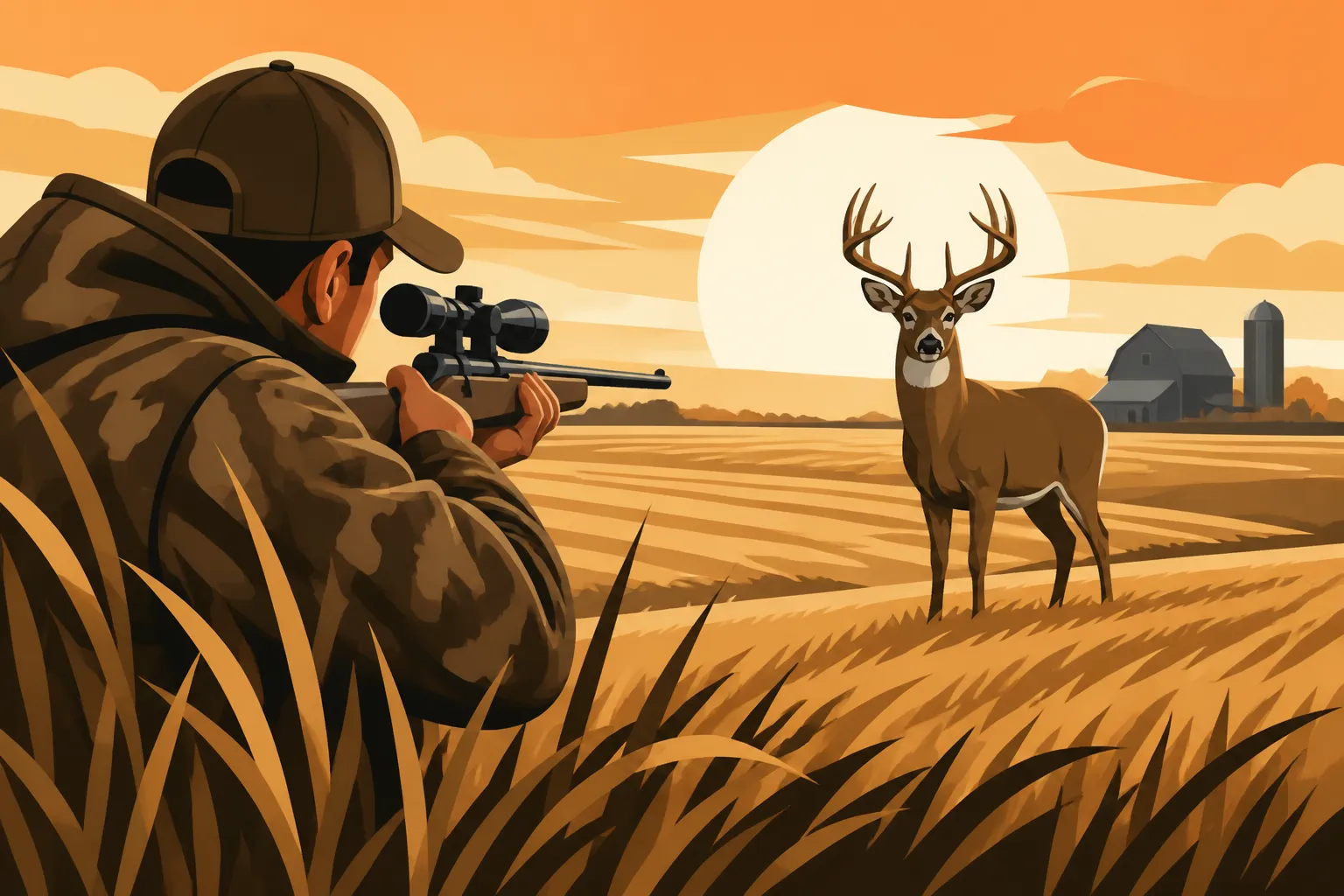
Hunting whitetails on Manitoba farmland presents a unique set of challenges and incredibly rewarding opportunities. The vast, open agricultural landscapes might seem barren to the untrained eye, but beneath the surface, these areas are often bustling with mature deer that thrive on abundant food sources and surprisingly effective pockets of cover. If you’ve ever felt frustrated trying to pinpoint deer in what looks like endless stubble, or struggled to get close enough for a shot, you’re in the right place. This guide will delve deep into the nuances of hunting whitetails in Manitoba’s rich farming country, helping you unlock its incredible potential.
Understanding Farmland Whitetail Behavior
Deer in agricultural settings behave differently than their bush-country counterparts. They are masters of adapting to human activity, using vast food sources and unexpected hideouts to their advantage. Grasping these behavioral patterns is the first step to consistently finding success on farmland.
Why Farmland Attracts Big Bucks
Manitoba's farmland offers an unparalleled buffet for whitetails. Imagine endless fields of corn, soybeans, wheat, and alfalfa – a veritable smorgasbord that allows deer to pack on incredible body mass and grow impressive antlers. This consistent, high-energy diet is the primary reason why many of Manitoba's biggest bucks are taken from agricultural zones. These abundant food sources mean deer don't have to travel far or expend much energy to feed, allowing them to conserve vital resources, especially as the colder months approach.
Beyond the food, these areas also provide critical cover. While it might not be continuous forest, farmland offers a patchwork of shelterbelts, thick willow and aspen bluffs, overgrown sloughs, and even standing crops like corn, which can hide an entire herd. These pockets of dense vegetation act as secure bedding areas and travel corridors. Often, these patches of cover are smaller and more fragmented than in deep bush, forcing deer into predictable patterns between them, making them prime targets for strategic hunters. The combination of easy calories and sufficient cover creates an ideal environment for deer to not just survive, but to truly thrive, which is why Manitoba bucks grow heavy bodies in these areas.
Daily Patterns and Rut Influences
Whitetails on farmland typically follow predictable patterns driven by their need for food and security. In the early season, before the rut kicks in, deer are largely nocturnal, venturing into fields to feed under the cover of darkness and retreating to dense cover at first light. Their daily routines are tightly wound around these food sources, making dawn and dusk the most productive times to catch them moving. Understanding these rhythms is crucial; you'll often find them moving from a secluded bluff, like those mentioned in "Hunting a Bluff Between Two Fields", out into a stubble field.
However, once the rut begins, especially from early to mid-November, these patterns become more erratic and daylight movement increases dramatically. Bucks, driven by the urge to breed, will abandon their nocturnal habits, cruising field edges, pushing through shelterbelts, and checking every possible bedding area for does. This is when you'll see a mature buck chasing a doe across an open field in broad daylight, a sight rarely witnessed outside of the rut. Post-rut, deer revert to a more food-centric pattern, but with an added emphasis on finding secure cover to recover from the strenuous breeding season, often moving into the thicker portions of nearby bush.
Scouting Farmland for Deer Sign
Effective scouting is paramount when hunting whitetails on farmland. The subtle clues deer leave behind can tell a complete story if you know what to look for, guiding your stand placement and hunting strategy.
Identifying Key Features and Funnels
Farmland landscapes, while seemingly flat and open, are full of subtle features that act as natural funnels and travel corridors for deer. These aren't always obvious; sometimes it’s just a slight elevation change, a low ditch, or a dense fenceline. Field edges where one crop meets another, or where a field meets a woodlot, are always high-traffic areas. Deer use these transition zones to move discreetly. Shelterbelts, those long rows of trees planted to break the wind, are essentially highways for whitetails, allowing them to travel great distances unseen.
Drainage ditches, creek bottoms, and slough crossings also serve as critical movement corridors, offering both cover and easy passage through otherwise open terrain. Even small, isolated woodlots or brush pockets nestled within vast fields are goldmines, providing crucial bedding and staging areas. When scouting, pay close attention to where these features intersect or bottleneck. Using digital mapping tools like GoHunt can highlight these geographical nuances, revealing how deer might navigate the landscape and helping you scout effectively even before you set foot on the ground. Understanding these nuances is key to knowing how to read a Manitoba GHA map before you go.
Reading Sign in Agricultural Landscapes
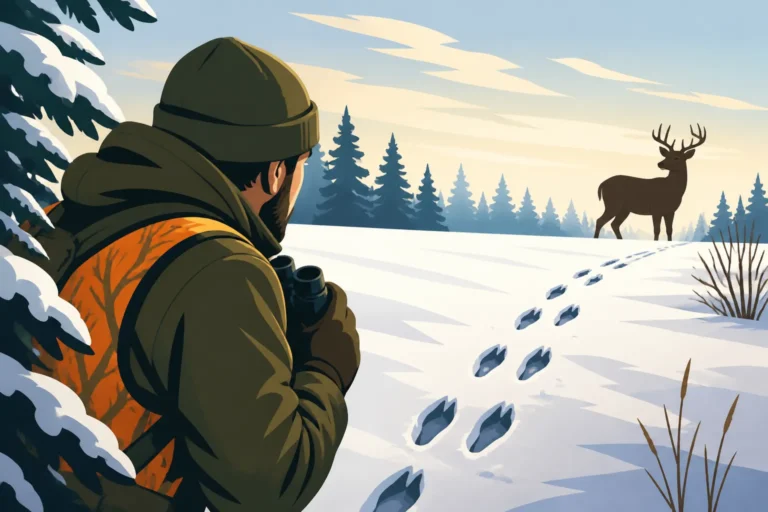
Deer sign on farmland often presents itself differently than in dense forests. Rubs and scrapes, for instance, aren't just found on trees; you'll often discover them on fence posts, small shrubs along field edges, or even power poles in prime travel areas. These signs indicate buck activity, especially during the pre-rut and rut, revealing preferred travel routes and calling card locations. Tracks are invaluable indicators, particularly in muddy areas around water sources, cattle dugouts, or field entrances. Fresh tracks tell you where deer are moving and when, while older tracks can still indicate habitual pathways.
Bedding areas can be surprisingly challenging to locate in farmland, but they are critical pieces of the puzzle. Whitetails often bed down within standing crops like mature corn or tall cover grass that lines slough edges. They'll also utilize dense brush in a willow run, thickets along creek banks, or the leeward side of a shelterbelt, especially on windy days. Look for flattened grass, droppings, and shed hair. Understanding how to read whitetail sign in Manitoba aspen or other common farmland vegetation will give you a significant advantage, allowing you to pinpoint where deer spend their daylight hours.
Strategic Stand Placement
Once you've identified key travel corridors and bedding areas, the next crucial step is strategic stand placement. This is where you leverage your scouting efforts to put yourself in the best possible position for a shot opportunity.
Locating Ambush Points for Movement
The primary goal of stand placement on farmland is to intercept deer as they move between bedding and feeding areas. This often means setting up along a field edge, at the intersection of two shelterbelts, or overlooking a narrow pinch point where cover constricts deer movement. Think about where a buck would naturally funnel through to get from a secure woodlot to a prime alfalfa field. That intersection, or the edge of a standing canola field, becomes a high-percentage ambush point.
Always consider the wind direction. Deer rely heavily on their sense of smell, and a swirling or incorrect wind can ruin a hunt before it even starts. Plan multiple stand locations for different wind scenarios. Equally important is your access route to and from the stand. Can you get in and out silently, unseen, and without spooking deer in their bedding or feeding areas? Your entry and exit paths should be as concealed as possible, perhaps using a drainage ditch or the backside of a treeline, especially during prime movement times. If you're setting up for an evening hunt, make sure your exit doesn't push deer already in the field back towards their bedding.
Utilizing Various Stand Types
Farmland hunting allows for a diverse approach to stand types, each with its own advantages depending on the specific terrain and hunting scenario. Ladder stands or hang-on stands are excellent choices for the edges of woodlots or shelterbelts, offering an elevated vantage point to spot deer moving into open fields. These stands allow you to get above a deer's line of sight and often above their primary scent cone, particularly beneficial when hunting a bluff between two fields. Just remember to use a safety harness every time.
Ground blinds are incredibly versatile for farmland, especially in areas with limited trees. A pop-up blind tucked into a field of standing corn, a dense willow clump, or a brushy fenceline can offer excellent concealment and warmth during colder hunts. They allow for more movement and can be set up quickly. For hunters wanting maximum comfort and an expanded view over large open fields, elevated box blinds are a game-changer. These permanent or semi-permanent structures provide protection from the elements, can be heated for late-season hunts like "Hunting Whitetails at Thirty Below," and offer unparalleled visibility for spotting deer at a distance. Platforms like GoHunt often feature tools to help you visualize optimal stand placement based on terrain and wind, making your planning even more precise.
| Stand Type | Advantages | Disadvantages | Ideal Farmland Scenario |
|---|---|---|---|
| Ladder Stand | Elevated view, relatively stable, easier to set up than hang-on. | Limited mobility after setup, noticeable profile. | Woodlot edges, tall shelterbelts, overlooking food plots. |
| Hang-On Stand | Very portable, adaptable to various trees, stealthy profile. | Requires tree climbing equipment, less comfortable for long sits. | Isolated trees in brush pockets, strategic funnels, quick relocations. |
| Ground Blind | Excellent concealment, warmth/shelter, good for bowhunters. | Limited visibility (especially over tall crops), scent control critical. | Standing crops (corn), dense brush piles, slough edges, fence rows. |
| Box Blind | Maximum comfort, weather protection, wide view, stable shooting. | Less portable, expensive, can be very visible if not placed well. | Large open fields, transition zones between fields and thick cover, long-term setups. |
Hunting Techniques for Farmland Whitetails
Once your stands are set and your scouting is complete, it's time to consider the hunting techniques best suited for these unique landscapes. Farmland hunting often calls for a blend of patience, stealth, and aggressive tactics at the right time.
Still-Hunting and Spot-and-Stalk
Still-hunting is a highly effective, yet often underutilized, technique for farmland whitetails, especially when the cover is patchy or after crops have been harvested. It involves moving incredibly slowly, stopping frequently (often for 5-10 minutes at a time) to glass ahead and observe your surroundings. This allows you to cover ground, but at a pace where you're actively hunting, looking for deer rather than just hiking. Focus your still-hunting efforts along field edges, within shelterbelts, or along the fringes of woodlots, constantly scanning for movement, a flick of an ear, or a piece of antler.
Spot-and-stalk is another thrilling tactic, particularly suited to the more open nature of farmland. This involves using high-quality optics, like those often recommended on platforms similar to GoHunt, to glass vast fields and distant cover from a vantage point. Once you spot a deer, the challenge is to plan an approach using available terrain features—like ditches, swales, or the cover of a hedgerow—to get within shooting range undetected. It requires extreme patience, careful wind assessment, and often a fair bit of crawling. This method is especially rewarding when hunting a swathed grain field at dusk.
Calling and Decoying Strategies
Calling can be incredibly effective on farmland, especially during the peak of the rut. The relatively open nature of these areas means that vocalizations can travel further, and bucks are more likely to respond to a call when they are actively cruising for does. Rattling antlers, simulating two bucks fighting, can draw curious or aggressive bucks right into your shooting lane. However, it's important to adjust your rattling volume in open parkland so you don't overdo it. Grunt calls and doe bleats also have their place, especially to stop a moving deer or to attract a buck that might be trailing a doe just out of sight.
Decoying can be a powerful complement to calling, particularly for bowhunters or during the rut when bucks are less wary. Placing a buck decoy or a doe decoy in an open field, often paired with strategic calling, can draw a dominant buck right to your setup, believing he's encountering a rival or a potential mate. For optimum realism, consider using scent wicks with estrous doe urine or dominant buck scents near your decoy to enhance the illusion. Always ensure your decoy is visible from a distance and positioned so approaching deer present a good shot opportunity.
Overcoming Farmland Hunting Challenges
Hunting whitetails on farmland comes with its own unique set of hurdles, from navigating private property to adapting to ever-changing conditions. Being prepared for these challenges is key to a successful and ethical hunt.
Navigating Private Land and Permission
The biggest challenge in farmland hunting often isn't finding the deer, but finding a place to hunt them. The vast majority of prime agricultural land in Manitoba is privately owned. This means that securing permission from landowners is not just a courtesy, it's a legal requirement and an ethical imperative. Trespassing is not only illegal under Manitoba Trespass Law for Hunters but also damages the reputation of all hunters. Start early, well before the season opens, and be respectful and courteous. Dress presentably, offer to help with chores, and always leave the property better than you found it.
Platforms like GoHunt might offer property line overlays, which are invaluable for identifying ownership. When you approach a landowner, be clear about your intentions, offer references, and be prepared to be flexible with their requests, such as avoiding certain fields or times of day. Remember, a "no" today doesn't mean a "no" forever. Sometimes, the best way to gain access is by offering to help with crop damage permits for farmers, or by simply being a good neighbor. Building a positive relationship with landowners is a long-term investment that often leads to years of hunting opportunities. Don't forget to ask for permission for any specific activities, like leaving a treestand or putting up a ground blind. If you're wondering how to approach this, checking out "Knocking on Doors in Manitoba Farm Country" can offer some excellent advice.
Adapting to Changing Conditions
Farmland landscapes are constantly in flux, especially throughout the hunting season. What starts as a field of tall, standing corn can quickly become an open stubble field after harvest. These changes dramatically alter deer movement patterns and available cover. Hunters must be adaptable; a stand that was perfect in September might be useless by November. After harvest, deer will shift their bedding and feeding locations, often concentrating in the remaining pockets of cover or moving to fields with fresh growth. This is when understanding where Manitoba whitetails bed in deep snow becomes crucial.
Weather also plays a significant role. High winds can make calling ineffective and deer may stick to sheltered areas. Rain can wash away scent trails and make tracking difficult. Heavy snow can push deer into concentrated wintering areas, making them easier to pattern but also more vulnerable. Always scout throughout the season and be prepared to move your setup or change your strategy based on current conditions. A dry fall will impact food sources differently than a wet one, and deer will react accordingly.
Essential Gear and Safety Considerations
Having the right gear and prioritizing safety are non-negotiable for any hunting adventure, but especially when hunting in the unique environment of Manitoba's farmland.
Recommended Gear for Farmland Hunts
Given the often open nature of farmland, high-quality optics are not just a luxury, they're a necessity. A good pair of 10x binoculars will allow you to scan vast fields for deer at a distance, picking up subtle movements or distinguishing a branch from an antler. A spotting scope can be invaluable for identifying specific animals or assessing trophy potential without having to get close and risk spooking them. Rangefinders are also critical, helping you precisely gauge distances across open terrain, preventing ethical dilemmas of guessing yardage. When you’re looking at a buck that could be 100 or 400 yards away, knowing the exact distance is paramount for an accurate shot.
Shooting sticks or a bipod are highly recommended, providing a stable shooting platform when taking longer shots across open fields. This stability can be the difference between a clean kill and a missed opportunity. Layered clothing is essential for Manitoba's unpredictable weather. Early season might call for lightweight, breathable layers, while late season hunts will demand serious insulation to stay warm while sitting still, especially if you're hunting safely in deep winter cold. Don't forget essentials like a good headlamp, a sharp knife, game bags, and enough water and snacks for a long day in the field. Using a hunting app like GoHunt for mapping and weather updates can also be incredibly beneficial for planning your day.
Safety on Farmland
Safety should always be your top priority. On farmland, wearing plenty of blaze orange is not just a legal requirement but a common-sense measure to ensure you are highly visible to other hunters, farmers, and anyone else working in the area. Review "How Much Blaze Orange Manitoba Requires" before heading out. Be acutely aware of farm machinery. Tractors, combines, and other equipment are large, can be surprisingly quiet, and move quickly. Never assume a farmer sees you. Maintain a safe distance and make your presence known.
Be mindful of livestock, especially cattle, which might be present in pastures or fields. Do not disturb them, and always close any gates you open. When taking a shot, always be absolutely certain of your target and what lies beyond it. The open nature of farmland means your bullet or arrow could travel a long distance. Always have a safe backdrop, be it a treeline, a hill, or the ground, and never shoot towards farm buildings, roads, or residential areas. Lastly, always inform someone of your hunting plans, including your location and expected return time. Carrying a fully charged cell phone (though service can be spotty in some rural areas) and a personal locator beacon can be life-saving in an emergency.
Disclaimer
Please note that hunting regulations, seasons, and access rules in Manitoba can change. Always consult the most current Manitoba Hunting Guide and relevant provincial government resources before planning any hunt. This article is intended for informational purposes only and does not constitute legal advice. Adherence to all local, provincial, and federal laws is the hunter's sole responsibility.