Manitoba Bear Season Dates
Trying to pin down the exact dates for bear hunting in Manitoba can feel a bit like chasing a phantom in the bush – they shift, they vary by zone, and sometimes it feels like you need a secret decoder ring to keep it all straight. It’s a common frustration for both seasoned hunters and newcomers alike. This guide is going to break down Manitoba's bear season dates, helping you understand the nuances between spring and fall hunts, navigate the different Game Hunting Areas (GHAs), and equip you with the knowledge to plan your next successful black bear adventure.
Understanding Manitoba's Bear Hunting Seasons
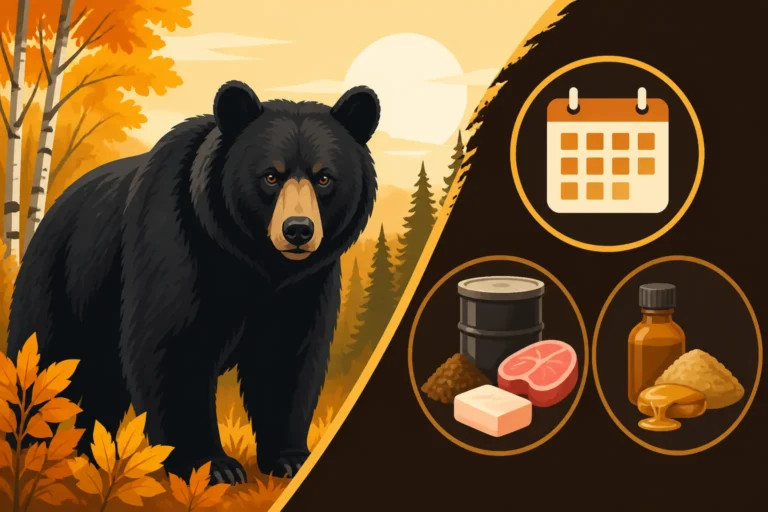
Manitoba offers two distinct black bear hunting seasons: a spring season and a fall season. These aren't just arbitrary dates; they coincide with crucial periods in a bear's annual cycle, influencing everything from their behavior and feeding patterns to the quality of their hide. Understanding these natural rhythms is key to a successful hunt.
Spring Bear Season Explained
The spring bear season in Manitoba is a highly anticipated time for many hunters, typically running from late April or early May right through to mid-June. What makes this season so appealing is the timing: bears are just emerging from their dens, often hungry and focused on replenishing their reserves after a long winter. This hunger often makes them more responsive to bait, which is a popular and effective method for hunting black bears in Manitoba. When bears first emerge, their coats are usually in prime condition, thick and glossy, having not yet been rubbed or thinned by the warmer summer months.
However, spring hunting also comes with its own set of challenges. The weather can be incredibly unpredictable. You might experience glorious sunny days one week, followed by cold snaps and even late-season snowstorms the next. This variability means you need to be prepared for anything, from muddy trails to unexpected freezes. Bears are also in the process of shedding their winter hair in late spring, so if you're targeting a pristine hide for a rug or taxidermy, the earlier part of the season is generally preferred. For an in-depth look at what to expect during this time, check out our guide on Spring Bear Hunting in Manitoba.
Fall Bear Season Explained
Manitoba's fall bear season typically kicks off in late August or early September and often extends into October or even early November, depending on the specific Game Hunting Area (GHA). This season offers a completely different experience compared to spring. Bears in the fall are in a hyperphagic state, meaning they are intensely focused on consuming massive amounts of food to build up fat reserves for hibernation. This can make them incredibly active, especially around food sources like berry patches, agricultural fields, and well-maintained bait sites.
The advantage of a fall hunt is often a bear with significantly more body mass. They've spent all summer feasting, and some of the largest bears are taken during this period. While the hides might not be as universally "prime" as in early spring due to rubs, many hunters find the sheer size and challenge of a fall bear hunt to be incredibly rewarding. The weather is generally cooler and more stable than in spring, with crisp autumn days and vibrant fall colours adding to the overall experience. However, with cooler temperatures, bears might move more erratically and can be less reliant on specific bait sites if natural food sources are abundant. Hunters interested in this period should consult our detailed information on Hunting Manitoba's Fall Bear Season.
Navigating Zone-Specific Bear Dates
Manitoba's hunting regulations are highly localized, and black bear season dates are no exception. You can't just pick a province-wide date and expect it to apply everywhere. The province is divided into numerous Game Hunting Areas (GHAs), and the season dates, as well as specific rules, can vary significantly from one GHA to another. This is done to manage bear populations effectively based on local conditions, habitat, and human-wildlife interactions.
The Impact of Game Hunting Areas
Understanding GHAs is paramount for any hunter in Manitoba. Each GHA has its own set of regulations, including specific opening and closing dates for various species. For bear hunting, these GHA boundaries dictate exactly when and where you can legally pursue a black bear. It’s not uncommon to find a GHA just a few miles away from your intended hunting spot that has completely different dates. Ignoring these distinctions can lead to serious legal trouble, so it's critical to verify the exact GHA you plan to hunt in and its associated dates. Many hunters find resources like the annual Manitoba Hunting Guide or online mapping tools, such as those provided by GoHunt, invaluable for identifying these boundaries and associated regulations. This careful planning prevents disappointment and ensures compliance, especially if you're trying to hunt near a specific area like Hunting Around Riding Mountain National Park.
Key Zones for Spring Bear
While specific dates change annually and hunters must always verify the current year's regulations, generally, spring bear hunting is most prevalent across Manitoba's vast northern and eastern boreal forests, and portions of the Parkland and Interlake regions. GHAs in these areas often see spring seasons that open in late April or early May and run through to mid-June. These regions offer prime bear habitat with extensive timber, wetlands, and abundant food sources. For example, areas like the Duck Mountain Provincial Forest or the Porcupine Provincial Forest are well-known spring bear hotbeds. Non-resident hunters, particularly those from outside Canada, must book with a licensed outfitter in specified GHAs. These outfitters typically operate in areas with high bear densities and well-established baiting programs, ensuring a quality hunting experience.
Key Zones for Fall Bear
Fall bear hunting opportunities are generally available across many of the same GHAs that support spring seasons, sometimes with a slightly longer duration. Fall seasons tend to open in late August or early September and can run into October or even early November. These later dates provide flexibility for hunters and allow for pursuit during a period when bears are intensely feeding on natural forage like saskatoon berries, chokecherries, and acorns, as well as agricultural crops such as oats and canola. The western and central regions of the province, encompassing parts of the Parkland and adjacent farmland fringes, often offer excellent fall bear hunting due to the availability of these diverse food sources. Again, consulting the current year's hunting guide and possibly using digital tools from providers like GoHunt to pinpoint specific GHA regulations is essential to ensure you're hunting within legal dates.
Here's a generalized overview of typical season ranges for black bear in Manitoba, but always consult the current year's Manitoba Hunting Guide for precise dates and GHA-specific information:
| Season | Typical Start | Typical End | Key Characteristics | Considerations |
|---|---|---|---|---|
| Spring | Late April/Early May | Mid-June | Bears emerging from dens, hungry, prime hides | Variable weather, earlier season for best hide |
| Fall | Late August/Early September | Late October/Early November | Bears bulking up for hibernation, highly active feeding | Larger body mass, less pressure, good for combining with other hunts |
Comparing Spring vs. Fall Bear Hunting
The choice between a spring or fall bear hunt often comes down to personal preference, specific hunting goals, and what kind of experience you're after. Both seasons offer unique opportunities and challenges, and understanding these differences can help you decide which is right for you. It’s not about one being definitively "better," but rather which aligns more with your expectations and availability.
Advantages of Spring Bear Hunting
For many, the spring bear hunt is a classic. One of the biggest draws is the quality of the hide. Bears emerging from hibernation often have thick, lustrous coats, perfect for a rug or full-body mount. The weather, while variable, is often starting to warm up, making for generally more comfortable hunting conditions than the deep cold of late fall. Crucially, bears are often incredibly hungry in the spring, which can make them very responsive to bait. This can be a huge advantage, particularly for hunters who prefer to hunt from a stand over bait.
Another aspect of spring hunting is the relative lack of foliage. With trees just budding or still bare, visibility can be better in certain areas, potentially aiding in spotting bears. It also offers an opportunity to get out into the woods after a long winter, filling that craving for adventure before other big game seasons open. If you're looking to establish a bait site, the relatively consistent movement of hungry bears in the spring can be highly productive. For a deeper dive into the specific dynamics, refer to our article on Spring Bear Hunting in Manitoba.
Unique Aspects of Fall Bear Hunting
Fall bear hunting offers a different flavour of adventure. As mentioned, bears in the fall are focused on consuming vast amounts of calories, making them extremely active. This hyperphagic state often results in bears with significant body mass, sometimes leading to truly enormous trophies. While hide quality might vary more than in spring, the sheer size of a fall bear can be impressive. The cooler, more stable weather of autumn is also a huge plus, offering comfortable days in the woods without the intense heat or bug pressure that can sometimes plague spring hunts.
Fall hunting also presents opportunities for combination hunts. For instance, you might be able to combine your bear hunt with scouting for deer or even an early waterfowl hunt, depending on the timing and location. The vibrant fall colours of the Manitoba bush provide a stunning backdrop, making for memorable outdoor experiences. While baiting remains effective, bears might also be found opportunistically around natural food sources like wild fruit trees, oat fields, or even cornfields, offering a different type of hunting challenge. Many hunters find that the later fall season offers less hunting pressure, especially after the initial rush of the September archery deer opener.
Licensing and Regulations Beyond Dates
Beyond knowing when you can hunt, it's absolutely crucial to understand the how and what of Manitoba's bear hunting regulations. A valid hunting licence and proper tags are non-negotiable, but there are also specific rules governing methods like baiting, the types of firearms or bows you can use, and even what constitutes a legal bear to harvest.
Licence Requirements and Costs
To hunt black bear in Manitoba, all hunters, whether resident or non-resident, must possess a valid Manitoba hunting licence and a specific black bear tag. For Manitoba residents, these are generally available over the counter or online through the Manitoba e-licensing portal. Non-residents from other Canadian provinces typically follow similar procedures, though they must also acquire a Non-Resident Black Bear Licence.
However, for foreign residents (those from outside Canada), the rules are more stringent. Foreign residents are legally required to book their black bear hunt with a licensed Manitoba outfitter. This requirement ensures that non-resident hunters receive professional guidance and adhere to all provincial hunting laws. The cost of a bear tag is separate from your general hunting licence and can vary. It's always best to check the current year's "Manitoba Hunting Licences and What They Cost" for the most up-to-date pricing. Remember, carrying your licence and tag with you in the field is mandatory, and you must validate your tag immediately upon harvesting an animal. For more details on overall costs, consider Manitoba Black Bear Hunt Prices.
Baiting Regulations and Best Practices
Baiting is a widely used and effective method for hunting black bears in Manitoba, especially during the spring season when bears are emerging from dens and seeking readily available food. However, it's not a free-for-all. Manitoba has strict regulations regarding baiting. You cannot set up a bear bait site on Crown land without a permit, and there are rules about the type of bait that can be used and how it must be secured. Typically, baits must be placed a certain distance from roads, residences, and other bait sites, and usually require proper signage.
For non-residents hunting with an outfitter, the outfitter will handle all baiting logistics and ensure compliance. For residents pursuing a self-guided hunt, understanding and adhering to these rules is crucial. Best practices for baiting include using a variety of high-calorie foods, establishing your bait site well in advance of the season, and checking it regularly. Ensure your bait is secured in a way that encourages bears to stay at the site longer, allowing for better shot placement and more accurate identification. Knowing how to tell the difference between a boar and a sow, especially if cubs are present, is also critical when hunting over bait. You can gain more insight by reading our guide on Baiting Black Bear in Manitoba and Setting a Bear Bait Site in Manitoba. Always prioritize ethical hunting practices and respect for the animal.
Planning Your Manitoba Bear Hunt
Successfully planning a bear hunt in Manitoba involves more than just knowing the season dates; it requires scouting, preparation, understanding the terrain, and deciding whether a guided or unguided experience is right for you. It's about putting all the pieces together for a rewarding and safe adventure.
Scouting and Preparation
Effective scouting is a game-changer for any bear hunt. While baiting can attract bears, knowing where bears are naturally traveling and feeding will significantly increase your odds. Look for bear sign such as tracks, scat, rub trees, and overturned rocks or logs where they've been foraging. Consider areas with dense cover near food sources, such as berry patches or agricultural fields. Online mapping tools, including those offered by GoHunt, can be invaluable for identifying potential bear habitat, access points, and terrain features. These platforms often provide satellite imagery and land ownership information, allowing you to scout effectively from home.
Preparation also involves having the right gear. Manitoba weather can be unpredictable, so layers are essential. Good quality optics, appropriate scent control, and reliable gear for field dressing and meat care are also critical. For those opting for a self-guided hunt, you'll need to know about Manitoba's Crown Land Access and local regulations regarding vehicle use and camping. Planning for potential emergencies, especially when hunting in remote areas, is also a must. This includes carrying a first-aid kit, communication devices, and knowing how to navigate.
Considering Guided Options
For many, especially non-resident hunters or those new to bear hunting, booking a guided hunt through a licensed Manitoba outfitter is an excellent option. Outfitters provide a comprehensive package that often includes lodging, meals, transportation to and from hunting areas, pre-established bait sites, and expert guides who know the local terrain and bear behaviour intimately. This removes a significant amount of the logistical burden and increases your chances of success. They also handle all the necessary permits and ensure you are hunting within legal boundaries and methods.
Manitoba has a strong reputation for trophy black bears, and many outfitters specialize in providing quality experiences. When choosing an outfitter, do your research: read reviews, ask for references, and ensure they are properly licensed. Discuss their success rates, what’s included in the package, and what their expectations are for hunters. While a guided hunt is an investment, the peace of mind, expertise, and enhanced hunting experience it offers are often well worth the cost. For more information, explore our guide on Booking a Manitoba Black Bear Hunt and general advice on Hunting Guides and Outfitters in Manitoba. Remember, hunting can be unpredictable, but a solid plan and preparation, whether guided or unguided, will always improve your odds.
Disclaimer
The information provided in this guide is for general informational purposes only and is not a substitute for the official Manitoba Hunting Guide or direct consultation with provincial authorities. Hunting regulations, season dates, and GHA boundaries are subject to change annually. Always refer to the most current Manitoba Hunting Guide published by the provincial government for precise, up-to-date, and legally binding information before planning or embarking on any hunting activity.