Where to Drop a CWD Sample in Manitoba
The moment you successfully harvest a deer in Manitoba, a whole new set of responsibilities kicks in beyond just field dressing and meat care. Among these, the thought of Chronic Wasting Disease (CWD) sampling can often feel like another bureaucratic hurdle, especially when you're tired, cold, and just want to get your animal home. But understanding where and how to properly drop off your CWD sample is crucial for protecting our deer herds and ensuring the future of hunting in this incredible province. This guide aims to demystify the process, helping you confidently navigate the CWD sampling requirements.
Understanding Manitoba's CWD Sampling Program
It's easy to dismiss CWD sampling as just another government mandate, but trust me, it’s far more vital than that. Chronic Wasting Disease is a serious, fatal neurological disease that affects cervids like deer, elk, and moose. It's caused by abnormal proteins called prions, and once it takes root in a population, it's incredibly difficult to eradicate. For us hunters, it represents a direct threat to the health of the game we pursue and the very traditions we cherish.
Why CWD Sampling Matters for Every Hunter
The reality is, CWD isn't just an abstract problem; it's a very real and present danger that has crept into our province. Manitoba first detected CWD in 2021, and since then, efforts to monitor and control its spread have become paramount. When you take the time to submit a sample, you’re not just following a rule; you’re acting as a critical part of a province-wide early warning system. Each sample helps wildlife biologists understand the disease's prevalence and geographical spread. This data informs management decisions that directly impact hunting seasons, tag allocations, and even where future hunting might be permitted. Without hunter participation, our ability to track and respond to CWD would be severely hampered, potentially leading to much wider impacts down the line. It's about protecting our wild populations for generations to come, ensuring healthy White-Tailed Deer, Manitoba's Most Hunted Animal and other cervid species. If you want a deeper dive into the disease itself, check out our guide on What CWD Has Done to Manitoba Deer.
Identifying Mandatory CWD Sampling Areas
Manitoba has designated specific Game Hunting Areas (GHAs) where CWD sampling is not just encouraged, but mandatory for all harvested cervids, including white-tailed deer, moose, and elk. These mandatory zones are typically located in areas where CWD has been detected or where the risk of introduction is considered high, often along the Saskatchewan border. For instance, GHAs like 23A, 23, 29, 29A, 30, 31, 31A, 34, and 34A have often been subject to mandatory sampling. This isn't a static list, though; these designations can change annually based on disease surveillance results.
It's absolutely critical to confirm if the GHA you plan to hunt in has mandatory sampling requirements before you head out. A great way to do this is by checking the official Manitoba hunting guide or the provincial government's CWD program website. Many hunters also find digital mapping tools helpful for understanding Manitoba's Game Hunting Areas and their boundaries, especially when using resources like GoHunt, which can overlay GHA lines and sometimes even highlight special regulations. Always double-check with the most current information available, as ignoring these requirements can lead to fines and even loss of hunting privileges. Our article on Manitoba's Mandatory CWD Sampling GHAs has the most up-to-date breakdown.
Navigating CWD Sample Drop-Off Locations Across Manitoba
Once you've harvested an animal in a mandatory sampling GHA, or if you're voluntarily contributing from another area, the next step is getting that sample to the right place. This can sometimes feel like a puzzle, especially if you're hunting remotely or after hours. The province has worked to establish a network of drop-off points, but knowing which one is most convenient and how it operates is key.
Designated Freezer Depots and Regional Offices
Manitoba provides several options for hunters to submit CWD samples, primarily through designated freezer depots and regional Manitoba Environment, Climate and Parks offices. These locations are strategically placed to cover various hunting regions.
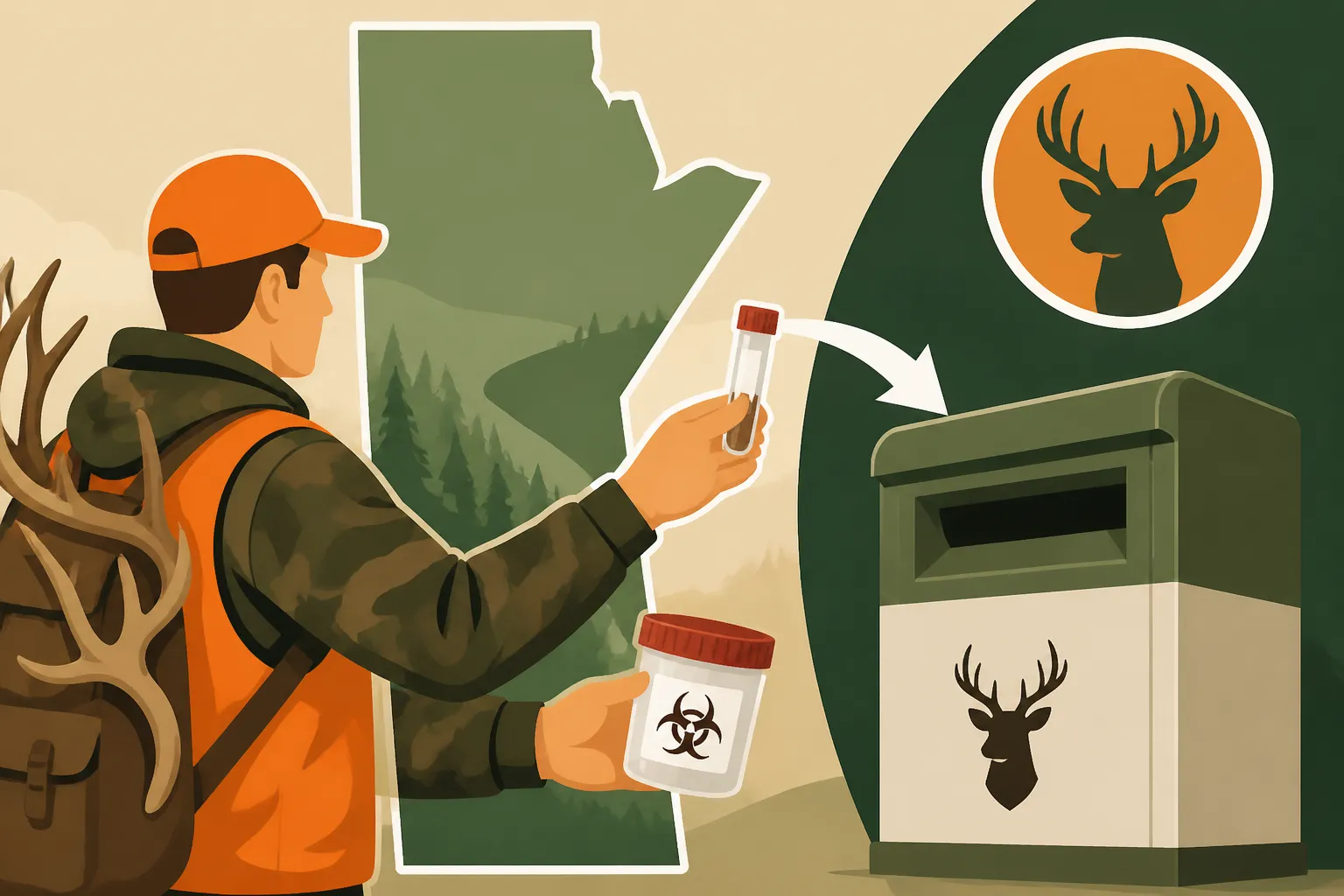
- Regional Offices: These offices, located in larger towns and cities like Brandon, Dauphin, The Pas, Gimli, and Winnipeg, often serve as year-round collection points. They typically have specific business hours, so it’s always a good idea to call ahead to confirm when they are open for sample drop-offs. Some may have outdoor drop boxes for samples that can be accessed 24/7, but verify this in advance.
- Designated Freezer Depots: During peak hunting seasons, particularly for deer, the province sometimes sets up additional freezer depots in smaller communities or areas with high hunting pressure. These temporary sites are incredibly helpful, making it easier for hunters who might otherwise have to drive long distances. These depots are usually well-marked with signage and feature a freezer unit where you can deposit your properly packaged sample along with the required submission form. Keep an eye on local announcements or the official CWD program website for a list of these seasonal depots and their operational dates. These locations are vital, especially when you need to submit your sample within the How Long You Have to Submit a Sample window.
Here’s a simplified look at common drop-off types and what to consider:
| Drop-Off Type | Typical Availability | Key Considerations |
|---|---|---|
| Regional Offices | Year-round, business hours | Call ahead for hours, some may have 24/7 drop boxes. |
| Designated Freezer Depots | Seasonal (peak hunting), 24/7 | Check official CWD program website for specific locations, dates, and clear signage. |
| Voluntary Drop Sites | Seasonal, varied | Less common, often associated with specific events or partner organizations. |
Remember, the goal is to make it as easy as possible for you to comply. If you're ever unsure about the closest or most appropriate drop-off point, don't hesitate to contact the provincial CWD hotline or your nearest regional office. Also, if you're in a mandatory zone, be mindful of rules regarding Moving a Carcass Out of a Sampling Area before getting a negative test result.
The Collection Process: What to Bring and How to Prepare Your Sample
Submitting a CWD sample isn't just about dropping off any old piece of the animal. There's a specific procedure to ensure the sample is viable for testing and that all necessary information is collected. Understanding this will save you a lot of hassle.
First, you'll need the head of your harvested cervid. The CWD test specifically analyzes lymph nodes located in the throat area or the obex (a part of the brainstem). This means you need to bring the entire head, with the first 4-6 inches of the neck still attached, to ensure these crucial tissues are present and intact. Don't try to dissect it yourself unless you are specifically trained, as improper extraction can render the sample untestable. Our detailed guide on Extracting Your Own CWD Sample can walk you through the specifics if you’re interested, but for submission, the whole head is usually preferred.
Second, proper packaging is essential. Place the head in a durable plastic bag, making sure it’s securely sealed to prevent leakage. Double-bagging is a good practice, especially if you anticipate a delay in drop-off or if it's going into a shared freezer. Write your name, contact information, hunting licence number, game tag number, and the GHA and date of harvest clearly on the outside of the bag with a permanent marker. This information is critical for tracking and linking the sample back to you.
Third, you'll need to complete a CWD submission form. These forms are usually available at the drop-off locations, or you can often download and print them from the provincial CWD website beforehand. Fill out all sections accurately. This includes your contact details, hunting licence and tag information, the GHA where the animal was harvested, and the date of harvest. This form is your paper trail and ensures your sample is processed correctly and your results are delivered back to you. Always keep your hunting licence and tag information handy—GoHunt can be a useful app to quickly reference your GHA and other details if you're tracking your hunt there.
Finally, keep the sample frozen until you can drop it off. Freezing helps preserve the tissues and prevents degradation that could compromise the test results. If you harvest an animal and can’t immediately get it to a drop-off location, putting the head in a freezer is your best bet. This is particularly important in warmer weather or if you're delayed by a few days.
What Happens After You Drop Off Your Sample
So, you’ve done your part: harvested your animal, prepared the sample, and dropped it off. Now what? The waiting game can be a bit agonizing, but understanding the timeline and what to expect can alleviate some of that anxiety. It's a system designed to keep us informed and our herds safe.
Tracking Your Results and Understanding the Outcomes
Once your sample is submitted, it embarks on a journey to a specialized laboratory for testing. The turnaround time for results can vary significantly depending on the volume of samples received during peak hunting seasons and the lab's capacity. Typically, you can expect results to be available within several weeks, but sometimes it might take longer.
Manitoba generally notifies hunters of their CWD test results directly, usually by email or mail, if the contact information on your submission form was accurate. This notification will clearly state whether your animal tested positive or negative for CWD. If you don't hear back within a reasonable timeframe (say, 8-10 weeks), it’s perfectly acceptable to reach out to the provincial CWD program coordinator or the regional office where you dropped off the sample to inquire about the status. Always have your hunter ID and tag number ready to help them locate your sample. For more detailed information on this, our article on Getting Your Manitoba CWD Result is an excellent resource.
It's natural to hope for a negative result, but if your animal tests positive for CWD, it’s understandable to feel concerned or even disappointed. The province has clear protocols in place for positive results, which you will be informed of directly. Generally, any parts of the carcass still in your possession (meat, hide, skull) will need to be properly disposed of following provincial guidelines to prevent further spread of the prions. This might involve specific landfill sites or other approved methods. It’s a tough situation, but following these protocols is vital for containing the disease. It also helps contribute to understanding Manitoba's CWD Positive Numbers which in turn guides future management strategies.
Common Challenges and Tips for a Smooth Submission
Even with the best intentions, submitting a CWD sample can come with a few hiccups. Hunters often face logistical challenges, especially when out in the bush or in remote areas. Anticipating these can make the process much smoother.
One common frustration is simply remembering all the details when you’re tired after a successful hunt. Between celebrating, field dressing, and hauling out your game, it’s easy for the CWD form details to slip your mind. My advice? Print out a few CWD submission forms and keep them in your hunting pack or truck before the season even starts. Pre-fill as much of your personal information (name, license number) as you can. When you make a kill, you just need to add the GHA, date, and tag number.
Another challenge is locating drop-off points, especially the seasonal ones. During the frenzy of the season, these sites might not always be clearly marked or consistently staffed. This is where resources like the official Manitoba hunting regulations and online tools like GoHunt become invaluable. Take a few minutes before your hunt to look up potential drop-off locations near your hunting area, note their operating hours, and even jot down a phone number for the regional office. It’s also wise to check for any updates or changes to drop-off locations just before you head out, as these can sometimes be modified due to unforeseen circumstances. Our guide on Reading a Manitoba GHA Map Before You Go can also assist in pre-hunt planning.
Finally, handling samples in extreme weather can be tricky. In deep cold, samples can freeze solid, making proper packaging and labeling difficult. Conversely, in warmer early season hunts, keeping the head cool until you can freeze it or drop it off is paramount to prevent decomposition. Always carry extra robust plastic bags and a permanent marker. If it's warm, consider bringing a cooler with ice specifically for the head, separate from your game meat, until you can get it to a freezer. This small effort ensures your sample is viable and your contribution to CWD surveillance isn't wasted. Remember, every hunter plays a part, and submitting your sample correctly is a tangible way to contribute to conservation in Manitoba, complementing your investment in Manitoba Hunting Licences and What They Cost.
Disclaimer
Please note that hunting regulations, CWD sampling requirements, and drop-off locations can change. Always consult the official Manitoba Hunting Guide and the provincial government's CWD program website for the most current and accurate information before planning and executing your hunt. This article is for informational purposes only and should not replace official government resources.