Hunting the Hudson Bay Lowlands Edge
Hunting the Hudson Bay Lowlands edge in Manitoba isn't your typical bush country whitetail hunt. This is truly remote, challenging country, and many hunters feel overwhelmed just thinking about where to even begin planning such an expedition. This guide is here to demystify hunting this incredible, wild frontier, helping you understand the unique landscape, the magnificent animals that call it home, and how to prepare for an unforgettable adventure at the very edge of Manitoba's boreal forest and the vast, open tundra.
Understanding the Hudson Bay Lowlands Edge
When we talk about the Hudson Bay Lowlands edge, we're discussing a truly unique geographic region in Manitoba, a transition zone where the dense boreal forest starts to give way to the vast, flat, and often waterlogged expanse that borders Hudson Bay. This isn't the rolling parkland or the familiar agricultural fringes of southern Manitoba; this is a wild, untamed frontier that presents a completely different set of challenges and rewards for the dedicated hunter.
Picture endless stretches of black spruce and tamarack, interspersed with vast peat bogs, fens, and countless shallow lakes and slow-moving rivers. The ground is often wet, even boggy, making travel on foot incredibly difficult. The treeline itself is often stunted, twisted by the relentless northern winds, before eventually dissolving into true tundra further north. This unique blend of forest, wetland, and emerging tundra creates a mosaic of habitats that supports a surprisingly diverse array of big game. It's a place where the signs of human activity are few and far between, and the feeling of wilderness is palpable. The very isolation is part of its allure, but also its greatest challenge.
Target Species and Their Unique Challenges
The Hudson Bay Lowlands edge isn't about deer hunting; it's about pursuing truly northern species in their natural, rugged environment. The primary draws here are often barren-ground caribou and moose, with healthy populations of black bear and wolves also present. Upland birds like ptarmigan can also be found further north towards the open tundra. Each of these species presents its own unique hunting experience and demands a specific approach in this challenging landscape.
Barren-Ground Caribou
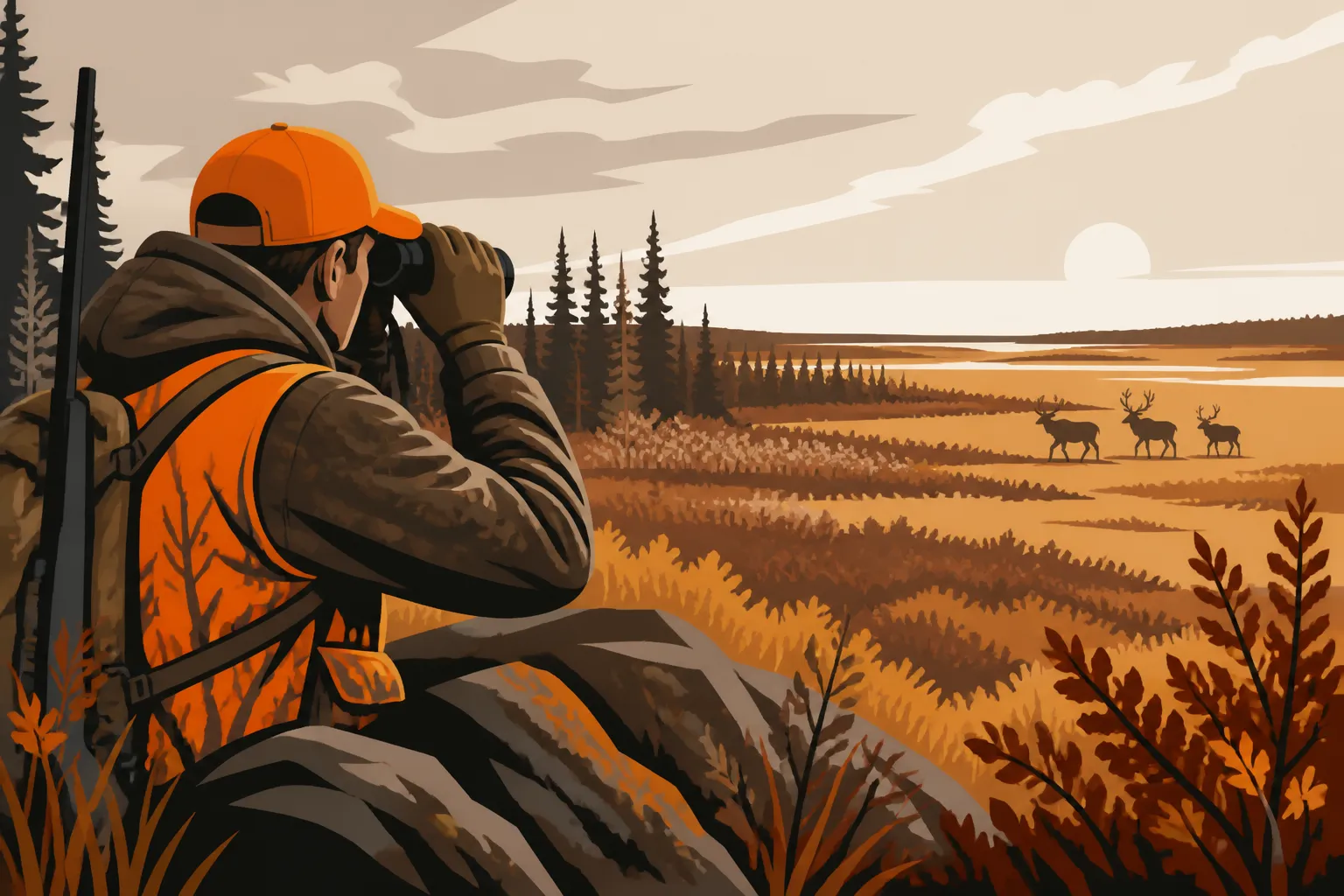
Caribou hunting here is largely dictated by their annual migrations. These magnificent animals move in large herds, often following ancient migratory routes to and from their calving grounds. Catching them as they move through the Lowlands edge can offer incredible opportunities. However, their movements are unpredictable, highly dependent on weather and food sources, and can change from year to year. You might encounter them moving through sparse timber pockets or across open, marshy areas. The key to successful caribou hunting here is often about being in the right place at the right time, which requires extensive scouting and flexibility. Patience is paramount, as you might wait days for the herds to appear, or find yourself amidst thousands. Hunters flying North for Manitoba Caribou often target these migration routes.
The challenge with caribou on the Lowlands edge is not just finding them, but also accessing them and then packing them out. With potentially miles of boggy terrain between you and your downed animal, quartering and extracting your animal becomes a serious logistical undertaking. This is where teamwork and proper gear, like game carts or even small ATV access (where permitted), become absolutely crucial. Hunters must also be aware of conservation efforts and specific regulations regarding Barren-Ground Caribou Hunting in Northern Manitoba and population status.
Northern Moose
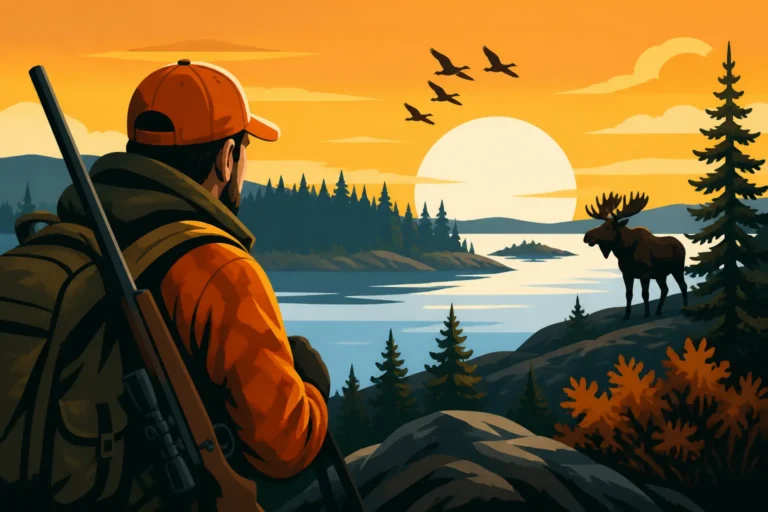
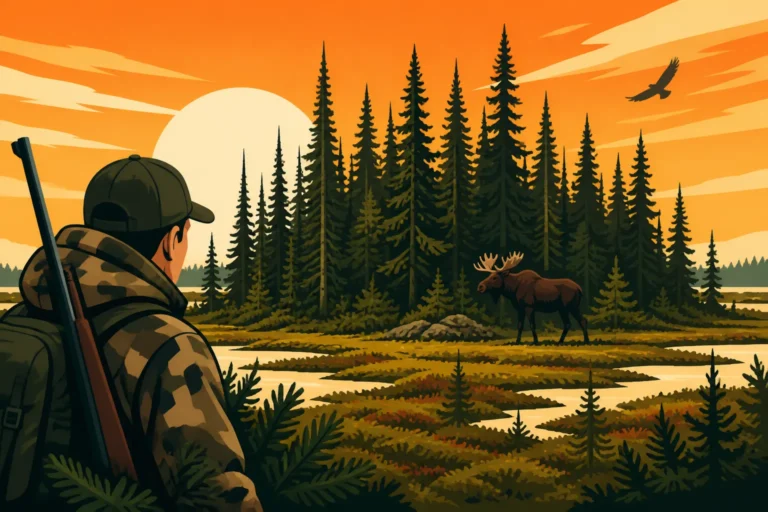
While caribou are migratory, moose are year-round residents of the Lowlands edge. These colossal animals thrive in the mix of wetlands, regenerating forest, and willow thickets that characterize much of the region. Hunting moose here is often a true bush hunt, demanding patience, keen tracking skills, and a willingness to navigate difficult terrain. The slow-moving rivers and countless small lakes provide ideal habitat for them, especially during the rut when bulls are on the move searching for cows. Calling a Bull Moose in the Rut can be highly effective in this thick country, as sound travels well over the water and through the sparse trees.
The density of moose might not be as high as in some more southern boreal regions, but the opportunities for truly immense bulls exist. The isolation means less hunting pressure in many areas, allowing bulls to reach impressive sizes. However, extracting a downed moose from a remote, boggy area is perhaps the most physically demanding aspect of hunting this region. Planning for quartering, processing, and getting a moose out with a quad, or even by boat, is not just recommended, it's absolutely essential. You'll want to think through every step of meat care in this challenging environment.
Black Bear and Wolves
The Hudson Bay Lowlands edge supports a healthy population of black bears, often in varying colour phases. These bears thrive on the diverse food sources available, from berries in summer to aquatic plants and even carrion. Spring bear hunting can be particularly productive, often focusing on bait sites set near traditional travel corridors or denning areas. Spring Bear Hunting in Manitoba offers a unique challenge, as bears are just emerging and actively seeking food. Fall hunts can also be excellent, especially as bears gorge on berries and prepare for winter.
Wolves are also present throughout the region, apex predators that follow the migratory caribou and resident moose. While wolf tags are often available as an add-on to other big game hunts, actively pursuing them is a specialized challenge. Adding a Wolf to a Caribou Hunt can be an exciting bonus, but don't expect it to be easy. Their elusiveness and vast home ranges make them incredibly difficult to consistently locate and harvest. However, seeing a pack of wolves in this pristine wilderness is an experience in itself, whether you pull the trigger or not.
| Species | Typical Habitat | Hunting Considerations | Difficulty Level |
|---|---|---|---|
| Barren-Ground Caribou | Tundra, sparse timber, open bog | Migration patterns, long distance, extraction, weather | High |
| Moose | Wetlands, willow thickets, boreal forest | Calling, tracking, heavy animal extraction, boggy terrain | High |
| Black Bear | Forest edges, berry patches, riparian zones | Baiting, spot-and-stalk, managing attractants | Medium-High |
| Wolf | Wide range, follows prey | Highly elusive, opportunistic, calls, extensive tracking | Very High |
| Ptarmigan | Tundra, low scrub | Small game, challenging access, seasonal plumage | Medium-High |
Accessing and Navigating this Remote Frontier
Getting into the Hudson Bay Lowlands edge is arguably the biggest hurdle for most hunters. This isn't a place you simply drive into on well-maintained roads. Many areas are only accessible by float plane, ATV, or boat, making advanced planning and specialized equipment absolutely critical. This is truly Hunting Manitoba's Far North on a Fly-In territory.
Float Plane Access
For many of the most remote and productive areas, a float plane is your only realistic option. Booking a charter plane from a northern hub like Thompson or The Pas can get you into pristine lakes and rivers far beyond the reach of roads. This means meticulous planning regarding gear weight, fuel caches, and emergency procedures. You'll need to coordinate carefully with your air service about drop-off and pick-up dates, understanding that weather can easily delay flights. This is where a trusted outfitter or guide service really shines, as they often have established relationships with air carriers and extensive experience in the region. Without cell service in many of these areas, communication is reliant on satellite devices.
ATV and Boat Travel
Once you're on the ground, ATVs (where permitted on Crown Land) and boats become invaluable tools. Many areas feature old trapline trails or winter roads that may be passable by ATV in dry conditions, though these can quickly become impassable bogs after rain. Small boats or canoes are essential for navigating the countless rivers and lakes, allowing you to cover ground that would be impossible on foot. Consider portable boats or inflatables that can be flown in with your gear. Always check current regulations regarding Quad and Side-by-Side Rules on Crown Land before heading out.
Navigating this featureless landscape requires advanced mapping tools. GPS units are non-negotiable, and a reliable mapping app like onX Hunt or GoHunt on a satellite-enabled device is an absolute game-changer. These tools allow you to mark camps, game sightings, and extraction routes, even when traditional landmarks are non-existent. Without this technology, getting lost in the vast, monotonous terrain of muskeg and stunted spruce is a very real danger. Always carry a compass and physical maps as backup.
Physical Demands and Self-Sufficiency
Hunting the Hudson Bay Lowlands edge is physically demanding. You'll be walking through soft, uneven ground, crossing numerous water bodies, and potentially dealing with extreme weather. Physical fitness is not just about comfort; it's a critical safety factor. Furthermore, you must be entirely self-sufficient. There are no convenience stores, no gas stations, and very little in the way of immediate assistance. Every piece of gear, every meal, every emergency supply needs to be carefully packed and accounted for. This region truly demands a comprehensive understanding of Winter Truck Kit for a Manitoba Hunt principles, even if you aren't hunting from a truck, adapting them to your remote camp.
Essential Gear and Safety in the Lowlands
Because of the remoteness and the unique environment, your gear list for hunting the Hudson Bay Lowlands edge will look different from a typical southern Manitoba hunt. Safety, warmth, and reliable communication are paramount.
Specialized Clothing and Footwear
The weather in northern Manitoba can be highly unpredictable, even outside of deep winter. Expect everything from warm, sunny days to cold, driving rain, and even early snow in late fall. Layering is critical. Think about waterproof and windproof outer shells that are durable enough to withstand bushwhacking. Given the perpetually wet ground, waterproof footwear is non-negotiable. Knee-high rubber boots or insulated hip waders are often preferred over traditional hiking boots, especially when slogging through muskeg and crossing shallow streams. Wool or synthetic base layers are essential for managing moisture and retaining warmth, even when wet. Don't forget bug protection; mosquitoes and black flies can be intense during warmer months.
Communication and Navigation
As mentioned, cell service is non-existent in most of this region. A satellite communication device, such as a satellite phone or a two-way satellite messenger like an inReach or Spot device, is not just a recommendation—it's a requirement. This allows you to call for help in an emergency and communicate with your air charter. Couple this with multiple GPS units (handheld and phone apps like onX Hunt, loaded with offline maps) and traditional compass and paper maps. Redundancy in navigation tools is key when you're days from help.
Emergency and Survival Gear
Beyond your hunting essentials, a comprehensive survival kit is non-negotiable. This should include:
- First-aid kit: A robust kit capable of handling severe injuries.
- Fire starting tools: Multiple methods, waterproofed.
- Emergency shelter: A lightweight tarp or bivy sack.
- Signaling devices: Whistle, signal mirror, flares.
- Water purification: Filter or purification tablets.
- Extra food: High-energy, non-perishable rations.
- Repair kit: For clothing, tents, and essential gear.
- Headlamps/flashlights: With extra batteries.
Understanding basic wilderness first aid and survival skills is also crucial. Knowledge of how to build an emergency shelter, start a fire in wet conditions, and signal for help can be the difference between a close call and a serious incident. Being prepared for the unexpected is simply part of hunting this incredible, wild landscape. This isn't just about packing right; it's about having the mindset to survive What to Do If You Get Stuck in the Bush.
Meat Care and Extraction
Finally, consider your meat care and extraction plan meticulously. This is heavy, wet country, and a downed animal can quickly spoil if not processed and cooled properly. Pack game bags, a sharp knife, a small saw, and anything else needed for efficient field dressing. Consider portable game carts or sleds if your terrain allows, or plan for multiple trips if accessing by ATV. In cooler fall temperatures, Hanging Meat in Fall Temperature Swings is critical, but the Lowlands can remain surprisingly warm and humid at times. Always have a strategy for dealing with your harvest, considering the potential for long hauls over challenging ground. This is especially true for moose and caribou, which are massive animals.
Disclaimer
This article is for general informational purposes only and does not constitute professional advice. Laws, prices and regulations vary by location and change over time. Consult a qualified professional for guidance on your specific situation.