Adding a Wolf to a Caribou Hunt
Embarking on a caribou hunt in the vast, wild expanses of Northern Manitoba is, for many, a true once-in-a-lifetime adventure. However, given the significant investment of time, resources, and travel involved in reaching such remote areas, it's natural to wonder how you can maximize every moment and every opportunity. Many hunters feel a real pang of desire to bring home more than just one species, especially when the wilderness around them teems with other incredible game. This guide is here to alleviate that longing, offering practical advice, regulatory insights, and tactical approaches to successfully adding a wolf to your unforgettable Manitoba caribou hunt, making your northern expedition even more rewarding.
The Lure of a Combination Hunt: Why Add a Wolf?
There’s something uniquely appealing about a multi-species hunt, especially when you’re already making the monumental effort to journey into Manitoba’s remote northern reaches for barren-ground caribou. You’ve packed your bags, flown to a distant community like Gillam or Thompson, and then likely chartered a float plane deeper into the tundra. Why not make that incredible effort count for more?
Maximizing Your Northern Adventure
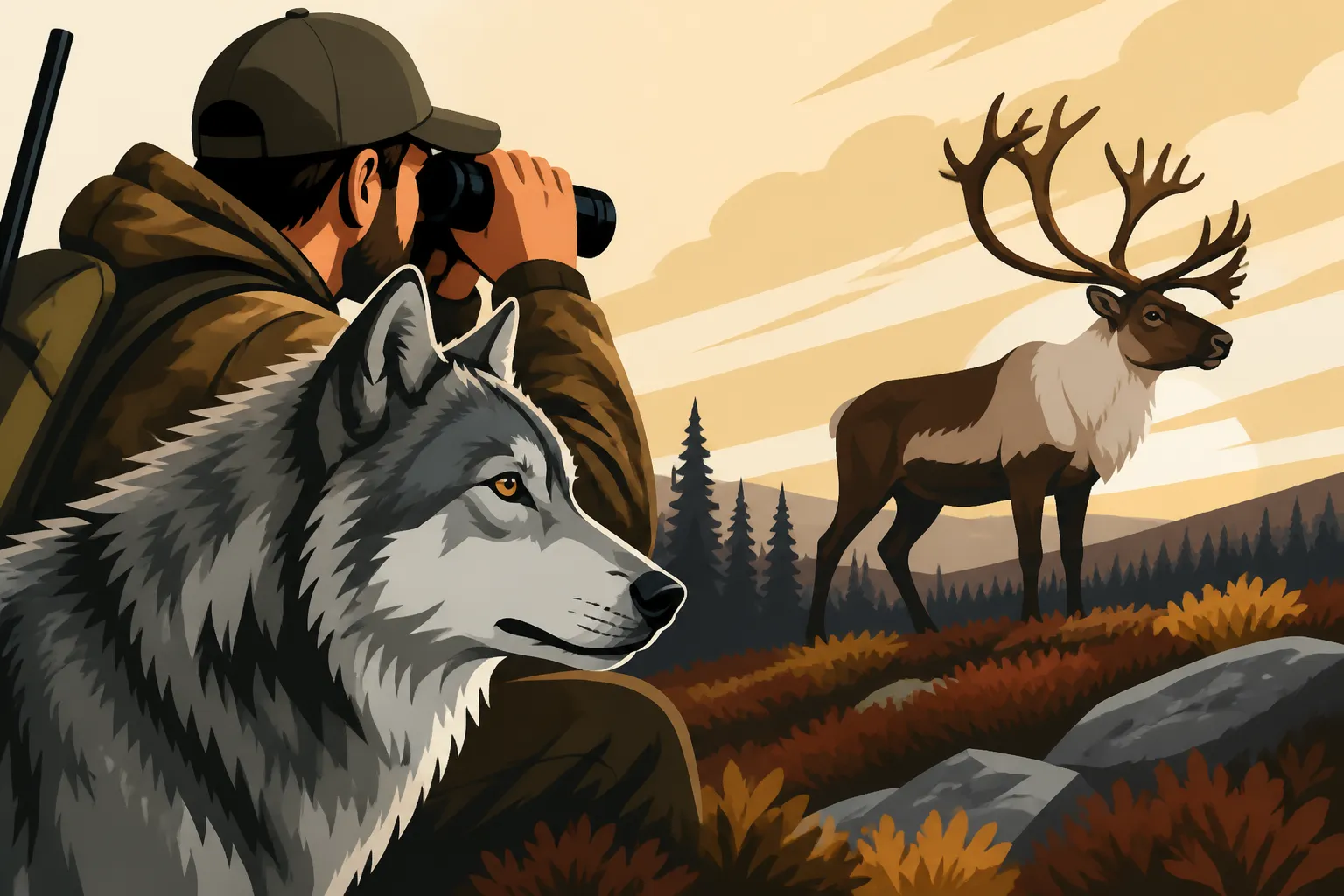
A caribou hunt often means long days of glassing vast open country, following migration routes, and enduring whatever weather the north throws at you. While the primary objective is always to harvest a magnificent caribou, there are often lulls or unexpected opportunities that arise. Imagine sitting on a ridge, watching a distant caribou herd, and suddenly spotting a grey ghost silently trailing them. Adding a wolf to your trip allows you to take advantage of these moments, truly immersing yourself in the complete northern ecosystem. It’s about more than just filling another tag; it’s about experiencing the predator-prey dynamics firsthand, understanding the interconnectedness of these wild spaces, and bringing home a truly unique trophy and an even more profound story.
The financial and logistical outlay for a caribou hunt can be substantial, often involving specialized gear, air charters, and several days away from home. By integrating a wolf hunt, you're essentially getting more "bang for your buck" on an already expensive trip. It transforms a singular pursuit into a richer, more comprehensive wilderness experience. Many hunters look for ways to extend their time in the field or diversify their harvest, and combining a hunt in this manner is a fantastic solution. For those planning a Barren-Ground Caribou Hunting in Northern Manitoba adventure, considering a wolf add-on can be a game-changer.
Understanding Wolf Habits in Caribou Country
To successfully hunt wolves in caribou country, you need to think like a wolf. Wolves are apex predators, incredibly intelligent, wary, and constantly on the move, especially when associated with migrating caribou. Their movements are intrinsically linked to their primary food source. When you’re Hunting Caribou on the Migration Route, you're essentially putting yourself in prime wolf territory.
Wolves in Manitoba's north, particularly the barren-ground wolves, are often following caribou herds. This means their range is vast, and their behaviour is dictated by the caribou's movements. They are highly opportunistic hunters, constantly testing the herd for weak or injured animals. You’ll often find them on the fringes of the caribou migration or shadowing smaller groups. Knowing this allows you to anticipate their presence. These wolves are built for endurance, and their keen senses make them incredibly challenging to approach. However, their reliance on caribou means that wherever the caribou are, the wolves won't be far behind. Learning about Wolf Pack Size in the Boreal Forest or how wolves interact with their prey can give you a significant advantage in spotting them.
Planning and Permitting Your Wolf Addition
Successfully adding a wolf to your caribou hunt requires careful planning, adherence to regulations, and ensuring you have the right permits and gear. Don't leave these details to chance, as the remoteness of Northern Manitoba leaves little room for error or last-minute adjustments.
Navigating Licence Requirements and Seasons
This is where the rubber meets the road. In Manitoba, wolves fall under the "predator" category, and the regulations for hunting them are generally quite flexible, especially in northern Game Hunting Areas (GHAs). Unlike caribou, which typically require a draw or specific tag, wolf licences are often available over-the-counter for residents and sometimes as an add-on for non-residents with a big game licence.
As a non-resident, if you’re booked with an outfitter for a caribou hunt, they are usually well-versed in the specifics of adding a wolf tag. You'll need to purchase a wolf licence in addition to your caribou licence. It's crucial to confirm the exact Wolf Season Dates and Limits for the GHA you'll be hunting in. While wolf seasons are often open for extended periods, even year-round in many northern GHAs, verifying this beforehand is non-negotiable. Always consult the current Manitoba Hunting Guide or use a digital tool like GoHunt to cross-reference the regulations for your specific hunt dates and location. Your outfitter will also guide you on Manitoba Hunting Licences and What They Cost for both species.
| Species | Licence Type | Season Dates (Northern GHAs) | Daily Bag Limit | Possession Limit | Notes |
|---|---|---|---|---|---|
| Caribou | Barren-Ground Caribou Tag | Specific, check GHA dates | 1 | 1 | Often draw or allocated, mandatory guide for non-residents |
| Wolf (Grey) | Predator Licence | Often year-round | No limit | No limit | Can be added to big game licence |
Note: This table provides general information. Always verify current regulations and dates with the official Manitoba Hunting Guide or a licensed outfitter for your specific hunt.
Gear Considerations for a Dual Species Hunt
You're already packing for a serious northern caribou hunt, which means durable, warm clothing, optics, and a reliable rifle. But adding a wolf might require a few subtle adjustments or additions.
First, let's talk optics. When Glassing Tundra for Manitoba Caribou, you'll already have good binoculars and perhaps a spotting scope. These are equally vital for spotting wolves, which can blend seamlessly into the distant landscape. Wolves are often spotted at great distances, so quality glass is paramount.
Your rifle for caribou will likely be suitable for wolves. A common caribou calibre like .270, .30-06, or .300 Win Mag is more than sufficient for a wolf, which typically weighs far less than a caribou. However, consider your bullet choice. While you might use a heavier, bonded bullet for caribou, a slightly lighter, faster expanding bullet could be more suitable for wolves, aiming for minimal pelt damage if you intend to preserve the hide. Accuracy is king, especially at the extended ranges often encountered on the tundra. Be sure your rifle is sighted in perfectly and you’ve practiced shooting from various field positions.
Other considerations include:
- Calling Gear: A mouth call or electronic caller can be very effective for wolves, especially if you set up an ambush. Look for calls that mimic distressed prey animals like a rabbit or a fawn.
- Camouflage: While blaze orange is mandatory for big game in Manitoba, having some camouflage gear, like a white outer layer for late-season hunts or snow, can be beneficial for breaking up your outline when stalking or calling for wolves. However, safety first – always wear visible orange when moving or in any situation where other hunters might be present.
- Recovery Kit: A lighter pack might be acceptable for a wolf than a caribou, but you'll still need knife, game bags, and perhaps a small tarp. When Packing Caribou Out to a Float Plane, you'll already have robust gear, so ensure it can handle two animals if successful. Tools like a robust knife and even a small bone saw will come in handy. Remember that Meat Care in Manitoba's Cold Snaps is crucial for both species, so understand proper field dressing techniques for quick cooling.
Strategies for Success: Hunting Wolves on a Caribou Trip
Hunting wolves, especially the intelligent and wary barren-ground wolves, is a true test of a hunter's skill. They are not easily fooled, and their senses are incredibly sharp. However, when you're already embedded in their territory for a caribou hunt, your chances significantly increase.
Spotting and Stalking Opportunities
This is often the most common way wolves are taken during a caribou hunt. As you are Glassing Tundra for Manitoba Caribou, constantly scan for movement. Wolves, particularly in open country, can look like small caribou, especially at a distance. Look for their distinct gait – a long, loping trot – or their characteristic grey, black, or even white coats against the backdrop of the tundra.
Spotting them often happens by chance. They might be following a caribou herd, or you might see one cresting a distant ridge. The key is to be prepared to act quickly and decisively. Once spotted, a successful stalk hinges on using the terrain to your advantage. Northern Manitoba's tundra, while seemingly flat, has countless dips, rises, and willow thickets that can be used for cover. The wind is always a critical factor; wolves have an incredible sense of smell. You must keep the wind in your face or across you, even if it means a longer, more circuitous approach.
Patience is paramount. A stalk can take hours, crawling through rough terrain, enduring biting winds. This is where your fitness and mental toughness developed from Flying North for Manitoba Caribou really come into play. Many wolf opportunities arise as "targets of opportunity," meaning they appear when you least expect them. Having your rifle ready and being quick to assess the situation can make all the difference.
Calling and Ambush Tactics
While spot and stalk is common, calling can be an incredibly effective strategy, particularly if you have some downtime or are hunting specific areas that wolves frequent, like travel corridors or edges of dense cover. Wolves are highly responsive to distress calls, especially those mimicking a wounded or vulnerable animal.
If you know a general area holds wolves, perhaps through fresh tracks or scat, setting up an ambush can be productive. Find a vantage point with good visibility and cover, paying close attention to wind direction. Using a mouth call to mimic a rabbit in distress, or an electronic caller with various prey sounds, can draw curious or hungry wolves in. Start with soft, intermittent calls, gradually increasing volume and duration if there's no response. Be patient – a wolf might circle downwind for a considerable time before presenting a shot.
Consider times of day when wolves might be most active. Dawn and dusk, similar to many big game species, are prime times. If you're near a caribou migration route, a well-placed ambush could intercept a wolf or a small pack moving between feeding areas. It’s a different kind of challenge than Hunting Wolves in Manitoba's North over a winter bait, but equally rewarding.
Post-Harvest Considerations and Logistics
Once you've successfully harvested a wolf, the logistical challenges of a northern hunt continue. Field dressing needs to be done promptly. If you intend to preserve the hide for tanning or taxidermy, skinning it carefully and cooling it quickly is essential. The unique colours and robust fur of a northern wolf make for an incredible trophy.
Consider how you’ll transport the hide. It needs to be properly cooled and ideally frozen as soon as possible. Your outfitter will likely have facilities for this or can advise on the best method for your specific camp. If freezing isn't an option, salting the hide thoroughly is the next best choice to prevent slippage. When you're dealing with remote Hunting a Manitoba Crown Land Island or flying out via float plane, weight and space are always a concern. Ensure you discuss these details with your outfitter beforehand to avoid any surprises. They can guide you through the process of Taking a Trophy Across the Border if you are a non-resident.
Bringing home your wolf requires adherence to regulations regarding carcass transport and potentially CITES permits if crossing international borders, though this is less common for grey wolves in North America. Always declare your harvest accurately when crossing borders and have all necessary documentation from your outfitter and the Manitoba government. Understanding these post-harvest steps is just as important as the hunt itself to ensure a smooth journey home with your hard-earned trophy.
Disclaimer
The information provided in this article is for general guidance only. Hunting regulations in Manitoba can change, and it is the hunter's responsibility to consult the official Manitoba Hunting Guide and other relevant government publications for the most current and accurate information before planning any hunt. Always prioritize safety and ethical hunting practices.