Hunting Manitoba’s Far North on a Fly-In
Heading into Manitoba's far north for a hunt isn't like heading to your local deer stand. This isn't just a trip; it's an expedition. For many hunters, the sheer scale of the landscape, the remoteness, and the logistical challenges can feel incredibly daunting, often pushing the dream of a true wilderness hunt out of reach. But if you’ve ever yearned for an experience where you’re truly alone with nature, chasing big game in untouched country, then a fly-in hunt might just be your ultimate adventure. This comprehensive guide will walk you through everything you need to know about planning and executing a successful fly-in hunt in Manitoba's incredible northern reaches.
The Allure and Challenges of Manitoba's Far North
There's something deeply appealing about escaping the road system, isn't there? The idea of stepping out of a float plane onto pristine land, knowing that the nearest road is hundreds of miles away, is what draws so many to Manitoba's far north. But it's not just the solitude; it's the unique opportunities that come with it.
Why Go Remote? The Unique Game and Landscape
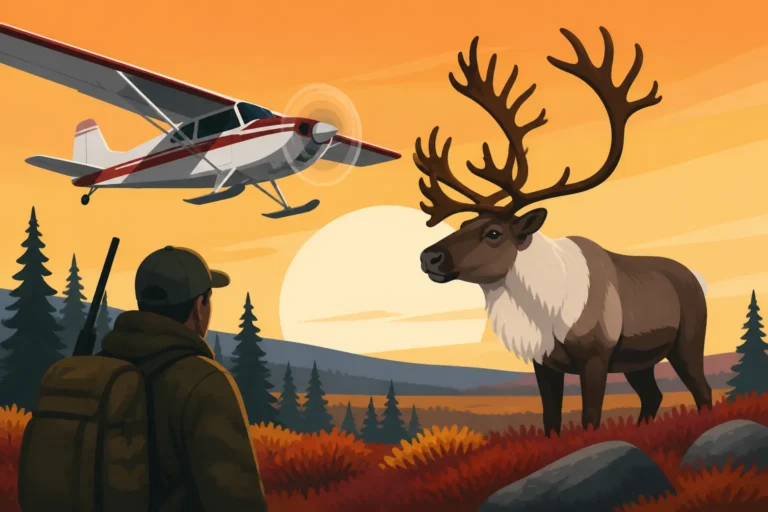
When you venture into Manitoba's northern boreal forest and beyond into the tundra transition zone, you're entering a realm where big game lives largely undisturbed. This isn't pressure-cooked hunting; it's a chance to truly immerse yourself in the natural rhythms of the wild. For example, the Barren-Ground Caribou Hunting in Northern Manitoba is an experience unlike any other, offering vast herds migrating across ancient landscapes. These animals are often larger, less wary, and present a formidable challenge in terms of sheer ruggedness and endurance.
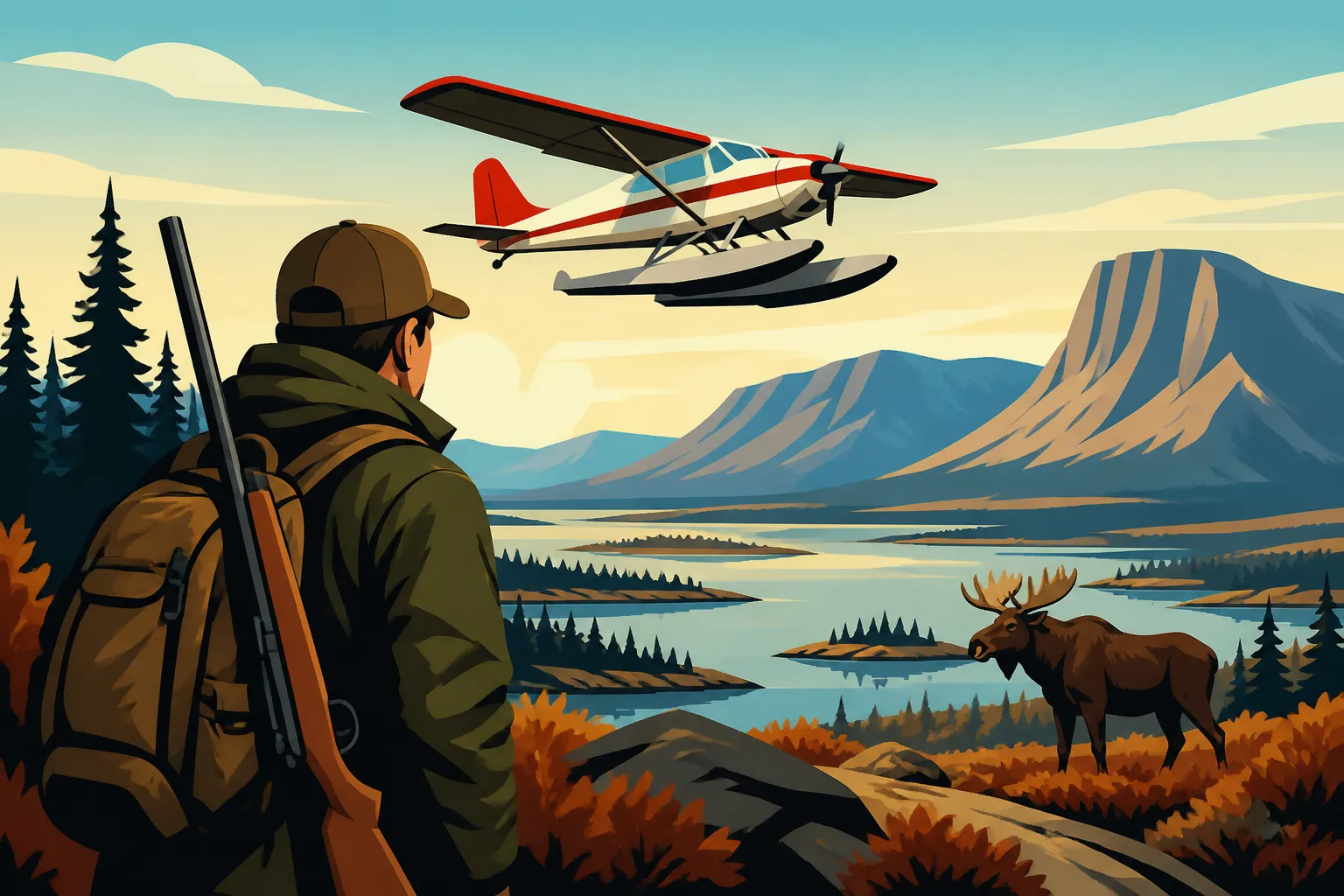
Beyond caribou, the northern reaches are also prime territory for Moose Hunting Manitoba's Boreal Country. Imagine calling a bull moose across a vast muskeg, its grunts echoing through the crisp autumn air. The immense size and power of these animals are truly humbling. Additionally, the remote forests harbor healthy populations of Black Bear Hunting in Manitoba, often presenting colour phases not commonly seen further south. And let's not forget the opportunity to potentially add a trophy wolf to your hunt, as these predators thrive in the undisturbed wilderness. It's a land of vast forests, intricate lake systems, sprawling muskegs, and ancient rock ridges, all teeming with life that has adapted to its harsh, beautiful conditions.
Understanding the Logistics and Environment
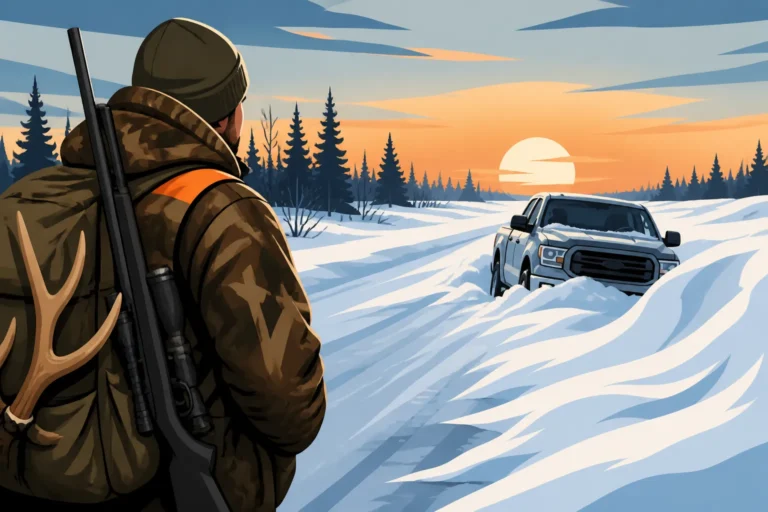
However, this unparalleled experience comes with a distinct set of logistical hurdles. Unlike road-accessible areas, every single item you need – from your rifle and ammunition to your food, shelter, and emergency supplies – must be flown in. This immediately introduces weight and space restrictions that demand meticulous planning. Weather in the north can be famously unpredictable, shifting from mild sunshine to driving snow or freezing rain in a matter of hours, even during what's supposed to be prime hunting season. This isn't just an inconvenience; it can impact flight schedules, visibility, and even your ability to hunt safely.
Communication can also be a significant challenge. Cell service is virtually non-existent once you leave the major northern communities. Relying on satellite phones or devices like Garmin inReach or Zoleo becomes not just advisable, but absolutely critical for safety. You're responsible for your own safety and well-being in a way that’s rarely encountered in more accessible hunting grounds. This means having a solid understanding of navigation, first aid, and wilderness survival skills. It truly tests your preparedness and self-reliance, making the rewards all the sweeter.
Essential Planning for Your Fly-In Adventure
A successful fly-in hunt isn't about luck; it's about preparation. Every detail matters, from the species you target to the socks you pack. Cutting corners here can turn an adventure into a nightmare, so let's get serious about planning.
Choosing Your Target Species and Timing
The first step in planning your fly-in hunt is deciding what species you’re after, as this will dictate your timing, location, and even the type of outfitter or drop camp you choose.
- Caribou: For Barren-Ground Caribou, the late summer and early fall (August to early October) is typically when you'll find them migrating. This period often offers more stable weather and fewer bugs than spring. To increase your chances, you might consider Hunting Caribou on the Migration Route.
- Moose: Moose hunting usually peaks during the rut in late September and early October. This is when calling bulls can be most effective, especially in the remote boreal forests where they thrive. For those looking to optimize their chances, understanding how to apply for the Manitoba's Elk and Moose Draws is crucial, as some of the best moose areas are draw-only.
- Black Bear: Spring bear hunts (May to mid-June) or fall hunts (late August to mid-October) are both excellent. Spring offers the chance to hunt bears just emerging from their dens, while fall offers larger bears fattening up for winter. Baiting is common for bear hunts and needs to be set up well in advance.
- Wolf: Often hunted in conjunction with other big game, wolves can be pursued year-round in many areas. Their pelts are prime in late fall and winter. Hunting Wolves in Manitoba's North details specific strategies for these cunning predators.
Once you know your target, research the specific Game Hunting Areas (GHAs) known for that species. Resources like GoHunt or Manitoba's official hunting guide are invaluable for this, providing detailed maps and season dates. Look for outfitters specializing in these areas and species, and consider their success rates and testimonials.
Gear, Supplies, and Weight Restrictions
This is where the rubber meets the runway, so to speak. Every float plane has strict weight limits, and exceeding them isn't an option. This means packing smart, prioritizing essentials, and leaving luxuries behind.
Consider the following critical items:
- Clothing: Layering is key for the north's unpredictable weather. Think moisture-wicking base layers, insulating mid-layers (fleece, down), and a waterproof/windproof outer shell. Bring extra pairs of socks – good quality wool or synthetic – because wet feet are miserable and dangerous. Don't forget a warm hat, gloves, and perhaps a balaclava. You'll also want some blaze orange, as it's required for most big game hunting.
- Shelter and Sleep System: If you’re on a drop camp, ensure your tent is robust enough for northern winds and potential snow. A high-quality sleeping bag rated for well below freezing is non-negotiable, even in early fall. Combine it with a good sleeping pad for insulation from the cold ground.
- Navigation: GPS device (with extra batteries), satellite communication device (satellite phone, inReach, Zoleo), compass, and waterproof maps of your specific hunting area. Don't rely solely on your phone.
- Firearms and Ammunition: A reliable, accurate rifle or bow, adequate ammunition, and cleaning supplies. Ensure your firearm is sighted in before you leave home.
- First Aid and Emergency Gear: A comprehensive first-aid kit, emergency fire starters, headlamps (with spare batteries), knife, rope, small repair kit, and emergency shelter.
- Food and Water: Dehydrated meals are ideal for weight. Plan for more calories than you think you'll need. A water filter or purification tablets are crucial, as is a way to boil water.
- Game Processing: Field dressing knife, game bags, sharpening stone, and perhaps a small pack saw. Remember, you'll be Packing Caribou Out to a Float Plane or moose quarters, so having the right tools is paramount.
Creating a detailed packing list and weighing everything is a must. Many outfitters will provide a checklist or give you a specific weight allowance, which is often around 70-100 lbs per person, depending on the aircraft and number of passengers. Understanding What a Fly-In Camp Weight Limit Means is vital for avoiding unexpected fees or having to leave essential gear behind.
Here’s a simplified example of a packing priority list for a 7-day fly-in hunt:
| Category | High Priority (Essential) | Medium Priority (Highly Recommended) | Low Priority (Optional / Comfort) |
|---|---|---|---|
| Safety & Nav | Satellite communicator, GPS, map, compass, first aid kit, headlamp, emergency shelter, fire starters, bear spray (if applicable) | Whistle, signal mirror, multi-tool, small repair kit, extra cordage | Binoculars, camera gear, portable solar charger |
| Clothing | Layered clothing (base, mid, outer shell), waterproof outerwear, warm hat, gloves, 2-3 pairs wool socks, sturdy boots, blaze orange | Camp shoes/slippers, gaiters, extra mid-layer, rain pants | Fishing gear, book/entertainment, small towel |
| Sleep/Shelter | Warm sleeping bag (-20°C rating), sleeping pad, tent (if drop camp), tarp | Pillow, bivy sack for spike camps | |
| Food & Water | Dehydrated meals, high-energy snacks, water filter/purifier, cooking pot, camp stove & fuel, mess kit | Coffee/tea, electrolytes, seasoning, collapsible water bottles | Fresh fruit/veg (if weight allows) |
| Hunting Gear | Rifle/bow, ammunition, scope, binos, rangefinder, hunting knife, game bags, sharpening kit | Decoys/calls (for waterfowl/moose), tracking light, small saw | Spotting scope |
| Personal | Toiletries, prescription medications, small backpack, toiletries, hunting license, tags, ID | Sunscreen, insect repellent, lip balm, sunglasses, small camp chair | Portable speaker, journal/pen |
Securing Transportation and Lodging
Your journey will almost certainly begin with a drive to a northern air base, such as those near Thompson, Lynn Lake, or Flin Flon. From there, your real adventure begins with a float plane. Booking Float Plane Charters to a Northern Camp well in advance is essential, as these services are limited and in high demand, especially during peak hunting seasons.
You have two main options for lodging:
- Fully Outfitted Camp: This is the most common choice, especially for non-resident hunters who are required to hunt with a licensed Manitoba guide for certain species. An outfitter provides the camp (cabin or sturdy tents), food, guides, and often transportation from the nearest town to the air base. They handle all the logistics once you arrive, allowing you to focus purely on hunting. Many top Manitoba outfitters have established camps in prime hunting locations, often on pristine northern lakes.
- Drop Camp: For more experienced and self-reliant hunters, a drop camp involves being flown into a remote location with your gear and then picked up at a predetermined time. You are entirely responsible for your own camp setup, food, guiding, and safety. While more affordable, this option demands extensive wilderness experience and a high level of preparedness. It’s crucial to thoroughly scout your chosen area, perhaps using tools like GoHunt’s mapping features, to understand the terrain and game movement patterns before committing to a specific drop-off point.
Regardless of your choice, ensure you have all permits, licenses, and tags in order well before your trip. Non-residents, in particular, need to understand Rules for Non-Residents Hunting Manitoba.
Strategies for a Successful Far North Hunt
Once you've made it to your remote camp, the real work begins. Hunting in the far north requires different tactics and a robust mental approach. The land itself is your biggest guide.
Hunting Tactics in Remote Terrain
Forget treestands over food plots – that's not the far north style. Here, it's about covering ground, reading sign, and adapting to the vast wilderness.
- Spot and Stalk: For caribou, especially during migration, vast open areas or the tundra transition zone lend themselves perfectly to spot-and-stalk hunting. Glassing large areas from elevated positions, like a Hunting a Shield Country Rock Ridge, can reveal distant herds. Once spotted, a careful approach using terrain features is crucial.
- Still-Hunting and Calling: For moose and bear in the boreal forest, still-hunting through thick cover, focusing on creek bottoms, natural funnels, or areas with fresh sign, is highly effective. During the moose rut, persistent calling, often from a canoe or blind overlooking a swampy area, can bring a bull in close. Bears can be ambushed near natural food sources or over bait sites if legal and arranged with an outfitter.
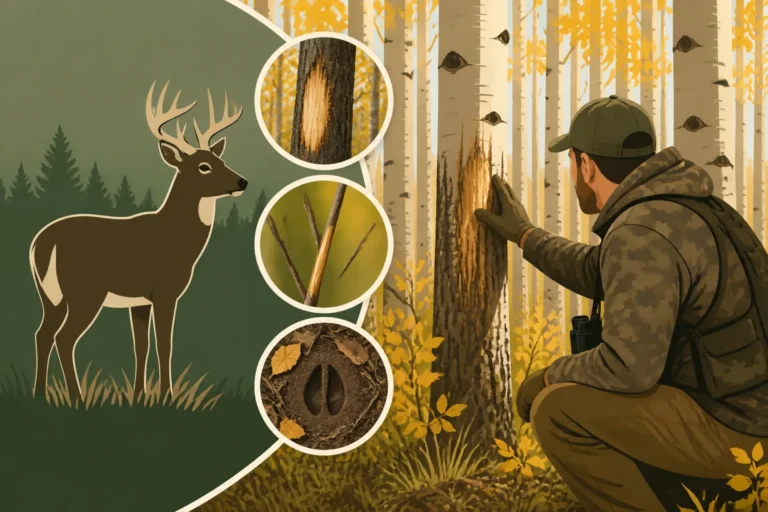
- Reading the Landscape: The northern landscape tells a story. Look for tracks along shorelines, rub lines on small trees, or fresh droppings to indicate recent game activity. Pay attention to changes in elevation, natural bottlenecks created by water bodies, or where different forest types meet, like a Hunting a Boreal Muskeg Edge. These are often travel corridors. Also, understanding Manitoba's Northern Species Hunters Rarely See can give insight into the overall health and movement of the ecosystem.
- Patience and Persistence: This isn't a quick hunt. Be prepared to put in long hours, hike extensive distances, and endure periods of no activity. The sheer scale of the landscape means animals can be spread out, and finding them requires dedication.
Camp Life and Contingency Planning
Life in a remote fly-in camp is an experience in itself. It’s often rugged, communal, and requires everyone to pull their weight.
- Daily Routine: Expect early mornings and late nights. Days will be spent hunting, followed by communal meals, sharing stories, and preparing for the next day. If you're with an outfitter, they'll manage most of this, but in a drop camp, it's all on you and your group.
- Weather Preparedness: Always be ready for sudden weather shifts. Carry enough gear to stay warm and dry for several hours away from camp. Have a backup plan if a hunt goes longer than expected or if you get disoriented.
- Emergency Procedures: Before you leave the air base, ensure everyone in your party knows the emergency communication plan, including how to use the satellite device, who to contact, and what information to provide. Discuss rendezvous points and what to do if someone gets lost or injured.
- Float Plane Delays: Weather can ground planes for days. Build a buffer into your schedule and pack extra food and essential supplies for unexpected layovers. Having a good attitude and being flexible is key when dealing with Mother Nature.
- Dealing with Wildlife: You are in prime wildlife country. Ensure all food is secured in camp to prevent attracting bears. Carry bear spray and know how to use it. Store any meat immediately and properly.
Responsible Hunting and Conservation in the North
Hunting in Manitoba's far north is a privilege, and it comes with a deep responsibility to the land, the wildlife, and the local communities. Practicing ethical and responsible hunting ensures these opportunities remain for generations to come.
Respecting the Ecosystem and Wildlife
The ecosystems of the northern boreal forest and tundra are often more fragile than those further south. Our actions as hunters can have a significant impact.
- Leave No Trace: Pack out everything you pack in, and perhaps even more. This includes all garbage, spent casings, and any non-biodegradable items. Strive to leave your camp and hunting areas cleaner than you found them.
- Ethical Harvest: Only take shots that are within your effective range and offer a high probability of a clean kill. Avoid unnecessary disturbance to non-target animals. Respect bag limits and season dates meticulously. Be especially careful when hunting caribou on migration routes to avoid undue stress on the herds.
- Knowledge of Regulations: Thoroughly understand Manitoba's hunting regulations, especially those specific to the northern GHAs. This includes rules around baiting, firearm discharge, and carcass handling. The provincial hunting guide is your bible.
- CWD Sampling: Chronic Wasting Disease (CWD) is a concern in Manitoba. While currently more prevalent in the south, it's crucial to be aware of and follow any CWD sampling requirements for your harvested animal, regardless of where it's taken. This proactive measure helps protect the health of Manitoba's wild herds.
Meat Care and Trophy Preparation in the Field
Harvesting an animal in the far north means you're often miles, or even days, from any refrigeration. Proper field care is not just about quality; it's about preventing spoilage.
- Prompt Field Dressing: Get to your animal quickly and begin field dressing immediately. This helps the meat cool down rapidly. Remove all internal organs and wipe out the cavity.
- Quartering and Airflow: Unless you've harvested a smaller animal that can be dragged whole to camp, you'll need to quarter your game in the field. This not only makes it easier to transport but also allows the meat to cool more effectively. Hang quarters in sturdy game bags in the shade, allowing air to circulate. This is especially important if you're out for multiple days before the plane picks you up.
- Protection from Pests: Game bags are essential to protect meat from flies, birds, and other scavengers. Keep the meat as clean as possible.
- Trophy Care: If you've harvested a trophy animal, pay careful attention to skinning and caping for taxidermy. Roll the hide with the hair side out and keep it cool. For skull plates, ensure all meat and brain matter are removed. If it's warm, salting the hide can help preserve it until you can get it to a freezer. This process is detailed further in guides like Skinning a Bear for a Rug or the general Meat Care in Manitoba's Cold Snaps which can apply to fall conditions in the north.
A fly-in hunt in Manitoba's far north is an investment in time, money, and effort, but the returns are immeasurable. It’s an adventure that forges memories, tests your mettle, and connects you to the wild in a way that few other experiences can.
Disclaimer
The information provided in this guide is for general informational purposes only and does not constitute legal advice. Hunting regulations, seasons, and requirements can change frequently. Always consult the most current Manitoba Hunting Guide and relevant provincial and federal regulations before planning any hunting trip. Ensure you understand and comply with all licensing, tag, and safety requirements.