Hunting the Tundra Transition Country
Hunting in Manitoba's far northern tundra transition country presents a challenge unlike any other, often leaving even seasoned hunters feeling a bit daunted by the sheer scale and remoteness of it all. It's a land where the trees give way to vast, open plains, and the weather changes on a dime. This guide aims to demystify hunting in this unique environment, helping you prepare for an unforgettable adventure where true wilderness still reigns supreme.
What Makes Manitoba's Tundra Transition So Unique?
The very term "tundra transition" hints at a dramatic shift, and for hunters, it means stepping into a world that demands a completely different mindset and set of skills. This isn't your typical bush or farmland hunt; it's an expedition into the wild heart of the north.
Defining the Landscape: Where the Trees End
Imagine a place where the dense boreal forest, with its towering spruce and jack pine, begins to peter out, giving way to stunted black spruce and tamarack, often referred to as "Krummholz" – twisted, wind-beaten trees clinging to existence. This is the initial stage of the tundra transition, a mosaic of low-lying shrubs, lichens, mosses, and countless lakes, rivers, and muskeg pockets. As you push further north, even these hardy trees vanish, replaced by vast, treeless expanses of true tundra, characterized by permafrost close to the surface, rocky outcrops, and endless horizons.
This vastness is both awe-inspiring and intimidating. There are no roads here, no cell service, and often, no signs of human activity for hundreds of miles. The ground underfoot can be a mix of squishy muskeg, firm rock ridges, or gravelly eskers – ancient riverbeds that rise above the surrounding landscape. Understanding this terrain is fundamental, as it dictates everything from travel methods to where game might seek shelter from the elements or predators. It’s a landscape that teaches humility, reminding you that you are a visitor in an ancient, powerful ecosystem.
The Rhythms of the North: Climate and Seasons
The climate in the tundra transition country is notoriously harsh and unpredictable. While summer brings long days and swarms of insects, the hunting seasons typically fall in late summer and fall, when temperatures begin their dramatic descent. Days can start mild, only to quickly turn into blustery, freezing events with snow or freezing rain, even in August or September. The wind is a constant companion, capable of dropping the effective temperature significantly and making travel difficult.
This extreme variability in weather means that preparedness isn't just a suggestion; it's a non-negotiable requirement for survival. A sunny morning can give way to a whiteout blizzard in a matter of hours, stranding hunters far from camp. The ground can freeze solid overnight, making walking easier but adding another layer of cold. Hunters must be ready for everything from mild, rainy conditions to severe winter storms, often within the same trip. This relentless climate shapes the animals that live here, driving their migrations and influencing their behaviors in ways that are unique to this challenging environment.
Primary Quarry: Species of the Far North
While the tundra transition might seem barren to the uninitiated, it supports a vibrant ecosystem of hardy wildlife, each uniquely adapted to survive—and even thrive—in these austere conditions. For hunters, it offers truly unique opportunities.
Barren-Ground Caribou: The Migratory Prize
Without a doubt, the barren-ground caribou is the flagship species of Manitoba's tundra transition. These majestic animals undertake some of the longest terrestrial migrations on Earth, following ancient routes between their calving grounds on the tundra and their wintering areas in the boreal forest. The challenge, and the thrill, of hunting caribou here lies precisely in their migratory nature. Their presence is never guaranteed; you're hunting a moving target on a landscape that offers little in the way of cover.
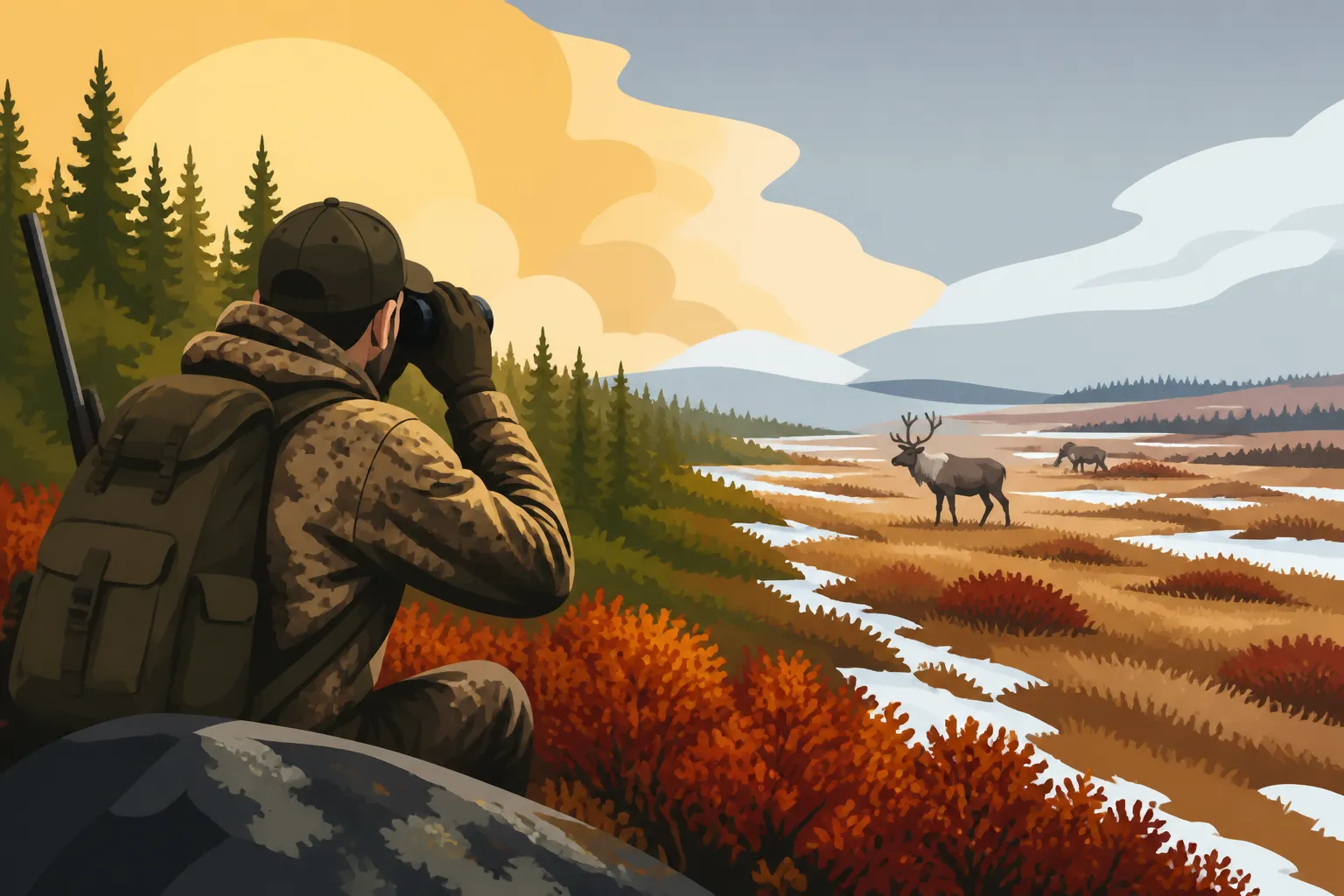
Timing your hunt to coincide with their migration is paramount. Early season hunts might see smaller groups scattered across the open tundra, while later in the fall, larger herds can gather as they push south. Hunters often set up spike camps along anticipated migration corridors or near specific geographic features that act as funnels. Glassing vast expanses, often for hours on end, is the name of the game, followed by long, arduous stalks across uneven terrain. It’s a hunt that tests patience, physical endurance, and the ability to adapt to ever-changing conditions. Securing a caribou here is more than just harvesting an animal; it's a deep connection to the ancient rhythms of the wild north. For more on pursuing these animals, check out Barren-Ground Caribou Hunting in Northern Manitoba. When you do connect, knowing Packing Caribou Out to a Float Plane will be critical.
Wolves and Other Northern Predators
Where there are caribou, there are often wolves. Manitoba's tundra transition country is home to a healthy population of grey wolves, which follow the caribou herds, their primary food source. For those seeking an ultimate predator hunting experience, adding a wolf tag to a caribou hunt offers a rare and exciting opportunity. Wolves are incredibly elusive and intelligent, making them a formidable quarry. Spotting them often requires keen eyesight, patience, and understanding their hunting patterns, which typically involve trailing caribou or seeking out vulnerable animals.
Beyond wolves, the vastness might hold other furbearers, though they are less commonly targeted by trophy hunters in this specific zone. However, understanding the entire predator-prey relationship of the area adds to the rich tapestry of the northern hunting experience. It’s a stark reminder of the wild balance that exists here, where every creature plays a vital role. If you're considering adding a wolf to your trip, familiarize yourself with Wolf Season Dates and Limits.
Ptarmigan and Arctic Hare: Small Game Opportunities
While caribou and wolves capture most of the attention, the tundra transition also offers opportunities for small game, particularly ptarmigan and arctic hare. Ptarmigan, a hardy grouse species, are masters of camouflage, changing their plumage with the seasons to blend seamlessly into their rocky or snowy surroundings. They are often encountered unexpectedly while stalking larger game or on a hike back to camp. Hunting them can be a fun diversion and a welcome addition of fresh meat to the camp larder. These birds offer a unique challenge, often holding tight until you're nearly on top of them before bursting into flight. For specifics on these resilient birds, you might find Ptarmigan Hunting in the Far North helpful.
Arctic hares, larger than their southern cousins, are another resilient species found in these open lands. They also undergo seasonal color changes and are incredibly fast, offering another exciting small game pursuit for the adventurous hunter. These smaller species provide a chance to explore the landscape more intimately and appreciate the smaller, yet equally fascinating, adaptations of northern wildlife.
Navigating the Challenges: Preparedness is Key
Hunting in Manitoba's tundra transition is less about comfort and more about survival. The challenges are immense, but with thorough preparation and a resilient spirit, they are surmountable.
Logistics of Remote Access: Fly-In Realities
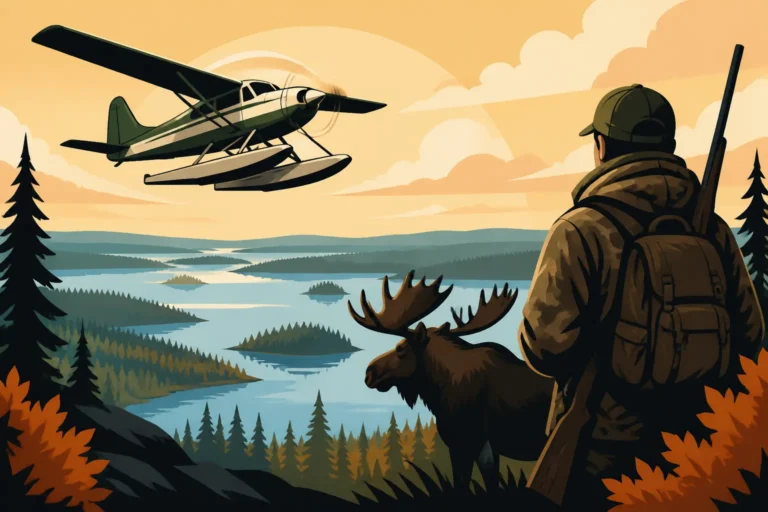
The first, and perhaps most significant, hurdle to hunting the tundra transition is access. With no roads extending into this remote wilderness, your journey will almost certainly involve a float plane or a bush plane. This isn't just transportation; it's a critical component of your hunt. Flying into a remote lake or improvised landing strip means strict adherence to weight limits for gear, food, and, critically, your harvested game. Every pound counts, and overpacking can lead to difficult choices on the tarmac or costly extra flights.
The reliability of your flight out is also dependent on weather. Storms can ground planes for days, adding unexpected delays and requiring extra supplies. Hunters must embrace the understanding that they are at the mercy of the elements and the expertise of their pilot. Choosing a reputable air charter service or an outfitter with their own air fleet is essential. They understand the nuances of northern flying, the specific landing conditions, and the critical importance of safety protocols. To better understand the mechanics, delve into Manitoba Fly-In Camps and Float Planes and What a Fly-In Camp Weight Limit Means.
Confronting the Elements: Gear and Survival
The unpredictable and often extreme weather of the tundra transition demands a robust and redundant gear system. Layering is not just a concept here; it's a life-saving practice. You need reliable outer shells that are waterproof and windproof, multiple insulating layers, and base layers that wick moisture away from your body. Footwear must be waterproof, warm, and capable of handling uneven, wet, and rocky terrain. Warm gloves, hats, and a neck gaiter are essential, even in early fall.
Beyond clothing, a comprehensive survival kit is non-negotiable. This includes fire-starting materials, a reliable knife, cordage, shelter (even a small emergency tarp), a robust first-aid kit, and enough food and water purification methods to sustain you for several extra days in case of unexpected delays. Communication is another critical concern: satellite phones or satellite messaging devices (like Garmin inReach or Zoleo) are vital for checking in with your outfitter, sharing your location, and calling for help in an emergency. The isolation can be profound, and being self-sufficient and well-equipped for any scenario provides peace of mind. While not exclusively about tundra, the principles in Hunting Safely in Deep Winter Cold offer a solid foundation for extreme weather preparation.
The Art of Scouting and On-the-Ground Strategy
Traditional pre-season scouting, where you drive out to a hunting area and walk around, is simply not feasible in the tundra transition. Instead, scouting takes on a different form, relying heavily on technology and the invaluable knowledge of local outfitters and guides. Satellite imagery, often accessed through platforms like onX Hunt or GoHunt, becomes your eyes in the sky. You'll spend hours pouring over maps, identifying potential caribou migration routes, natural funnels (like narrow land bridges between lakes), bedding areas, and water sources.
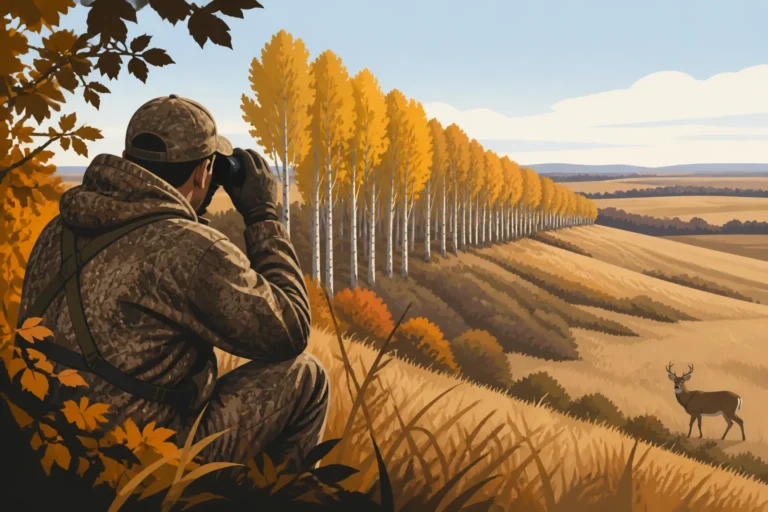
Once on the ground, the strategy shifts to covering vast amounts of territory with binoculars or spotting scopes. High points, often rocky ridges or eskers, become observation posts. Patience is key, as caribou can appear seemingly out of nowhere. Stalking in open country requires extreme caution, utilizing every bit of available cover—even small depressions or stunted vegetation—to close the distance. Understanding wind direction is paramount, as the open landscape offers few barriers to scent dispersal. This is where a good guide's experience becomes invaluable; they've spent years observing patterns, reading the land, and understanding the subtle movements of caribou.
Planning Your Tundra Expedition
A successful hunt in Manitoba's tundra transition is built on meticulous planning, starting long before you ever set foot on a plane. It's about combining modern tools with timeless wilderness wisdom.
Essential Tools for Reconnaissance
Given the remote nature of the tundra transition, digital and physical mapping tools are your best friends. Satellite imagery, like that offered by onX Hunt, allows you to identify terrain features, potential travel corridors, and even subtle changes in vegetation that might indicate game movement. You can mark waypoints for proposed camp locations, glassing spots, and even potential recovery points. Having your GHA boundaries overlaid on these maps is also crucial for staying within legal hunting areas. Meanwhile, platforms like GoHunt can provide valuable species-specific research, helping you understand migration patterns and historical game distribution, even if direct scouting isn't possible.
Always carry a physical, waterproof topographic map and a compass as a backup. Electronic devices can fail in extreme cold or get damaged. Knowing how to navigate without a battery is a fundamental skill for northern wilderness travel. A robust GPS unit, separate from your phone, is also highly recommended. These tools, combined with the insights from your outfitter, form the backbone of your pre-hunt strategy and on-the-ground navigation. Exploring Scouting With Satellite Imagery in Manitoba will give you even more insights into maximizing these digital assets.
Packing Smart: Every Ounce Matters
As discussed, weight restrictions for fly-in hunts are strict. This forces a thoughtful approach to packing. Each item must justify its weight. Here’s a breakdown of key categories:
| Category | Essential Items | Considerations |
|---|---|---|
| Navigation | GPS with extra batteries, physical topo map, compass, satellite communication device (e.g., inReach) | Redundancy is critical; know how to use all tools. |
| Clothing | Layering system (base, mid, outer shells), waterproof/windproof outerwear, warm hat, gloves, wool socks, insulated boots | Pack for extreme cold, wind, and rain, even in "mild" months. Avoid cotton. |
| Shelter | Quality tent or tarp, sleeping bag rated for -20C or colder, insulated sleeping pad | Lightweight but robust; ensures warmth and protection from elements. |
| Cooking/Food | Lightweight stove & fuel, dehydrated meals, high-energy snacks, water filter/purifier, large water bottle/bladder | Pack enough for extra days. Easy-to-prepare and calorie-dense. |
| Hunting Gear | Rifle/bow, ample ammunition, optics (bino, spotting scope), rangefinder, knife, game bags, sharpening stone, rope | Pack what you need, but no more. Ensure optics are weatherproof. |
| Emergency Kit | First-aid kit, fire starters, headlamp (w/ extra batteries), repair kit (duct tape, zip ties), signaling mirror, whistle | Essential for unforeseen circumstances or delays. |
Remember, everything must fit into durable, waterproof bags. Practice packing and unpacking at home to ensure efficiency and confirm your gear choices. When flying north, expect to dress in layers from the moment you step off the plane.
Partnering with Experienced Outfitters and Guides
For virtually anyone embarking on a tundra transition hunt, particularly for caribou, an experienced outfitter and guide are not just recommended, but often essential. These professionals possess invaluable local knowledge, including current game movements, safe travel routes, and the best strategies for hunting in such a demanding environment. They handle the complex logistics of air charters, camp setup, and often provide critical equipment like satellite communication, cooking gear, and emergency supplies.
A good guide will not only lead you to game but also ensure your safety, assist with field dressing, and help with the arduous task of packing out meat and trophies. They are your lifeline in a land that offers no second chances for mistakes. When choosing an outfitter, look for those with a long track record in the specific region, positive client testimonials, and a clear commitment to safety and ethical hunting practices. Their expertise transforms a potentially dangerous wilderness experience into a managed adventure. Learning about What a Licensed Manitoba Guide Provides and Choosing the Right Manitoba Outfitter will set you on the right path.
Hunting the tundra transition country of Manitoba is a profound journey into one of North America's last true wildernesses. It's a test of grit, patience, and preparation, but the rewards—a unique trophy, an unparalleled sense of accomplishment, and an unforgettable connection with the wild—are immeasurable.
Disclaimer
This article is for general informational purposes only and does not constitute professional advice. Laws, prices and regulations vary by location and change over time. Consult a qualified professional for guidance on your specific situation.