Hunting a Muskeg Island of Spruce
There's a certain kind of challenge that only the Manitoba bush can throw at you, and few are as intriguing as a muskeg island of spruce. These isolated pockets of higher, drier ground, often surrounded by treacherous bog or swamp, can be absolute magnets for game animals seeking refuge and resources. Trying to hunt these unique hideouts can feel like searching for a needle in a haystack, or worse, getting completely turned around in a sea of dense timber and unforgiving muskeg. This guide will walk you through how to effectively scout, access, and hunt these unique islands, turning potential frustration into genuine success.
Understanding the Muskeg Island Environment
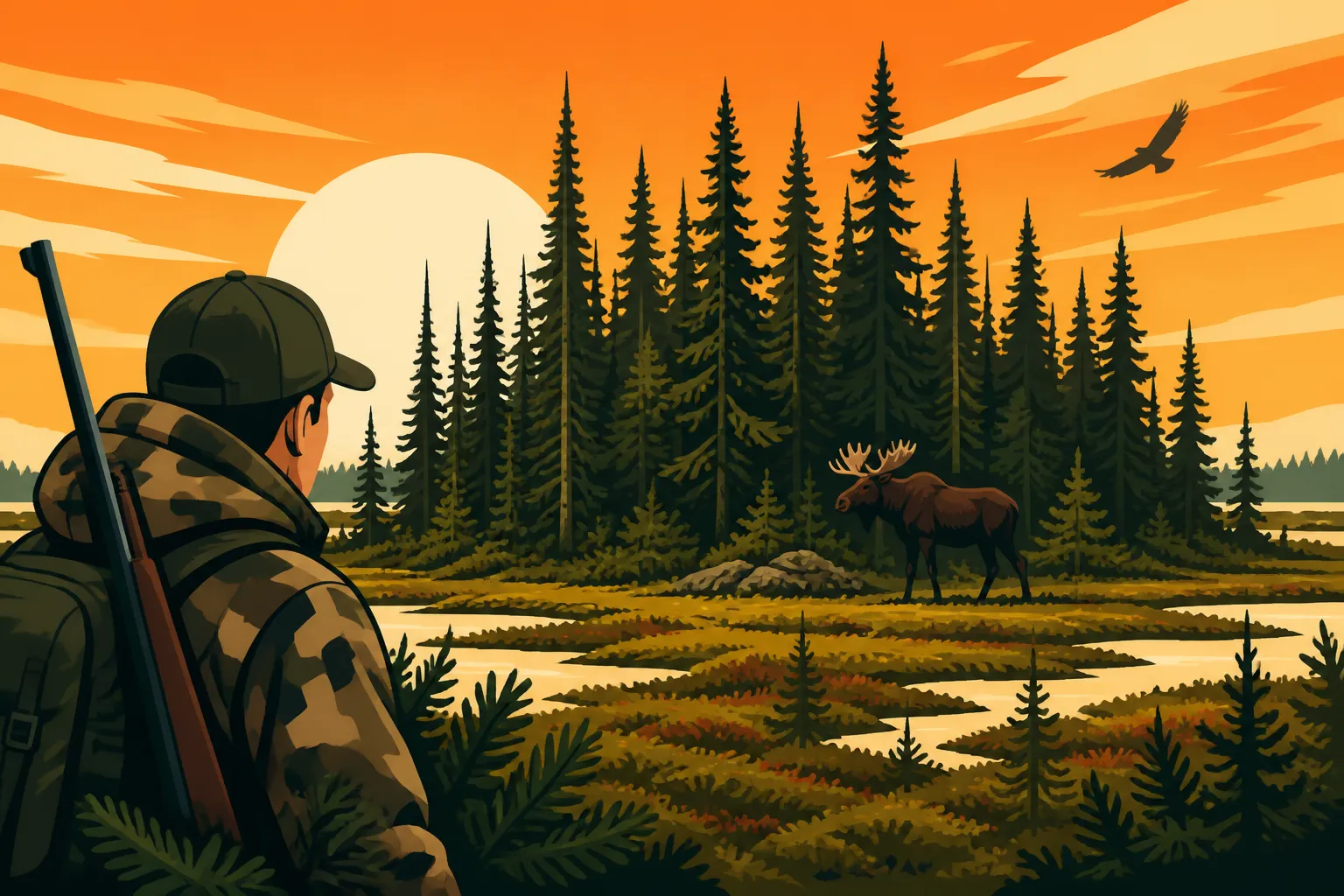
Before you even think about setting foot in one of these spots, it’s crucial to understand what a muskeg island of spruce actually is and why it's so appealing to wildlife. Imagine a vast, often flat or gently rolling landscape dominated by black spruce, tamarack, and peat moss. This is the muskeg, a wetland characterized by its acidic soil, stunted trees, and spongy ground. But every so often, you’ll find an "island" within this expanse – a slightly elevated area where the ground is firmer, the spruce trees are taller and denser, and the undergrowth can be incredibly thick.
Why Game Animals Gravitate Towards These Islands
Game animals, particularly large ones like moose and bear, are always looking for a combination of food, cover, and security. Muskeg islands offer all three in spades. The denser stands of spruce provide excellent thermal cover, shielding animals from biting winds in winter and providing cool shade in summer. The elevated ground means drier bedding areas, a huge advantage in a generally wet environment.
Furthermore, these islands often have a slightly different microclimate and soil composition, which can lead to a more diverse range of browse or berry production on their edges than in the surrounding muskeg. For a moose, the spruce itself provides critical winter browse, and the island offers a safe haven to bed down after feeding in the more open, wetland areas. Black bears will use these islands for dens, especially if there are large windfall trees or rock outcroppings. Deer, though less common in pure boreal muskeg, will certainly use them if they exist within their range, especially for bedding cover and escape routes. Wolves and other predators know this too, and will often patrol the edges of these islands, looking for prey.
The Challenges Posed by Muskeg Terrain
While incredibly attractive to game, muskeg islands are notoriously difficult for hunters to navigate. The ground can be incredibly soft, even seemingly solid patches can give way, leading to a leg-swallowing bog hole. Water is almost always present, whether it's standing water, shallow streams, or deep puddles disguised by moss. Dense spruce and tamarack often grow so thick that visibility is minimal, making it easy to get disoriented. In winter, deep snow can make travel exhausting, and ice can be present but hidden beneath the snow, posing a serious falling hazard. The sheer isolation of many of these islands also means that if you get into trouble, help is often a long way off. It's a wilderness experience, through and through, and demands respect and careful planning.
Scouting and Accessing These Isolated Pockets
Finding a promising muskeg island is one thing; getting to it and understanding its nuances before your hunt is another entirely. This isn't your typical farmland edge hunt; it requires a different approach to scouting and a healthy dose of realistic expectation regarding access.
Identifying Islands on Maps and Satellite Imagery
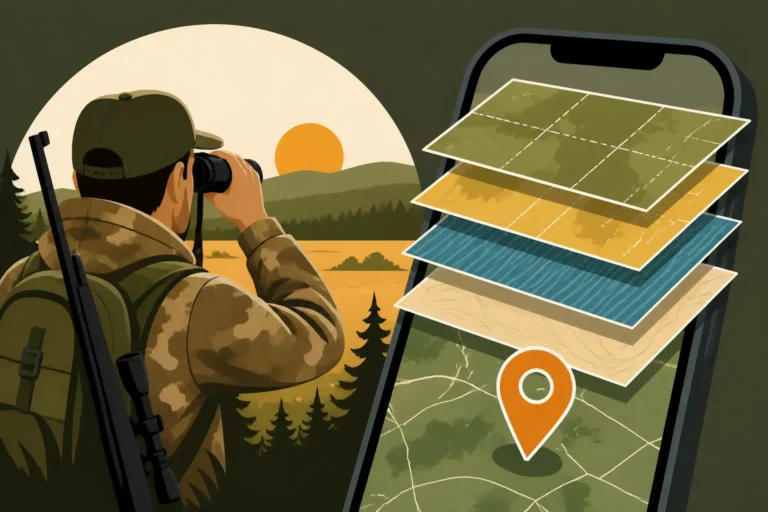
This is where modern technology really shines. Before you ever leave your comfortable chair, spend serious time studying topographical maps and high-resolution satellite imagery. Look for areas within the vast boreal forest that show denser, taller timber growth surrounded by lighter, more sparse vegetation – that's often your muskeg island. Topo maps will show slight elevation changes, indicating drier ground, and you can often trace faint lines of higher ground or old game trails connecting these islands. Tools like onX Hunt or GoHunt are incredibly valuable here, allowing you to layer different map types, mark potential access points, and pinpoint bedding areas or travel corridors that might be hidden to the naked eye.
When using satellite imagery, pay close attention to tree species. Darker, more uniform green often indicates spruce. Look for areas where the canopy is completely closed, suggesting mature timber. Zoom in on the edges of these islands; sometimes you can spot trails, natural funnels where animals enter and exit, or even rubs and scrapes if the resolution is good enough and the timing is right. Identifying water bodies, beaver ponds, or major streams that might impede your access is also critical at this stage. You might even find Scouting With Satellite Imagery in Manitoba to be a helpful read before diving in.
Planning Your Approach and Exit
Once you've identified a promising island, the next step is figuring out how to get there and, just as importantly, how to get out. Access to muskeg country is rarely straightforward.
- Summer/Fall: In warmer months, the ground can be incredibly wet and soft. ATV or Argo access might be possible on existing trails or cutlines, but venturing off-trail can lead to getting stuck, often very badly. Hiking requires appropriate waterproof footwear, like knee-high rubber boots, and a willingness to get muddy and wet. Expect slower travel times than you'd typically experience.
- Winter: This is often the preferred time for accessing deeper muskeg country. Frozen ground makes travel significantly easier, whether on foot, snowshoe, or snowmobile. However, deep snow can still be a major obstacle, and thin ice over water bodies or hidden bog holes is a serious hazard. Always test ice ahead of you and be aware of recent temperature fluctuations. Winter Road Access in Northern Manitoba might provide insights into getting to these areas during the colder months.
Regardless of the season, always plan multiple entry and exit routes. What looks good on a map might be impassable on the ground. Leave a detailed itinerary with someone reliable, and consider carrying a satellite communication device as cell service is often nonexistent in these remote areas. Where Manitoba Cell Coverage Ends is a stark reminder of how quickly you can be beyond reach.
Ground-Truthing and Sign Reading
Before your main hunt, if at all possible, try to make a preliminary scouting trip. Even a short venture into the area can reveal invaluable information. You’ll quickly learn whether the ground is passable, how thick the cover truly is, and where the most active game trails are.
Look for fresh tracks, droppings, rubs on trees, and distinct bedding areas. Pay attention to which side of the island shows the most activity – is it the edge facing a larger swamp or a drier ridge? Are there particular spruce trees that show signs of browsing from moose? For black bears, look for shredded logs, claw marks on trees, or overturned rocks indicating feeding activity. This kind of boots-on-the-ground intel is irreplaceable. Note any natural funnels or choke points within the island or along its edges where animals might be forced into a smaller travel corridor. These become prime locations for setting up if you plan to still hunt or ambush.
Hunting Strategies for Muskeg Islands
Hunting a muskeg island requires patience, stealth, and a keen understanding of animal behavior in this unique environment. It's not a place for rushing; slow, deliberate movements are key.
Still Hunting Through Dense Spruce
Still hunting is arguably the most effective strategy for muskeg islands. The dense spruce often limits visibility to short distances, meaning you need to be constantly aware of your surroundings and move very slowly, pausing frequently to observe and listen.
The spongy ground of the muskeg can actually be an advantage, muffling your footsteps, but the thick undergrowth will still grab at your clothing and make noise. Pick a direction, move 5-10 steps, then stop for several minutes. Use binoculars to peer into the shadows and look for horizontal lines (an animal's back) amidst the vertical lines of trees. Focus on changes in texture or color that might indicate an animal. Listen for faint sounds – a branch breaking, a subtle snort, the rustle of leaves. Moose, in particular, will often stand stock still in thick cover, relying on their camouflage. If you're Hunting Moose in Manitoba's Boreal Forest, patience is your most potent weapon.
Consider the wind direction carefully. The swirling nature of air currents in dense timber can be unpredictable, but always try to move into the wind or with a crosswind to keep your scent from blowing ahead of you.
Setting Up Ambushes or Stand Locations
While still hunting is effective, if you've identified a clear travel corridor or bedding area during scouting, a well-placed ambush can be deadly. However, setting up a traditional treestand on a muskeg island can be challenging due to the soft ground and often smaller, less stable trees. Ground blinds, whether natural or manufactured, are often a more practical solution.
Look for natural openings, game trails leading into or out of the island, or points where the island narrows. For a moose, an ambush point along a regularly used browse line or near a water source on the edge of the muskeg can be excellent. For bear, a trail leading to a known food source or an area with abundant berry bushes on the island's edge could work well, especially during Hunting Manitoba's Fall Bear Season.
Ensure your chosen spot offers good visibility for a shot while breaking up your outline. Test your shooting lanes and be mindful of the limited sightlines. If you're going to sit for an extended period, especially in colder weather, dress appropriately for Hunting Safely in Deep Winter Cold – you'll get cold quickly.
Incorporating Calls for Different Species
Calling can be a highly effective tactic, especially for moose and deer (if present) on muskeg islands. The dense cover often means animals can't see far, making vocalizations incredibly potent.
- Moose: Cow calls can be very effective during the rut, drawing in curious bulls looking for a mate. Raking a scapula or small paddle against a spruce tree to imitate a bull thrashing his antlers can also pique their interest. Be prepared for a stealthy approach once you call, as they might sneak in silently through the thick spruce.
- Bear: While less common than calling for ungulates, some hunters use distress calls for predators or even cub distress calls to draw in curious bears, though this can be risky. Scent lures around a bait site (if allowed in your GHA) can also be highly effective in drawing bears out of the thick cover of an island. Baiting Black Bear in Manitoba offers more details on this specific strategy.
- Whitetail Deer: If whitetails are present, rattling antlers and grunt calls can be effective, especially during the peak rut. The dense cover of a muskeg island can make bucks feel secure enough to investigate calls, but they'll often circle downwind, so play the wind carefully.
When calling, always be ready. Animals can appear silently and quickly from the dense cover.
Gear and Safety Considerations for Muskeg Hunts
Hunting muskeg islands is not for the ill-prepared. The remote, challenging nature of this terrain demands specific gear and a heightened awareness of safety.
Essential Gear for the Boreal Hunter
Your gear list for a muskeg hunt should prioritize navigation, warmth, and self-sufficiency.
| Category | Essential Items | Why It's Crucial |
|---|---|---|
| Navigation | GPS device with extra batteries | Primary navigation, track your path in and out. |
| Compass and paper map (waterproofed) | Backup for GPS failure, understanding terrain features. | |
| Satellite messenger/PLB | Critical for emergency communication where cell service is absent. | |
| Footwear/Clothing | Waterproof, knee-high rubber boots (e.g., Muck Boots, LaCrosse) | Keep your feet dry in boggy conditions. |
| Wicking base layers, insulating mid-layers, waterproof outer shell | Regulate body temperature, stay dry from sweat and precipitation. | |
| Blaze orange vest/hat | Required for safety during rifle seasons, highly recommended for visibility. How Much Blaze Orange Manitoba Requires | |
| Tools | Fixed-blade knife, folding saw/axe | Field dressing, clearing shooting lanes, emergency shelter building. |
| Headlamp with extra batteries | Essential for pre-dawn starts and post-dusk pack-outs, especially when navigating difficult terrain. | |
| Safety/Emergency | First-aid kit | For cuts, sprains, and other wilderness injuries. |
| Fire starter (waterproof matches, lighter, ferro rod) | Emergency warmth and signaling. | |
| Emergency shelter (tarp, space blanket) | Protection from elements if stranded. | |
| High-energy snacks and extra water | Sustain you through a long day or unexpected overnight. | |
| Repair kit (duct tape, cordage) | Field repairs for gear or clothing. |
Considering the potential for getting stuck or lost, having a robust navigation system, possibly with pre-loaded maps from onX Hunt, is absolutely paramount. Always double-check your gear before heading out.
Navigating Soft Ground and Potential Hazards
Muskeg ground is notoriously tricky. What looks like solid footing can often be a knee-deep bog. Always step carefully, test the ground ahead with your boot or a stick, and be prepared for your foot to sink.
Winter conditions bring their own set of challenges. Hidden ice under snow, particularly around frozen ponds or streams, can be deadly. Always assume thin ice until you've thoroughly tested it. Deep snow, while providing better access over frozen bog, will exhaust you quickly, especially if you're breaking trail. Consider snowshoes or skis for extended travel in deep snow.
Getting lost is a very real risk in the featureless, dense spruce. Use your GPS diligently, marking your entry point and tracking your path. Turn around frequently to see what the return route looks like. Even a compass and map can be challenged by the lack of distinct landmarks. When traveling into unfamiliar country, a read of Reading a Manitoba GHA Map Before You Go can save you a lot of grief.
Dealing with Wildlife Encounters
While hunting, you're obviously hoping for a wildlife encounter, but in muskeg country, encounters can sometimes be closer than anticipated. Bears are common, especially in spring and fall. Always carry bear spray and know how to use it. Make noise as you move, particularly in dense cover, to avoid surprising an animal at close range. If you encounter a bear, especially a sow with cubs, give it space and back away slowly.
Wolves are also present and will follow game animals. While generally shy, they are apex predators. If you're Hunting Wolves in Manitoba's North, you know what to expect, but if you're not, simply be aware of their presence.
The sheer difficulty of the terrain can make any emergency situation, whether it's a fall, a twisted ankle, or an unexpected animal encounter, far more serious due to the remoteness. Being self-sufficient and knowing basic first aid are non-negotiable. If you find yourself in a situation where you're unsure how to proceed, like your vehicle getting bogged down, refer to resources like What to Do If You Get Stuck in the Bush for practical advice.
Hunting a muskeg island of spruce is a demanding pursuit, but the rewards can be immense. The solitude, the raw wilderness experience, and the chance at a truly wild animal make it an unforgettable adventure. With careful planning, the right gear, and a deep respect for the environment, you can unlock the secrets of these isolated boreal havens.
Disclaimer
This article is for general informational purposes only and does not constitute professional advice. Laws, prices and regulations vary by location and change over time. Consult a qualified professional for guidance on your specific situation.