Hunting Around Ashern and Fisher Branch
Hunting around Ashern and Fisher Branch means you're diving headfirst into the heart of Manitoba's Interlake region, a place that can be incredibly productive for hunters but often comes with its own unique set of challenges. Many hunters get frustrated by the mix of Crown land, private property, and agricultural fields, unsure where they can legally and effectively pursue game. This guide aims to demystify hunting in this area, offering practical advice on navigating its landscapes and successfully finding game.
Understanding the Interlake Landscape Near Ashern and Fisher Branch
The Interlake region, specifically the areas around Ashern and Fisher Branch, is a fascinating mosaic of habitats. It's truly a "transition zone" where the rich farmlands of the south gradually give way to more boreal forest and vast wetlands. This diversity is what makes it so appealing to a variety of game species, but it also means hunters need to be adaptable and well-prepared. It's not like hunting the wide-open prairie, nor is it deep, unbroken bush; it's a mix that demands a nuanced approach.
The Interplay of Farmland, Bush, and Water
One of the most defining characteristics of this area is the constant intermingling of cultivated fields, thick bush, and countless sloughs, potholes, and even larger lakes. You'll find pockets of aspen, willow, and spruce forest, often surrounded by fields of canola, wheat, or hay. This creates abundant edge habitat, which as any hunter knows, is prime real estate for deer, elk, and even bears. The wetlands provide crucial breeding and staging grounds for waterfowl, making this a diverse hunting ground. This particular mix means you might be scouting a deer trail leading from a standing cornfield into a willow thicket one day, and setting up a duck spread on a slough the next.
What often trips hunters up here is the patchwork nature of the land. One quarter section might be prime hunting ground, while the next is completely unusable or private with no access. It's not uncommon to drive a few miles down a grid road and see three distinct habitat types. This requires a strong understanding of land ownership and habitat preferences for your target species. Tools like onX Hunt can be incredibly useful here, showing you exactly where property lines lie and what kind of terrain you’re looking at, right down to the little bluffs and treelines that might hold game.
Geographic Features and Game Concentrations
The Interlake's geography is largely shaped by its glacial past, leaving behind a relatively flat to gently rolling landscape dotted with depressions that now hold water or dense willow. The sheer number of small lakes, sloughs, and marshy areas—think of places like the Delta Marsh further south, though smaller versions exist everywhere—create incredible waterfowl opportunities. For big game, the higher, drier ridges and islands of timber, particularly those with good cover and adjacent food sources, are critical.
You’ll notice that game tends to concentrate where these different habitat types converge. Whitetail deer, for instance, love to bed down in the secure cover of a willow run or a dense aspen bluff, only to feed in the nearby agricultural fields under the cover of darkness or during low-light hours. Identifying these transition zones and understanding how game uses them throughout the day and across seasons is key to success. This specific region, being between Lake Manitoba and Lake Winnipeg, also acts as a funnel for migratory birds, further increasing its appeal for hunters.
Top Game Species and Hunting Strategies
The Ashern and Fisher Branch area is renowned for its diverse hunting opportunities, primarily drawing hunters for white-tailed deer, black bear, and various waterfowl. While other species exist, these three are arguably the biggest draws. Each requires a distinct approach, tailored to the unique Interlake environment.
Pursuing White-Tailed Deer
Whitetail deer thrive in the mixed habitat of the Interlake, utilizing the dense cover for bedding and the agricultural fields for feeding. Early season archery hunters can find success by identifying heavily used trails leading into standing crops like peas or canola. When Manitoba's Archery Season Opens can be a great resource for planning. During the rifle seasons, especially as the rut approaches, focusing on bottlenecks, pinch points, and natural funnels between bedding cover and feeding areas becomes paramount. Hunting a small bluff between two fields can be incredibly effective, as deer often use these elevated pockets for cover while still having easy access to food.
Later in the season, when snow pushes deer into thicker cover, they will congregate in the densest bush available, often on south-facing slopes or in areas with good thermal cover. Understanding Where Manitoba Whitetails Bed in Deep Snow will be crucial for late-season success. Rattling and grunt calls can also be highly effective during the peak rut, especially in the more open parkland fringes where deer might travel longer distances to investigate. Patience is a virtue when hunting whitetails here; sometimes the best strategy is to sit tight on a well-used travel corridor or food source edge.
Black Bear Hunting Opportunities
The bush country around Ashern and Fisher Branch provides excellent habitat for black bears. Spring bear hunting, typically via baiting, is very popular. Successful bear hunters often start by scouting promising areas well before the season, looking for natural food sources like saskatoon berries or old clearcuts, which provide good browse. Setting up a consistent bait site in a secluded bush edge or along an old logging road can draw bears in reliably. Baiting Black Bear in Manitoba offers some fantastic tips for getting started.
Fall bear hunting is also an option, often coinciding with deer seasons, allowing for potential combo hunts. During the fall, bears will be actively feeding to put on weight for winter, so focusing on areas with abundant natural food, like berry patches or oat fields, can be productive. Glassing field edges at dawn and dusk, or still-hunting through dense stands of aspen and spruce, can yield opportunities. The Interlake region has a healthy bear population, and while they might not be the giants found further north, there are certainly good-sized animals to be found.
Waterfowl Haven: Ducks, Geese, and Cranes
If you're a waterfowler, the Ashern and Fisher Branch area, and the wider Interlake, is an absolute paradise. The sheer number of potholes, sloughs, and marshes, combined with vast agricultural fields, creates irresistible staging and feeding grounds for migratory birds. Ducks, particularly mallards, pintails, and various diving ducks, utilize the abundant wetlands, while Canada geese, snow geese, and even sandhill cranes pour into the grain fields. Manitoba Duck Season Dates and Goose Season Dates by Zone are essential resources for planning.
Field hunting for geese and cranes can be phenomenal, especially in areas with fresh stubble or pea fields. Scouting regularly to identify active feeding areas is paramount. Often, knocking on doors for permission on private land is the best way to secure a prime field. For ducks, jump-shooting potholes or setting up spreads on small sloughs can provide fast action. The close proximity to major lakes like Manitoba means birds are constantly moving in and out, offering fresh opportunities throughout the season. Many hunters use applications like GoHunt to analyze historical harvest data and understand migration patterns, which can be invaluable in choosing the best weeks to hunt.
Public Access, Land Ownership, and Permission
Navigating land access in the Ashern and Fisher Branch area is perhaps the biggest hurdle for many hunters. Unlike vast tracts of unbroken Crown land found in northern Manitoba, this region features a complex checkerboard of private property, municipal lands, and smaller, often isolated, pieces of Crown land. Understanding these distinctions is not just helpful, it's absolutely critical for a legal and ethical hunt.
Identifying Crown Land and Wildlife Management Areas
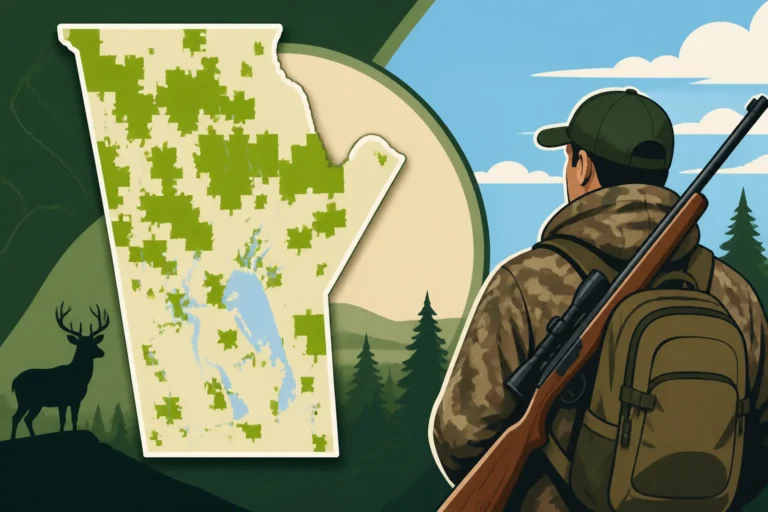
While much of the Interlake is privately owned, there are still significant opportunities on Crown land and within designated Wildlife Management Areas (WMAs). Crown land is public land, accessible for hunting unless specifically posted otherwise. However, these pieces can be fragmented and sometimes difficult to access without crossing private property. This is where tools like onX Hunt truly shine. They allow you to overlay property lines onto satellite imagery, clearly delineating Crown land from private holdings, and showing access roads or trails. Reading Manitoba Crown Land Layers on onX is a fantastic way to learn how to utilize these mapping tools to your advantage, helping you pinpoint those elusive public hunting spots.
Wildlife Management Areas, such as the nearby Hunting the Delta Marsh Wildlife Area (though Delta Marsh itself is a bit of a drive, it illustrates the concept), are established to protect and manage wildlife habitats and often allow hunting under specific regulations. Always check the current regulations for any WMA you plan to hunt, as rules regarding vehicle access, specific hunting methods, or special draw hunts can vary. These areas are usually well-marked and offer some of the most consistent public access in the region.
Navigating Private Property and Asking for Permission
The reality for hunting around Ashern and Fisher Branch is that a significant portion of the prime game habitat lies on private land. This means that Getting Private Land Permission in Manitoba from landowners is often the key to success, particularly for field hunting waterfowl or for accessing quality whitetail and bear cover. Don't be shy about knocking on doors. Farmers and landowners are generally good people, and a respectful, polite request can often open up incredible hunting opportunities. Always remember to be clear about what you intend to hunt, where, and when.
When asking for permission, dress neatly, be friendly, and offer to share some of your harvest if successful. If granted access, respect their property as if it were your own. Close gates, don't drive off established trails, and clean up any spent shells or trash. Building a good relationship with a landowner can secure you hunting access for years to come. Conversely, ignoring trespass laws can quickly lead to fines, loss of hunting privileges, and damage to the reputation of all hunters. Remember, a simple "No" means no, and you should always graciously accept their decision.
Road Access and Seasonal Considerations
Road access in the Interlake can vary greatly. Many grid roads are well-maintained, but others can quickly become impassable with heavy rain or snow. Pay attention to weather forecasts and road conditions, especially if you plan to venture off the main highways. In the late fall and winter, gravel roads can drift shut with snow, making access challenging. A reliable 4×4 vehicle is often a necessity, and having a recovery kit can save you a lot of grief. Winter Truck Kit for a Manitoba Hunt offers excellent advice for preparing for colder weather trips.
The sheer amount of water in the Interlake also influences access. Many areas that are dry enough to walk in early fall can become boggy or flooded later in the season. Planning your scouting and hunting trips around these seasonal changes is crucial. Sometimes, the best access might involve walking a significant distance or even using a small boat or canoe to reach certain wetland areas for waterfowl. For big game, walking further than most other hunters are willing to can often lead you to less pressured animals, especially on those smaller, harder-to-reach pieces of Crown land.
Seasonal Considerations and Essential Gear
Hunting in the Ashern and Fisher Branch region, like much of Manitoba, means dealing with a wide range of weather conditions throughout the seasons. From early fall warmth to late season deep freezes, your gear and strategy need to adapt accordingly. Being prepared isn't just about comfort; it's about safety and success.
Fall Warmth to Winter's Grip
Early season hunts, particularly for archery deer or the initial waterfowl openers in September, can often be surprisingly warm, even hot. Dressing in layers that allow you to shed clothing as the day warms up is essential. Mosquitoes and other biting insects can also be a significant nuisance in the early fall, especially near wetlands or in the bush, so bug spray and head nets are wise additions to your pack. As October progresses, temperatures cool, and by November, hunters in the Interlake can expect anything from mild days to biting cold and snow. Hunting Safely in Deep Winter Cold provides critical information for facing Manitoba's more extreme conditions.
For late November and December deer seasons, when temperatures can plunge well below freezing, proper insulation is non-negotiable. Quality base layers, insulating mid-layers, and a windproof, waterproof outer shell are paramount. For those long hours in a stand or blind, hand warmers, foot warmers, and even a portable propane heater can make a world of difference. Your boots must be rated for extreme cold and keep your feet dry, as cold feet can quickly end a hunt. Remember that scent control is equally important in all temperatures; even in the cold, human scent can travel far.
Navigating the Terrain with the Right Tools
The varied terrain around Ashern and Fisher Branch demands versatility in your gear. For scouting and navigating, a reliable GPS unit or a smartphone with a mapping app like onX Hunt or GoHunt is indispensable. These apps not only show property boundaries and topography but also allow you to mark waypoints for game sign, trails, and access points. This is particularly useful when exploring those smaller, irregular pieces of Crown land or navigating dense bush. A good pair of binoculars, ideally 10×42, will help you pick apart distant field edges for deer or spot ducks on a far-off slough.
For retrieving game, especially larger animals like deer or bear, consider what you'll need if you're hunting alone or with limited help. A game cart can be invaluable for moving deer out of a dense bush patch or across a muddy field. If hunting deep in the bush, a more robust plan for Getting a Deer Out on a Frozen Trail or off of Crown land might involve a quad or even a sled. Always pack an emergency kit, including a first-aid kit, fire-starting materials, extra food and water, and a way to communicate, especially if hunting in areas with spotty cell service. This area is generally more accessible than far northern Manitoba, but getting turned around in a dense willow patch or getting stuck off a grid road can still happen.
| Species | Primary Habitat | Key Seasonal Focus | Optimal Hunting Methods |
|---|---|---|---|
| White-Tailed Deer | Mixed bush, aspen bluffs, field edges | Archery (Sept/Oct), Rut (Nov), Late Season (Dec) | Stand hunting, still-hunting, rattling, calling |
| Black Bear | Dense bush, riparian zones, berry patches | Spring (baiting), Fall (natural food sources) | Baiting, spot-and-stalk, still-hunting |
| Waterfowl | Potholes, sloughs, marshes, stubble fields | Early Fall (ducks), Mid/Late Fall (geese/cranes) | Decoying, jump-shooting, field blinds |
| Coyote | Farmland, pasture, bush fringe | Year-round, best in winter | Calling, spot-and-stalk |
Responsible Hunting and Conservation
Hunting in an area with a strong agricultural presence means being particularly mindful of your impact. Always secure your shot, ensuring you have a safe backdrop and clear understanding of what lies beyond your target. Respecting no-hunting zones, even if they aren't explicitly posted, shows good judgment and helps maintain positive landowner relations. Understanding Manitoba Landowner Permission Law is fundamental.
Furthermore, proper Meat Care in Manitoba's Cold Snaps is essential to prevent spoilage, especially if temperatures fluctuate. Quick field dressing and getting the animal cooled down are paramount. By being a responsible hunter, you contribute to the sustainability of the resource and help ensure that the excellent hunting opportunities around Ashern and Fisher Branch remain available for future generations. It’s a privilege to hunt in this diverse and productive region, and treating it with respect is how we ensure that privilege continues.
Disclaimer
This article is for general informational purposes only and does not constitute professional advice. Laws, prices and regulations vary by location and change over time. Consult a qualified professional for guidance on your specific situation.