Hunting Coyotes Over a Winter Bait
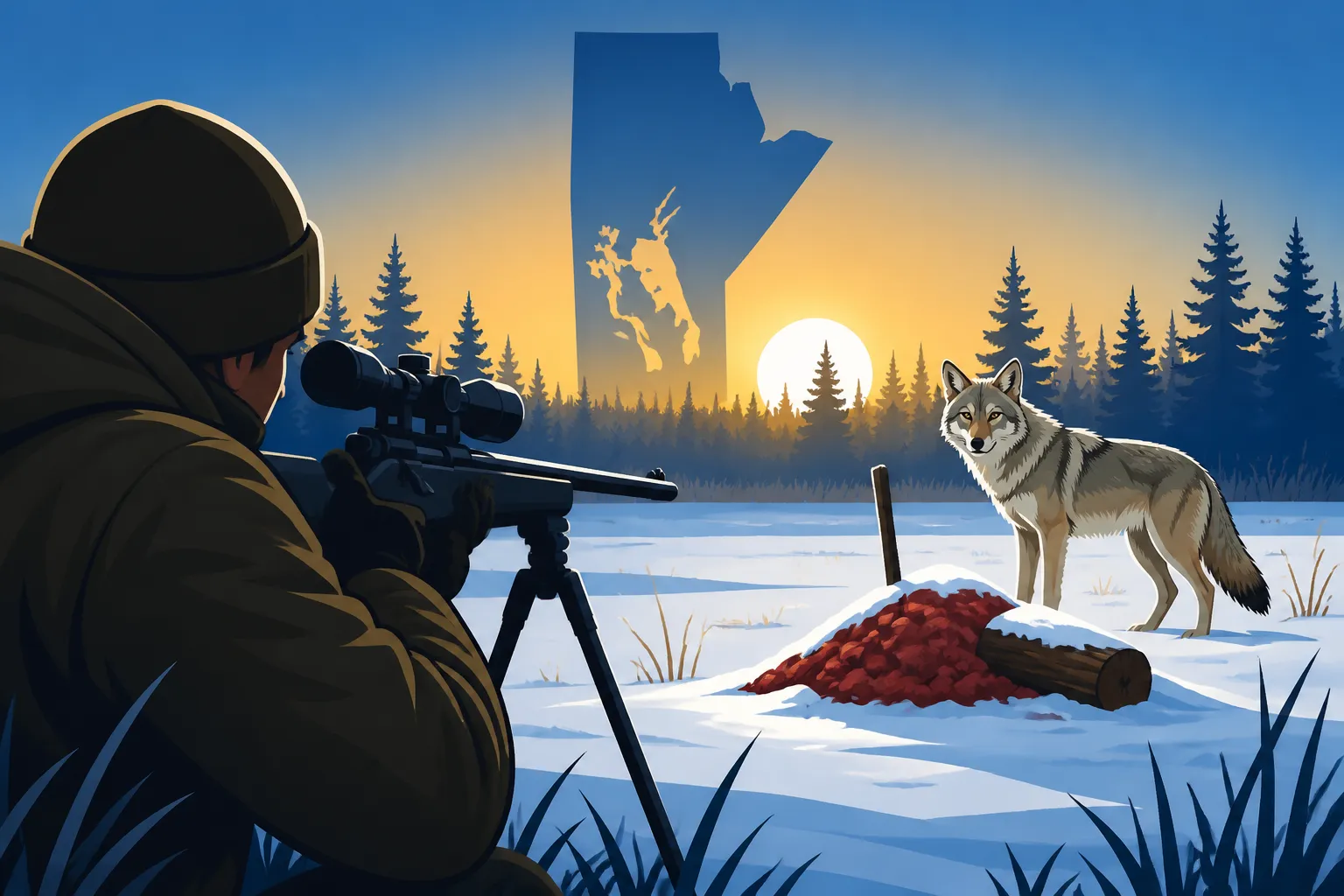
The biting winds and vast, open landscapes of a Manitoba winter can make coyote hunting feel like an impossible challenge. They're incredibly wary animals, and when the snow is deep and cover is scarce, spotting them before they spot you is a huge hurdle. This guide will walk you through the proven methods of hunting coyotes over a winter bait, transforming those long, cold days into opportunities for success by drawing these clever canids right to you.
Why a Winter Bait for Coyotes is a Game Changer in Manitoba
Hunting coyotes in Manitoba during the dead of winter presents a unique set of challenges. Their coats are thick, making them incredibly resilient to the cold, and their natural cunning is amplified when food sources become scarce. They range widely, constantly searching for an easy meal, and the often-sparse winter cover on the prairies or the thick, snow-laden bush makes traditional spot-and-stalk or calling tactics difficult. This is precisely why a well-managed winter bait site becomes such an effective strategy. It capitalizes on their instinctual need for food when other options are buried under snow or too hard to catch.
Understanding Coyote Behavior in Winter
When the snow flies and temperatures plummet, coyotes shift their hunting patterns. Their primary focus becomes energy conservation and finding reliable food. Small rodents are harder to come by, and deer, while still a food source, are often too large for a single coyote to take down, especially in deep snow. This makes scavenging a critical part of their survival strategy. They're constantly patrolling fence lines, creek beds, and bush edges, looking for carrion or any opportunity to conserve energy.
A well-placed bait site exploits this exact vulnerability. It offers a high-calorie, easily accessible meal, creating a powerful magnet in an otherwise lean landscape. When a coyote discovers a bait, it often becomes a regular visitor, returning daily or every other day, and often bringing other coyotes with it. This predictability is golden for a hunter, turning a game of chance into a strategic ambush. You’re not just hoping to intercept a coyote; you’re offering an irresistible invitation.
Overcoming Winter Hunting Challenges with a Bait
Beyond food scarcity, winter brings its own set of environmental difficulties for hunters. The ground can be frozen solid, making it impossible to dig a blind. Snow muffles sound, but it also reflects light, making concealment trickier. The cold itself requires specialized gear and extreme patience. A bait site helps mitigate many of these issues.
First, it concentrates the animals, meaning you don't have to cover vast amounts of ground. You can focus your scouting efforts on finding the perfect ambush location around the bait. Second, it allows for proactive blind placement. You can set up a sturdy, warm blind before the coyotes start visiting, letting them get comfortable with its presence. Third, the bait provides a clear, defined shooting lane, eliminating guesswork when a shot presents itself. It's about letting the coyotes come to you on your terms, rather than trying to chase them down in their element. For more on navigating the cold, check out our guide on Hunting Safely in Deep Winter Cold.
Setting Up Your Coyote Bait Site Properly
Choosing the right location for your bait and managing it effectively is paramount to success. This isn't just about dumping some meat in a field; it's a strategic operation that requires thought and planning. The goal is to create an irresistible, safe-feeling food source that coyotes will readily visit, ideally during daylight hours.
Choosing the Ideal Location for Your Bait
Location, location, location. This old real estate adage applies directly to successful baiting. You need a spot that's both attractive to coyotes and accessible and safe for you to hunt.
Accessibility and Seclusion: First and foremost, pick a spot you can easily access, even after a fresh snowfall. This might mean near a secondary road, an old trail, or a section of Crown land you can reach with a quad. However, it also needs to be secluded enough that human presence won't spook the coyotes or attract unwanted attention from other people. Coyotes are naturally wary of human activity, so a balance is key. Using a robust mapping app, such as GoHunt, can be incredibly helpful here. You can identify potential access points, analyze terrain for natural travel corridors, and confirm land ownership to avoid trespassing issues. When you're Scouting a Manitoba Game Hunting Area, remember to consider road access and potential vehicle noise.
Natural Travel Corridors: Coyotes use natural funnels and cover to travel. Look for areas where shelterbelts meet bush lines, creek bottoms, river breaks, or the edges of dense sloughs. These are their highways. Placing the bait near one of these corridors will make it easy for them to find and approach with a sense of security. A bait placed in the middle of a wide-open field, for example, might be visible but too exposed for a cautious coyote to visit regularly during the day. Consider areas like a Hunting a Shelterbelt Between Two Fields or a Hunting a Prairie Coulee Bottom where natural cover offers concealment for approaching animals.
Wind Direction and Visibility: Always consider prevailing wind directions. You want the scent from your bait to carry into areas where coyotes are likely to travel, without having your own scent carry towards the bait from your blind. This usually means placing your blind downwind or crosswind of the bait, with the wind blowing from the bait towards you, then past you. You also need good visibility of the bait from your intended blind location, with an unobstructed shooting lane. Think about the sun's position throughout the day – you don't want to be staring directly into it.
What to Use for Bait Material
The best bait is typically something that produces a strong, appealing scent and offers good nutrition. Animal carcasses are ideal.
Common Bait Materials: Roadkill deer are often a primary source, provided you're adhering to local regulations regarding carcass disposal and retrieval. Farmers might also have access to livestock carcasses that have died from natural causes. Butcher scraps from processing your own game, or even expired meat from grocery stores (with permission), can work wonders. The key is quantity and consistency. A large carcass will last longer and provide a more substantial draw than a few small scraps.
Scent Enhancement: While a large carcass naturally emits plenty of scent, especially as it thaws and refreezes, you can enhance its appeal. Pouring old grease, fish guts, or even a commercial predator lure over the bait can boost its drawing power, especially in the initial stages. The stronger the smell, the faster coyotes will find it, particularly if you're trying to Calling Coyotes at First Light to the area. Some hunters even hang a "flag" of highly odorous material (like a piece of hide soaked in fish oil) on a nearby branch to help catch the wind and spread the scent.
Regular Replenishment: Coyotes will learn to rely on your bait. If it consistently runs out, they'll move on. Make sure to replenish the bait regularly, ideally when you're checking trail cameras or scouting the area. Try to add fresh material without leaving excessive human scent. A table outlining common bait materials and their pros and cons can be useful:
| Bait Material | Pros | Cons | Scent Appeal | Longevity (Approx.) |
|---|---|---|---|---|
| Deer Carcass | Large, natural, strong scent, good nutrition | Regulations on acquisition, can attract other predators | High | 1-3 weeks |
| Livestock Carcass | Very large, high nutrition | Requires farmer connection, heavy to move, regulations | High | 2-4 weeks |
| Butcher Scraps | Easy to acquire (if you process meat) | Smaller volume, can freeze solid quickly | Medium-High | 3-7 days |
| Fish Guts/Waste | Strong, far-reaching scent | Less nutritional value, freezes fast | Very High | 2-4 days |
| Old Grease/Fats | High calorie, good scent carrier | Can attract smaller scavengers, less "meat" | Medium | 1 week |
Bait Management and Scent Control
Once your bait is in place, consistent management is crucial. This means minimizing human disturbance while maximizing the bait's appeal.
Reducing Human Scent: Coyotes have an incredible sense of smell. Every time you visit the bait, you're leaving a calling card. To minimize this, always approach the bait from downwind of your intended hunting position. Wear clean clothes, rubber boots, and handle the bait as little as possible. Consider using gloves. After placing new bait, spray down your tracks with a scent killer or cover them with snow. When hunting, make sure your blind is sealed or well-ventilated to prevent your scent from drifting towards the bait. This meticulous approach can make all the difference, especially with educated coyotes.
Trail Cameras for Intelligence: Trail cameras are your best friends for bait site management. Place them a little distance from the bait, pointed towards it. They'll tell you:
- What time coyotes are visiting: This helps you time your hunts.
- How many coyotes are visiting: Gives you an idea of the population.
- What direction they're approaching from: Essential for blind placement.
- If other predators are present: Wolves, foxes, or even domestic dogs can visit. Knowing what's coming in allows you to adjust your strategy.
- Bait consumption rate: Helps you know when to refresh the bait without over-visiting.
Remember to check your cameras sparingly, and always follow the same scent control protocols when doing so. This intelligence is invaluable for planning your ambush.
Strategies for Hunting Over Your Winter Bait
Now that your bait is set and active, it's time to talk about the actual hunt. Success here relies on patience, proper concealment, and knowing when and how to engage these wary animals.
Blind Placement and Concealment
Your blind is your fortress. It needs to provide warmth, comfort, and most importantly, complete concealment. Coyotes have exceptional eyesight, especially against a snowy backdrop, so anything out of place will raise their suspicion.
Permanent Versus Portable Blinds: In Manitoba's often harsh winters, a permanent or semi-permanent blind is often preferred. This could be a small wooden shack, a hay bale blind, or a brushed-in pop-up blind left out for a few weeks to allow coyotes to habituate to it. A sturdy blind offers shelter from the wind and cold, which is vital for long sits. If you're using a portable pop-up blind, make sure it's brushed in thoroughly with local vegetation – spruce boughs, dead tall grasses, or snowdrifts. Position it against a natural backdrop like a bush line or a large rock formation to break up its outline.
Wind and Visual Advantage: As mentioned earlier, wind is critical. Always set your blind so the prevailing wind carries your scent away from the bait. If the wind changes, be prepared to adjust your strategy or call off the hunt. Visually, ensure your blind offers a clear, unobstructed view of the bait, but that your silhouette is broken up. Use dark fabric or snow camo inside the blind to prevent being silhouetted against windows. Keep all movement to an absolute minimum once coyotes are in the area. This is where a comfortable chair and warm layers truly pay off, allowing you to sit still for hours.
Timing Your Hunts for Maximum Success
Coyotes are most active during dawn and dusk, but a reliable bait can draw them in at any time of day, especially when they're hungry.
Early Morning and Late Afternoon: These are generally your prime windows. Get to your blind well before first light, allowing time to settle in and let the area calm down before the coyotes become active. Similarly, hunt until well after dark. Coyotes often feel safest approaching the bait under the cover of low light. Your trail camera intel will be invaluable here, showing you specific patterns of when they're most comfortable visiting. If you notice a specific coyote visiting consistently at 10 AM, then that's your window!
Mid-Day Opportunities: Don't discount mid-day, particularly on very cold or stormy days. When food is scarce and energy demands are high, a coyote might take the risk of visiting the bait even in full daylight. This is especially true after a fresh snowfall, which can mask old tracks and make them feel a bit bolder. Sometimes the biggest, wariest coyotes will wait until mid-day when the smaller, more excitable animals have already been in and out. Patience is key when Sitting All Day in a Manitoba Blind.
Calling and Decoys
While a bait is a powerful attractant on its own, strategic calling and the use of decoys can sometimes tip the scales in your favor.
Subtle Calling Tactics: Once coyotes are visiting a bait, aggressive calling isn't always necessary and can sometimes be counterproductive if they associate it with danger. However, soft, subtle distress calls or pup yips can be effective at drawing in a wary coyote that's "hanging up" just out of range. A few soft chirps or whimpers can convince a hesitant animal that another coyote is at the bait, or that there's an easy meal to be had. If a coyote approaches the bait but circles downwind of your blind, a quick, soft call can sometimes stop it long enough for a shot. For a deeper dive into vocalizations, consider our guide on Calling Coyotes in Manitoba Farm Country.
Motion Decoys: A simple motion decoy, like a piece of fur on a string or a small rabbit decoy that twitches, can add an element of realism and distraction. Placed near the bait, it can draw a coyote's attention away from your blind, giving you precious seconds to make adjustments or prepare for a shot. The movement can also pique their curiosity, enticing them to commit to the bait rather than circling endlessly. Just ensure the decoy is subtle enough not to appear unnatural or threatening.
Shot Placement and Follow-Up
When a coyote finally commits to the bait, take a breath and make a clean shot. Their vitals are relatively small, and they can be surprisingly tough.
Aim Small, Miss Small: Aim for the heart-lung area, just behind the shoulder. This offers the largest vital zone and the best chance for a quick, humane kill. Many hunters opt for a head or neck shot for immediate incapacitation, but this is a much smaller target and carries higher risk if you're not perfectly confident. Know your rifle and ammunition, and practice shooting in cold weather conditions, ideally from your actual blind setup if possible.
Follow-Up is Crucial: Even with a good shot, a coyote can sometimes travel a surprising distance, especially in deep snow. Mark the exact spot where the coyote was standing when you shot. If it runs, don't immediately jump out of the blind. Give it a few minutes, scanning the area to see if it drops. If it doesn't, slowly and methodically follow the tracks. Fresh snow makes tracking easier, but also faster if they bleed out. Have a plan for tracking in the snow, and remember that Reading Sign After a Fresh Snow can be invaluable. Don't let a wounded animal get away. If you lose the trail or doubt your ability to recover it, bring in a tracking dog if permitted and available.
Essential Gear for Cold Weather Coyote Bait Hunting
Manitoba winters demand specific gear to ensure your comfort, safety, and ultimately, your success. Sitting motionless for hours in freezing temperatures requires careful preparation.
Appropriate Clothing and Layering
This is not the time to skimp on warm clothes. You’ll be static, so you need more insulation than if you were actively hiking.
Base Layers: Start with synthetic or merino wool base layers that wick moisture away from your body. Cotton is a no-go; it retains moisture and will make you cold.
Mid Layers: Fleece or down jackets provide excellent insulation. A good mid-layer traps air and holds in your body heat. Consider multiple thinner mid-layers rather than one bulky one, as this allows for better temperature regulation.
Outer Layers: Your outer shell needs to be windproof and waterproof (or at least highly water-resistant) to protect against snow, sleet, and the relentless Manitoba wind. Insulated outerwear specifically designed for extreme cold is a must. Look for quiet fabrics that won't rustle when you move, as sound carries far in still, cold air. A good parka and insulated bibs or pants are vital for sitting in a blind.
Extremities: Don't forget your head, hands, and feet. A warm toque or balaclava is non-negotiable, as you lose a lot of heat through your head. Layered gloves or mittens (with hand warmers inside) are critical. For your feet, choose insulated, waterproof boots rated for extreme cold, and wear thick wool socks. Many hunters use chemical toe warmers to keep their feet from freezing. For more tips on staying warm, see Boots for Sitting Still in Deep Cold.
Optics and Firearms for Coyote Hunting
Having the right tools for observation and execution is just as important as your clothing.
Reliable Optics: A good quality binocular (10×42 or 10×50) is essential for scanning the area around your bait. Look for models that perform well in low light, as prime coyote activity often occurs at dawn and dusk. A spotting scope can be useful if your bait is very far out, but often binoculars are sufficient for identifying coyotes.
Rifle and Caliber: Most centerfire rifle calibers suitable for deer hunting will work for coyotes, but lighter, faster calibers are often preferred to minimize pelt damage if you plan to save the hide. Common choices include .22-250 Remington, .223 Remington, .204 Ruger, and .243 Winchester. These offer flat trajectories and sufficient energy for coyotes out to several hundred yards. Ensure your rifle is zeroed and functions reliably in extreme cold. Practice taking shots from a seated position, similar to how you’ll be in your blind.
Ammunition: Use appropriate ammunition. For minimal pelt damage, choose a frangible bullet that expands rapidly upon impact rather than exiting and leaving a large hole. If pelt preservation isn't a concern, a slightly heavier, controlled expansion bullet will also work effectively.
Essential Accessories and Emergency Gear
Beyond the basics, a few accessories can make your hunt more productive and safer.
Hand Warmers and Heat Packs: Stock up on these. They're invaluable for keeping fingers, toes, and even camera batteries warm.
Thermos with Hot Beverages: A thermos full of coffee, tea, or hot chocolate can be a morale booster and help you stay warm during long waits.
Portable Power Bank: Crucial for keeping your phone, trail camera batteries, or other electronics charged in the cold, which drains batteries rapidly.
Headlamp with Red Light Option: For navigating to and from your blind in the dark without spooking animals or ruining your night vision.
Emergency Kit: Never head into the Manitoba bush in winter without an emergency kit. This should include extra warm layers, a first-aid kit, fire-starting materials, a knife, a multi-tool, a charged cell phone (and power bank), a GPS device or compass, and some high-energy snacks. Even if you're close to a road, unexpected vehicle issues or getting disoriented in a blizzard can happen. A more extensive Winter Truck Kit for a Manitoba Hunt is also a good idea if you're driving into remote areas.
Hunting Licence and Tag: Don't forget your Manitoba Resident Hunting Licence Cost and any required tags for other species you might encounter or pursue, and make sure to validate your tag immediately after a harvest.
Hunting coyotes over a winter bait in Manitoba can be an incredibly rewarding experience. By understanding their winter habits, setting up a strategic bait site, exercising patience and precision, and coming prepared for the cold, you'll significantly increase your chances of success and gain a deeper appreciation for these cunning predators.
Disclaimer
This guide is for informational purposes only. Hunting regulations, seasons, and requirements can change. Always consult the most current Manitoba Hunting Guide and relevant provincial regulations before engaging in any hunting activities. Ensure you have all necessary licenses and permits, and adhere to all safety guidelines.