Hunting Manitoba’s Fall Bear Season
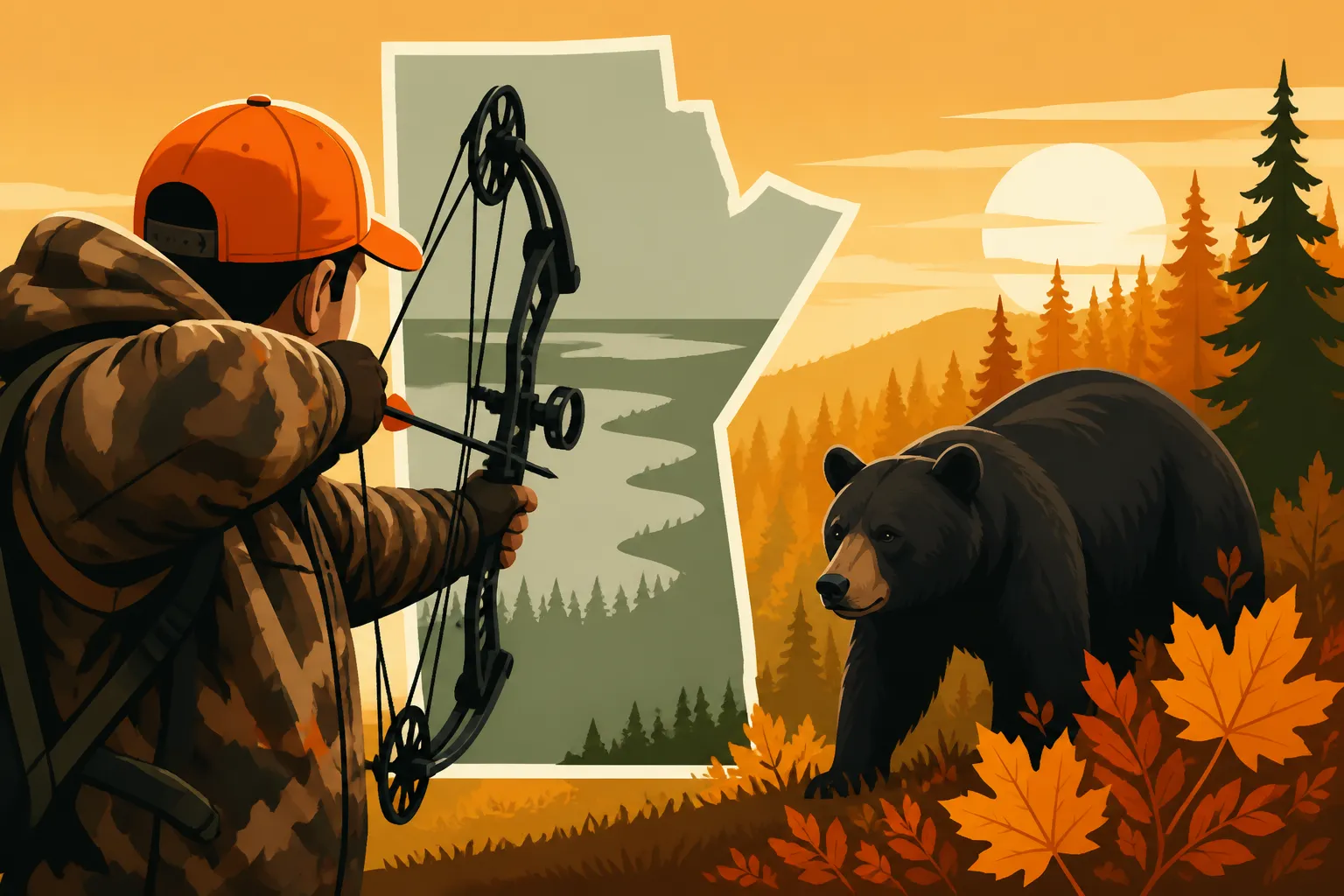
For many hunters, the fall season evokes images of frosty mornings, colourful leaves, and the thrilling pursuit of whitetail deer. But here in Manitoba, the autumn landscape also offers a fantastic, often overlooked opportunity: black bear hunting. It's a different game than the spring hunt, with unique challenges and rewards that can leave even seasoned hunters scratching their heads about where to start or what to expect. This guide will walk you through everything you need to know to successfully hunt black bears in Manitoba's fall season, from understanding their behaviour shifts to baiting strategies and essential gear.
Understanding Manitoba's Fall Bear Season
Hunting black bears in the fall offers a distinct experience compared to the spring. While the core pursuit remains the same – locating, luring, and harvesting a bear – the timing changes everything, from bear behaviour to food sources and even weather patterns. Many hunters primarily focus on spring bear, but autumn presents its own set of advantages, particularly for those looking to fill their freezer with prime meat or pursue a mature boar before winter sets in.
Fall Season Dates and Open Zones
Manitoba's black bear season typically opens in late August or early September and runs well into October or even early November, depending on the Game Hunting Area (GHA). These dates are crucial because they dictate bear activity. Early fall, when the leaves are still mostly green, can feel a lot like summer, with bears actively seeking food to pack on fat. As the season progresses and colder temperatures arrive, bears enter a hyperphagia phase, meaning they're eating almost constantly to prepare for hibernation. This intense feeding drive can make them more predictable and receptive to bait.
It's vital to check the current year's hunting guide for specific opening and closing dates for your chosen GHA. Regulations can shift, and what was open last year might have different dates or restrictions this year. The provincial government's hunting guide is your most reliable source, often available online. Non-residents, especially, need to be aware of the rules around Manitoba Bear Season Dates as these can vary. Make sure you understand whether your GHA allows baiting throughout the entire fall season or if there are specific windows.
Key Regulatory Differences from Spring
While many regulations are consistent across both spring and fall bear seasons in Manitoba, there are subtle but important distinctions to be aware of. For instance, some GHAs might have specific harvest quotas or antlerless permits that influence overall hunter density, which can indirectly affect bear movement if hunting pressure is high. Additionally, the rules surrounding baiting can sometimes differ slightly between seasons. Always verify if there are any GHA-specific regulations that might impact your fall hunt.
One significant difference can be the presence of other hunters. In spring, bear hunting is a primary focus. In fall, however, many hunters are also out pursuing deer, moose, or migratory birds. This increased human activity can push bears into thicker cover or make them more nocturnal, especially in areas with higher hunting pressure. You’ll also need to be particularly vigilant about knowing your target and what’s beyond it, given the higher density of other hunters and the potentially reduced visibility due to changing foliage. Always ensure you carry your Manitoba Hunter Education Requirements card and understand all local safety protocols.
Locating Black Bears in Autumn
Successfully hunting black bears in Manitoba during the fall hinges on understanding their seasonal behaviour. Unlike spring, when bears are fresh out of the den and often concentrated around early green-up or carcass finds, autumn bears are driven by one intense urge: putting on as much fat as possible before winter. This means their movements are directly tied to calorie-rich food sources. Forget about the casual wanderings of spring; fall bears are on a mission.
Prime Habitat and Food Sources
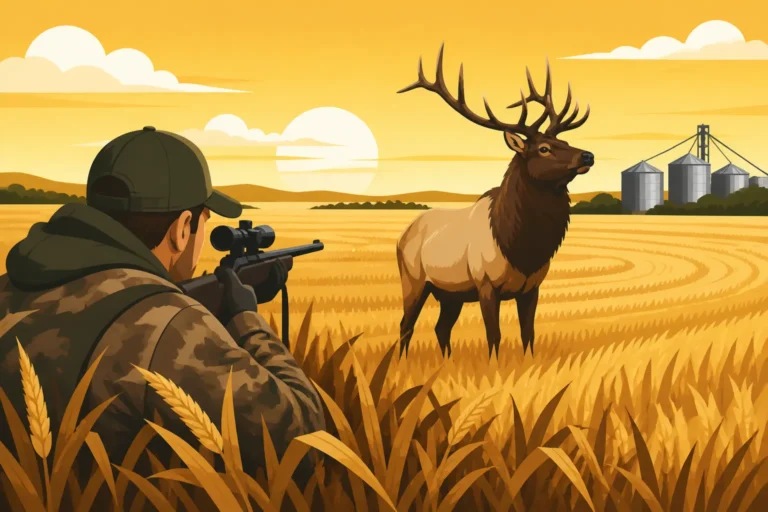
In the fall, black bears are essentially guided by their stomachs. They will gravitate towards areas abundant with high-energy foods. In Manitoba, this often means forests rich in berry bushes like saskatoons, cranberries, and chokecherries, which typically ripen through late summer and early fall. Agricultural fields can also be a massive draw. Bears will key into crops like oats, corn, or even sunflower fields after harvest, especially if there are fallen grains or unharvested patches. These agricultural areas provide an easily accessible buffet of carbohydrates and fats. Look for thick bush edges bordering these fields, as bears will often travel from the safety of cover to feed under the cloak of darkness or during low-light hours.
Beyond crops and berries, acorns and hazelnuts are incredibly important, particularly in areas like the Turtle Mountain or Spruce Woods regions where these trees are more prevalent. Bears will spend hours meticulously foraging in these areas, and once they find a good mast crop, they can become very localized. Identifying these food sources through scouting, or by using tools like the GoHunt app to study land features and vegetation, can dramatically increase your chances of finding an active bear.
Reading Bear Sign in Fall
Just like with any big game animal, learning to read the language of the forest is paramount. In fall, bear sign takes on specific characteristics. Look for tracks along muddy trails, cutlines, or in soft earth near water sources. Pay close attention to scat – in autumn, it will often contain evidence of their diet: berry seeds, corn kernels, or even insect fragments. Fresh scat indicates recent activity, and its contents tell you what they're currently feeding on.
Other signs include turned-over rocks, torn-apart logs (they're still looking for grubs and insects, especially when other food sources are scarce), and claw marks on trees. Bear rubs, where they scratch their backs or sides on trees, often leaving hair behind, can tell you about their size and the frequency of their visits. In cornfields, look for broken stalks and flattened areas where they've been feeding. The bigger the bear, the more significant the damage they'll leave. The more fresh sign you find, the closer you are to a high-traffic area. Being able to correctly identify the difference between an adult boar and a sow with cubs is critical, and a good resource like Judging a Boar From a Sow With Cubs can be invaluable.
Baiting Strategies for Fall Bears
Baiting is a highly effective and popular method for hunting black bears in Manitoba, especially during the fall season when bears are relentlessly focused on consuming calories. It allows hunters to draw bears into a predictable location, providing controlled shot opportunities and allowing for careful observation to identify the sex and size of the animal. However, successful baiting isn't just about dumping out a pile of food; it requires careful planning, consistent effort, and adherence to regulations.
Setting Up and Maintaining a Fall Bait Site
Choosing the right location for your bait site is the first critical step. Look for areas with dense cover, away from human disturbance, and ideally with a water source nearby. Bears prefer to approach a bait from cover and feel secure while feeding. Consider prevailing winds to ensure your scent isn't blowing directly over the approach trails you expect bears to use. Once you have a spot, you'll need a robust bait barrel or structure that can withstand bear abuse and protect your bait from other scavengers or rain. Secure it firmly to a tree or the ground.
Consistency is key for a successful fall bait. You need to "train" bears to visit your site regularly. Start baiting well before your hunt begins, ideally a few weeks out, and replenish the bait often. Bears have incredible memories, and once they find a reliable food source, they’ll keep coming back. Using trail cameras is almost essential; they'll tell you what bears are visiting, when they're coming, and give you crucial information for patterning their movements. For more specific guidance on Setting a Bear Bait Site in Manitoba, delve into resources that outline the specifics of barrel design and placement.
Best Baits and Scent Management
When it comes to bait, variety and high-calorie content are your best friends in the fall. Bears are looking to fatten up, so anything sweet and greasy will be a winner. Doughnuts, pastries, candy, and used cooking oil are excellent choices. Meat scraps can also be effective, but they can attract other animals and spoil quickly in warmer early-fall temperatures, so they require careful management. Some hunters swear by a mix of stale bread, oats, and molasses, soaked in grease. The goal is to create a scent trail that draws them in, and a high-energy reward that keeps them coming back.
Scent management at your bait site is paramount. Bears have an incredible sense of smell, and you want to use that to your advantage without spooking them. When you visit your bait, wear clean clothes and rubber boots to minimize leaving human scent. Use strong, attractive scents, like anise oil, vanilla extract, or commercially available bear attractants, to create a broad scent cone. Hang these attractants in a burlap sack or pour them on nearby trees to disperse the smell far and wide. Remember, your goal is to lure them in, not to send them running in the opposite direction. The GoHunt app can assist with identifying wind patterns over your chosen bait site, helping you predict which way your scent will travel. For more in-depth information, consider exploring resources on Baiting Black Bear in Manitoba.
Still-Hunting and Spot-and-Stalk Techniques
While baiting is incredibly popular and effective, it's not the only way to hunt fall bears in Manitoba. For those who prefer a more active, traditional approach, still-hunting and spot-and-stalk techniques offer an exhilarating challenge. These methods require a deeper understanding of bear behaviour, exceptional woodsmanship, and a keen eye for detail. They offer a unique connection to the land and the animal, relying on stealth and observation rather than attraction.
Targeting Travel Corridors and Feeding Areas
The key to successful still-hunting or spot-and-stalk in the fall is predicting where bears will be. As discussed, fall bears are food-focused. This means spending time in areas known for abundant berries, mast crops, or agricultural fields. Look for natural travel corridors that connect these food sources to bedding areas. Ridge lines, creek bottoms, old logging roads, and thick brush lines along field edges are all prime locations where bears will move between safety and sustenance.
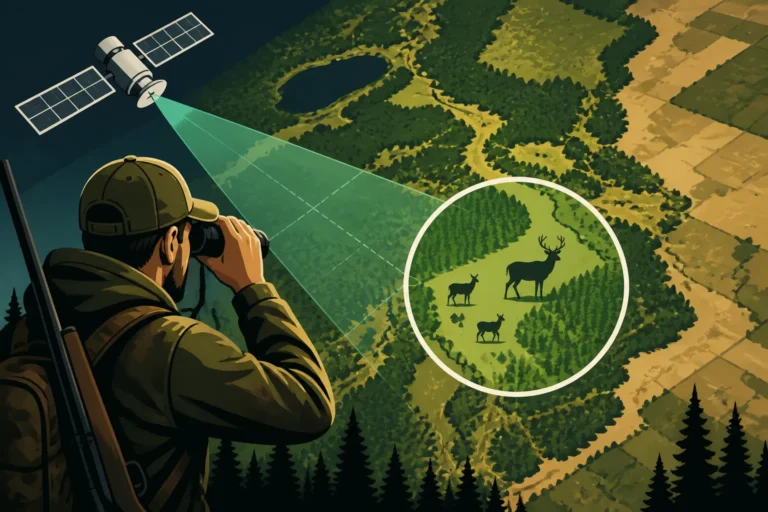
Pre-season scouting is crucial. Use binoculars to glass open areas at first and last light. Pay attention to anomalies in the landscape – a dark patch moving across a golden field, or disturbed vegetation in a berry patch. With the GoHunt app, you can mark potential feeding areas, bedding thickets, and travel routes, creating a detailed map of your hunting grounds. Often, a bear will create subtle trails as it repeatedly visits a food source; finding these "bear highways" can be a game-changer for still-hunting.
The Art of Still-Hunting and Glassing
Still-hunting is a slow, methodical process. It's about moving quietly, taking a few steps, then stopping to observe and listen for several minutes before moving again. You're not just walking; you're actively hunting with your senses. In the fall, with crunchy leaves underfoot, this can be particularly challenging. Focus on areas with softer ground, like mossy patches or pine needles, and always try to move into the wind. Keep your eyes peeled for any sign of movement, a patch of black against the fall colours, or the subtle twitch of an ear.
Glassing (using binoculars or a spotting scope) is your most powerful tool, especially in more open or diverse terrain. Find a vantage point that offers a wide view of potential feeding areas or travel corridors. Spend significant time scanning, not just glancing. Bears can blend surprisingly well into their surroundings. Look for parts of an animal – a leg, an ear, the shine of a wet nose – rather than expecting to see a whole bear. Dawn and dusk are prime times for bears to be active, making these periods ideal for glassing sessions. Being patient and observant can often be more effective than covering miles of ground quickly.
Gear and Preparation for a Fall Bear Hunt
Hunting Manitoba's fall bear season means being ready for a wide range of weather conditions, from warm, bug-filled early September days to crisp, potentially snowy late October afternoons. The right gear not only ensures your comfort but also contributes significantly to your safety and success. Preparation goes beyond packing a bag; it involves understanding the specific demands of the environment and equipping yourself accordingly.
Essential Clothing and Cold Weather Gear
Layering is the golden rule for fall hunting in Manitoba. Start with a moisture-wicking base layer to manage sweat, followed by insulating mid-layers like fleece or wool to trap warmth. Your outer layer should be windproof and waterproof, capable of shedding rain or snow while keeping bitter winds at bay. Even if the forecast calls for mild temperatures, always pack an extra warm layer – a sudden cold snap can happen, especially in October. Consider a good quality puffy jacket that can be easily stowed and pulled out during periods of inactivity.
Don't forget accessories. A warm hat, gloves or mittens, and good quality waterproof boots are non-negotiable. When sitting for extended periods, cold feet can quickly end a hunt. Ensure your boots are well broken in and suitable for the terrain you'll be covering. If you're planning to hunt Hunting Safely in Deep Winter Cold, which late fall can resemble, specialized insulated gear becomes even more critical.
Firearms, Bows, and Shot Placement
For black bear, you need a reliable firearm or bow capable of delivering a humane, ethical kill. For rifles, popular calibers like .30-06, .308 Winchester, .270 Winchester, or .300 Winchester Magnum are excellent choices, firing heavy, well-constructed bullets designed for deep penetration. Shotguns with slugs are also effective at closer ranges. If you're bowhunting, ensure your bow has sufficient draw weight for bear, and practice extensively with broadheads to confirm accuracy and penetration.
Shot placement is paramount. The primary kill zone on a bear is the lung-heart area, just behind the shoulder. Bears have heavy bones and a thick hide, so a poorly placed shot can result in a wounded animal and a difficult, potentially dangerous, tracking job. Practice shooting from various positions you might encounter in the field, including from a treestand or ground blind. Know your effective range and stick to it. Never take a shot you're not confident in, and always aim for that vital zone. Always carry a reliable knife for field dressing, and potentially bear spray for close encounters, especially if you're not hunting over bait.
Post-Harvest Care and Meat Management
Harvesting a black bear is a moment of immense satisfaction and respect. However, the hunt doesn't end when the shot is fired. Proper post-harvest care is crucial, both for preserving the meat and, if desired, the hide and skull for a trophy. Manitoba's fall temperatures can fluctuate significantly, which means hunters need to be diligent about cooling and handling their game quickly and correctly to prevent spoilage. The care you take immediately after the harvest will dictate the quality of your meat and the preservation of your trophy.
Field Dressing and Cooling Considerations
Once your bear is down, the clock starts ticking, especially if it's an unseasonably warm fall day. You need to field dress the bear as quickly and cleanly as possible to begin the cooling process. Remove all internal organs, taking care not to rupture the stomach or intestines. If you plan to skull mount, keep the head as clean as possible. For meat, focus on getting as much heat out of the carcass as you can.
After field dressing, consider quartering the bear, especially if it's a large animal or if you have a long distance to transport it. This allows for better airflow around the meat, aiding in rapid cooling. Hang the quarters in a cool, shady, well-ventilated spot, ideally with good airflow. In early fall, this might mean a cooler with ice or a game bag surrounded by ice packs. As temperatures drop later in the season, hanging it overnight might be sufficient, but always monitor the temperature. The goal is to get the meat below 4°C (40°F) as quickly as possible. For detailed tips, refer to Meat Care in Manitoba's Cold Snaps.
Trophy Care for Hide and Skull
If you're keeping the hide for a rug or the skull for a mount, specific steps are required. For a rug, you'll need to skin the bear carefully, leaving plenty of hide for the taxidermist. Avoid making cuts through the feet or nose. After skinning, scrape off as much fat and meat as possible from the hide. Then, heavily salt the flesh side of the hide with non-iodized salt, rubbing it in thoroughly. Roll it up and let it sit for a day or two, then shake off the old salt and apply fresh salt. Repeat this process until the hide is dry and stiff. This helps prevent hair slippage.
For a skull mount, you'll want to remove as much meat as possible from the skull. Brain material also needs to be removed. You can then freeze the skull or place it in a bucket of water to macerate, though this process can be smelly. Most hunters, particularly those investing in quality taxidermy, opt to get the skull and hide to a reputable taxidermist as soon as possible after initial field care. Knowing what to expect regarding Manitoba Taxidermists and Wait Times can help you plan your post-hunt logistics. Always be prepared to handle the logistics of transport and storage of your bear, especially if you're traveling a distance. Using a resource like GoHunt can help you locate nearby services.
| Feature | Fall Bear Hunting | Spring Bear Hunting |
|---|---|---|
| Season Duration | Late August/Early September to Late October/Early Nov | April to June |
| Bear Motivation | Hyperphagia (intense feeding for hibernation fat) | Fresh out of dens, seeking early greens and protein |
| Primary Diet | Berries, mast crops (acorns), agricultural grains | Young vegetation, roots, carrion, insects |
| Hide Quality | Generally thicker, longer, and denser fur | Often thinner, shorter fur, potential for rub marks |
| Meat Quality | Typically excellent, bears are fat and healthy | Can be good, but depends on diet and post-den condition |
| Weather Range | Variable, from warm to cold/snowy; often bug-free | Variable, from cold/wet to warm; bugs can be severe |
| Other Hunters | Higher possibility of deer/moose hunters in the woods | Primarily bear hunters |
| Vegetation Cover | Full leaves early, diminishing to open woods late | Budding leaves early, full foliage later |
| Baiting Focus | High-calorie, sweet, greasy foods to build fat | Protein-rich, sweet attractants |
Disclaimer
Hunting involves inherent risks, and adherence to all safety regulations is paramount. The information provided in this guide is for informational purposes only and should not replace official regulations, professional guidance, or personal judgment. Always consult the current Manitoba Hunting Guide and relevant authorities for the most up-to-date and accurate rules and regulations.