Hunting a Prairie Coulee Bottom
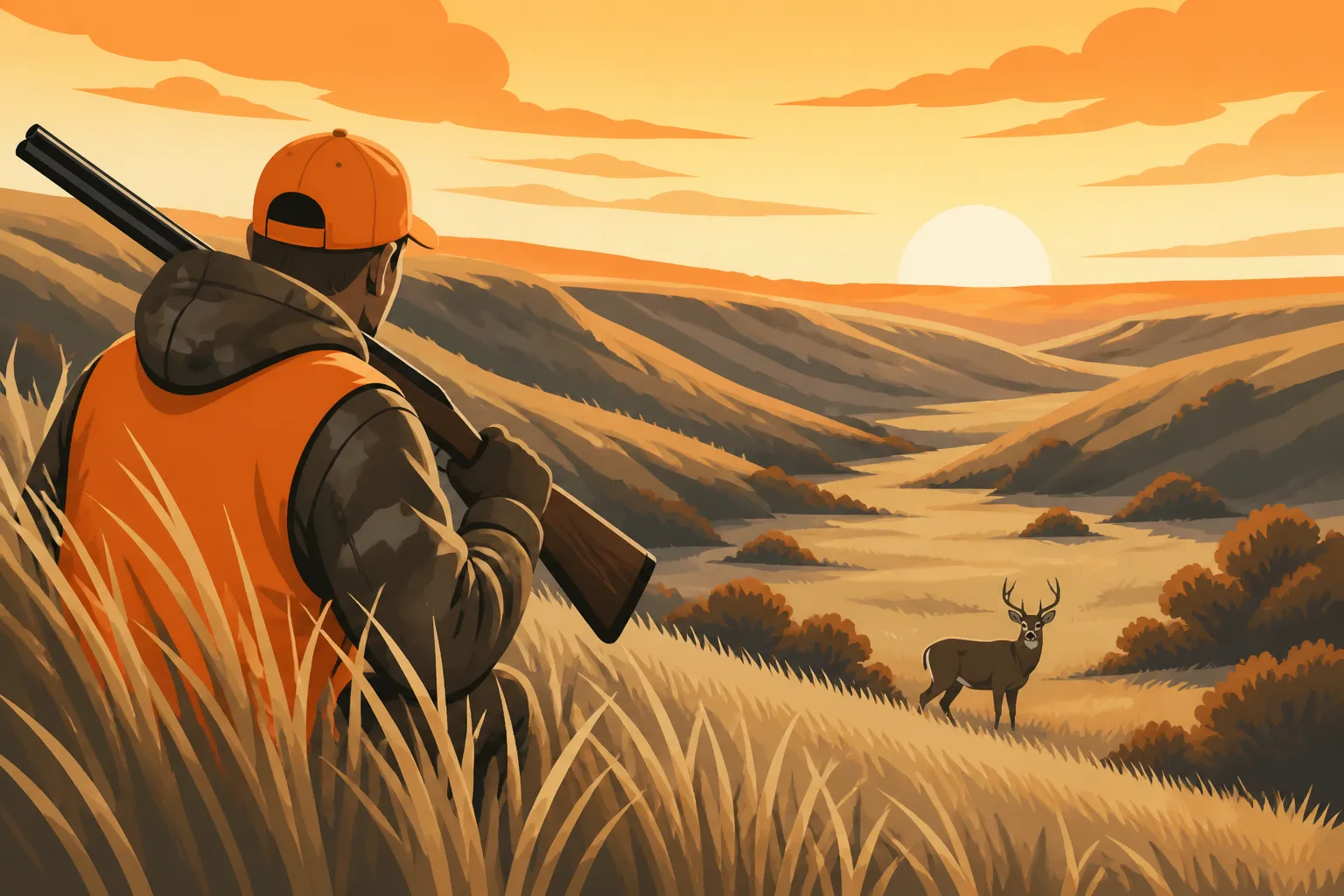
Hunting the vast, often flat expanses of Manitoba's prairie can feel like searching for a needle in a haystack, especially when you're after big game like whitetails. It’s easy to get discouraged by the seemingly endless fields and scattered cover, but many hunters overlook the true gems of these landscapes: the prairie coulee bottoms. These hidden depressions, often carved by ancient waterways, offer vital shelter, food, and travel corridors for wildlife, and learning to hunt them effectively can transform your prairie hunting success. This guide will walk you through everything you need to know to unlock the potential of these unique hunting grounds.
Understanding the Prairie Coulee Bottom Ecosystem
Prairie coulees are much more than just ditches in the landscape; they are complex micro-ecosystems that provide a lifeline for game animals in otherwise exposed environments. If you've ever spent a blustery fall day on the open prairie, you know how brutal the wind can be, and that's precisely why coulees are so attractive to deer, coyotes, and other wildlife.
Why Coulees Attract Game
Imagine a deer standing exposed on a windswept stubble field in November. Now imagine it dropping down into a sheltered depression, where the wind dies down, the sun feels warmer, and there’s a thicket of willows to disappear into. This isn't just a hypothetical; it's the daily reality for game animals in prairie country. Coulees offer critical thermal cover, especially during those notoriously cold Manitoba winters or on days with biting winds. They act as natural windbreaks, providing a significant temperature differential compared to the open plains above. This makes them prime bedding areas, particularly during the middle of the day when deer seek refuge from the elements.
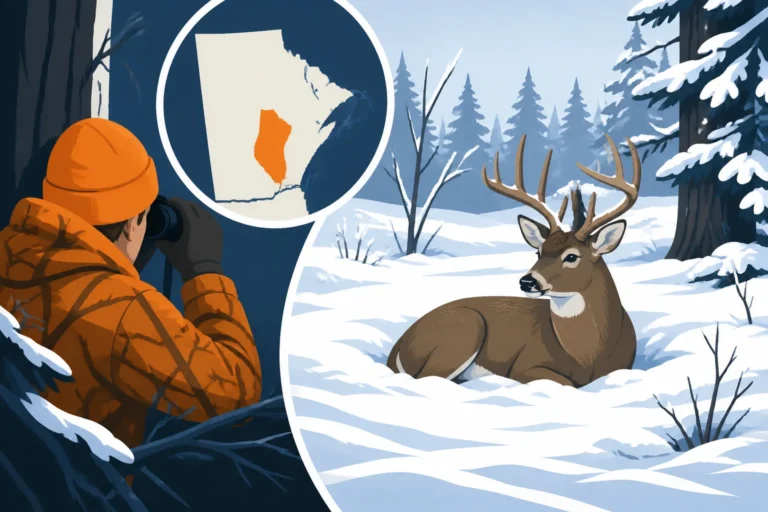
Beyond shelter, coulees often contain crucial food sources that might be scarce elsewhere on the prairie. While a deer might feed in an adjacent grain field at dawn or dusk, during the day it will often browse on the woody stems, forbs, and grasses found within the coulee itself. The deeper, wetter bottoms might even hold stagnant water or seep springs, providing a reliable water source that can be hard to come by in dry prairie conditions. These combined factors – shelter, food, and water – create an irresistible magnet for wildlife, concentrating animals in relatively small, manageable areas. When you're trying to figure out Where Manitoba Whitetails Bed in Deep Snow, these coulees are often your answer.
Types of Vegetation and Cover
The specific vegetation in a coulee bottom can vary dramatically depending on its depth, moisture content, and surrounding land use, but generally, you'll find a richer, denser array of plant life than on the cultivated uplands. Closer to the banks, you might encounter thick stands of native prairie grasses, often much taller and more robust than those in grazed pastures. As you descend, willows (like those you’d find when Hunting a Willow Run for Whitetails) are a common sight, forming dense, impenetrable thickets that offer excellent visual cover. These willow bottoms are perfect for deer to bed down unseen.
In some larger, more established coulee systems, especially those with consistent moisture, you might even find clumps of trembling aspen or Manitoba maples, adding another layer of thermal and visual cover. These deciduous trees can create small, isolated pockets of "bush country" within the open prairie, providing vital structure for deer movement and bedding. Understanding the different types of vegetation is key, as each offers different advantages to game and different challenges to the hunter. For example, thick willow bottoms are often impossible to see through, requiring a different approach than a more open grass-lined coulee.
Seasonal Changes in Coulee Use
Coulees aren't used the same way throughout the year, and understanding these seasonal shifts is vital for successful hunting. In the early archery season, when temperatures are still mild, deer might use coulees more as travel corridors between feeding and bedding areas, or for shaded bedding spots during warmer days. As the fall progresses and temperatures drop, especially with the onset of frost and eventual snow, the thermal cover of a coulee becomes increasingly important. Deer will spend more time bedded deep within them, escaping the wind and cold.
During the rut, which often coincides with Hunting the Rut in Early to Mid November in Manitoba, coulees can become hotspots of activity. Bucks will cruise these sheltered corridors looking for does, and the natural funnels created by the coulee walls can lead to predictable travel patterns. Later in the season, when deep snow covers the prairie, coulees can provide crucial access to remaining browse, and the packed snow within them sometimes even offers easier travel than breaking trail on the open plains. Always consider the current weather and season when formulating your coulee hunting strategy.
Scouting and Reading Sign in Coulee Country
Effective coulee hunting starts long before you step foot in the field with a weapon. It demands thorough scouting, both remotely and on the ground, to unravel the secrets these depressions hold. Without proper reconnaissance, you're merely walking into a puzzle without any of the edge pieces.
Pre-Season Reconnaissance
Before you even think about putting boots on the ground, high-quality aerial and topographical maps are your best friends. Services like GoHunt are invaluable for identifying coulee systems across the vast Manitoba landscape. Zoom in and look for the darkest green areas within the coulee, which often indicate dense vegetation or treed pockets – prime bedding locations. Trace the coulee's path; does it connect to other cover, like a Hunting a Shelterbelt Between Two Fields or a larger block of bush? Note where it widens, narrows, or branches, as these can create natural funnels or pinch points.
Topographical maps, which GoHunt also provides, will show you the depth and steepness of the coulee walls. A subtle dip might still hold deer, but a deep, winding coulee with thick cover is often a deer magnet. Also, pay attention to surrounding agricultural fields. If a coulee borders a standing corn or sunflower field, you can bet deer are using it as a daytime sanctuary after feeding. Identifying potential access points, whether it’s a gentle slope for an approach or a harder-to-reach section that might hold unpressured deer, is also crucial. This remote scouting saves countless hours and directs your efforts to the most promising areas.
On-the-Ground Sign Reading
Once you’ve identified promising coulees from your digital maps, it’s time to hit the field, ideally well before hunting season. Start by walking the rim of the coulee, carefully glassing down into the cover. Look for distinct game trails cutting through the vegetation, especially where they enter or exit the coulee. Deer are creatures of habit, and these trails reveal their primary travel routes. Pay close attention to trails that appear heavily used, indicated by packed earth or clipped vegetation.
Once you descend into the coulee, the real detective work begins. Search for fresh tracks, not just in mud but also pressed into damp soil or matted grass. Look for rubs on small trees and bushes, indicating where bucks have marked their territory. Scrapes, particularly during the pre-rut and rut, are clear indicators of buck activity. Look for clusters of deer droppings, which can tell you about recent activity. Bedding areas are key: these are often flattened depressions in thick grass or under dense willows, often littered with deer hair. A fresh bed, still warm to the touch, means a deer was there very recently. Understanding Reading Whitetail Sign in Manitoba Aspen can certainly help you interpret what you find in coulees with similar tree cover.
Wind and Thermal Considerations
When hunting coulees, wind direction isn't just important; it's paramount, and it behaves differently than on open ground. The walls of a coulee can create swirling, unpredictable thermals and wind currents, especially at dawn and dusk. As the sun rises and warms the coulee floor, air currents tend to rise. Conversely, as the sun sets and the coulee cools, cold air sinks and flows downhill, often following the lowest point of the coulee. This means a consistent wind direction on the prairie above might be a swirling, unreliable mess inside the coulee.
Your best bet is to use GoHunt to study wind patterns carefully and approach from a direction that keeps your scent blowing away from where you expect deer to be. Often, this means using the top of the coulee as your initial approach, dropping down only when you're confident of your scent cone. On days with strong, steady winds, try to position yourself on the downwind side of the coulee, letting the wind carry your scent away and potentially funneling deer towards you as they seek shelter. Always be mindful that deer often use the very bottom of the coulee to travel into the wind, relying on their nose to detect danger ahead.
Tactics for Hunting a Prairie Coulee Bottom
Hunting a coulee bottom requires a nuanced approach, blending stealth, patience, and an understanding of deer behavior. It’s not just about walking in; it’s about knowing how and when to move.
Still-Hunting and Spot-and-Stalk Approaches
Still-hunting is incredibly effective in coulees, especially those with dense cover. This involves moving slowly, taking a few steps, then stopping for several minutes to observe and listen. Use your binoculars constantly to pick apart every shadow, every clump of willows. Deer often blend in perfectly with their surroundings, and a slow, deliberate pace increases your chances of spotting them before they spot you. Pay close attention to changes in terrain or vegetation, as deer will often pause at these points before moving on. The natural contours of the coulee often allow you to remain concealed while moving.
For more open coulees, or when deer are spotted at a distance, a spot-and-stalk approach can be exhilarating. This involves glassing the coulee from a vantage point on the rim, identifying deer, and then carefully planning your stalk. Use the coulee’s terrain – its dips, rises, and thickets – to your advantage, moving slowly and deliberately, always checking the wind. A good pair of binoculars, like those you might discuss for Glassing Tundra for Manitoba Caribou, are just as crucial here. The key is to remain unseen and unheard until you are within ethical shooting range. It takes patience and discipline, but the reward of outsmarting a prairie buck in its own backyard is unmatched.
Setting Up Ambush Points
Coulees often create natural funnels and pinch points that are perfect for ambush hunting, particularly from a tree stand or a well-concealed ground blind. Look for sections where the coulee narrows, forcing deer to pass through a smaller corridor, or where multiple trails converge. A bend in the coulee that limits visibility can also be a fantastic ambush spot, as deer often travel along the inside edge of these bends.
Consider prevailing wind directions and sun position when choosing your ambush site. You want the wind to carry your scent away from the deer’s likely approach, and ideally, the sun at your back in the morning or evening for better visibility. Setting up a ground blind camouflaged with natural vegetation can be highly effective, especially in a thick willow bottom where a tree stand might not be feasible. If you're on Crown Land in Manitoba, make sure you understand the rules around Treestand Rules on Manitoba Public Land before you set up. These setups are particularly productive during the rut when bucks are actively cruising for does, making their movements more predictable along these natural pathways.
Driving and Pushing Coulees
In some situations, especially with a group, driving or pushing a coulee can be an effective tactic to get deer moving. This involves strategically placing blockers at one end of the coulee, typically on high ground overlooking potential escape routes, while drivers slowly and deliberately walk through the coulee from the opposite end. The goal is not to "bust" the deer out in a panicked frenzy, but to gently push them towards the waiting blockers.
Communication is paramount here; radio contact between drivers and blockers ensures everyone knows where deer are moving and where shooters are positioned. Safety is also critical; all participants must be aware of their shooting lanes and have a clear understanding of the plan. This method works particularly well in longer, winding coulees that offer enough cover for deer to feel relatively secure until they are pushed. It can be a very efficient way to hunt a section of Hunting a Manitoba Quarter Section that has a good coulee running through it, forcing deer out into more open terrain where they can be intercepted.
| Tactic | Best For | Pros | Cons |
|---|---|---|---|
| Still-Hunting | Dense cover, single hunter, patient approach | Highly stealthy, maximizes observation time, less intrusive | Slow, requires extreme patience, limited visibility in thickets |
| Spot-and-Stalk | Open coulees, long-range visibility, patient | Exciting, adaptable to deer movement, covers ground quickly | Requires good glassing, susceptible to wind shifts, physically demanding |
| Ambush (Stand/Blind) | Defined funnels, predictable travel, rut | High success rate if deer patterns are known, comfortable, good visibility | Stationary, requires pre-scouting, limited to specific spots |
| Driving/Pushing | Larger coulees, group hunts, late season | Efficient for moving deer, covers large areas | Requires coordination, safety critical, can spook deer out of area |
Gear and Safety Considerations for Coulee Hunting
Hunting coulees, while incredibly rewarding, presents its own set of challenges, from varying terrain to unpredictable weather. Having the right gear and prioritizing safety are non-negotiable for a successful and enjoyable hunt.
Essential Clothing and Footwear
Manitoba's prairie weather can be notoriously fickle, swinging from mild to bone-chillingly cold in a matter of hours, especially in the fall. Layering is your absolute best friend when hunting coulees. Start with a moisture-wicking base layer, add insulating mid-layers like fleece or wool, and top it off with a waterproof and windproof outer shell. Even if it feels mild on the prairie rim, the bottom of a coulee can hold cold air, making you feel chilled faster. Remember that blaze orange requirements are crucial when Manitoba Hunter Education Requirements are in play, ensuring you wear the legally mandated amount of safety orange.
Your footwear is equally important. Coulee bottoms can be muddy, especially after rain or snowmelt, and the terrain can be uneven, with hidden rocks or downed branches. A sturdy pair of waterproof, insulated hunting boots with good ankle support is essential. Look for boots with aggressive traction to navigate slippery slopes. Bringing an extra pair of wool socks is always a good idea; cold, wet feet can quickly turn a great hunt miserable. If you're planning on Hunting Safely in Deep Winter Cold, specialized extreme-weather gear, including heat packs and extra insulation, becomes even more critical.
Navigational Tools and Communication
While a coulee might seem like a straightforward feature, deeper, winding ones can be surprisingly disorienting, especially when you're focused on hunting. Always carry a reliable GPS device or a smartphone with a dedicated hunting app (like GoHunt, which offers excellent satellite imagery and mapping capabilities for Manitoba). Mark your starting point, potential bedding areas, and any interesting sign you find. This will help you navigate safely and efficiently, especially as daylight fades. Don’t solely rely on cell service, as it can be spotty or nonexistent in many remote coulee areas.
A two-way radio or a satellite communication device (like a Garmin inReach or a Zoleo) is a smart investment, particularly if you’re hunting alone or in a group that might spread out. These devices allow you to communicate even without cell service and, in an emergency, can send an SOS signal. Always let someone know your hunting plans, including your general location and expected return time. This is standard practice for any hunting trip, but especially when venturing into less-traveled areas like certain coulee systems.
Safety in Varied Terrain and Weather
Coulees can present unique safety challenges. The steep banks can be slippery, especially when wet or icy, increasing the risk of falls. Always test your footing and use trekking poles for added stability on steep inclines or declines. Be mindful of hidden obstacles like badger holes, fallen logs, or tangled brush that can trip you up. If you're hunting in areas where you might find animals like black bears (though less common in open prairie coulees than in the bush), always carry bear spray and know how to use it, just in case.
Weather, as mentioned, is a major factor. Beyond dressing in layers, be prepared for sudden changes. A clear, calm morning can quickly turn into a snowy, windy afternoon. Carry extra water, high-energy snacks, and a small emergency kit including a first-aid kit, a fire starter, and an emergency blanket. If you harvest an animal, especially later in the season, prioritize Meat Care in Manitoba's Cold Snaps to ensure your hard-earned harvest doesn't spoil. Always inform someone of your route and expected return, and never take unnecessary risks. Prairie coulees can be productive, but they demand respect and preparation.
Disclaimer
Hunting is an inherently dangerous activity. The information provided in this guide is for informational purposes only and should not be taken as a substitute for professional instruction, local regulations, or personal judgment. Always consult the most current Manitoba hunting regulations, acquire the necessary licenses and permits, and adhere to all safety protocols. The author and publisher assume no responsibility for any accidents, injuries, or legal infractions incurred while hunting.