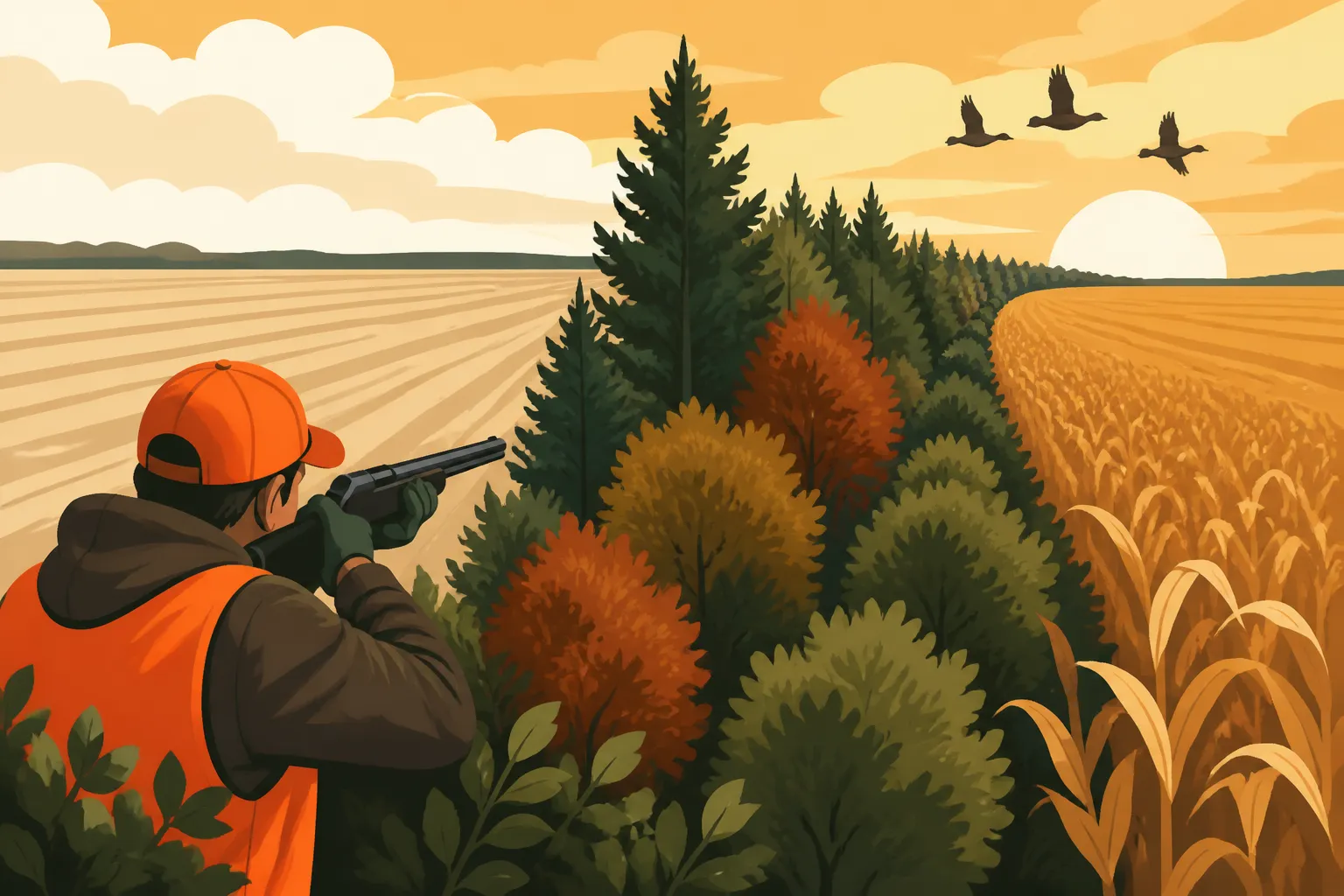
Hunting a Shelterbelt Between Two Fields
Many hunters, myself included, have been guilty of driving past seemingly insignificant strips of trees, fixated on the promise of sprawling bush or dense forest. We tell ourselves that big bucks live in big woods, often completely overlooking the incredible potential of a simple shelterbelt nestled between two agricultural fields. If you’ve ever dismissed these linear havens as merely windbreaks, thinking there's "no real deer habitat there," you're likely missing out on some fantastic, often less-pressured, hunting opportunities right here in Manitoba. This guide is dedicated to unlocking the secrets of effectively hunting a shelterbelt between two fields, transforming these unassuming lines of trees into your next go-to spot for whitetails.
Why Shelterbelts Are Whitetail Goldmines
Don't let the modest size of a shelterbelt fool you. What might appear to be a small stand of trees to us is often a lifeline for whitetail deer, especially in the vast, open agricultural landscapes that characterize much of Manitoba. These linear features are far more than just barriers against the wind; they are crucial components of a deer's daily life cycle, offering resources and safety in ways larger, more distant cover might not.
More Than Just a Windbreak
At their core, shelterbelts are natural (or often man-made) corridors that provide a variety of essential needs for deer. First and foremost, they offer critical cover. In areas dominated by cropland, a shelterbelt can be the only consistent visual barrier, allowing deer to move with a sense of security they wouldn't have in open fields. This cover isn't just for concealment; it provides thermal protection too. During the biting Manitoba winters, dense evergreens within a shelterbelt can offer respite from freezing winds and heavy snow, conserving a deer's vital energy. In the scorching heat of late summer, the shade cast by mature trees offers a cool haven.
Beyond simple cover, many shelterbelts contain a diverse mix of trees and shrubs that can double as food sources. Young saplings, various berries, and browse can supplement a deer's diet, making these areas not just a place to hide, but a place to eat. More importantly, shelterbelts act as vital travel corridors. They connect larger blocks of timber, isolated bluffs, or distant woodlots, allowing deer to travel safely between bedding and feeding areas. Imagine them as a whitetail's private highway, where they can travel undetected by predators (including hunters), especially during daylight hours when they'd otherwise be exposed in the open.
Strategic Importance in Agricultural Landscapes
In Manitoba's extensive agricultural zones, where immense fields of canola, wheat, corn, and soybeans stretch for miles, shelterbelts become absolutely indispensable to deer. They are often the only consistent, reliable cover available. Deer learn to rely on these narrow strips to navigate the landscape. They use them to move from their bedding areas, often in a distant woodlot or even within the shelterbelt itself, to the abundant food sources in the adjacent fields. This daily commute often occurs under the cloak of darkness or during the twilight hours, but shelterbelts provide enough security for daytime movement too, especially during the rut or under certain weather conditions.
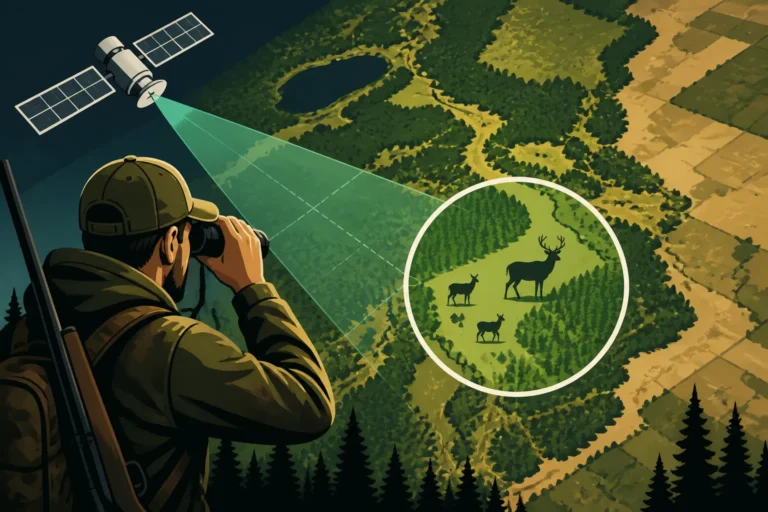
Think of a shelterbelt as a natural funnel or a pinch point. Because deer prefer to stay concealed, they will naturally gravitate towards these lines of trees when moving across open country. This concentrates their movement into predictable patterns, which is a huge advantage for hunters. The allure of the high-energy crops in nearby fields – a standing cornfield, a swathed barley field, or a lush alfalfa patch – makes these shelterbelts even more attractive. Deer will stage in the shelterbelt, waiting for darkness to fall before venturing into the fields, and then retreat back into its cover at first light. Platforms like GoHunt, with their detailed satellite imagery and property overlays, can reveal these crucial travel lanes and identify potential hotspots before you even set foot in the field, making them an essential scouting tool for hunters. These are not random walks in the park for deer; they are intentional, repeated movements, and understanding this is the key to successful hunting.
Reading the Sign and Scouting Your Shelterbelt
Before you can even think about setting up a stand or planning a stalk, effective scouting is absolutely critical. Hunting a shelterbelt successfully requires a keen eye for deer sign and a strategic approach to understanding how deer use this particular habitat. Without proper reconnaissance, you're just guessing, and guessing rarely puts venison in the freezer.
Initial Reconnaissance and Permission
The very first, non-negotiable step is securing permission if the shelterbelt is on private land. Many shelterbelts traverse private property, and respect for landowners is paramount. Never assume access; always knock on doors, introduce yourself, and clearly ask for permission. Be polite, offer to share meat, and assure them you will respect their land. This critical step sets the foundation for a safe and ethical hunt, and understanding Manitoba Landowner Permission Law is crucial. Building a good relationship with a landowner can open doors to not just one, but many hunting opportunities over the years.
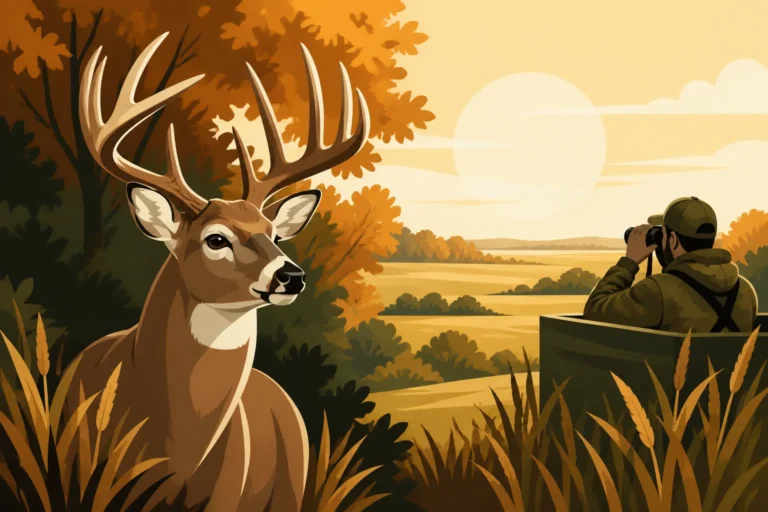
Once you have permission, or if you're targeting a shelterbelt on Crown Land, your initial reconnaissance begins. Utilize modern mapping tools and satellite imagery, such as those found on GoHunt, to get a bird's-eye view. Look for shelterbelts that connect larger pieces of cover, run alongside known bedding areas, or lead directly into prime feeding fields. Identify any bends, forks, or wider sections within the shelterbelt – these are often natural congregation points for deer. If crops are still standing, avoid walking directly through the shelterbelt or fields, as this can disturb deer and spoil your hunting efforts. Instead, glass from a distance, using binoculars or a spotting scope from a vantage point, looking for trails, deer movement, or where deer enter and exit the fields at dusk and dawn.
Interpreting Deer Sign Within the Belt
Once you've identified a promising shelterbelt and secured access, it's time to get boots on the ground (respectfully, after harvest or in areas where you won't disturb standing crops). Look for obvious deer sign. Start by checking the edges where the shelterbelt meets the fields. Are there well-worn trails entering or exiting? These are prime ambush points. Move into the shelterbelt itself, scrutinizing the trees and undergrowth.
Look for rubs, especially in the fall. Bucks will rub their antlers on saplings and small trees, leaving behind polished bark and fresh scent. These rubs indicate buck activity and can often lead you to scrape lines, which are areas where bucks clear the ground and urinate, signaling their presence to does. These are similar to the signs you'd look for when Reading Whitetail Sign in Manitoba Aspen, but concentrated in a linear fashion. Pay close attention to thicker pockets within the shelterbelt or areas with tangled brush; these are often bedding areas where deer feel secure. You'll find fresh droppings and distinct tracks in these areas. Look for parallel trails within the belt itself, indicating a preferred travel route along its length. The more fresh sign you find, the higher the likelihood of consistent deer activity.
Seasonal Scouting and Adaptations
Deer behavior, and therefore their use of shelterbelts, changes throughout the hunting seasons. Adapting your scouting and hunting strategies accordingly is paramount. In the early archery season (late August/September), deer are still largely patterned around summer feeding, seeking out fields of alfalfa, peas, or early-maturing corn. Look for trails leading directly to these fields. Using tools like GoHunt can help identify potential ambush points and historical activity patterns.
As the pre-rut and rut phases approach in late October and November, buck activity intensifies. Bucks will actively cruise these shelterbelts, scent-checking for does and leaving a flurry of rubs and scrapes. This is a fantastic time to hunt these corridors, as deer are often on the move during daylight hours. Understanding Hunting the Rut in Early to Mid November specifics for your GHA will guide your timing. During the late season (December and into January), thermal cover becomes the most important factor. Deer will seek out the densest parts of the shelterbelt, especially those with evergreens or thick brush, to escape the brutal Manitoba cold. Scouting in fresh snow during the late season can be incredibly revealing, as it highlights fresh tracks and active bedding areas. Deploying trail cameras year-round can be an invaluable asset, providing you with real-time intelligence on deer movement patterns without disturbing the area.
Effective Hunting Strategies for Manitoba Shelterbelts
Once you’ve done your homework and identified a promising shelterbelt, it’s time to put a hunting strategy into action. The unique, linear nature of shelterbelts calls for specific tactics that maximize your chances of success while minimizing detection.
Stand Placement and Approach
Proper stand placement is crucial. Your primary consideration should always be the wind. Deer have an incredible sense of smell, and a misplaced stand can ruin your hunt before it even begins. Always approach your stand or blind with the wind in your face or a consistent crosswind, ensuring your scent is carried away from where you expect deer to approach. It's often beneficial to have two or even three stand locations for a single shelterbelt, allowing you to adapt to varying wind directions.
When deciding where to hang a stand or place a ground blind, look for specific features:
- Pinch Points: Areas where the shelterbelt narrows, forcing deer into a smaller travel lane.
- Bends or Forks: Deer often slow down or pause at these natural junctions.
- Transition Zones: Where the shelterbelt changes in density, species of trees, or connects to other cover.
- Entry/Exit Points: Focus on where trails clearly lead into or out of adjacent fields.
- Active Sign: Place your stand near fresh rubs, scrapes, or heavy traffic trails.
Tree stands offer an elevated view, allowing you to see over brush and out into fields, while also helping to keep your scent dispersed above deer level. Ground blinds, on the other hand, provide excellent concealment and warmth, especially beneficial during colder late-season hunts. They also allow for quicker setup in areas where suitable trees for stands are scarce. Always consider your background; blend in with the natural surroundings. Similar principles apply here as when Hanging a Stand on a Manitoba Bush Edge, but with a greater emphasis on anticipating movement along a narrow corridor.
Timing Your Hunts
The timing of your hunt in a shelterbelt is almost as important as stand placement. The classic "golden hours" of first and last light are consistently productive, as deer move between bedding areas (often within or near the shelterbelt) and feeding grounds in the adjacent fields. However, don't dismiss mid-day hunting, especially during the rut. Bucks will actively cruise these corridors at any time of day searching for receptive does.
Weather can also play a significant role. Overcast days, light rain, or even a gentle snow can encourage deer to move more freely, as they feel more secure under these conditions. Strong winds, surprisingly, can also improve hunting, as the swirling air might confuse a deer's sense of smell, and the noise of the wind can mask your approach or movements. Knowing Manitoba Whitetail Season Dates by GHA will help you align your efforts with the peak times for deer activity in your specific hunting zone. Be patient, stay alert, and be prepared to sit for extended periods; deer in shelterbelts can be incredibly wary.
Still-Hunting and Drives With Caution
While stand hunting is often the most effective method, still-hunting or carefully executed small drives can also be successful in shelterbelts. Still-hunting involves moving incredibly slowly and deliberately through the shelterbelt, pausing frequently to scan for deer. This method works best in longer, denser, or more winding shelterbelts where you can take advantage of cover to move undetected. Focus on moving into the wind, placing each footstep carefully, and using your binoculars constantly to pick apart the cover ahead. Look for horizontal lines (a deer's back) or vertical lines (legs) that break up the natural patterns of the trees.
Small drives, typically involving one or two hunters, can be effective in pushing deer out of a shelterbelt towards waiting standers. One hunter acts as the "pusher," slowly walking through the belt, while others are positioned at strategic exit points or pinch points. Extreme caution and clear communication are paramount for drives. Everyone involved must know each other's exact positions at all times, wear blaze orange, and have a clear understanding of shooting lanes and backgrounds. Always be aware of what lies beyond the shelterbelt – roads, residences, or other hunters. Ensure your chosen firearm is legal and appropriate for the area, understanding Legal Rifle Calibres for Big Game and adhering to all safety regulations. This method is best reserved for situations where you have confirmed deer are bedding in the shelterbelt and you have full control over the area.
Safety and Ethical Considerations When Hunting Shelterbelts
Hunting shelterbelts, while potentially very productive, also comes with unique responsibilities and safety considerations, primarily due to their proximity to agricultural operations, roads, and residences. A commitment to safety and ethical conduct is non-negotiable.
Respecting Landowners and Boundaries
We've already emphasized getting permission, but maintaining excellent landowner relations goes beyond that initial request. Always reconfirm permission annually, especially if the landowner's farming operations or preferences might have changed. Be acutely aware of property lines and use mapping applications, like GoHunt, with property boundary overlays to ensure you never inadvertently trespass. Nothing sours landowner relations faster than a hunter crossing boundaries without permission.
Remember that hunting near private dwellings, farm buildings, or livestock often has specific legal setbacks. Always be familiar with these local regulations to ensure safety for people and animals. If you down an animal that runs onto adjacent private land where you don't have permission, you must seek permission from that landowner before attempting retrieval. Showing this respect, even in a high-pressure moment, reflects positively on all hunters. Being a good steward of the land, just like when Getting Permission for a Goose Field, means picking up all your garbage, closing gates, and avoiding damage to fences or crops. These small actions speak volumes and help secure future hunting access.
Responsible Shot Placement and Background
Due to the often dense nature of shelterbelts and their proximity to open fields or populated areas, exercising extreme caution with every shot is imperative. Visibility can be limited, and while you might have a clear shot at a deer, you must always be absolutely certain of your target and, crucially, what lies beyond it. Never take a shot if there's any doubt about identifying the animal or if your background isn't safe. Bullets can travel much farther than you think, especially a high-powered rifle round.
Always practice good shooting habits, taking ethical, clean shots that result in a quick, humane kill. Be aware that sounds can travel differently and be muffled in dense cover, so be mindful of nearby residences. If you're hunting a shelterbelt that borders a more open agricultural area, refer to broader guidelines for Hunting Whitetails on Manitoba Farmland to ensure you're aware of any specific regulations or best practices for that environment. Prioritize safety over taking a risky shot; no deer is worth endangering a person, livestock, or property.
Minimizing Impact and Maintaining Integrity
Beyond safety, ethical hunting in shelterbelts means minimizing your impact on the environment and the surrounding landscape. Pack out everything you pack in – spent shell casings, food wrappers, flagging tape, and anything else you brought with you. Leave no trace of your presence. Avoid causing damage to trees, fences, or standing crops.
When retrieving a downed animal, do so as respectfully and discreetly as possible. Field dressing can be done in a way that is out of sight and minimizes any disturbance to the landowner or other land users. The size of a mature Manitoba whitetail can be substantial, and understanding What a Big Manitoba Whitetail Weighs will help you prepare for the effort required to extract it efficiently and cleanly. If you need to quarter an animal or use a game cart, do so with care to avoid creating unnecessary mess or leaving a negative impression. Your actions reflect on the entire hunting community, and upholding a high standard of integrity ensures these valuable hunting opportunities remain available for years to come.
Hunting a shelterbelt between two fields offers a unique and often highly rewarding experience for Manitoba hunters. While these linear strips of cover may not possess the sprawling grandeur of the boreal forest, they are often overlooked superhighways for whitetails, especially in agricultural zones. By diligently understanding deer behavior within these narrow confines, conducting thorough scouting, implementing smart stand placement, and maintaining an unwavering commitment to safety and ethics, you can transform these seemingly simple features into consistent producers. Don't let their modest appearance deceive you; a well-hunted shelterbelt can yield some of Manitoba's finest deer, proving that sometimes, the best hunting spots are indeed found in plain sight.
Disclaimer
Please be aware that hunting regulations can change frequently. It is the responsibility of every hunter to consult the most current Manitoba Hunting Guide and any relevant local bylaws before heading into the field. This article is intended for informational purposes only and should not be considered a substitute for official government regulations.