Hunting Bear on a Late August Bait
Late August bear hunting in Manitoba can be a real head-scratcher. Just when you think you've got them figured out from early season patterns, the bears start behaving differently, often becoming more nocturnal and wary as natural food sources become abundant. This guide is all about helping you adapt your baiting strategies and hunting tactics to successfully connect with a bruin when the summer is winding down and autumn is just around the corner.
Understanding Late August Bear Behavior in Manitoba
By late August, Manitoba's black bears are in a significant transition phase, and recognizing these shifts is crucial for any hunter hoping to fill a tag. Their primary focus remains packing on calories for the upcoming denning period, but how they achieve that changes dramatically.
The Shifting Diet and Abundant Natural Food Sources
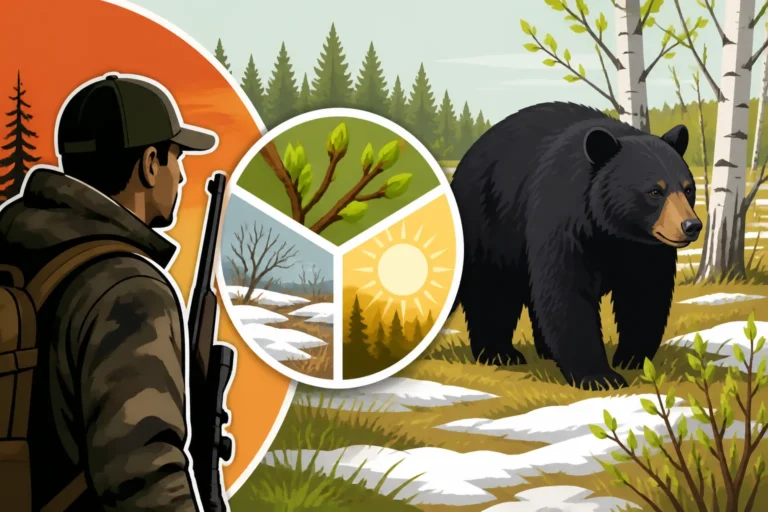
Earlier in the season, particularly in spring and early summer, bears are often driven by protein and anything remotely edible after emerging from hibernation. They might hit baits aggressively as easily accessible food is scarce. However, late August presents a veritable buffet of natural foods across Manitoba's varied landscapes. Think about the rich berry crops — saskatoons, blueberries, pin cherries, and chokecherries. Hazelnuts start ripening, and across the agricultural belts, standing crops like oats, barley, and even corn become incredibly attractive.
This abundance means your bait site, which might have been a hot spot in July, now faces stiff competition. Bears aren't as desperate; they have choices. This can lead to them being pickier about what they eat at your bait or simply visiting less frequently. It's not uncommon for a bear to take a quick bite of your offerings, then disappear into a field of ripened grain for the rest of the night. You'll need to think like a bear with a full pantry – what will make them choose your treat over all the others?
Increased Nocturnal Activity and Wariness
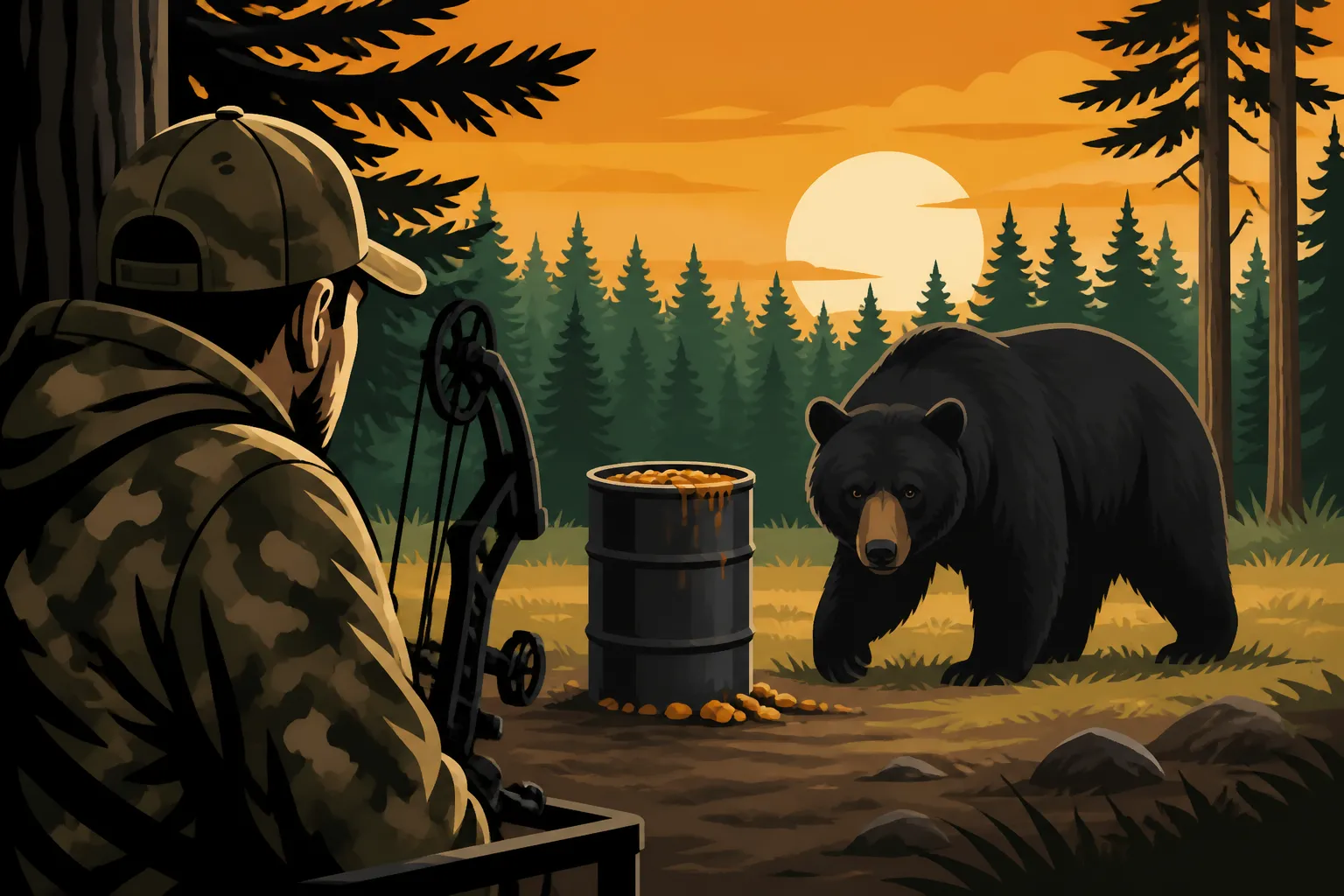
As the days shorten and summer heat persists, many bears become increasingly nocturnal. This isn't just about avoiding hunters; it’s also a strategy to beat the heat, especially during a warm Manitoba August. They might feel more secure moving under the cover of darkness, hitting natural food sources and your bait in the coolest parts of the night. This is one of the most frustrating aspects of late season bear hunting, seeing your trail cameras packed with huge boars, but only between midnight and 5 AM.
Beyond the heat, bears have also likely encountered human activity throughout the summer. Maybe they've crossed paths with hikers, campers, or even other hunters. They’ve become more educated and cautious. Older, larger boars, especially, are masters of evasion and will often only approach a bait after careful scrutiny, usually from downwind, and often well after sunset or just before sunrise. This heightened wariness means your approach, scent control, and stand placement become even more critical than they were in the early season.
Optimizing Your Late August Bait Site
Setting up a successful late August bait site isn't just about throwing out some goodies; it's a strategic operation that requires careful thought about location, ingredients, and consistency.
Strategic Location and Site Selection
Even if you’ve had an active bait earlier in the season, it’s worth re-evaluating its effectiveness for late August. Bears are constantly on the move, especially if natural food sources pop up in a new area. Look for locations that offer bears three key things: food, water, and dense cover for bedding. Consider areas near natural travel corridors like old logging roads, creek bottoms, or the edges of dense bush leading to agricultural fields. For example, Hunting an Old Logging Road in the North can be highly effective, as these pathways provide easy travel and access to different habitat types. Similarly, a well-placed bait near a Hunting a Boreal Muskeg Edge might draw bears that are naturally foraging in that unique habitat.
When selecting your exact spot, ensure there's thick, secure cover within easy reach of the bait. Bears, particularly the mature ones, want to feel safe. They'll often approach a bait from within the cover, sticking to the shadows as long as possible. Also, consider prevailing winds. You want your stand to be downwind of where you expect the bear to approach, and ideally, downwind of the general area you anticipate bears coming from. This minimizes the chances of your scent drifting over the bait or into their approach path. If you're using a planning tool like GoHunt, take advantage of its mapping features to pinpoint these critical areas and mark out potential stand locations and approach routes.
Bait Ingredients and Scent Control
Your bait choice in late August is absolutely critical because you're competing with nature's bounty. While early season bears might eat anything, late season bears are often looking for high-calorie, sugary foods to fuel their fat reserves. Prioritize sweet, aromatic, and easily digestible items.
- Sweet Carbs: Doughnuts, pastries, stale bread soaked in molasses or corn syrup, sugary cereals, and even candy work wonders. These provide the quick energy and high sugar content bears crave.
- Grease/Oil: Used fryer grease from restaurants is a goldmine. Its strong smell and high-fat content are irresistible. Pour it over stumps, logs, or even on the ground to create a long-lasting scent trail.
- Strong Scents: Anise oil, vanilla extract, and even commercial bear attractants can significantly boost your bait's appeal. Drip these on trees or cloths around the bait site to extend the scent cone.
Here's a quick comparison of baiting strategies:
| Feature | Early Season Baiting (Spring/Early Summer) | Late Season Baiting (Late August/Early Fall) |
|---|---|---|
| Bear Diet Focus | Protein, easily accessible food | High-calorie, sweet carbs, fat |
| Bait Attractiveness | High, bears are hungry | Medium to High, competing with natural foods |
| Preferred Bait | Meat scraps, dog food, oats | Doughnuts, pastries, molasses, fryer grease |
| Bear Activity | Often diurnal, less wary | More nocturnal, highly wary, educated |
| Baiting Frequency | More frequent, smaller amounts | Less frequent, larger amounts, consistent |
| Scent Dispersal | Important for initial attraction | Critical for consistent draw, long-range |
| Scouting Tool | Trail cameras for initial activity | Trail cameras for timing and approach patterns |
Scent control isn't just about your body; it's about everything you bring to the bait site. Wear rubber boots, gloves, and dedicated "bait clothes" that are kept away from your hunting clothes. Approach your bait with the wind in your face and take a different path out. Minimize time spent directly at the bait. The goal is to leave as little human trace as possible, making the bears feel secure enough to visit during daylight.
Consistency and Stealth in Bait Management
Consistency is king, but stealth is queen, especially in late August. Bears respond well to a reliable food source. Once you start baiting, stick with it. This might mean less frequent visits (every 2-3 days instead of daily) but dropping larger quantities of bait each time to ensure it doesn't run out between visits. Baiting Black Bear in Manitoba is a commitment, and late season only amplifies that.
Your visits should be quick, quiet, and efficient. Avoid talking, unnecessary noise, or stomping around. Use a quad or vehicle only to the point where it becomes counterproductive to stealth, then walk in. Check your trail cameras quickly, replenish the bait, and get out. The less disturbance you cause, the more comfortable the bears will become visiting during legal shooting light. Trail cameras are invaluable tools here, allowing you to monitor activity without being physically present. They can tell you exactly when bears are hitting the bait and from where they are approaching. This data is critical for fine-tuning your stand placement and timing.
Hunting Strategies for Wary Late Season Bears
Once your bait site is optimized and active, the real game begins: getting a shot opportunity on a wary late-season bear.
Patience and Persistence in the Stand
Late August bears are notorious for being cagey. They might come in cautiously, skirt the edges of the bait, or wait for the absolute last minutes of legal shooting light. This means your patience needs to be ironclad. Expect longer sits. Instead of just showing up for the last two hours of daylight, consider getting into your stand mid-afternoon, especially if you have a cooler day or the trail cameras show earlier activity. A full afternoon sit allows the woods to settle down after your approach and gives bears ample time to approach feeling secure.
Dressing comfortably for varying temperatures is key. Late August afternoons can still be warm, but evenings can cool off quickly, especially under cloud cover. Ensure your stand setup is comfortable enough for extended periods, as fidgeting or shifting too much can give you away. Remain vigilant, scanning not just the bait but the surrounding cover for any movement or tell-tale black mass.
Reading Sign and Adapting to Bear Patterns
Your trail cameras are your best friends for Hunting Bear on a Late August Bait. They reveal patterns you'd never observe otherwise. Pay close attention to:
- Visit Times: Are bears primarily nocturnal? If so, are there any that show up even an hour before sunset? Focus your sits around those times.
- Approach Paths: Do bears consistently come from a certain direction? This helps confirm your wind strategy and informs potential stand adjustments.
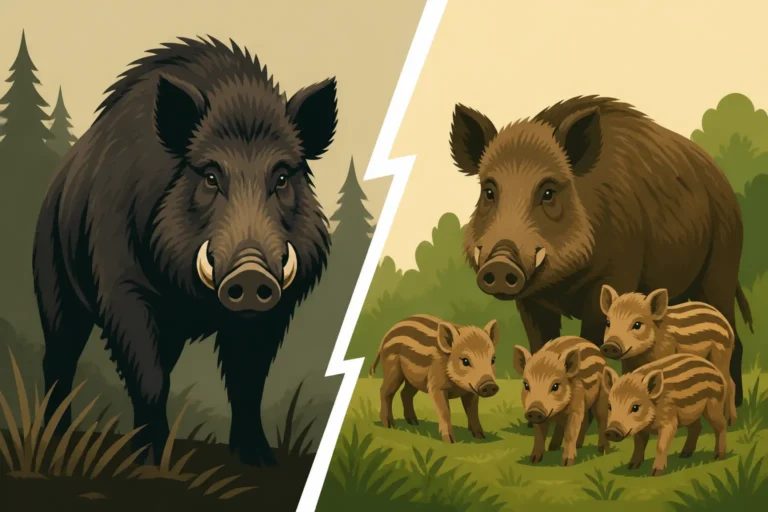
- Bear Identification: Are you seeing the same bear repeatedly? Is it a sow with cubs (which you absolutely should not shoot)? Is it the big boar you're after? Familiarize yourself with the bears visiting your bait. Learning Judging a Boar From a Sow With Cubs is paramount for ethical hunting, and trail camera images are perfect for this practice. You might even capture some stunning Colour Phase Black Bears in Manitoba that visit your site.
If your trail cameras show primarily nocturnal activity, you might need to adjust. Can you move your stand closer to a known bedding area if that's where the bear is coming from? Can you sweeten the bait even further to make it irresistible for a daylight visit? Don't be afraid to tweak your strategy based on the intelligence your cameras provide.
Addressing Bait Shyness and Pressure
Bait shyness is a common problem with educated late-season bears. They might visit the bait but refuse to commit, hanging up in the thick cover just out of range, or only approaching after dark. This often happens if they've smelled human scent, heard unusual noises, or simply felt pressured.
If you suspect bait shyness:
- Give it a Break: Sometimes, pulling out for 3-5 days and letting the site "rest" can reset the bears' comfort level. During this time, the bait continues to draw them, but without human presence, their wariness might subside.
- Change the Bait: Introduce a new, highly attractive bait ingredient. A novel scent or flavour might pique their curiosity and draw them in closer.
- Re-evaluate Stand Location: If a bear is consistently hanging up at a certain distance, your stand might be too far, or it's in a spot where your scent is reaching them. Consider moving to an alternative location that offers a better wind advantage or closer shot.
- Minimize Movement and Noise: From the moment you approach your stand until you leave, every action should be deliberate and quiet. Even minor movements or rustles can spook a wary bear.
Gear and Safety Considerations for Late Season Hunts
Beyond strategy, having the right gear and prioritizing safety are non-negotiable for a successful and enjoyable late August bear hunt.
Essential Gear for Warm Weather and Bugs
Late August in Manitoba can still be surprisingly warm, often with significant swings between daytime highs and nighttime lows. This means layering is essential. Think lightweight, breathable camouflage for warmer afternoons, with warmer layers to add as evening cools. Bugs, especially mosquitoes and deer flies, can still be a major nuisance, particularly around damp areas or at dusk.
- Bug Protection: A ThermaCELL unit is practically mandatory for stand hunting. Combine this with bug spray (with DEET or picaridin) and possibly a head net, especially for walks in and out.
- Hydration: Bring plenty of water. Dehydration can lead to poor decision-making and discomfort, especially during long sits.
- Optics: Good quality binoculars are critical for spotting bears in low light and for properly Judging a Boar From a Sow With Cubs before taking a shot.
- Flashlight/Headlamp: Essential for walking in before dawn or out after dark. Always carry extra batteries.
Firearm and Archery Considerations
Manitoba has specific regulations regarding legal firearms and bows for big game hunting. Generally, for firearms, you'll want a rifle capable of delivering sufficient energy for a quick, humane kill on a large animal like a bear. Common calibers include .270, .30-06, .308, and various magnum cartridges. For archers, ensure your bow meets the minimum draw weight requirements (usually 40 lbs for compounds/recurve bows) and that you're using broadheads designed for big game.
Practice, practice, practice! Know your effective range and stick to it. Bears can present small vital zones, and a precisely placed shot is paramount. Ensure your firearm is sighted in, or your bow is tuned, and that you're confident in your shot placement under hunting conditions.
Meat Care in Varying Temperatures
Successfully harvesting a bear is only half the battle; ensuring the meat is properly cared for is equally important, especially when late August temperatures can still be quite warm. Bear meat, like any wild game, needs to be cooled rapidly to prevent spoilage.
- Rapid Field Dressing: As soon as you've confirmed the bear is down and expired, field dress it thoroughly. Remove all internal organs, including the windpipe and esophagus. This immediately starts the cooling process.
- Skinning: If possible, skin the bear immediately. The hide retains a tremendous amount of heat. If you can't skin it on the spot, get it to a cooler location or processing facility as quickly as possible.
- Cooling and Airflow: Once field dressed and possibly skinned, prop the carcass open to allow maximum airflow. Hang it if you can. If you need to transport it, ensure it's not simply piled into the back of a truck, trapping heat. Use tarps and ice if necessary, but avoid submerging it directly in water. Even though this isn't "deep winter cold," the principles of Meat Care in Manitoba's Cold Snaps regarding rapid cooling and cleanliness are absolutely vital.
Remember to be aware of Manitoba Bear Season Dates and adhere strictly to all provincial regulations. Good planning and adherence to ethical hunting practices will ensure a rewarding late August bear hunt.
Disclaimer
Hunting involves inherent risks, including but not limited to injury, wildlife encounters, and unforeseen environmental hazards. Always prioritize safety, adhere to all local regulations, and hunt responsibly. The information provided in this guide is for informational purposes only and should not replace professional guidance or official government resources.