Hunting Along an Old Trapline Cut
Navigating Manitoba's vast bush can feel like an impossible puzzle when you're searching for those elusive pockets of game. Many hunters get frustrated, sticking to well-worn trails or field edges, completely overlooking the hidden highways animals frequent. This guide is here to unravel the secrets of hunting along old trapline cuts, offering you a fresh perspective on finding and ambushing game in these often-forgotten backcountry corridors.
Why Old Trapline Cuts Are Prime Hunting Grounds
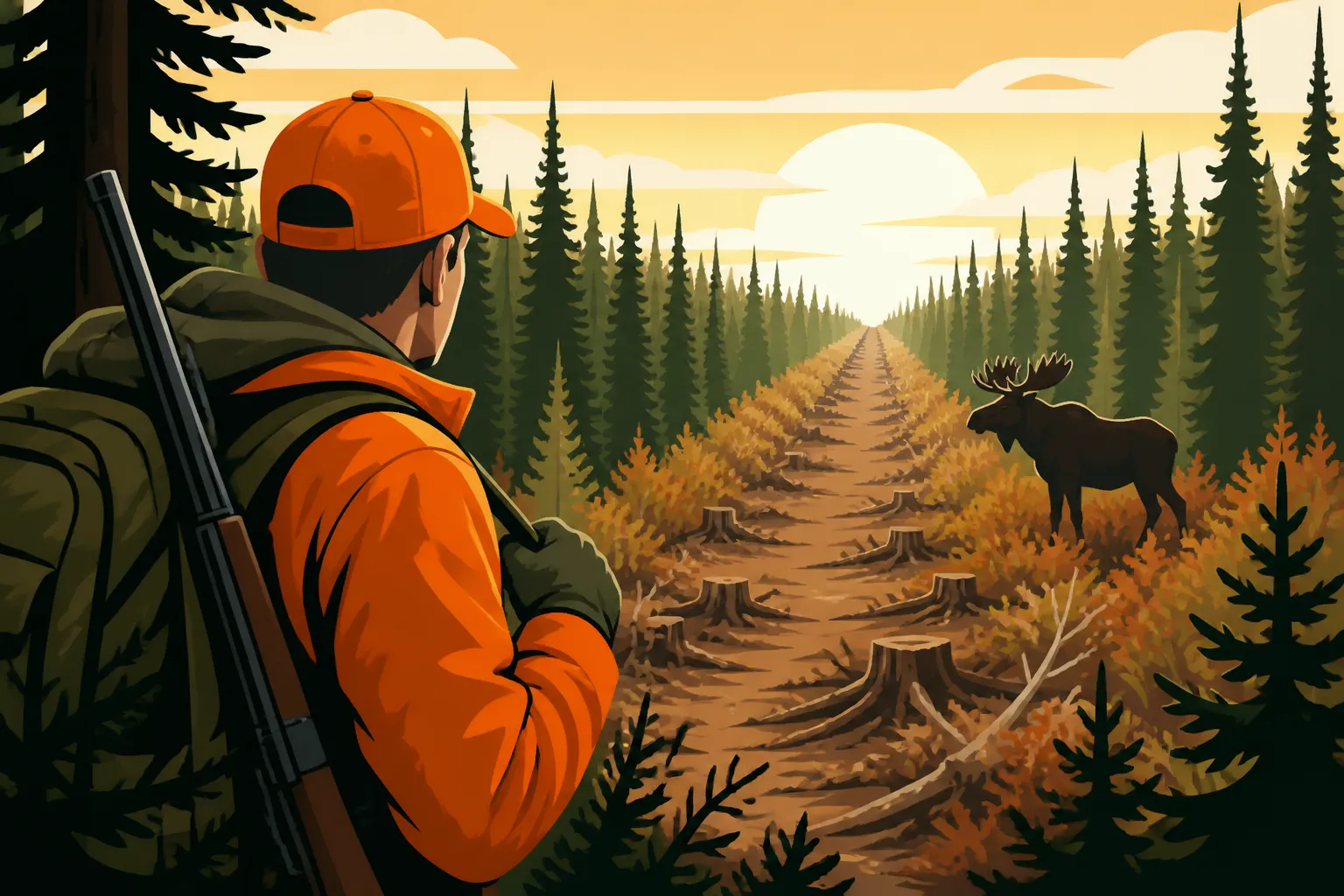
Old trapline cuts might not look like much at first glance, just overgrown paths fading into the forest, but for a seasoned hunter, they represent an incredible opportunity. These linear clearings, originally established decades ago for trappers to access their lines, offer a unique combination of cover, food, and ease of travel for wildlife. Understanding why these seemingly insignificant features are so vital is the first step to unlocking their potential.
Natural Travel Corridors for Big Game
Think about how much energy an animal expends pushing through thick bush versus walking a slightly more open path. Old trapline cuts, even when partially reclaimed by nature, provide a much easier route. Deer, moose, and bear will instinctively use these clearings to move from bedding areas to feeding grounds, or simply to traverse their territory. These cuts become their highways, especially during the low light hours of dawn and dusk. They offer a direct line, reducing exposure while still providing a relatively clear path. A deer looking to get from a dense spruce thicket to a willow-choked feeding area might follow a trapline cut for hundreds of yards, making them predictable travel routes for the observant hunter.
Edge Habitat and Enhanced Forage
The edges created by these old cuts are a magnet for wildlife. Any linear opening in a forest, even a narrow one, creates what biologists call "edge habitat." This is where two different habitat types meet – in this case, the dense forest and the slightly more open cut. These transition zones are incredibly productive. Sunlight penetrates deeper, encouraging the growth of browse, saplings, and berry bushes that game animals love to munch on. You'll find young aspen, willow, and various shrubs thriving along these edges, providing crucial forage for deer, moose, and even ruffed grouse. Bears will frequent these areas in spring for new growth and later in the season for berries. This enhanced food supply, coupled with easy travel, makes the trapline cut not just a path, but a dynamic feeding ground and a safe haven, particularly in areas where a lack of natural clearings exists.
Undisturbed Areas and Strategic Cover
One of the biggest advantages of old trapline cuts is that many of them are simply forgotten. Unlike active logging roads or well-maintained trails, trapline cuts are rarely used by the general public, and sometimes even less by other hunters. This means less human disturbance, making animals feel more secure. They provide strategic cover because the dense forest on either side offers immediate refuge. An animal moving along a cut can quickly melt into the timber if they sense danger. This balance of open travel and immediate security makes them ideal locations for animals to feel safe while moving. This is especially true for mature bucks or wary bulls who have learned to avoid areas with high human activity.
Reading the Landscape Around Trapline Cuts
Finding an old trapline cut on a map is one thing; understanding what makes a particular section of it productive is another. This requires a keen eye for detail and an understanding of how animals interact with their environment. Effective scouting is paramount, blending map study with boots-on-the-ground observation.
Identifying Promising Sections with Mapping Tools
Before you even step foot in the bush, modern mapping tools like GoHunt are indispensable. They allow you to pour over satellite imagery and topographic maps, identifying potential trapline cuts that aren't obvious on standard recreational maps. Look for subtle linear disturbances in the canopy, especially those that connect different habitat types – perhaps a dense spruce swamp to an aspen ridge, or a large clear-cut from years ago to an untouched block of timber. These connections are key. Pay attention to how these cuts intersect with natural features like creek bottoms, changes in elevation, or the edges of marshes or swamps. A cut that crosses a beaver dam crossing can be a phenomenal funnel for all sorts of game. A great strategy is to identify several potential cuts that run through areas of public hunting land in Manitoba or even remote sections of provincial forests and then plan your scouting trips.
Visual Cues and Animal Sign
Once you're on the ground, the real detective work begins. Walk the trapline cuts, but also parallel them from a distance within the forest, looking for activity. The most obvious signs are fresh tracks – deer, moose, or bear – indicating recent use. Look for scat, which can tell you what they've been eating and how recently they've passed through. Scrapes and rubs along the edges are undeniable evidence of whitetail activity, especially in the weeks leading up to and during the rut. In spring or early fall, look for overturned rocks or torn-up stumps if bears are in the area, signaling their search for insects and grubs. Pay close attention to the vegetation; fresh browse on young saplings, especially willow or aspen, indicates feeding activity. Learning to differentiate between moose and deer browse can narrow down your target species. For hunters new to deciphering these clues, a guide on Reading Whitetail Sign in Manitoba Aspen can be incredibly useful.
| Animal Species | Common Signs Along Trapline Cuts | Prime Season to Look |
|---|---|---|
| Whitetail Deer | Tracks, rubs on saplings, scrapes, fresh droppings, chewed browse | Fall (especially rut), Winter |
| Moose | Large tracks, debarked trees (moose sign), heavy browse on taller saplings, large scat | Year-round, but noticeable in winter |
| Black Bear | Tracks, scat (often berry-filled in summer/fall), claw marks on trees, overturned logs | Spring, Summer, Fall |
| Wolf/Coyote | Tracks, scat (often with hair), occasional territorial markings | Year-round, more visible in snow |
| Ruffed Grouse | Dust baths, droppings, visible drumming logs, tracks in snow | Spring, Summer, Fall |
Effective Hunting Strategies for Trapline Cuts
Once you've identified a promising trapline cut, the next step is developing a solid hunting strategy. This will vary depending on your target species, the time of year, and your preferred hunting method, but the core principle remains the same: leverage the predictability of these travel corridors.
Stand Placement and Still Hunting Tactics
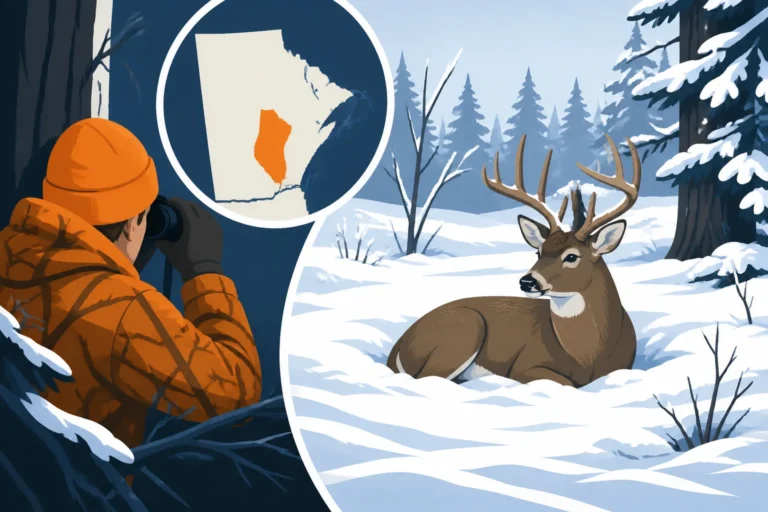
For whitetail deer, especially during Hunting the Rut in Early to Mid November, a well-placed treestand or ground blind along a trapline cut can be deadly. Look for sections where the cut narrows, where it intersects with a natural funnel like a ridge or a creek, or where it passes close to a bedding area. Placing your stand downwind, overlooking a section of the cut that shows heavy sign, is crucial. For still hunting, move slowly and deliberately along the cut, pausing frequently to glass ahead and to the sides. Use the cover of the timber parallel to the cut to your advantage, slipping through the woods and occasionally peeking out onto the cut itself. This allows you to surprise animals using the cut without alerting them to your presence. Remember, patience is key.
Using Calls and Scents
Trapline cuts are excellent places to incorporate calling and scent strategies. For deer, rattling antlers or using a grunt tube can be highly effective, especially if you set up your stand within view of the cut. The sound travels well along the linear opening, mimicking deer activity and potentially drawing in curious bucks checking for rivals or does. Consider using doe estrus scents strategically placed on either side of the cut to draw deer past your shooting lane. For moose, cow calls can be incredibly effective when Calling a Bull Moose in the Rut, drawing them out of the thick timber to investigate. Similarly, bear hunters using baits near trapline cuts often find bears approaching along these natural paths, making for predictable shot opportunities. Always be mindful of wind direction when using calls and scents to avoid alerting game to your position.
Timing Your Hunt and Dealing with Weather
Timing is everything when hunting trapline cuts. During the peak of the rut for deer, animals are moving more frequently and less cautiously, making these corridors incredibly active. In early morning and late evening, animals will be moving between bedding and feeding areas, making these the prime times to be in your stand. Weather also plays a significant role. A fresh snowfall can reveal a wealth of information about animal movement, making it easier to track and predict where deer might be bedding down, as detailed in Reading Sign After a Fresh Snow. Conversely, extreme cold might push animals to seek thermal cover closer to the cuts, or even use them to find sheltered feeding areas. Always be prepared for Manitoba's unpredictable weather, especially when hunting in late season. A proper Winter Truck Kit for a Manitoba Hunt is essential.
Safety and Ethical Considerations on Trapline Cuts
Hunting along trapline cuts, especially in more remote areas, comes with its own set of responsibilities and challenges. It’s imperative to prioritize safety, practice ethical hunting, and respect the land and its resources.
Knowing Your Location and Land Access
Always be acutely aware of your surroundings and land ownership. While many trapline cuts are found on Crown Land, some may cross private property. It is your responsibility to know exactly where you are at all times. Using a reliable GPS and mapping app like GoHunt that shows land ownership boundaries is non-negotiable. If a trapline cut does cross private land, you must obtain permission from the landowner before hunting or even accessing it. Ignorance of boundaries is not an excuse. Refer to What Manitoba Trespass Law Requires for detailed information on landowner permissions. Respecting property rights ensures that future access for all hunters remains possible.
Hunter Safety and Awareness
The dense bush surrounding many trapline cuts means visibility can be limited, even on the cut itself. Always wear sufficient blaze orange as required by How Much Blaze Orange Manitoba Requires during rifle seasons, and be 100% certain of your target and what lies beyond it before taking any shot. When moving through these areas, consider the possibility of encountering other hunters, especially if the area isn't extremely remote. Carry a first-aid kit, communication device (satellite messenger if cell service is unreliable), and emergency supplies. Be mindful of wildlife, especially bears, particularly when still hunting or retrieving game. Always let someone know your hunting plan, including your specific location and expected return time.
Ethical Harvesting and Meat Care
Once you've successfully harvested an animal, ethical game recovery and meat care become paramount. Because trapline cuts can be some distance from vehicle access, be prepared for a potentially difficult pack-out. Have a plan for field dressing and cooling your animal quickly, especially if temperatures are mild. Improper meat care can lead to spoilage, which is an unfortunate waste of a valuable resource. For more in-depth knowledge on ensuring your harvest is cared for properly, check out resources on Meat Care in Manitoba's Cold Snaps. Always validate your tag immediately after harvesting an animal, as required by Manitoba regulations.
Disclaimer
The information provided in this guide is for general informational purposes only and does not constitute legal advice. Hunting regulations in Manitoba can change, and it is the responsibility of every hunter to consult the most current Manitoba Hunting Guide and relevant provincial regulations before engaging in any hunting activities. Always prioritize safety and ethical practices in the field.