Hunting the Pembina Valley Slopes
Hunting the Pembina Valley slopes can feel like stepping into a different world compared to Manitoba's typical flat prairie. The rolling hills, deep ravines, and pockets of dense timber present both a challenging and incredibly rewarding experience, often leaving hunters scratching their heads about how to approach such unique terrain. This guide is here to break down the complexities, offering practical advice and insights to help you navigate these beautiful, yet demanding, hunting grounds and truly understand the nuances of the Pembina Valley.
Understanding the Pembina Valley's Unique Terrain for Hunting
The Pembina Valley is a distinct geographical feature in south-central Manitoba, a dramatic departure from the endless horizons many hunters are accustomed to. It’s a place where the landscape itself dictates much of the hunting strategy, and ignoring its characteristics is a surefire way to come home empty-handed.
The Landscape and Its Influence on Game
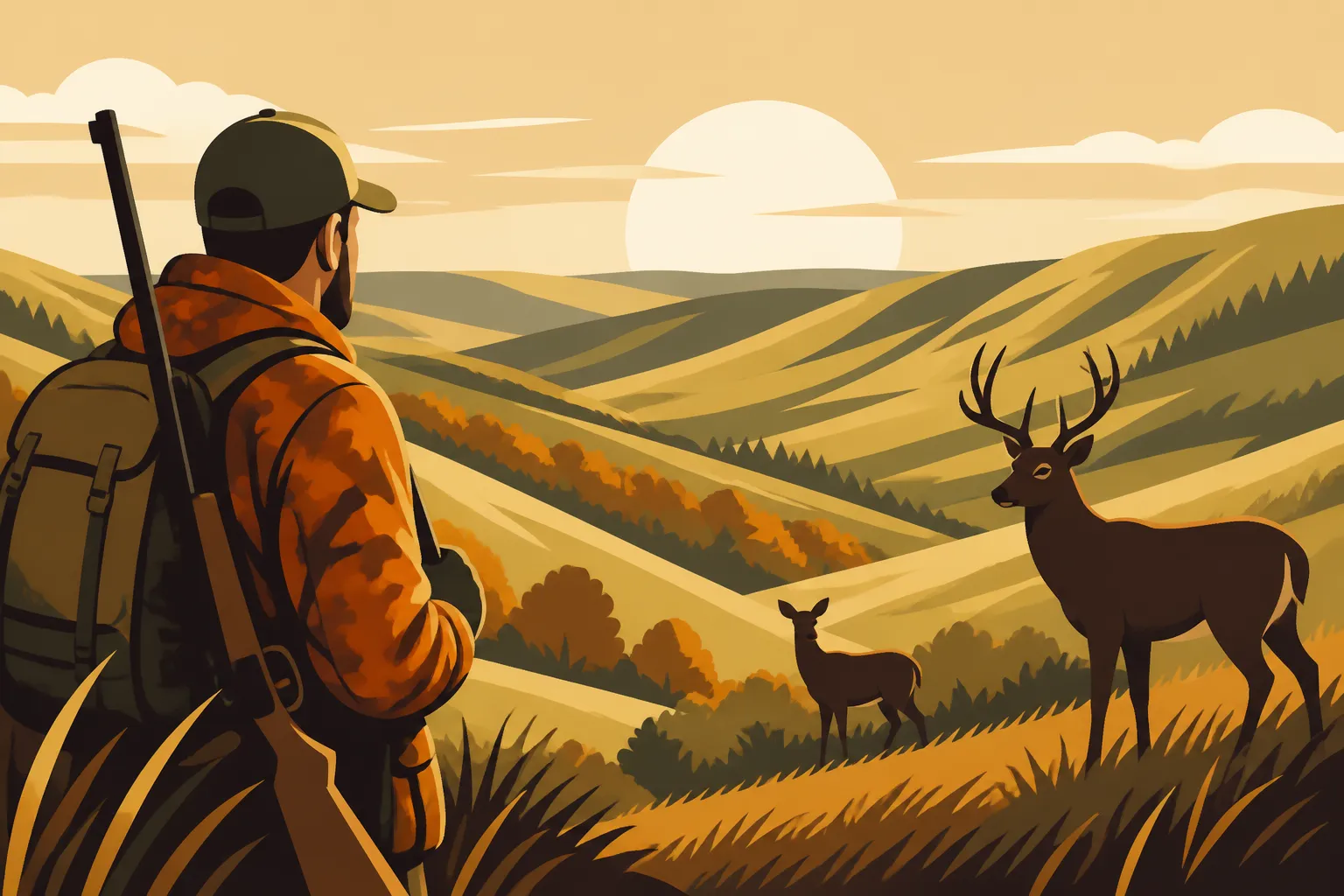
Unlike the flat agricultural fields, the Pembina Valley is characterized by steep river banks, deep ravines, and significant elevation changes. The Pembina River, winding through the valley, has carved out a complex system of bluffs and coulees that create microclimates and distinct habitat zones. These dramatic elevation changes mean that deer, for example, will use thermal cover differently than their prairie counterparts. They'll often bed on south-facing slopes in cold weather to catch the sun's warmth, or seek north-facing slopes for cooling breezes during early season heat. The intricate network of hills and valleys also channels wind in unpredictable ways, making scent control even more critical and challenging. Understanding these nuances is paramount.
The valley floor itself often consists of mixed agricultural lands and low-lying brush, while the slopes transition into dense stands of aspen, oak, and other hardwoods, intermingled with thorny thickets. This patchwork creates an incredible amount of edge habitat, which, as any seasoned hunter knows, is prime territory for a variety of game. Learning to read these transitions, from open fields to dense bush, and how they relate to the terrain, is key to success. This varied terrain also means you'll need to be in good physical condition; still-hunting or tracking game here is a far more strenuous endeavor than walking a flat stubble field.
Key Habitat Features
Within the Pembina Valley, certain habitat features consistently draw and hold game, and recognizing them is half the battle. Think about how deer, for instance, utilize the landscape for food, cover, and travel.
The bluffs that rise sharply from the valley floor offer incredible vantage points for deer, allowing them to survey their surroundings. These elevated positions also provide thermal cover from harsh winds. Below the bluffs, deep, brushy ravines, often called coulees, act as natural travel corridors and bedding areas. These hidden draws offer seclusion and protection, making them ideal for deer to escape pressure or bed down during the day. Water sources, often springs or small trickles feeding into the Pembina River, are scattered throughout these ravines and become critical attractants, especially in drier years. Identifying these draws and knowing how to approach them quietly is vital.
Another significant feature is the presence of agricultural fields bordering the valley. These fields, whether standing corn, soybeans, or winter wheat, provide abundant food sources. Deer will stage in the timbered edges of the valley, moving into these fields under the cover of darkness to feed. Hunting the transitions, such as a bluff between two fields, or a field of standing corn on the valley edge, can be incredibly productive, especially during the early and late hours. Furthermore, areas with dense willow growth or old-growth aspen often provide preferred bedding. Scouting these areas using tools like GoHunt or other satellite imagery before the season can help you identify these key zones from afar, saving valuable time on the ground.
Primary Game Species and Their Behaviors in the Slopes
The Pembina Valley, with its diverse habitat, supports a healthy population of several game species. Understanding their specific behaviors in this unique environment is crucial for effective hunting.
Whitetail Deer Strategies
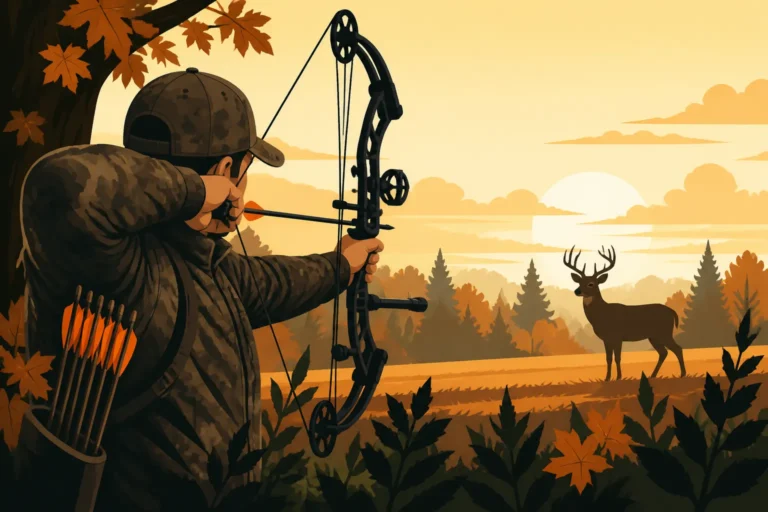
Whitetail deer are, without a doubt, the star attraction in the Pembina Valley. The broken terrain provides everything they need: ample food from bordering agricultural fields, dense cover for bedding and escape, and numerous natural travel corridors. During the early archery season, deer often stick to the thickest cover in the ravines and timber pockets, only venturing out to feed in the cooler hours. This makes hunting Manitoba's September archery opener particularly challenging but rewarding, as you're often hunting tight quarters.
As the season progresses into late October and November, the rut kicks in, and bucks become more active, cruising the bluffs and ravines in search of does. This is when hunting the rut in early to mid-November can be incredibly exciting. During this period, focusing on pinch points where deer are funneled by terrain features—like a narrow saddle between two hills or a shallow crossing in a deep ravine—can be highly effective. Bucks will use these natural travel routes to conserve energy while covering ground. Reading deer sign, such as rubs and scrapes, becomes even more important here, especially when you're reading whitetail sign in Manitoba aspen where their movements are heavily influenced by cover. Understanding prevailing winds and setting up downwind of these travel corridors is absolutely essential for ambushing a cruising buck.
Upland Birds and Small Game Opportunities
Beyond big game, the Pembina Valley offers fantastic opportunities for upland birds and small game, providing a chance to fill out your freezer or simply enjoy a different kind of hunt. Sharp-tailed grouse are commonly found in the more open, grassy areas along the edges of the valley and in pastures. They often burst from cover in coveys, providing challenging wing shooting. Walking up sharp-tailed grouse on Manitoba grassland can be a lively experience, especially if you have a flushing dog.
Ruffed grouse, on the other hand, prefer the denser, brushier sections of aspen and mixed woods, particularly along old logging trails or creek bottoms within the ravines. Their explosive flush can be startling, but they offer delicious table fare. You'll often find them by ruffed grouse hunting Manitoba's bush trails. Hungarian partridge can also be found in the open agricultural edges and shelterbelts along the valley top. These feisty birds offer fast-paced action. For small game, snowshoe hare are abundant in the thickets and dense bush, providing excellent sport, especially in the late season when their white coats make them a challenging target against the snow. Always be aware of local bag limits and season dates for all species you plan to pursue.
Effective Hunting Tactics for the Pembina Valley Slopes
Hunting the Pembina Valley requires a more dynamic approach than flatter terrain. The land itself presents unique challenges and opportunities that, when understood, can significantly increase your chances of success.
Scouting and Stand Placement on Varied Topography
Scouting is paramount in the Pembina Valley. Before you even think about setting up a stand, you need to understand how deer are using the terrain. This isn't just about finding tracks; it's about mapping out their entire pattern. Utilize tools like GoHunt, which can provide detailed topographic maps and satellite imagery, allowing you to identify hidden benches, subtle saddles, and ravine crossings from the comfort of your home. Look for natural funnels where the terrain forces deer into predictable paths. These might be narrow strips of cover between steep bluffs, or a less severe slope that deer prefer for ascending and descending the valley walls.
When it comes to stand placement, the varied topography offers incredible advantages if used correctly. Instead of just picking a tree on a field edge, consider placing stands within the timber, overlooking a well-used game trail that parallels a steep drop-off or crosses a ravine. A common strategy is to hang a stand on a bench halfway down a slope, offering a commanding view without silhouetting yourself against the skyline. Remember that winds can swirl unpredictably in valleys, so always be mindful of your scent. A good rule of thumb is to have multiple stand options to accommodate different wind directions. Think about how deer will move through the area during daylight hours – they often prefer to stay hidden and use cover to their advantage. A strategically placed stand overlooking an area where deer feel secure, but are still moving, can be incredibly productive. For detailed advice on this, check out resources on hanging a stand on a Manitoba bush edge.
Still-Hunting and Tracking on the Slopes
Still-hunting and tracking become highly effective, albeit physically demanding, methods in the Pembina Valley. The broken terrain and dense cover lend themselves perfectly to a slow, deliberate approach. When still-hunting, move incredibly slowly, pausing frequently to scan your surroundings. Use binoculars to pick apart the shadows and look for horizontal lines or unnatural shapes that might indicate a deer. Focus on areas of transition, like where dense bush meets more open timber, or along the edges of ravines. Pay attention to wind direction and thermals; in hilly country, thermals will typically rise in the morning and fall in the evening, so plan your approach accordingly to keep your scent out of a deer's nose.
Tracking after a fresh snow can be exhilarating in the Pembina Valley. The varied terrain means deer often leave clear, distinct tracks as they navigate slopes and soft ground. When tracking, move slowly and methodically, always looking ahead for the deer itself, not just its tracks. Be prepared for sudden changes in direction as deer may double back or bed down on a south-facing slope to sun themselves. This method requires patience, keen observation skills, and a good understanding of reading sign after a fresh snow. The deep cover provides excellent opportunities to sneak close, but it also means the deer can be on you before you realize it. Always be ready for a quick shot.
Access, Regulations, and Local Considerations
Before heading out to the Pembina Valley, it's essential to understand the access rules, specific regulations for the area, and other practical considerations to ensure a safe and successful hunt.
Navigating Public and Private Land
A significant portion of the Pembina Valley consists of privately owned agricultural land, with pockets of Crown land scattered throughout, especially along the river corridors and more rugged slopes. This makes obtaining private land permission in Manitoba a critical step for many hunters. Always seek permission well in advance, introduce yourself respectfully, and offer to help with any crop damage if applicable. Landowners are often more receptive to polite, responsible hunters. Many online mapping services, including those integrated with GoHunt, can help you identify land ownership, which is invaluable for planning.
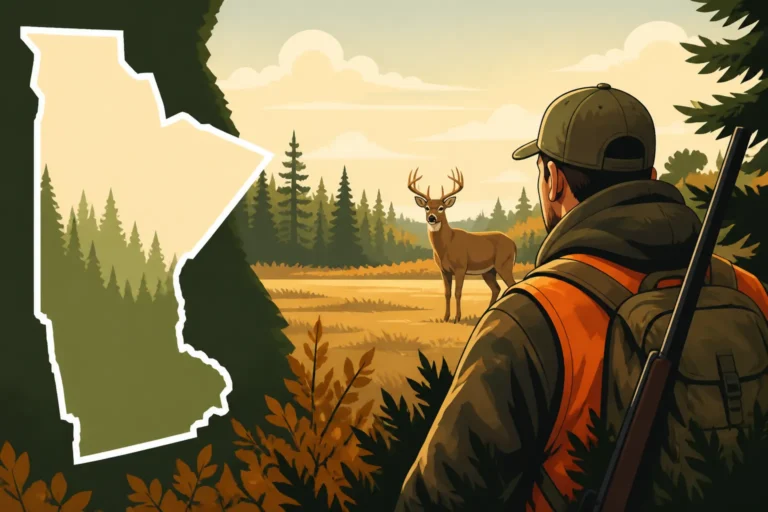
For public land access, you'll want to consult detailed GHA maps. The Pembina Valley generally falls within Game Hunting Areas (GHAs) like 33A and 34. Understanding how Manitoba's Game Hunting Areas are delineated is crucial for knowing season dates and bag limits. Always double-check the specific regulations for your chosen GHA, as they can vary. Remember, even on Crown land, respectful behavior and adherence to all regulations, including blaze orange requirements and legal shooting hours, are non-negotiable.
Essential Gear and Safety on Uneven Ground
Hunting the Pembina Valley's uneven terrain demands specific gear and a heightened awareness of safety. Sturdy, waterproof hiking boots with excellent ankle support are a must. You'll be traversing steep, often slippery, slopes and dense undergrowth, so good footwear is critical to prevent injury. A comfortable backpack is essential for carrying water, snacks, extra layers, and your field dressing kit. Given the unpredictable wind and temperature changes, dressing in layers is always a smart move. If you plan on hunting safely in deep winter cold, ensure your outer layers are windproof and waterproof.
Safety should always be your top priority. Inform someone of your hunting plan, including your intended area and expected return time. Carry a fully charged cell phone (though service can be spotty in the deeper ravines), a GPS device, and a compass. A first-aid kit, a headlamp, and a fire-starting kit are also wise additions to your pack. The Pembina Valley, while beautiful, can be disorienting, especially in low light or dense fog. Knowing basic land navigation and being prepared for unexpected weather changes or minor injuries can make all the difference. Remember, every resident hunter needs a valid Manitoba resident hunting licence cost, and potentially species-specific tags, before heading into the field.
Disclaimer
The information provided in this guide is for general informational purposes only and is not a substitute for official regulations. Hunters are responsible for understanding and complying with all current Manitoba hunting regulations, which can change seasonally. Always consult the latest Manitoba Hunting Guide and relevant government websites before planning your hunt.