Hunting a Frozen Slough Crossing
Navigating Manitoba's vast winter landscape often brings unique challenges, but it also opens up incredible opportunities for hunters savvy enough to understand the frozen terrain. One such opportunity lies in hunting a frozen slough crossing, which can feel daunting and even dangerous if you don't know what to look for. This guide will walk you through everything you need to know to identify, scout, and safely hunt these natural deer highways, turning potential obstacles into strategic advantages for your next outing.
Frozen Slough Crossings: Why Deer Use Them in Winter
When the mercury drops and Manitoba's countless sloughs and wetlands freeze solid, what was once an impassable barrier for whitetails suddenly becomes a highway. Understanding why deer change their travel patterns to incorporate these frozen pathways is key to successfully hunting them. It's not just about convenience; it's about survival.
The Irresistible Pull of a Shortcut
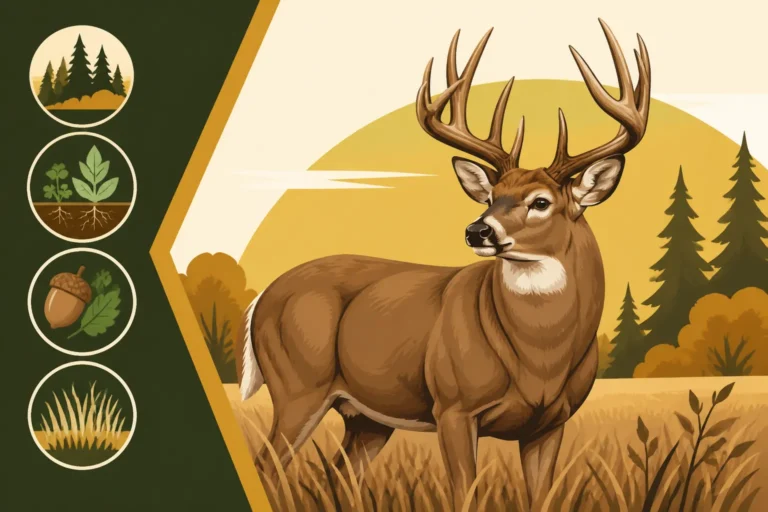
Imagine you're a whitetail buck in a deep Manitoba winter. You're constantly trying to conserve energy, especially when the snow is deep and travel is tough. Walking around a large, marshy slough that's now frozen solid can save you significant time and energy compared to pushing through thick bush or deep drifts on the perimeter. These frozen paths become direct routes between bedding areas, feeding grounds, and escape cover, often cutting off miles of less efficient travel. It’s like us choosing a direct bridge over a circuitous route around a lake. The deer know these routes intimately, using them year after year, especially when consistent cold ensures solid ice. This behavior is amplified when there's significant snow cover, making every step off a hard-packed or frozen surface a tiring ordeal.
Sometimes, the slough itself holds attractive food sources that become accessible only when frozen, like specific types of aquatic vegetation or residual crops on the edges that were previously waterlogged. Even small pockets of browse, perhaps a cluster of willows or dogwood, can be enough to draw deer across a frozen expanse, particularly during periods of extreme cold when What Whitetails Eat Through a Hard Winter becomes a critical factor. The ease of travel combined with potential, albeit sparse, forage makes these crossings an integral part of a deer's winter survival strategy, concentrating movement patterns that hunters can exploit.
Seasonal Variations and Ice Conditions
The nature of a frozen slough crossing changes dramatically throughout Manitoba's long winter. Early season freezes might see thin, patchy ice that deer are wary of, sticking to the very edges or avoiding them altogether. However, as sustained cold settles in, usually by late November or December, the ice thickens considerably, offering a reliable, firm surface. This is when deer really start to leverage these crossings. The timing of the freeze and thaw cycles profoundly impacts deer movement. A sudden thaw can render once-safe crossings treacherous, forcing deer back to their old, more energy-intensive routes.
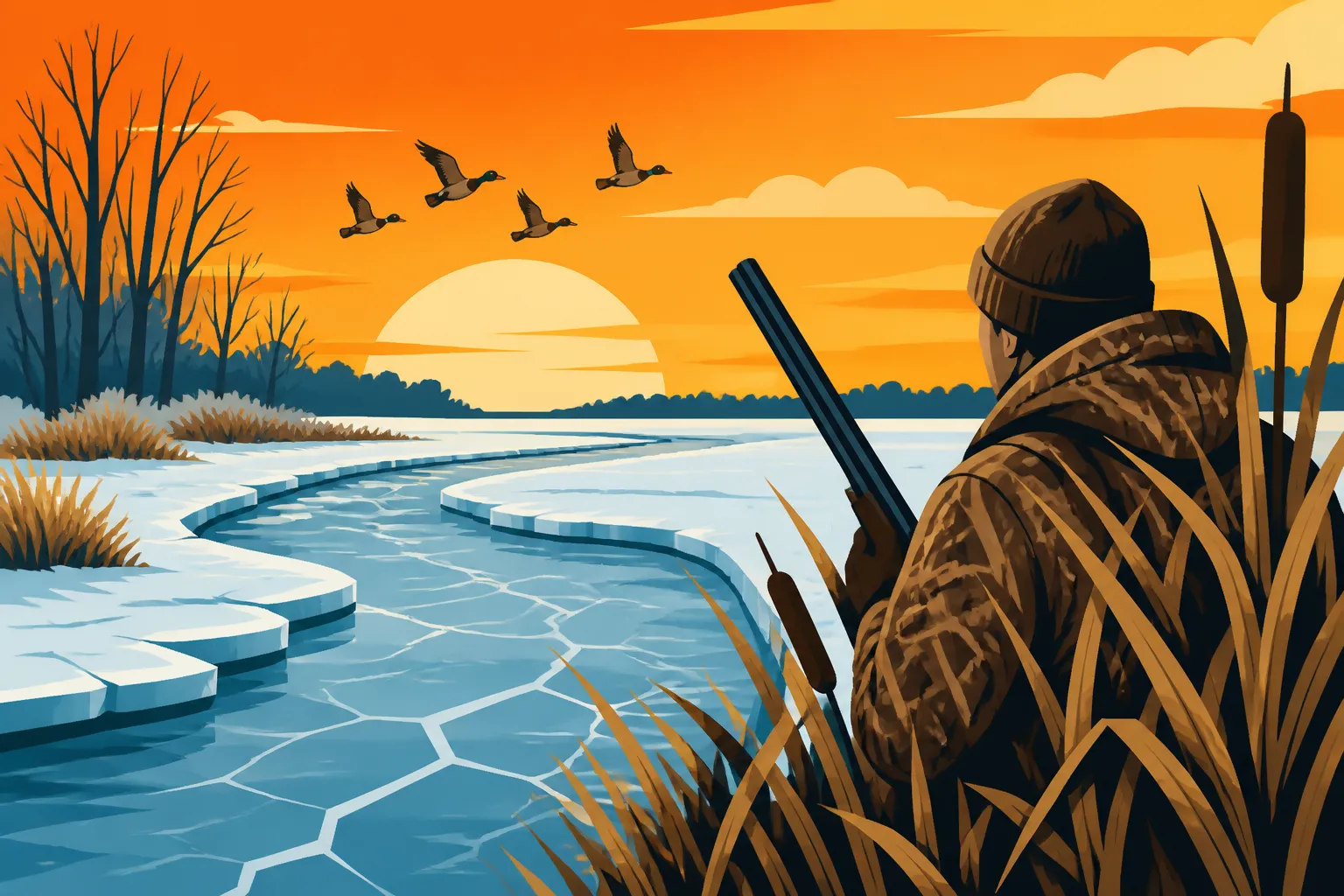
It’s crucial to monitor local conditions. A week of -20°C weather might build 12 inches of solid ice, but a mild spell could quickly reduce that integrity, especially over moving water or areas with springs. You might notice that deer prefer certain sections of a slough to cross where the ice is historically thicker, perhaps due to shallower water or less snow cover which allows for better freezing. Understanding these subtle nuances is part of becoming a seasoned Manitoba hunter. Pay attention to how the slough drains, where the deepest parts are, and where submerged vegetation might insulate the ice, making it thinner. These details, coupled with observed deer sign, will help you predict not only if deer will cross, but exactly where they'll feel safest doing so.
Scouting the Frozen Landscape for Prime Crossings
You can't just stumble onto a frozen slough and expect to find the perfect crossing. Successful hunting in these unique environments demands thorough, strategic scouting, often combining modern technology with boots-on-the-ground investigation. The winter landscape reveals secrets that the leafy canopy of fall often hides, making it an excellent time to find these hidden gems.
Identifying Key Crossing Points
Deer are creatures of habit, and their paths across frozen sloughs are no exception. They typically choose the path of least resistance: the narrowest points, areas with the most gradual slopes on either side, or spots where cover provides a sense of security. Look for "pinch points" – areas where the slough narrows significantly, funneling deer movement. These natural bottlenecks are high-traffic zones. Also, pay attention to the transition zones where different habitat types meet. For example, a slough that bridges a dense bush block to an open field will often have a well-worn crossing point.
When you're out there, really read the snow. Fresh tracks leading across a wide-open expanse of white tell a clear story. Look for multiple sets of tracks converging at a specific point on the bank, indicating a preferred entry. Don't just look for fresh tracks, either. Older, melted-out tracks can still show a historical crossing point, suggesting repeated use. Deer will avoid unnecessarily exposed areas, so a crossing that offers some form of cover on either bank, like a small bluff, a line of willows, or even a standing patch of cattails, will be favored. This is where Reading Sign After a Fresh Snow becomes invaluable – it’s a direct window into the deer's latest movements and intentions.
Using Technology for Scouting
In today's hunting world, technology can be your best friend when scouting Manitoba's frozen sloughs. Satellite imagery and mapping apps like GoHunt are invaluable tools that let you "walk" the terrain from your warm home. You can identify potential pinch points, assess the width and shape of sloughs, and pinpoint connecting cover before you ever set foot outside. Look for areas where dense cover transitions to open water, or where a wooded finger extends into a marshy area, creating a natural funnel. These digital tools allow you to cover vast amounts of ground virtually, helping you narrow down your physical scouting efforts.
Once you have a few promising locations marked on your app, you can use GoHunt to drop pins and even plan your approach routes, considering wind direction and stealth. Don't forget to look at historical imagery if available; sometimes older photos can reveal past water levels or vegetation patterns that might influence how a slough freezes and how deer used it in previous years. Combine this digital intelligence with actual boots-on-the-ground scouting, particularly after a fresh snowfall, to confirm active crossings and refine your stand locations. This two-pronged approach ensures you're not wasting precious time in unproductive areas, making your scouting far more efficient, especially in the sprawling landscapes of Manitoba.
Effective Strategies for Hunting Frozen Slough Crossings
Once you've identified a prime frozen slough crossing, the next step is to strategize your hunt. This involves careful consideration of stand placement, understanding wind patterns, and deciding whether still-hunting or a strategic drive is your best approach for deer that are constantly on alert.
Stand Placement and Wind Considerations
The key to intercepting deer at a frozen slough crossing is impeccable stand placement. Deer, especially mature bucks, are incredibly cautious and will use the wind to their advantage. Your stand needs to be positioned downwind of the crossing point, but not so close that your scent blows directly into their path of travel. A crosswind approach, where your scent drifts perpendicular to their travel, often works best. This requires a thorough understanding of prevailing winds, which can be fickle in Manitoba's open areas, especially in the afternoon. Check multiple wind apps, and even use a small bottle of powder or milkweed seeds to confirm local air currents once you're on site.
When choosing a specific tree, look for one that offers good cover and a clear shot lane across the ice and onto the banks. Deer often pause at the edge of the ice before committing to crossing, or as they step off the ice, offering you a precious few seconds for a shot. Position yourself to capitalize on these natural hesitation points. Elevated stands, like treestands or enclosed blinds, are generally superior as they get your scent above the primary travel corridor. Consider a ground blind if natural cover allows for it, or if you prefer to Sit All Day in a Manitoba Blind. Just remember, deer's eyes are keen, and an unnatural silhouette will quickly give you away. Ensure your approach and departure paths to the stand are also scent-free and discreet, not crossing the very path you expect deer to take.
Still-Hunting and Drives
While stand hunting is often the most productive method for slough crossings, sometimes conditions or your hunting style might call for more active approaches like still-hunting or coordinated drives. Still-hunting along the edge of a frozen slough, particularly where thick cover meets the ice, can be incredibly effective. The hard, flat surface of the ice makes for easier, quieter walking than deep snow in the bush. Take advantage of any small islands of cover or cattail patches within the slough itself, as deer might use these for temporary bedding or to simply rest before continuing their journey. Move slowly, pause frequently, and glass ahead. Your senses need to be sharp for any flick of an ear or subtle movement. This method is particularly good if deer are not consistently using a single crossing but are somewhat spread out across the frozen expanse.
For larger sloughs or those with extensive surrounding cover, a small, well-planned drive can push deer towards hunters positioned on a known crossing. This is a tactic often employed for Hunting the Late December Season when deer are grouped up and focused on limited resources. The drivers should move quietly but steadily, pushing deer naturally toward the stationary blockers. Communication is paramount to ensure safety and effectiveness. Make sure blockers are spread out and have clear shooting lanes, and everyone wears sufficient How Much Blaze Orange Manitoba Requires. Deer often try to slip out the sides rather than directly cross, so anticipating these escape routes and placing a hunter there can be key. The hard ice of a frozen slough can also make for a natural barrier for drivers, allowing them to funnel deer more effectively.
Table: Ice Thickness and Activity Guide for Hunters
Understanding the safety and practicality of various ice thicknesses is crucial when hunting frozen slough crossings. Always exercise extreme caution and verify local conditions.
| Ice Thickness (inches) | General Safety/Activity | Deer Use & Hunter Application |
|---|---|---|
| 0 – 3 inches | Highly Unsafe. Avoid entirely. | Deer will not typically cross. Hunters should never attempt to cross. |
| 4 inches | Safe for ice fishing (single person). | Deer might cross, but usually only small deer or in desperation. Still-hunting along the edges is safer. |
| 5 – 7 inches | Safe for small groups, ATVs (light snowmobiles). | Deer will cross more regularly. Hunters can potentially access certain stand sites carefully. |
| 8 – 12 inches | Safe for vehicles (light trucks), larger groups. | Prime crossing conditions. Deer are confident. Safe for hunters to walk on. Ideal for stand hunting or drives. |
| 12+ inches | Very safe for heavy vehicles, extended use. | Continues to be prime. Focus on scouting for active tracks. |
Note: This table is a general guide. Ice conditions can vary wildly, even on the same body of water, due to currents, springs, vegetation, and snow cover. Always check ice thickness in multiple spots with an ice auger or spud bar.
Prioritizing Safety and Essential Gear
Hunting frozen slough crossings in Manitoba presents some incredible opportunities, but it also comes with inherent risks. Safety should always be your number one priority, especially when dealing with unpredictable ice and bitter cold temperatures. Being prepared with the right knowledge and gear isn't just a recommendation; it's a necessity for survival.
Ice Safety Protocols
Before you even think about stepping onto a frozen slough, you absolutely must verify the ice thickness. This isn't a guess-and-go situation. Invest in an ice auger or a spud bar and check the ice every few steps, especially on your initial trek. Pay particular attention to areas around inlets, outlets, points of submerged vegetation, and anything that might suggest a spring, as these spots are notorious for thinner, weaker ice. Even if the main body of a slough appears solid, specific sections can be dangerously thin. Always remember that snow cover can act as an insulator, preventing thick ice formation, and also hide weak spots or open water.
Never hunt alone on frozen water. Always bring a buddy, and ensure both of you have safety gear like ice picks, a throw rope, and a fully charged cell phone (in a waterproof bag) for emergencies. Wearing a flotation suit can literally save your life if you go through the ice. Avoid crossing at night or in low visibility conditions until you are intimately familiar with the specific crossing point and have confirmed its safety during daylight hours. If in doubt, stay off the ice. There's no deer worth the risk of hypothermia or worse. Read up on Hunting Safely in Deep Winter Cold and ensure you understand every precaution.
Essential Gear for Cold Weather
Manitoba winters are no joke, and temperatures can plummet to extremes. When hunting frozen slough crossings, you'll likely be exposed to open wind, amplifying the cold. Layering is critical. Start with moisture-wicking base layers, add insulating mid-layers like fleece or down, and top it off with a windproof and waterproof outer shell. Don't skimp on quality winter boots; your feet will thank you after Sitting All Day in a Manitoba Blind in frigid conditions. Consider insulated pac boots like those from brands such as Baffin or Muck, rated for extreme cold. Hand warmers, a thermos of hot coffee or soup, and high-energy snacks are also non-negotiable.
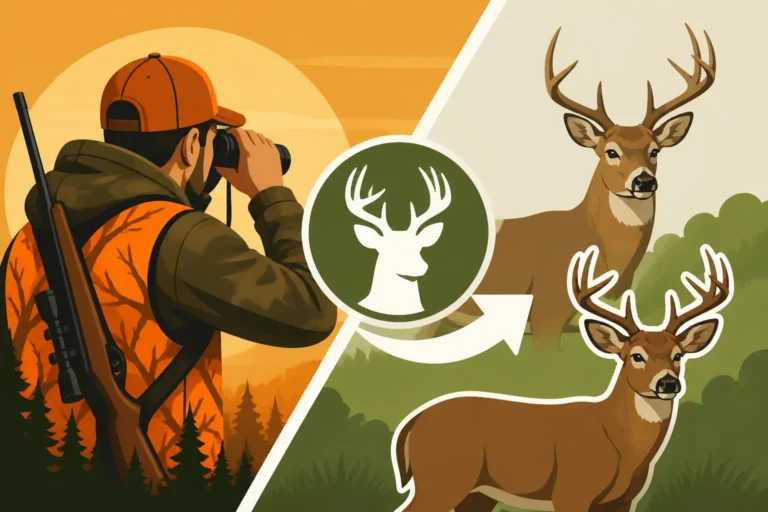
Beyond personal warmth, think about practical hunting gear. A good pair of binoculars is essential for glassing open expanses and spotting deer from a distance. If you're stand hunting, bring an insulated seat cushion to prevent heat loss through your rear. A small sled or game cart can be a lifesaver for Getting a Deer Out on a Frozen Trail – dragging a deer across slick ice is far easier than through deep snow. And remember, once you've harvested an animal, properly handling the meat in cold weather is crucial. Refer to guides on Meat Care in Manitoba's Cold Snaps to ensure your hard-earned venison is preserved correctly. Being prepared for the cold means you can focus on the hunt, not on shivering.
Disclaimer
Please remember that hunting regulations and conditions can change. Always consult the most current Manitoba hunting guide and local regulations before heading out into the field. Safety should always be your top priority.