Hunting Elk in the Duck Mountain Country
Hunting elk in Manitoba's Duck Mountain Country can feel like a daunting challenge. The dense forests, rolling hills, and sometimes elusive nature of these magnificent animals can leave even seasoned hunters wondering where to begin. This comprehensive guide is designed to cut through that uncertainty, providing you with the knowledge and strategies you need to confidently pursue elk in this unique and beautiful part of Manitoba.
The Unique Challenge of Duck Mountain Elk Hunting
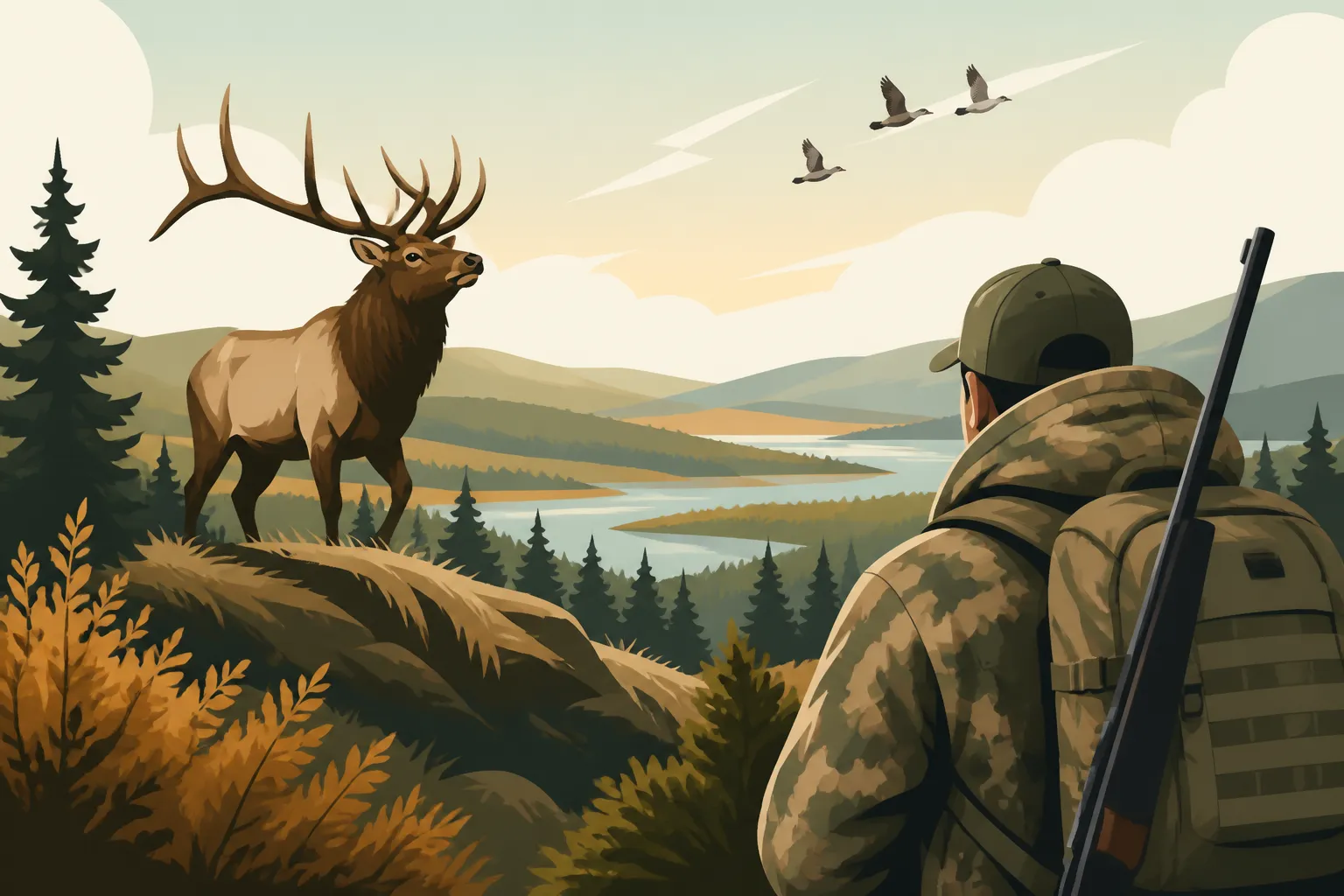
The Duck Mountain Provincial Forest, straddling the border of Manitoba and Saskatchewan, offers some of Manitoba's most rugged and rewarding elk hunting. Unlike the wide-open spaces of some western elk grounds, hunting here is often a dense bush affair, demanding different strategies and a unique understanding of the herd.
Understanding the Duck Mountain Elk Herd
Manitoba's elk populations, particularly in areas like Duck Mountain, are a testament to successful conservation efforts, though they have seen their share of fluctuations over the years. Historically, elk were once more widespread across the prairies and parklands, but habitat loss and unregulated hunting took their toll. Reintroductions and careful management have helped these herds rebound, making areas like Duck Mountain prime elk country. The herd here is generally healthy, though like all wildlife, it faces pressures from habitat changes, severe winters, and predation. Understanding the historical context helps us appreciate the resilience of these animals and the responsibility we have as hunters.
These are not the giant herds you might see out west; rather, they tend to be smaller, more fragmented groups that adapt incredibly well to the mixed forest and agricultural fringes. This means they can be incredibly wary and often hold tight in the thickest cover, making them a true challenge to locate and approach. When considering your hunting strategy, it's crucial to remember that these elk are survivors, perfectly adapted to their environment. For more general information on these animals, you can explore details on Manitoba's Elk Herds and Their Range
Key Elk Habitats in the Duck Mountains
The topography of the Duck Mountains is a mosaic of steep ridges, deep valleys, wetlands, and various forest types. Elk here aren't confined to one specific habitat; they utilize everything from mature aspen stands and spruce bogs to recent clear-cuts and the edges of agricultural fields that border the provincial forest. During the early season, you might find them grazing in open meadows or along the edges of new growth where browse is abundant. As hunting pressure increases or the weather turns colder, they'll retreat into dense timber, often favouring north-facing slopes for bedding or sheltered valleys.
Identifying these key areas is paramount. Look for areas with a good mix of cover, water sources, and feed. Recent logging cuts can be elk magnets, providing both new forage and dense regenerating cover for bedding. River bottoms and creek drainages act as natural travel corridors, connecting different feeding and bedding areas. The sheer variety of terrain means you need to be adaptable and ready to hunt various environments within a single day. Using a reliable mapping app, like one from GoHunt, can be incredibly helpful for identifying these habitat transitions and potential elk holding areas long before you ever set foot in the woods.
Strategic Approaches for Duck Mountain Elk
Hunting elk in the Duck Mountains isn't just about getting lucky; it's about meticulous planning, relentless scouting, and executing well-thought-out strategies. Given the dense cover and often challenging terrain, a multi-faceted approach will yield the best results.
Pre-Season Scouting and E-Scouting
Your elk hunt in Duck Mountain truly begins long before opening day. Pre-season scouting is absolutely non-negotiable. Start with e-scouting from home using satellite imagery. Platforms like GoHunt allow you to zoom in and identify potential bedding areas (dense, dark timber), feeding zones (open meadows, clear-cuts, agricultural edges), water sources (creeks, beaver ponds, springs), and most importantly, travel corridors that connect them. Look for pinch points, saddles, and benches that elk are likely to use when moving between these critical areas.
Once you have a few promising spots identified, it’s time to hit the ground. Focus on finding fresh sign: tracks, rubs on trees (especially during the rut), fresh droppings, and wallows. Wallows, muddy depressions where bulls roll to cool off and leave their scent, are particularly telling signs of active elk. Pay attention to game trails; older, wider trails often indicate established travel routes. Don’t just look for where the elk are, but how they’re using the terrain. Are they moving along a ridge line, crossing a specific saddle, or dropping into a particular valley? This intel is invaluable for setting up an ambush or planning your still-hunting route. Remember, elk are creatures of habit, and finding those habits before the season starts gives you a significant edge. This foundational work is key to Scouting a Manitoba Game Hunting Area.
Mastering Calling Techniques
Calling is a powerful tool in the elk hunter's arsenal, especially during the rut. In Duck Mountain, the dense timber can make it challenging to pinpoint the exact location of a bugle, but it can also work to your advantage by bringing an elk closer into shooting range without revealing your position too soon. Different calls serve different purposes:
- Bugling: During the peak of the rut, a well-executed bugle can challenge a bull, bringing him in to investigate. However, in heavily hunted areas, over-bugling can also make elk wary. Mix it up with challenge bugles, excited bugles, and even simple location bugles. Remember, you're trying to tell a story with your calls.
- Cow Calls: These are often more effective than bugles, especially for coaxing in satellite bulls or drawing a dominant bull away from his cows. A series of soft mews and chirps can pique an elk's curiosity without putting them on high alert. If you hear a bull bugle in the distance, responding with cow calls can sometimes be irresistible.
- Chucking and Grunting: These are close-range calls that mimic the sounds a bull makes when gathering his harem. They can be incredibly effective when an elk is within sight or very close, just out of view.
When calling, pay close attention to the wind, as elk have an incredible sense of smell. Always try to call into the wind or across it, positioning yourself to intercept an elk that is circling downwind to catch your scent. For more on specific techniques, check out Bugling Elk in Manitoba's Parkland. Patience is key; sometimes an elk will respond silently, trying to pinpoint your location before committing.
Still-Hunting and Ambush Strategies
Given the dense cover, still-hunting – moving slowly and deliberately through the forest, pausing frequently to observe and listen – can be highly effective. This isn’t about covering ground quickly; it’s about moving stealthily, taking one step at a time, and letting your eyes and ears do most of the work. Look for horizontal lines in a vertical world – the back of an elk, a horizontal antler tine, or a patch of hide. Listen for the subtle sounds of elk moving: a branch breaking, a nervous "huff," or the rustle of leaves.
Ambush hunting involves identifying key travel routes or feeding areas and setting up in a concealed position to intercept elk. This often works best during early morning or late evening, when elk are typically on the move between bedding and feeding areas. Look for natural funnels, like narrow strips of timber between two clearings, or a creek crossing. Consider the prevailing wind direction and choose a stand location that keeps your scent from blowing towards where you expect the elk to come from. Ground blinds can be highly effective in Duck Mountain, offering concealment without the need for elevated stands, especially if you set them up well in advance to allow elk to habituate to their presence.
Navigating Regulations and Rough Terrain
Hunting in any provincial forest comes with its own set of rules and environmental challenges. The Duck Mountains are no exception, and being prepared for both the legal and logistical hurdles is crucial for a successful and safe hunt.
Accessing the Duck Mountain Country
Accessing the heart of the Duck Mountain Provincial Forest can be a mix of straightforward and incredibly challenging. A network of gravel and dirt roads provides primary access points, but to get into the really promising areas, you'll often need to venture onto smaller logging trails, old trapper's lines, or even bushwhack through dense timber. Be aware that many of these secondary trails can become impassable with rain, turning into muddy bogs that can swallow a truck or ATV. Always inform someone of your route and expected return time, especially if you're heading into remote areas with limited cell service.
When planning your approach, it's vital to understand the rules around vehicle use on Crown land. While ATVs and side-by-sides are invaluable for covering ground and retrieving game, there are specific regulations governing their use, particularly regarding sensitive habitats and designated trails. Make sure you're familiar with Quad and Side-by-Side Rules on Crown Land, as violating these can lead to fines and harm hunter access in the long run. Always park responsibly and consider walking into areas where vehicle access might disturb game or damage habitat.
Understanding Elk Permits and Season Dates
Hunting elk in Manitoba, especially mature bulls in prime areas like Duck Mountain, often requires drawing a special licence. The demand for these tags usually far outweighs the supply, so applying through the provincial draw system is typically necessary. Familiarize yourself with the application process, deadlines, and success rates for Manitoba's Elk and Moose Draws. Specific Game Hunting Areas (GHAs) within the Duck Mountains will have their own draw quotas and season dates, which can vary year to year. It's imperative to consult the current year's hunting guide for precise details on Manitoba Big Game Season Dates.
Beyond the specific elk tag, you'll need a general Manitoba hunting licence. Always carry your licence and tags with you while hunting. Blaze orange requirements are in effect for rifle seasons, so ensure you have the mandatory amount of visible orange clothing. This is not just a rule, but a critical safety measure, especially in areas with other hunters. Ensure your chosen firearm or bow meets the legal requirements for hunting big game in Manitoba; details on Legal Firearms and Bows for Big Game.
Safety in the Backcountry
The Duck Mountain area is beautiful but can be unforgiving. Safety should always be your top priority.
- Navigation: Carry a reliable GPS unit or a smartphone with a downloaded map application (like GoHunt) and spare battery packs. Physical maps and a compass are excellent backups. It's easy to get disoriented in dense bush, especially on an overcast day.
- Bear Awareness: Duck Mountain is black bear country. Carry bear spray, know how to use it, and make noise while moving through thick cover. Store food properly in camp to avoid attracting bears.
- Weather Preparedness: Manitoba weather can change rapidly. Dress in layers, carry extra warm clothing, and be prepared for rain, snow, or sudden drops in temperature, even early in the season. Consider the implications of Hunting Safely in Deep Winter Cold. A small survival kit with fire starters, a space blanket, and emergency food is a wise addition to your pack.
- Communication: Cell service is spotty at best in many areas of Duck Mountain. Consider carrying a satellite messenger or personal locator beacon (PLB) for emergencies, especially if hunting alone or in remote locations.
Essential Preparation for Success
Elk hunting in the Duck Mountain Country is a physically demanding pursuit that tests your endurance, patience, and resolve. Being properly prepared, both physically and with the right gear, can make all the difference between a frustrating trip and a successful, memorable hunt.
Physical Conditioning and Mental Toughness
Don't underestimate the physical demands of elk hunting here. You'll be covering steep, uneven terrain, pushing through dense bush, and potentially packing out hundreds of pounds of meat over long distances. Begin a rigorous fitness regimen months before your hunt. Focus on cardiovascular endurance, leg strength, and core stability. Hiking with a weighted pack on varied terrain is excellent preparation. The better shape you're in, the more ground you can cover effectively, and the more energy you'll have to make good decisions when the moment of truth arrives.
Mental toughness is equally important. Elk hunting can involve long hours of stillness, quiet frustration when animals don't cooperate, and the resolve to keep pushing when tired. Learn to embrace the challenge, enjoy the process, and maintain a positive attitude. Being mentally prepared for the ups and downs will help you stay focused and persistent.
Must-Have Gear and Equipment
The right gear won't guarantee an elk, but the wrong gear can certainly ruin a hunt.
- Layered Clothing: Manitoba weather is notoriously fickle. Invest in a high-quality layering system that allows you to adapt to changing temperatures and activity levels. Moisture-wicking base layers, insulating mid-layers, and a waterproof/windproof outer shell are essential.
- Footwear: Your boots are arguably your most important piece of gear. Choose waterproof, durable, and comfortable hiking boots with excellent ankle support. Break them in thoroughly before the hunt to avoid blisters.
- Optics: Good binoculars (10×42 or 10×50) are crucial for spotting elk in thick cover. A spotting scope might be useful if you plan to glass open clear-cuts or distant hillsides.
- Navigation Tools: As mentioned, a GPS with pre-loaded maps or a reliable mapping app (like GoHunt, which often includes Crown land boundaries and topographical features) is a must. Carry a portable power bank to keep your devices charged.
- Backpack: A comfortable hunting pack, capable of carrying your day's essentials and potentially the first load of meat, is vital. Look for one with good suspension and sufficient capacity.
- First-Aid and Survival Kit: Never head into the backcountry without a comprehensive first-aid kit, fire starters, a water filter, and emergency shelter. Even a basic Winter Truck Kit for a Manitoba Hunt, scaled down for your pack, can save your day.
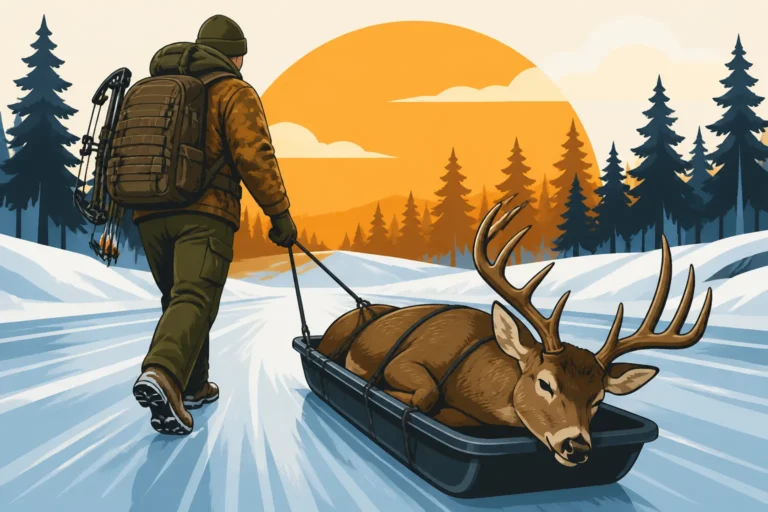
- Game Processing Supplies: Field dressing an elk is a big job. Bring sharp knives, a bone saw, game bags, and rubber gloves. Knowing What a Mature Bull Elk Weighs, you'll appreciate the scale of the task!
Weapon Choice and Practice
Whether you choose to hunt with a rifle, bow, or muzzleloader, practice, practice, practice. Know your weapon's capabilities and your own limitations. Ethical hunting means making a clean kill, and that comes from confident shot placement. Practice shooting from various positions you might encounter in the field – off-hand, kneeling, sitting, and from prone. Simulate hunting conditions as much as possible, including shooting with your hunting clothing on. Being proficient with your chosen weapon is the ultimate form of respect for the animal you pursue.
Here’s a quick overview of how some hunting aspects might change between early and late season in Duck Mountain:
| Feature | Early Season (Archery/Muzzleloader) | Late Season (Rifle) |
|---|---|---|
| Elk Behavior | More spread out, active feeding, rutting activity. | Grouped, seeking dense cover for shelter/feed. |
| Vegetation | Full foliage, dense cover. | Dropping leaves, more open sightlines. |
| Weather | Milder, potential for warm days, insects. | Colder, snow likely, ice, extreme cold. |
| Hunting Style | Calling more effective, spot & stalk, ambush. | Still-hunting, tracking, glassing clear-cuts. |
| Gear Focus | Breathable layers, bug spray, lightweight. | Warm, insulated layers, heavy boots, traction. |
Ultimately, hunting elk in the Duck Mountain Country is a challenging but incredibly rewarding experience. By understanding the local herd, mastering effective strategies, respecting regulations, and preparing meticulously, you can increase your odds of success and create lasting memories in Manitoba's wild heartland.
Disclaimer
Please remember that hunting regulations, season dates, and access rules can change. Always consult the most current Manitoba Hunting Guide published by the provincial government before planning and executing your hunt. This article is for informational purposes only and does not supersede official regulations.