Hunting a Delta Marsh Style Wetland
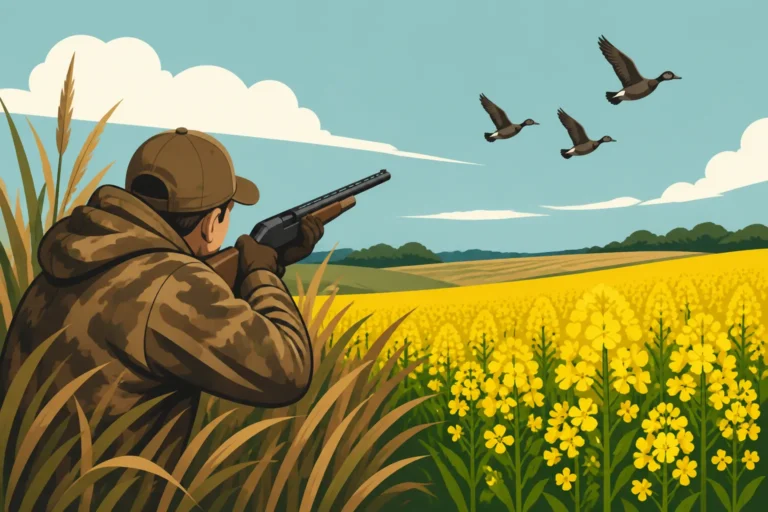
Hunting a Delta Marsh-style wetland in Manitoba can be an incredibly rewarding experience, but let's be honest, it's also incredibly challenging. The vastness, the unpredictable water levels, the thick vegetation – it can feel like you're dropping into a totally different world, and figuring out where to even begin can be a real headache. This comprehensive guide is designed to cut through that frustration, offering practical, in-depth advice on how to successfully navigate and hunt these unique and productive waterfowl habitats, from understanding the ecosystem to mastering your setup and strategies.
Understanding the Delta Marsh Style Wetland Ecosystem
Manitoba is renowned for its incredible waterfowl hunting, and a significant part of that reputation comes from its vast, productive marshlands, with the Delta Marsh being a prime example of this unique ecosystem. These aren't just puddles; they're dynamic, complex environments that demand respect and a deep understanding to hunt effectively.
The Unique Habitat of Delta Marsh
The Delta Marsh, situated at the south end of Lake Manitoba, isn't just a geographical location; it's a type of wetland ecosystem that inspires how we talk about other similar areas across the province. What makes it so special, and so challenging, is its intricate mosaic of open water, dense cattails, bulrushes, phragmites, and scattered pockets of drier ground. This dense cover provides unparalleled refuge for countless waterfowl, offering protection from predators and the elements, while the rich aquatic vegetation provides an abundant food source. Think of it as a natural supermarket and fortress combined. Water levels fluctuate seasonally and even daily, influenced by wind on Lake Manitoba, which can dramatically alter access and hide prime hunting spots or suddenly expose others. These wetlands are often characterized by a "push-pull" dynamic; sometimes the birds are deep in the thick stuff, seemingly impossible to reach, and other times they're more accessible in the calmer, open pockets. Understanding these nuances is crucial for success. These areas are truly the heart of what makes Manitoba's Delta Marsh Style Wetland so attractive to birds.
Key Waterfowl Species You'll Encounter
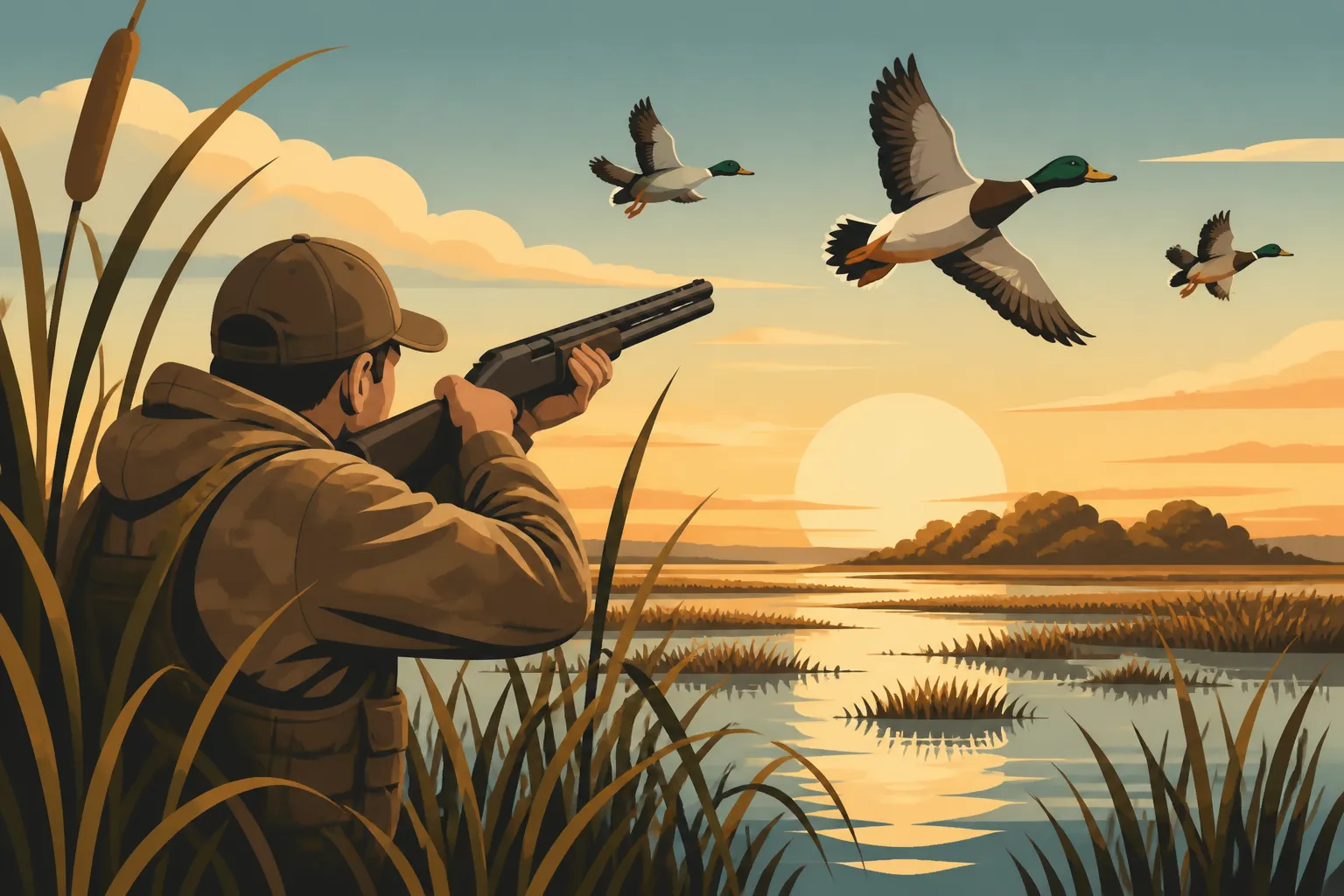
When you're slogging through a Manitoba marsh, you're not just looking for "ducks and geese"; you're targeting a diverse array of species, each with its own habits and preferences. The sheer abundance is often what draws hunters back year after year. Mallards are, of course, king here, often found dabbling in the shallower, vegetated areas or resting on calm water. Pintails, with their elegant profiles, also frequent these marshes, especially early in the season. You'll also find plenty of gadwall, wigeon, and various teal species, particularly blue-winged teal during the early migration. Diver ducks like redheads, canvasbacks, and scaup prefer deeper, more open water sections, often associating with the aquatic vegetation they feed on. Don't forget the geese! While specklebellies and Canada geese might spend their days feeding in grain fields, they often return to the protective confines of the marsh to roost. Snow geese will often use larger, more open bodies of water for loafing and roosting before heading out to feed. To truly understand the full breadth of what's out there, it's worth checking out comprehensive guides on Manitoba's Ducks and Geese by Flyway, which can help you identify species and understand their habits more fully. Each species offers a unique challenge and requires slightly different tactics, whether it's adapting your call, your decoy spread, or your hide.
Seasonal Changes and Their Impact
The marsh is a living, breathing entity that transforms throughout the hunting season, and these changes dictate everything from bird behaviour to your access. Early September, often When Manitoba's Archery Season Opens for deer hunters, sees the marsh teeming with local birds. The vegetation is still incredibly dense, offering maximum cover but making travel difficult. Water levels are often at their highest, and the weather is generally mild. As September progresses into October, migratory birds begin to arrive in earnest, bringing in fresh waves of ducks and geese. The vegetation starts to die back, especially after the first hard frosts, opening up new pockets of water and making some areas more accessible. However, colder temperatures also mean birds are more focused on feeding and conserving energy. Late season hunting, especially into November and December, presents an entirely different beast. Ice begins to form, slowly shrinking open water areas and concentrating birds into smaller, often predictable zones. This can lead to incredible hunting, but it also demands specialized gear and extreme caution. You might be breaking ice to set decoys or finding open leads in freezing conditions. Understanding these seasonal shifts is paramount for planning your hunts, adapting your strategies, and knowing what to expect when you arrive at the marsh.
Essential Gear and Setup for Marsh Hunting
Successfully hunting a Delta Marsh-style wetland isn't just about knowing where the birds are; it's about being prepared for the environment itself. This means having the right gear, and more importantly, knowing how to use it to your advantage in challenging conditions.
Decoy Spreads and Calling Strategies
When you're out in a vast marsh, your decoy spread and calling are your primary tools for bringing birds into range. It's not like field hunting where sheer numbers often prevail; marsh spreads are often more about realism and creating a natural, inviting scene. For ducks, a mix of mallards, pintails, and gadwall in smaller clusters can be very effective, mimicking natural feeding and resting groups. Consider using jerk cords to add lifelike motion to your blocks, especially on calm days when static decoys can look unnatural. For divers like canvasbacks and redheads, long lines of decoys in open water, suggesting a large feeding raft, can be deadly. If you're targeting geese, even in a marsh, you might want to consider larger, visible spreads, especially if they are using open water for loafing. You don't need hundreds of full-body geese; a dozen or two high-contrast floaters can be enough.
Calling is equally critical. For ducks, master the basic mallard quack, greeting call, and feeding chuckle. Learn to read the birds' reactions; sometimes a lot of calling is needed, other times a soft, subtle approach is best. For geese, a series of clucks and honks can work wonders. Remember, consistency and realism beat volume every time. Many hunters find that using an online platform like GoHunt can help them research local bird behavior patterns, informing their calling and decoy strategies for specific regions. They might also find information on Hunting Manitoba's Snow Goose Migration or Hunting Manitoba's Sandhill Cranes, which also use these wetland areas, allowing for combined strategies.
Blind Considerations and Concealment
Concealment in a marsh is absolutely non-negotiable. Birds, especially mature ones, are incredibly wary, and the open nature of many marsh environments means you're easily spotted if not properly hidden. Natural blinds built from cattails, bulrushes, or phragmites are often the most effective. They blend seamlessly with the surroundings, provided you take the time to build them well. Look for natural points of cover, islands of vegetation, or higher ground within the marsh that offers a good vantage point without silhouetting you.
If natural cover is scarce, pop-up blinds or specialized marsh blinds that sit low to the water can be excellent alternatives. Always ensure your blind is brushed in thoroughly, using local vegetation to break up its outline. Pay attention to your face and hands, which can shine brightly in the sun; face masks and gloves are essential. Remember, the goal isn't just to hide from the birds currently flying; it's to remain undetected by birds that have already landed and are moving about in the marsh. A good hide allows you to focus on the hunt, not on whether you're being seen.
Wading and Watercraft Essentials
Navigating a Delta Marsh-style wetland without the right mode of transport is like trying to ice fish without an auger – impossible, and potentially dangerous. Waders are your absolute best friend. Chest waders, preferably insulated for cooler weather, are a must. Make sure they fit well and allow for comfortable, unencumbered movement through thick mud and water. Having a sturdy wading staff can be a lifesaver, helping you maintain balance in uneven terrain and test water depth before you step.
For transporting decoys, firearms, and gear, a specialized marsh boat or kayak is invaluable. These are typically low-profile, stable, and designed to be paddled, poled, or even pushed through shallow water and dense vegetation. Jon boats or canoes can also work, provided they are camouflaged and stable enough for the conditions you'll encounter. Whatever your choice, ensure it's easily maneuverable, quiet, and capable of carrying your load without swamping. For those deep ventures, a small, reliable outboard motor or a mud motor designed for shallow, weedy water can be a game-changer. These tools not only make your hunt more efficient but, more importantly, safer.
| Gear Category | Essential Items | Key Considerations for Marsh Hunting |
|---|---|---|
| Wading & Navigation | Chest Waders (insulated) | Durable, good fit, deep water capability, puncture resistance |
| Wading Staff | Stability in uneven terrain, depth checking | |
| Compass/GPS (GoHunt app) | Orientation in vast, often confusing marsh terrain | |
| Headlamp/Flashlight | Pre-dawn/post-dusk travel, hands-free operation | |
| Watercraft | Marsh Boat/Kayak/Canoe | Low profile, stable, maneuverable in shallow/weedy water, quiet |
| Push Pole/Paddles | Silent propulsion, navigate dense cover | |
| Small Outboard/Mud Motor | For longer distances or stubborn mud (optional but highly recommended) | |
| Decoys & Calls | Duck Decoys (mixed species) | Mallard, Pintail, Gadwall; 2-3 dozen for small spreads, motion decoys |
| Goose Decoys (floaters) | A dozen high-contrast floaters for roosting geese | |
| Jerk Cord/Motion Decoy | Adds realism and attracts attention | |
| Duck Calls (variety) | Mallard, pintail, teal; practice realistic calling | |
| Goose Calls (Canada, Snow) | Essential for attracting geese into range | |
| Concealment | Camouflage Clothing | Layered for warmth, suitable for marsh environment |
| Face Mask & Gloves | Eliminate shine, critical for wary birds | |
| Natural Blind Materials | Use local vegetation for effective concealment | |
| Pop-Up/Marsh Blind | If natural cover is limited or insufficient | |
| Safety & Survival | Personal Flotation Device (PFD) | Always wear, especially with watercraft |
| First-Aid Kit | Essential for any outdoor excursion | |
| Emergency Whistle/Signal | For communication, especially in dense fog or at night | |
| Dry Bag/Container | Protect electronics, permits, spare clothes | |
| Non-Toxic Shot | Mandated for waterfowl hunting in Canada |
Strategies for a Successful Marsh Hunt
Hunting the Manitoba marshlands requires more than just gear; it demands a tactical approach, an understanding of bird behavior, and an unwavering commitment to safety. These are wild, untamed places, and success often hinges on careful planning and execution.
Scouting and Reading the Water
This might sound obvious, but scouting a Delta Marsh-style wetland is fundamentally different from scouting a stubble field. You're not looking for tracks in the mud (though they help); you're looking for subtle signs of bird activity, flight patterns, and preferred resting or feeding areas within the water. This usually means venturing into the marsh without a gun, often by boat or even on foot, observing where ducks are flying to and from, where they're landing, and what specific vegetation they're feeding on. Using tools like GoHunt can be invaluable here, especially for reviewing satellite imagery to identify open water pockets, dense cover, and potential access points that might be hidden from ground level. Look for "loafing" areas where birds gather to rest between feeding bouts, as these can be prime spots to set up.
Reading the water also means understanding wind direction and its impact. Wind creates ripples, moves vegetation, and dictates how birds will approach and land. A good understanding of how to read these signs will help you predict flight paths and position your blind for the best shooting opportunities. Pay close attention to current conditions, especially for locations like the Delta Marsh, where What Delta Marsh Means to Waterfowl is intrinsically linked to dynamic water systems.
Dealing with Weather and Wind
Manitoba weather is famously fickle, and nowhere is this more apparent than in an open marsh. A calm, sunny morning can quickly turn into a blustery, bone-chilling afternoon, especially as the season progresses. Wind, in particular, is a double-edged sword. A moderate wind is often your best friend; it helps move decoys, provides natural concealment by rustling vegetation, and forces birds to fly lower and set their wings for landing, making them easier targets. However, too much wind can make setting decoys difficult, create dangerous waves on larger bodies of water, and make staying warm a significant challenge.
You need to be prepared for everything. Layer your clothing to adapt to changing temperatures. Always bring waterproof and windproof outer layers, even on seemingly nice days. If the wind is too strong or the forecast predicts a sudden drop in temperature or a heavy freeze, it's often wiser to err on the side of caution. No bird is worth risking hypothermia or capsizing your boat. On those exceptionally cold days, perhaps consider strategies for Hunting Safely in Deep Winter Cold to maintain your core temperature and prevent serious issues.
Safety Considerations in Wetland Environments
Hunting in a marsh, while exhilarating, comes with inherent risks that demand a constant focus on safety. Water is a major factor: unexpected deep spots, hidden obstacles, and rapidly changing water levels can quickly create dangerous situations. Always wear a PFD, even if you’re just poling through shallow water. Tell someone where you're going and when you expect to return, especially if you're hunting alone.
Hypothermia is another serious threat, particularly in colder weather or if you accidentally fall into the water. Pack extra dry clothes in a waterproof bag. Understand the signs of hypothermia and how to treat it. Be mindful of your footing in thick mud and uneven bottom terrain. When traversing dense cattails, visibility can be limited, so be extra cautious of other hunters or unexpected obstacles. Finally, always follow firearm safety rules, especially when navigating in a boat or through thick cover, and remember that Non-Toxic Shot for Manitoba Waterfowl is required, so plan accordingly for your ammunition. These are wild places, and respecting the environment means taking every precaution to ensure you return home safely.
Disclaimer
Hunting is an inherently dangerous activity. The information provided in this article is for informational purposes only and should not be considered a substitute for professional training, official regulations, or personal judgment. Always consult the most current Manitoba hunting regulations, obtain proper licenses, and prioritize safety above all else. The author and publisher are not responsible for any accidents, injuries, or legal issues that may arise from the use of this information.