Filling a Second Deer Licence in Manitoba
So you’ve punched your main deer tag, maybe even put a beautiful buck in the freezer, and now you’re looking at that second deer licence. It’s a fantastic opportunity, but let’s be real, filling that second tag often presents a whole new set of challenges – tougher weather, warier deer, and sometimes fewer prime spots available. This guide is here to walk you through exactly how to maximize your chances, understand the rules, and make the most of that extra opportunity to stock your freezer and extend your time in the Manitoba outdoors.
Understanding Manitoba's Second Deer Licence Rules
Before you even think about heading back out, it’s absolutely crucial to have a solid grasp of the regulations surrounding a second deer licence in Manitoba. These aren't just minor details; they dictate when, where, and how you can hunt, and getting it wrong can lead to serious consequences. The province offers this second tag as a way to manage deer populations and provide more opportunity for resident hunters, but it comes with specific parameters.
Eligibility and Purchasing Your Second Tag
First things first, not every hunter is automatically eligible for a second deer licence. Generally, these tags are available only to resident hunters and are for antlerless deer, although specific Game Hunting Areas (GHAs) might have slightly different stipulations. You usually purchase this second tag after you've already acquired your primary resident deer licence. It’s important to note that you can’t just decide halfway through the season you want a second tag; there are often deadlines for purchasing them, and they are usually associated with certain GHAs where deer populations are robust or management goals require additional harvest.
The process of buying your licence typically happens through Manitoba’s online portal or a licensed vendor. Always double-check the current year’s Manitoba Resident Hunting Licence Cost and confirm the specific details for the second tag, as rules can change annually. The key is to plan ahead, because if you wait until you’ve filled your first tag in November, you might find the purchasing window for a second has already closed, especially for prime GHAs.
Specific GHA Designations and Season Dates
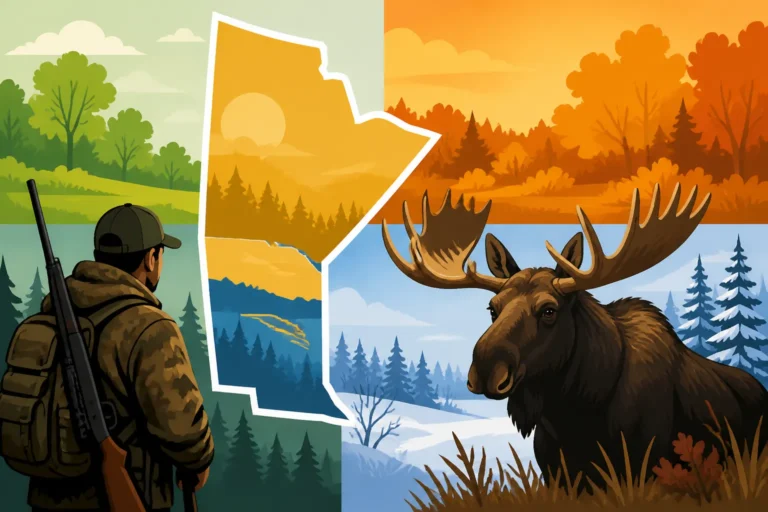
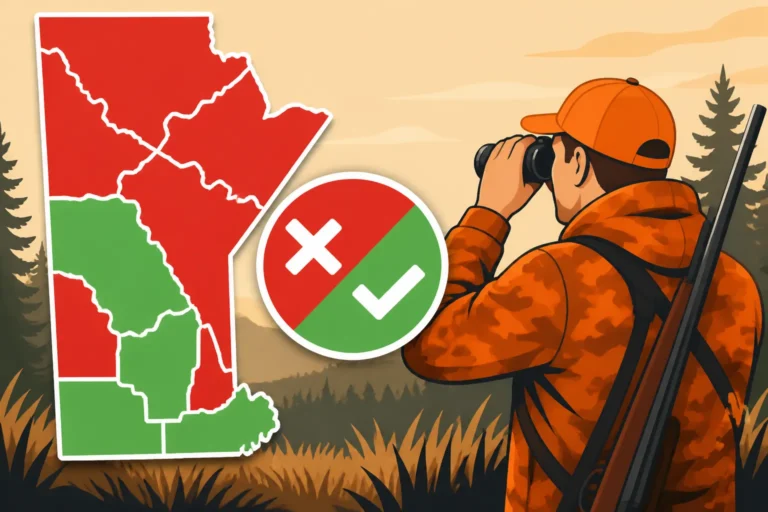
This is perhaps the most critical aspect: the second deer licence is almost always restricted to specific GHAs. These are usually areas with higher deer densities, often in the agricultural belts or certain areas of the Parkland and Interlake regions where deer thrive. You won't find a second deer licence option for every single GHA in the province. Each year, the province publishes which GHAs are open for a second deer licence, and these can vary. It’s your responsibility to know these boundaries and ensure you’re hunting in an approved GHA.
Furthermore, the season dates for a second deer licence might differ from your primary tag. Often, these second-tag seasons extend into the late archery or even late general rifle seasons, sometimes even into December. This means you might be hunting in colder conditions, or after the peak of the rut, requiring different tactics. Always refer to the official Manitoba Whitetail Season Dates by GHA to confirm when and where your second tag is valid. A quick check on a mapping app like GoHunt can help you visualize GHA boundaries and confirm the regulations for the specific area you're planning to hunt.
Strategies for Success on Your Second Tag
Once you understand the rules, the real work begins: strategizing how to fill that extra tag. Given that these are often antlerless tags, and frequently pursued later in the season, your approach might need to shift significantly from your primary buck hunt. The deer are warier, the cover is thinner, and the weather can be a formidable adversary.
Adapting to Late Season Conditions
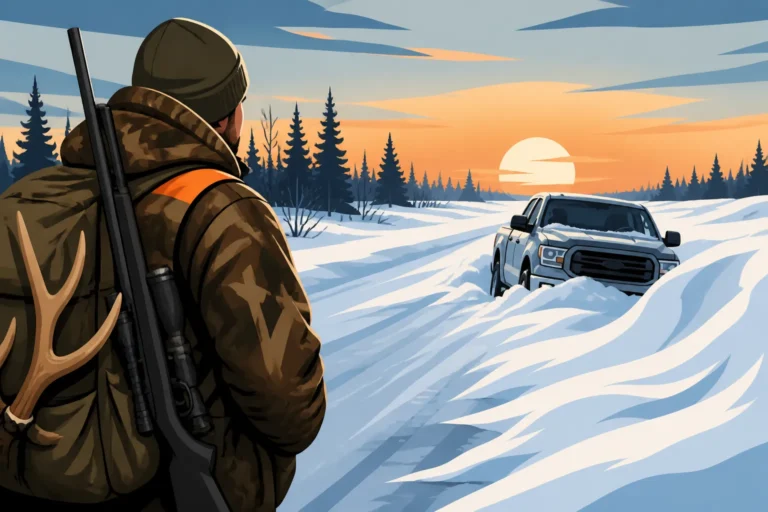
Late season hunting in Manitoba means dealing with the elements. We’re talking about potentially deep snow, bitter cold, and shorter daylight hours. Deer will be focused almost entirely on survival: finding food, conserving energy, and seeking thermal cover. This insight is your greatest asset. Instead of looking for rutting bucks, you’re now focusing on deer patterns related to bedding, feeding, and travel corridors between them.
Hunting when the temperatures plummet requires different gear and a different mindset. Sitting still for long periods in a stand demands specialized clothing, like insulated layering systems designed for extreme cold. Consider a ground blind that offers more protection from the wind. Deer will be concentrated in areas offering shelter from the wind and heavy snow, such as thick stands of conifers, dense willow bottoms, or south-facing slopes that catch more sun. Understanding Where Manitoba Whitetails Bed in Deep Snow can be the key to unlocking late-season success. They won't expend unnecessary energy in open areas if they can avoid it.
Shifting Focus to Doe and Fawn Behavior
With an antlerless tag, your entire focus shifts from trophy antlers to simply locating deer. Does and fawns tend to stick together in family groups, and they are often more predictable in their movements than mature bucks, especially after the rut. They will generally follow established routes between bedding and feeding areas. Look for larger groups of tracks in the snow leading to a standing corn field, a cut stubble field where they're gleaning, or even a sheltered bush edge.
You’ll want to scout for fresh sign around these areas, paying close attention to tracks, droppings, and browse lines. If you're using a tool like GoHunt, you can overlay property lines and topographical features to identify potential travel corridors and pinch points that funnel deer towards their food sources. This is a great time for still-hunting or methodical drives if you have a group, pushing deer out of heavy cover towards waiting hunters. Remember that does are the backbone of the herd, so harvesting them contributes to responsible deer management and provides excellent table fare.
Leveraging Different Hunting Methods
Your second tag might open up opportunities to try different hunting methods you didn't use for your primary buck. For example, if your primary hunt was archery, you might switch to Rifle Hunting Manitoba's Whitetail Rut or Hunting the Late December Season with a firearm. The longer range and greater knockdown power of a rifle can be an advantage in open farmland or when shooting through brush that's lost its leaves.
This is also an excellent time to try still-hunting or even organized drives if you have a small group. Still-hunting, moving slowly and deliberately through cover, stopping frequently to glass and listen, can be incredibly effective when deer are holed up in thickets. For drives, understanding Hunting a Manitoba Bush Edge or pushing through a willow run can push deer out into shooting lanes. Always ensure safety is paramount, especially when coordinating drives, making sure everyone knows the plan and shooting lanes.
Prime Locations for a Second Whitetail Opportunity
Manitoba offers diverse landscapes, and not all are created equal when it comes to maximizing your chances on a second deer licence. You’ll want to focus your efforts on areas known for healthy deer populations and, crucially, where second tags are specifically allowed.
Agricultural Zones and Parkland Fringe
Many of Manitoba's second deer licences are issued for GHAs located within the agricultural belt and the aspen parkland fringe. These areas are characterized by a mix of crop fields, shelterbelts, bush pockets, and sloughs. Deer here have abundant food sources and enough cover to thrive, leading to higher densities.
Consider areas around regions like the Pembina Valley, the Interlake, and the eastern and western portions of the province where agriculture meets mixed forest. These zones offer incredible opportunities because deer are constantly moving between bedding cover in the bush and feeding in the fields. Identifying key travel corridors, such as a willow run between two fields, a bluff of aspen, or a brushy draw that leads to a standing corn field, can be highly productive. For hunters using GoHunt, these areas often show a mosaic of private and public lands, requiring careful attention to Manitoba Landowner Permission Law or seeking out Hunting Whitetails on Manitoba Crown Land where available.
Wildlife Management Areas and Crown Land Pockets
Don't overlook Manitoba's extensive network of Wildlife Management Areas (WMAs) and various parcels of Crown land. While some WMAs might have specific restrictions, many are open to hunting and can be excellent spots for a second deer. These public lands often provide crucial habitat for deer, especially as private land access can be challenging. Many hunters might focus on private land for their primary buck, leaving less-pressured public land for a second opportunity.
Areas like the Alonsa Wildlife Area in the Interlake, or various Crown land blocks within the Duck Mountain Provincial Forest or Porcupine Hills Provincial Forest, might hold pockets of deer, particularly those animals pushed by pressure from earlier seasons. These spots often require a bit more effort to access, sometimes involving walking in further or using an ATV on designated trails. Consulting Manitoba's Game Hunting Areas maps and cross-referencing with Crown land maps is essential. Using a robust mapping app can show you where these public parcels are, helping you avoid trespass and plan your approach effectively.
| GHA (Example) | Primary Habitat Type | Typical Second Tag Season | Best Tactic for Antlerless | Considerations |
|---|---|---|---|---|
| 23 | Mixed Farmland/Bush | Late November – Mid-Dec. | Still-hunting, Field Edge | High population, requires permission |
| 29 | Parkland/Mixed Forest | Late November – Early Dec. | Drives, Still-hunting | Good public land access, snow can be deep |
| 35 | Interlake Bush/Slough | December Archery | Stand/Blind near food | Deer concentrate around cover |
| 34A | Agricultural/Pockets | Mid-November Rifle | Spot and Stalk, Drives | Check specific dates carefully |
Note: This table provides hypothetical examples. Always consult the most current Manitoba Hunting Guide for exact GHA regulations and season dates.
Identifying Winter Concentration Areas
As winter deepens, deer will often "yard up" or concentrate in specific areas that offer the best combination of food and thermal cover. These wintering areas become hotspots for late-season hunting. Look for dense conifer stands (spruce or pine), thick willow swamps, or even sheltered river bottoms that provide protection from the harshest winds and deepest snow.
These areas are where you'll find an abundance of deer sign, even if the deer themselves are bedded down tight. A careful scout of these locations can reveal heavy trails, fresh browse on trees and shrubs, and concentrations of droppings. This knowledge is especially critical when Hunting Safely in Deep Winter Cold because deer are more susceptible to pressure and less likely to move far once disturbed. If you can locate a wintering area and approach it carefully, you can often find good numbers of does and fawns. Just be mindful of other hunters who might have the same idea.
Gear and Tactics for Late Season Hunting
Late season hunting for that second tag isn't just about changing your location; it's about refining your gear and tactics to meet the demanding conditions and the specific behavior of deer at this time of year. Being prepared is key to both success and safety.
Essential Cold Weather Gear
When you're out Hunting Whitetails at Thirty Below, your gear list changes significantly. Forget light layers; you need heavy-duty insulation. A proper layering system is paramount:
- Base Layers: Moisture-wicking synthetics or merino wool to keep sweat away from your skin.
- Mid Layers: Fleece or down insulation for warmth.
- Outer Layers: A windproof, waterproof, and heavily insulated jacket and pants. Look for quiet fabrics that won't spook deer.
- Headwear: A thick toque or insulated hat that covers your ears, and a neck gaiter or balaclava to protect your face.
- Gloves/Mittens: Multiple pairs are often needed. Thinner shooting gloves for dexterity, and large, warm mittens to put over them when not actively shooting.
- Footwear: Insulated, waterproof boots rated for extreme cold are non-negotiable. Pair them with thick wool socks, possibly even two pairs. Consider boot warmers or chemical heat packs for extended sits.
Beyond clothing, a thermos of hot coffee or soup, chemical hand/foot warmers, and extra food for energy are crucial. Having a reliable knife, a headlamp with extra batteries, and a way to start a fire in an emergency are also critical components of a Winter Truck Kit for a Manitoba Hunt.
Adapting Your Stand and Blind Setups
Your typical early-season treestand setup might not be ideal for a late-season antlerless hunt. For one, the lack of foliage means you lose a lot of natural concealment. More importantly, sitting motionless in an open stand in freezing temperatures for hours is a recipe for misery and hypothermia.
Consider using a ground blind. These offer excellent concealment and, more importantly, protection from the wind and snow. Many modern ground blinds are spacious enough for a small heater, making Sitting All Day in a Manitoba Blind a much more comfortable and productive endeavor. Place blinds in natural travel corridors leading to food sources, or overlooking sheltered bedding areas. If using a treestand, focus on areas with dense evergreens or thick canopy that still provide some cover. Another tactic is setting up along Hunting a Frozen Slough Crossing or a fence line that deer use to funnel through the landscape.
Tracking and Recovery in Snow
One of the undeniable advantages of late-season hunting is the snow. Fresh snow provides a canvas for Reading Sign After a Fresh Snow, making it easier to locate deer and understand their movements. When hunting with a second tag, especially for antlerless deer, tracking becomes an even more effective tactic.
If you make a shot, the blood trail will be much more visible against the white background. Even if there's no visible blood, fresh tracks can lead you directly to your animal. This is especially helpful if you're hunting an area with limited visibility or dense cover. However, a word of caution: deep, soft snow can make tracking arduous, and getting an animal out of heavy snow can be a significant challenge. Plan your recovery route before you shoot, if possible. Having a game sled or even a simple tarp can make Getting a Deer Out on a Frozen Trail much easier.
Remember that responsible hunting extends to quick and ethical recovery. Take your time, confirm your shot, and trust the track. Even if it's cold, don't rush the tracking unless you're certain the animal is mortally wounded and tracking quickly will prevent it from getting too far.
Disclaimer
The information provided in this guide is for general informational purposes only and is not a substitute for official regulations. Hunting rules and regulations in Manitoba are subject to change. Always consult the current year's Manitoba Hunting Guide and relevant provincial government websites for the most accurate and up-to-date information before planning any hunting activity. Ensure you understand and comply with all licensing, season, GHA, and species-specific rules. Hunting inherently carries risks, and safety should always be your top priority.