Crossing the Border With a Rifle
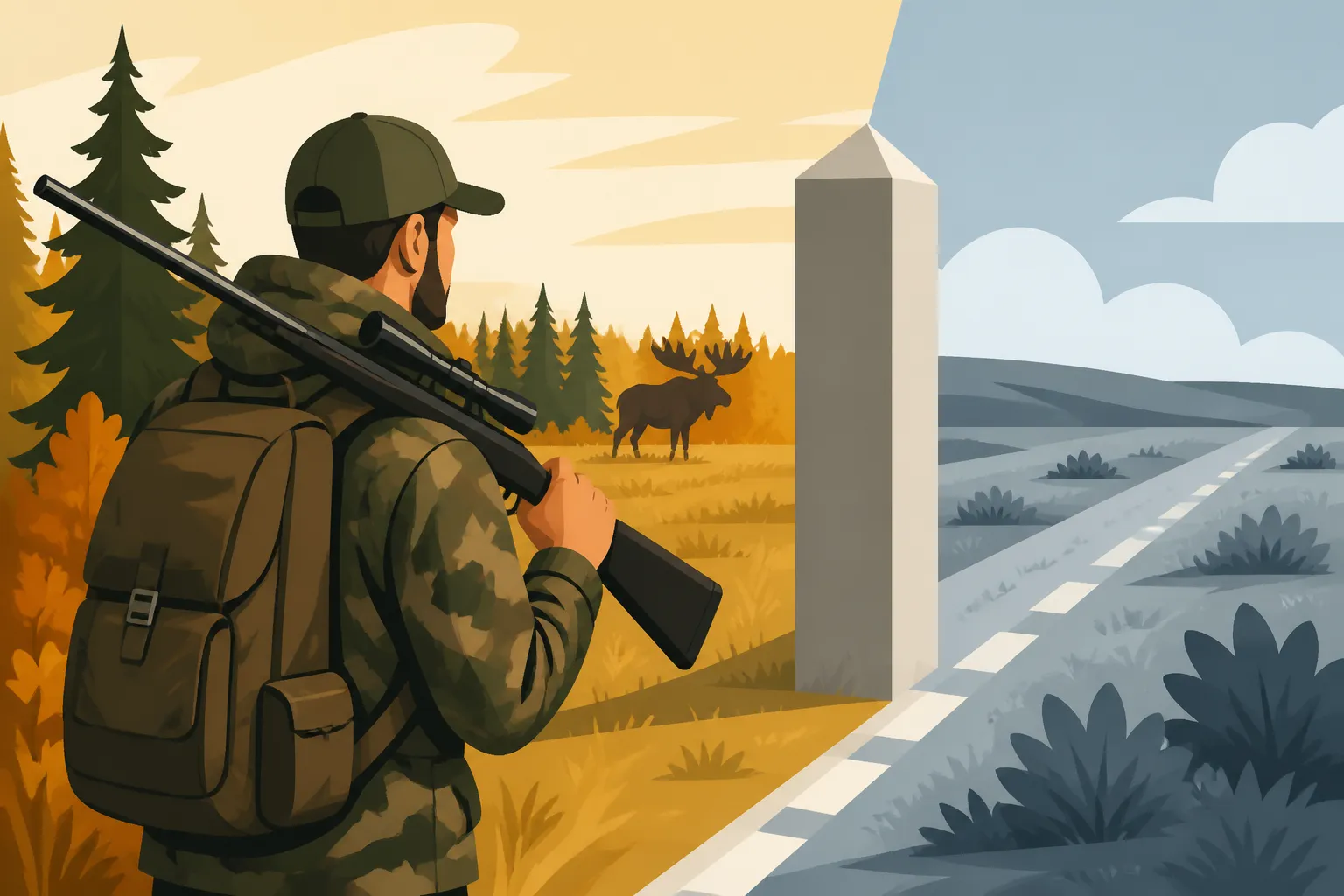
The idea of driving across the international border into Manitoba with your hunting rifle can feel like navigating a minefield. Many of us have heard the horror stories, or at least felt a knot in our stomach wondering if we've forgotten some obscure piece of paperwork. But bringing your trusty firearm north for a Manitoba hunting adventure doesn't have to be a nightmare. This guide is here to walk you through the process, step by painstaking step, so you can focus on the hunt, not the hassles.
Understanding Canadian Firearm Laws for Hunters
Before you even pack your bags, it's crucial to understand that Canada has its own set of firearm laws, and they might differ significantly from what you're used to back home. What's perfectly legal in one country might be restricted or even prohibited here, and ignorance of the law is never an excuse. Taking the time to familiarize yourself with these regulations can save you a world of grief at the border.
Categories of Firearms in Canada
In Canada, firearms are generally classified into three main categories: non-restricted, restricted, and prohibited. For most hunters coming to Manitoba, your primary concern will be with non-restricted firearms, which typically include most common hunting rifles and shotguns. Restricted firearms include most handguns and certain semi-automatic rifles, while prohibited firearms include fully automatic weapons, sawed-off shotguns, and certain handguns. It's imperative that you do not attempt to bring a restricted or prohibited firearm into Canada unless you have specific, rare, and pre-approved authorization, which is almost never the case for a standard hunting trip.
Even within the non-restricted category, there can be nuances. Barrel length, overall length, and magazine capacity are all factors that can affect a firearm's classification. For example, a rifle that might be considered a standard hunting rifle elsewhere could become restricted or even prohibited if it falls under certain Canadian definitions, even if it looks benign. This is why it's so important to verify the status of your specific firearm before you travel. Most hunting rifles will be non-restricted, but it never hurts to double-check.
The Importance of Due Diligence
Many hunters feel a bit overwhelmed by the red tape, and that's completely understandable. It feels like you need a law degree just to figure out what you can and can't bring. However, a little homework on your part can prevent major headaches. The Canadian Border Services Agency (CBSA) website is the official source for all regulations, and while it can be dense, it contains the most accurate information. Don't rely solely on what you hear from a buddy or an internet forum, no matter how well-intentioned. Always go to the official source.
It's also a good idea to communicate with your Manitoba outfitter if you're booking a guided trip. They deal with non-resident hunters and their firearms all the time and can often provide practical advice or confirm details specific to the type of hunt you've booked. Many outfitters understand the anxieties involved and are happy to help ensure you're prepared. If you're planning a trip, be sure to ask about Rules for Non-Residents Hunting Manitoba and Bringing Firearms Into Manitoba.
The Non-Resident Firearm Declaration Form
This is perhaps the single most critical piece of paper you'll need when crossing the border with your rifle. It's essentially your temporary firearm license for Canada, and getting it right is paramount.
What is Form CAFC 909?
The Non-Resident Firearm Declaration, officially known as Form CAFC 909, is the document you'll use to declare your firearms to Canadian customs. It serves as a temporary permit, allowing you to possess non-restricted firearms for the purpose of hunting, target shooting, or competition in Canada. You must complete this form before you arrive at the border, but there's a crucial detail: you do not sign it until you are in front of a Canadian Border Services Officer (BSO). They need to witness your signature.
The form itself asks for details about you (name, address, passport info), your firearms (make, model, serial number, caliber, barrel length), and ammunition. You'll need to declare each firearm individually. It's not a complicated form, but it requires accuracy. Any discrepancies between the form and the actual firearms could lead to delays or worse. Make sure you bring three copies of the filled-out form, as it will be processed in triplicate. You'll pay a fee at the border for this declaration, and it's generally valid for 60 days. Don't forget to also consider Ammunition Rules at the Border.
Filling Out the Declaration Correctly
Accuracy and completeness are key here. Take your time when filling out Form CAFC 909. Double-check all serial numbers, makes, and models against your actual firearms. For example, if your rifle is a Winchester Model 70, write "Winchester" for the make and "Model 70" for the model. Don't abbreviate or use nicknames. Ensure the caliber is correct (e.g., .30-06 Springfield, not just .30-06).
A common mistake is signing the form beforehand. I've heard stories of hunters, eager to be prepared, signing it at home only to be told they need to fill out a new one at the border, causing unnecessary delays and frustration. Remember, the BSO must witness your signature. If you're a bit unsure about any part of the form, leave it blank and ask the officer for clarification when you arrive. They are there to help ensure compliance, not to trip you up. Using resources like GoHunt can sometimes provide insights from other hunters who have navigated this specific paperwork, but always verify with official sources.
Essential Documents and What to Pack
Beyond the firearm declaration itself, there's a whole host of other documents and preparations that will make your border crossing smooth and stress-free. Think of it as building a robust case for your entry into Canada.
Personal Identification and Travel Documents
Your passport is your primary identification document and is absolutely essential for crossing the international border. Make sure it's valid and won't expire during your trip. A driver's license is also important, especially if you're driving. Having secondary forms of identification isn't a bad idea either, just in case.
Beyond identity, you'll need documents proving the purpose of your visit. If you're hunting with an outfitter, a letter of invitation or confirmation from them, detailing your hunt dates and location, is incredibly helpful. If you're hunting independently, be ready to explain your itinerary, where you plan to hunt (e.g., specific Game Hunting Areas, or GHAs), and where you'll be staying. This helps the BSO understand your intentions and confirms you're not just bringing a firearm across without a legitimate reason. Remember to research Manitoba's Game Hunting Areas for your trip.
Hunting Licences and Hunter Education
You absolutely need to have your Manitoba hunting licence and any required species-specific tags. These should be purchased beforehand, ideally online through the Manitoba e-licensing portal. While you don't necessarily need to show these at the border, having them ready proves your legitimate intent to hunt. A BSO might ask to see them to verify your purpose.
Additionally, proof of hunter education may be required, especially for first-time hunters in Manitoba. Carry your hunter education card or certificate from your home jurisdiction. While Canada recognizes most state-level hunter education programs, having the physical proof can smooth things over. Don't forget to understand Manitoba Hunter Education Requirements. For big game species, like deer, moose, or bear, you'll also have specific tags that come with your licence.
Here's a handy checklist of documents to have organized and easily accessible:
| Document Category | Specific Item | Notes |
|---|---|---|
| Personal ID | Valid Passport | Absolutely essential for international travel |
| Valid Driver's License | For driving and secondary ID | |
| Firearm Documents | Non-Resident Firearm Declaration (Form CAFC 909) | Fill out in triplicate, do not sign until at customs officer |
| Proof of Firearm Ownership | Registration, bill of sale, or other legal proof from home country | |
| Hunting Documents | Manitoba Hunting Licence (printed) | Purchased online before arrival |
| Species-Specific Tags (if big game) | With your licence | |
| Hunter Education Card/Certificate | Proof of completion from your home jurisdiction | |
| Trip Details | Outfitter Letter of Invitation (if guided) | Confirms purpose, dates, and location of hunt |
| Itinerary / Accommodation Details | Lodge booking, camp plans, etc. | |
| Vehicle Documents | Vehicle Registration | Proof of ownership |
| Proof of Vehicle Insurance | Valid for international travel, often called a "non-resident inter-province motor vehicle liability card" |
Crossing the Border: What to Expect at Customs
The moment of truth! Approaching the border can feel a bit nerve-wracking, but if you're prepared, it's usually a straightforward process. Transparency and honesty are your best friends here.
Declaring Your Firearms at the Primary Inspection Kiosk
As you approach the Canadian border, you'll typically go through a primary inspection kiosk or lane. This is where you declare your intentions and possessions. When the BSO asks if you have anything to declare, state clearly and confidently: "Yes, I am declaring firearms for hunting purposes." You should also mention any ammunition you're bringing. Don't try to hide anything or be vague; this only creates suspicion.
The BSO will then direct you to an area for secondary inspection, which is standard procedure when declaring firearms. This isn't a sign that anything is wrong; it's simply where they will process your firearm declaration and conduct any necessary checks. This is the place where you'll present your completed (but unsigned) Non-Resident Firearm Declaration Form. Many hunters rely on helpful platforms like BookYourHunt when choosing outfitters, knowing that reputable ones will ensure you're fully informed about border procedures well in advance.
The Secondary Inspection Process
Once in secondary inspection, a different BSO will typically review your documents. This is when you'll sign your Form CAFC 909 in their presence. They will verify the details on the form against your passport and then likely ask to inspect your firearms. They'll want to see them unloaded, preferably in a locked case. The best practice is to have your firearms stored securely in your vehicle's trunk or a dedicated, locked compartment, separate from ammunition. When asked to present them, do so calmly and follow all instructions.
The BSO will typically check the serial numbers and types of firearms to ensure they match your declaration and are legal for entry into Canada. They may also inspect your ammunition to ensure it meets Canadian requirements (e.g., limits on certain types of ammo or magazine capacities, though for typical hunting, this is rarely an issue). Be patient, answer all questions truthfully, and cooperate fully. It might take a little time, but once approved, you'll pay the fee, receive your signed copy of the declaration, and be on your way to enjoy Manitoba Hunting Licences and What They Cost and your hunt!
After Crossing: Firearm Use and Storage in Manitoba
Congratulations, you've made it across! Now that you're in Manitoba, it's essential to understand that carrying and storing your firearm correctly is still subject to strict regulations. These rules are in place for public safety and to maintain responsible hunting practices.
Safe Transportation of Firearms in Manitoba
Once you're past the border, your firearms must remain stored safely and securely when not in active use. For non-restricted firearms like hunting rifles, this generally means they must be unloaded and stored in a case or securely wrapped, ideally in a part of the vehicle that is not readily accessible from the passenger compartment. For example, in the trunk of a car or a locked toolbox in the back of a pickup truck. It's often recommended to keep the firearm's bolt removed or a trigger lock engaged, although not strictly required for non-restricted firearms during transport, it shows an extra level of responsibility.
Ammunition should also be stored separately from the firearm itself. You don't want loaded firearms or easily accessible ammunition while traveling to your hunting camp or between hunting locations. These rules are non-negotiable and are enforced by conservation officers and law enforcement across the province. Getting caught with an unsafely transported firearm can lead to severe penalties, including fines and confiscation. Always transport your firearms with the utmost care and respect for the law.
Proper Storage at Camp or Lodge
When you arrive at your lodge or camp, the rules for safe storage continue. Your firearms must be unloaded and stored in a secure manner when you're not actively hunting. This typically means in a locked cabinet, a safe, or at the very least, secured with a trigger lock or cable lock, rendered inoperable. Your outfitter or lodge host will likely have specific facilities or advice on how to store your firearms safely within their premises. Manitoba Hunting Lodges and Camps are generally well-versed in these rules.
Never leave firearms unattended and unsecured, especially in common areas or vehicles. Even if you're just stepping away for a few minutes, take the time to secure your firearm. This isn't just about legal compliance; it's about preventing accidents and deterring theft. Hunters have a responsibility to be stewards of firearm safety, and that extends to proper storage at all times. Always ensure that only authorized individuals have access to your firearms.
Common Pitfalls and How to Avoid Them
Even with the best intentions, hunters can sometimes stumble into common traps. Knowing what these pitfalls are can help you steer clear and ensure a smooth, enjoyable hunting trip.
Misinformation and Assumptions
One of the biggest pitfalls is relying on outdated information or making assumptions. Laws and regulations can change, and what was true last year might not be true today. This includes everything from firearm classifications to specific rules about Manitoba Big Game Season Dates. Always consult the most current official sources, such as the Canadian Border Services Agency and Manitoba's Department of Natural Resources and Northern Development, before your trip.
Don't assume that because your firearm is legal in your home state, it's automatically legal in Canada. Certain semi-automatic rifles, for example, might be considered non-restricted in some parts of the US but could be restricted or even prohibited in Canada due to specific design features or nomenclature. Verify your specific firearm's classification on the RCMP's official website or through direct inquiry. A quick call to the CBSA information line (before you leave home!) can often clarify any uncertainties.
Incomplete or Incorrect Paperwork
Forgetting a document, making an error on the Non-Resident Firearm Declaration, or not having enough copies can lead to significant delays and frustration at the border. Remember to fill out Form CAFC 909 accurately and completely, and crucially, do not sign it until instructed by a BSO. Having a dedicated "border crossing" folder with all your necessary documents organized makes the process much smoother.
It's also worth checking the validity of your passport and other IDs well in advance. An expired passport is an immediate showstopper. Make sure all names and dates on your documents match perfectly. A simple typo on your declaration form could cause a lengthy delay while officers verify details. If you're unsure about The Non-Resident Firearm Declaration, consult official guidance.
The Hidden Costs and Currency Exchange
While not strictly a "pitfall" regarding legality, many hunters overlook the cost associated with the Non-Resident Firearm Declaration. There's a fee payable at the border, and it's important to be prepared for this. While credit cards are usually accepted, having some Canadian cash on hand can be useful for this or other small purchases.
Another often-overlooked aspect is currency exchange. Be aware of the exchange rate between your home currency and the Canadian dollar, as it can significantly impact the overall cost of your trip, including outfitters, licences, and other expenses. While many places accept US dollars, the exchange rate offered by vendors might not always be the most favourable. Understanding What a Non-Resident Licence Costs will help you budget.
Remember, patience and politeness go a long way. The border officers are doing their job to ensure national security and uphold Canadian law. A cooperative attitude, combined with thorough preparation, will make your entry into Manitoba a breeze, allowing you to focus on the incredible hunting opportunities that await you. Planning a Manitoba Hunting Trip involves many steps, and border crossing is one of the most important.
Disclaimer
This article is for general informational purposes only and does not constitute professional advice. Laws, prices and regulations vary by location and change over time. Consult a qualified professional for guidance on your specific situation.