Hunting Manitoba’s November Whitetail Rut
The crisp, cold air of November in Manitoba brings with it a unique blend of excitement and challenge for whitetail hunters. It’s that magical time when bucks, driven by instinct, drop their cautious routines and become significantly more active and vulnerable, leading to both incredible opportunities and intense frustration. This guide will walk you through everything you need to know to maximize your chances during the thrilling peak of Manitoba's whitetail rut.
Understanding the November Rut in Manitoba
The whitetail rut isn't a single event; it's a dynamic period driven by biological imperative, influenced heavily by local conditions. For hunters, grasping the nuances of this time is paramount to success. It's when deer behaviour shifts dramatically, opening windows for specific strategies that wouldn't work at other times of the season.
The Science Behind the Peak Rut
At its core, the whitetail rut is triggered by photoperiod – the decreasing amount of daylight after the autumnal equinox. This consistent biological clock ensures that fawns are born in late spring or early summer, when food is abundant and conditions are mild enough for their survival. While moonlight cycles and specific temperatures were once thought to directly trigger the rut, studies have consistently shown that the shortening days are the primary driver, leading to hormonal changes in both bucks and does. As testosterone levels surge in bucks, they become aggressive, territorial, and single-minded in their pursuit of receptive does. Does, in turn, enter estrus, typically for a 24-48 hour window, making them the primary focus of every buck in the area. This intense period of breeding activity is what we refer to as the "peak rut."
Manitoba's Specific Rutting Calendar
In Manitoba, the whitetail rut typically kicks into high gear during the first two to three weeks of November, though pre-rut activity can often be observed in late October. The peak breeding phase often falls around November 7th to 14th, but this can vary slightly year to year and even by region within the province. Early November usually sees the "chase phase," where bucks are actively trailing does, but the does might not be fully receptive yet. This is a great time to be in the woods, as bucks are moving a lot. The peak itself is characterized by frantic buck activity, often involving classic rut behaviour like scrapes, rubs, and aggressive sparring. After this intense period, typically mid-to-late November, many does have been bred, and buck activity may taper off slightly, moving into a "post-rut" phase where bucks are recovering but still checking for late-estrus does. Understanding these subtle shifts is key, as the exact timing of the peak rut can dictate optimal hunting strategies, from calling intensity to stand locations. Keep an eye on local reports and conditions; online platforms like GoHunt can be invaluable for tracking hunter observations and understanding patterns in your specific Game Hunting Area (GHA).
Impact of Weather on Rut Activity
While photoperiod sets the stage, local weather conditions play a significant role in dictating when deer move and how intensely they express rut behaviour. Crisp, cold weather with light snow is often considered ideal. Cold temperatures motivate deer to move more during daylight hours to feed and seek warmth, and it generally makes bucks more comfortable being active. A sudden cold snap can often kick deer activity into overdrive, pushing them to chase and breed more openly. Conversely, unseasonably warm spells can suppress daylight movement, pushing activity more towards nocturnal hours. Heavy rain or strong winds can also reduce movement, as deer seek shelter. A fresh blanket of snow, however, can be a hunter's best friend. Not only does it make deer more visible, but it also clearly reveals their travel patterns and intensity of rut sign, such as fresh tracks, scrapes, and rubs. When you're planning your hunt for Hunting Manitoba's November Whitetail Rut, always keep an eye on the forecast and adjust your tactics accordingly.
Prime Hunting Strategies During the Rut
The rut is a time for aggressive, proactive hunting. Unlike the early season where stealth and patterning feeding routes might be key, November demands tactics that capitalize on the buck's single-minded focus on does. You need to be where the does are, or draw bucks to you with convincing calls and scents.
Aggressive Calling and Rattling Techniques
During the peak of the rut, bucks are highly responsive to calling and rattling because they're actively seeking does and dominance. This isn't the time for timid bleats; often, you need to be assertive. Grunt tubes are excellent for mimicking a buck trailing a doe or a challenging rival. Vary your grunts from short, inquisitive sounds to longer, more aggressive roars, especially if you see a buck in the distance. Doe bleats, particularly estrus bleats, can be highly effective in drawing a buck looking for a receptive partner. For Rattling and Calling Parkland Whitetails, rattling antlers can simulate a realistic buck fight. Start with a light sparring sequence, then build to an intense, drawn-out battle, grinding the antlers together, breaking twigs, and stomping the ground to make it sound authentic. Wait 15-20 minutes after a rattling sequence, as a buck might circle downwind before approaching. Consider using a decoy with calling to visually seal the deal, especially in more open terrain where visibility is good. Remember, timing and volume are critical – match your calling to the intensity of rut activity you're observing.
Stand Placement and All-Day Sits
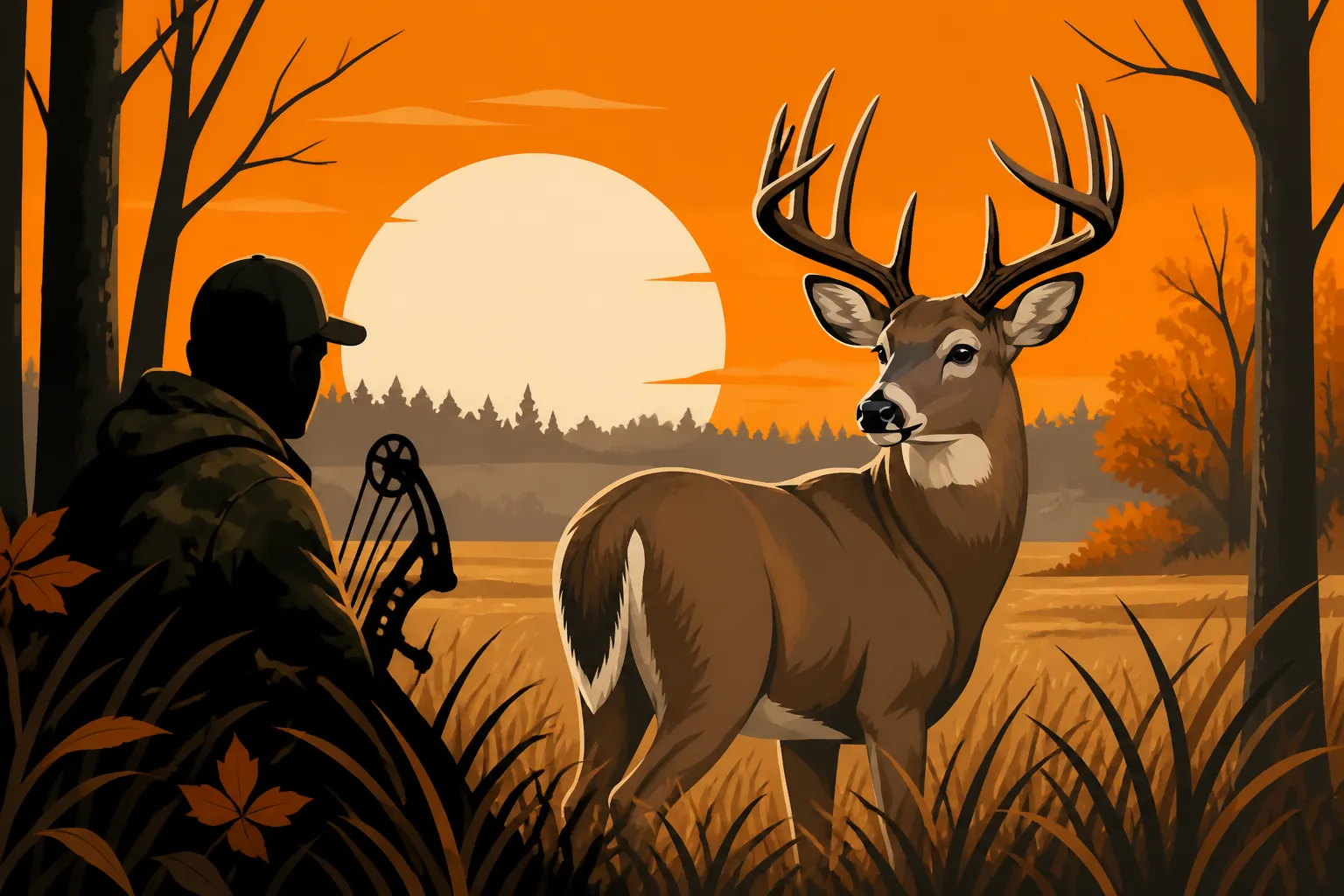
Stand placement during the rut shifts from bedding-to-feeding patterns to intercepting cruising bucks and areas where does congregate. Focus on natural funnels, pinch points, and corridors that bucks will use to travel between doe groups. These could be narrow strips of timber between fields, saddles in ridges, creek bottoms, or the edges of dense cover. Think about areas where different habitat types meet, like where a bush edge transitions into agricultural fields – these are often prime travel routes. Additionally, place stands overlooking active scrape lines and rub lines, especially those with fresh activity, as bucks will revisit these to leave their calling card. During the rut, bucks can move at any time of day, so Sitting All Day in a Manitoba Blind becomes a highly effective strategy. Pack plenty of food, water, and warm layers because you don't want to get down and potentially spook a deer that might be moving at midday. A mid-day lull might simply be a chance for a big buck to move unnoticed while other hunters are back at camp.
Tracking and Still-Hunting in the Rut
While stand hunting is popular, still-hunting and tracking can be incredibly productive, especially when conditions are right. A fresh snowfall provides an excellent canvas for Reading Whitetail Sign in Manitoba Aspen and beyond. Look for large, deliberate tracks, especially those that meander rather than follow a straight path, indicating a buck on the prowl. Pay attention to how a buck’s tracks deviate from a doe’s – larger, deeper imprints, often showing a wider stride. Follow these tracks slowly and deliberately, taking two or three steps, then pausing to scan ahead, using your binoculars frequently. The key is to blend into the environment and move with extreme caution, utilizing every bit of cover available. Still-hunting, moving slowly through known deer areas like dense cover adjacent to feeding grounds or thick willow runs, allows you to cover more ground and potentially intercept a buck that's moving between bedding areas or checking for does. During the rut, bucks are so focused on breeding that they can sometimes be caught off guard, especially if you move silently and effectively. This active approach can be particularly rewarding in dense bush country where visibility from a stand might be limited.
Equipment and Gear Considerations for Rut Hunting
Manitoba's November weather can be notoriously unpredictable, swinging from mild to bone-chillingly cold in a matter of hours. Being prepared with the right equipment is not just about comfort, but safety and sustained focus, especially when sitting for long periods.
Optimal Firearms and Ammunition
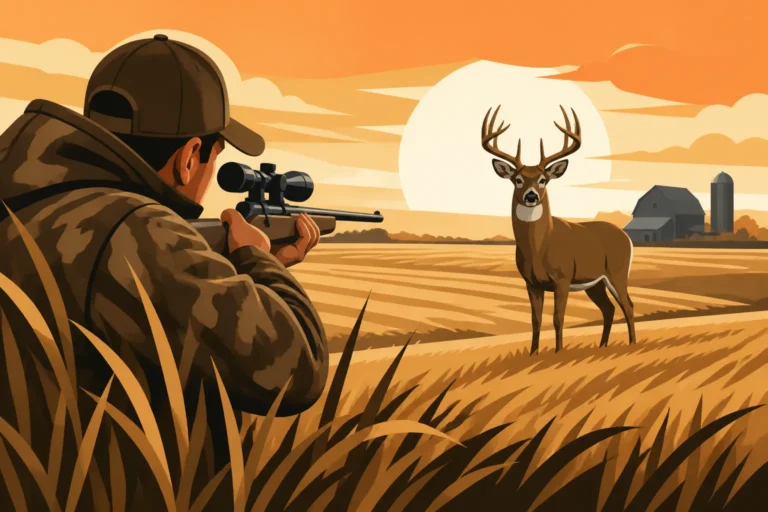
For hunting Manitoba's whitetail rut, reliability and ethical stopping power are paramount. Most hunters opt for a centerfire rifle due to the potential for longer shots, especially in more open parkland or farmland areas. Common calibers like .270, .30-06, .308 Winchester, and 7mm-08 are excellent choices, offering a flat trajectory and sufficient energy for whitetails. For those hunting in dense bush or closer quarters, a .30-30 or a shotgun with slugs can also be effective. The key is to use a firearm you are proficient and comfortable with, and to practice regularly at various distances. Ammunition choice is equally important; select a bullet that is known for good expansion and penetration to ensure a clean, humane kill. Brands like Federal Premium, Hornady Precision Hunter, and Winchester Deer Season XP offer excellent options specifically designed for deer hunting. Regardless of your choice, ensure your rifle is sighted in perfectly before you head out, and practice shooting from real-world hunting positions, not just off a bench. Knowing your weapon system intimately builds confidence, which is crucial when that big rutting buck steps out.
Layering for Manitoba's November Cold
Manitoba's November can throw anything at you, from relatively mild days to truly bitter cold snaps. Proper layering is absolutely essential for staying warm and focused during long hours in the stand or still-hunting through the bush. Start with a good base layer – merino wool or synthetic materials are best for wicking moisture away from your body, preventing that clammy, cold feeling. Next, add a mid-layer, such as a fleece or down vest, for insulation. This layer traps warm air close to your body. Your outer layer should be windproof and water-resistant, protecting you from the elements. A heavy insulated jacket and bibs, often in camouflage patterns, are ideal. Don't forget your extremities: a warm hat, neck gaiter, insulated gloves or mittens (perhaps with a thin shooting glove underneath), and insulated, waterproof boots are critical. Consider carrying hand and foot warmers for those especially frigid days. Remember, when you're Hiking Safely in Deep Winter Cold, it's easier to shed a layer if you get too warm than it is to get warm once you're cold. Having multiple thin layers also allows for better temperature regulation as conditions change throughout the day.
Scent Control and Attractants
Scent control is always important in deer hunting, but it takes on added significance during the rut. While a buck’s primary drive is breeding, he still has an incredible nose and will quickly bust you if he catches a whiff of human odour. Use scent-eliminating sprays on your clothes and gear, wash your hunting clothes in scent-free detergent, and store them in airtight bags. Pay attention to your breath and body odour, too; scent-free soaps and deodorants are a must. On the flip side, attractant scents can be highly effective during the rut. Doe estrus urine is a classic choice, mimicking the scent of a receptive doe. Use it sparingly on scent wicks hung near your stand or drag rags to create a scent trail. Buck urine, especially from a dominant buck, can challenge rival bucks and bring them in looking for a fight. Be cautious with these, though; too much can sometimes spook wary bucks. Always consider wind direction when deploying scents. You want the scent to drift into areas where deer might be traveling, without carrying your human scent to them. Some hunters also use synthetic scents or natural deer cover scents (like pine or earth) to further mask their presence. GoHunt forums often have great discussions on what's working locally.
Key Locations and Habitat for Rutting Whitetails
During the rut, bucks prioritize finding does, and does, in turn, often stick to familiar, secure areas. Understanding where these intersect is crucial for effective stand placement and still-hunting routes. Manitoba offers a diverse range of habitats, each with its own rutting hotspots.
Farmland Edges and Shelterbelts
In Manitoba's agricultural belt, bucks will travel extensively along farmland edges and through shelterbelts to find does. These linear features provide cover and travel corridors in otherwise open landscapes. Bucks will cruise the fringes of standing corn, soybean, or wheat fields, scent-checking for does that might be feeding or bedding nearby. A shelterbelt, a line of trees planted as a windbreak, acts as a superhighway for deer movement, often connecting larger woodlots or bedding areas. These are excellent places for a stand, especially if the shelterbelt provides a good vantage point over both the field and the interior of the tree line. Look for areas where shelterbelts intersect or form a "T" or "L" shape, as these create natural funnels. Hunting a Swathed Grain Field at Dusk can be highly productive, as deer often use these fields for late-day feeding before heading into cover. You'll also find heavy rub and scrape lines along these edges, indicating active buck traffic. Be mindful of land ownership; always get permission before Hunting Whitetails on Manitoba Farmland.
Bush Country and Timber Pockets
Manitoba's bush country, particularly the aspen parkland and mixed forest regions, offers different challenges and opportunities. Here, bucks will often patrol through timber pockets and dense bush, checking for does within their core range. Look for areas with a mix of cover – thick spruce or pine for bedding, interspersed with aspen or poplar stands where deer feed. River bottom thickets, beaver swamps, and willow runs are also prime areas during the rut. Bucks will use these dense areas for security and as travel corridors, especially during daylight hours. Pay attention to changes in elevation, like small ridges or bluffs, as deer will often travel the tops or sides of these features. Finding a good vantage point within the bush to observe an open pocket or a natural funnel can be very effective. Scouting with aerial imagery (which tools like GoHunt provide) can help identify these hidden pockets and travel routes that might not be obvious from the ground. Look for areas where cover converges, creating natural pinch points that deer are forced to pass through.
River Bottoms and Travel Corridors
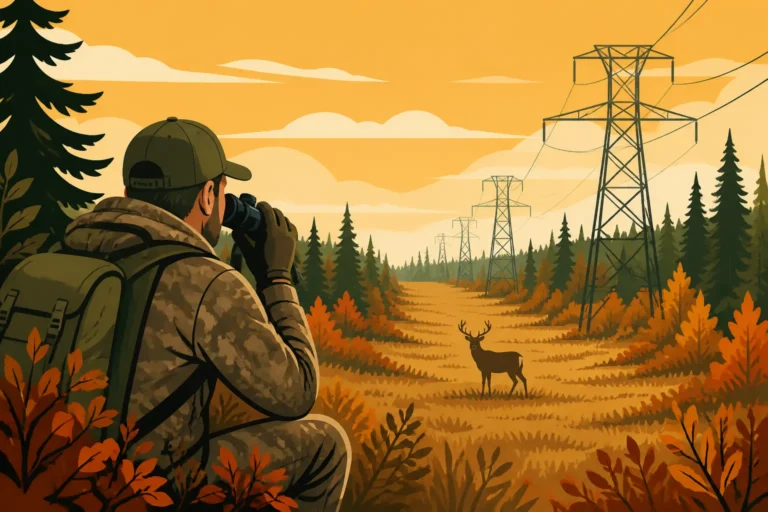
River bottoms and creek drainages are perennial hotspots for deer, and during the rut, they become even more crucial. These natural travel corridors provide cover, water, and often diverse food sources, making them ideal places for does to live and for bucks to cruise. The denser vegetation along riverbanks, often a mix of willow, aspen, and brush, offers excellent security cover. Bucks will travel these drainages, scent-checking for does, rubbing trees, and making scrapes. Look for crossings, narrow sections, or where a tributary joins the main waterway, as these are natural bottlenecks. The Pembina Valley Slopes and areas near the Assiniboine River are prime examples of river country that holds significant numbers of deer, especially during the rut. Also, consider old logging roads, power lines, or even old fence lines within larger blocks of timber. These linear features often become preferred travel routes for deer moving between different parts of their habitat. Setting up a stand overlooking one of these corridors, especially if it leads from a known bedding area to a feeding area or a doe-heavy zone, can put you right in the path of a cruising buck.
Safety and Ethical Considerations During the Peak Season
The excitement of the rut can sometimes lead to rushed decisions or overlooking important safety aspects. It's crucial to prioritize safety, ethical hunting practices, and adherence to regulations, especially with increased hunter presence during this popular season.
Increased Hunter Pressure Management
The November rut is arguably the most popular time for whitetail hunting in Manitoba, meaning more hunters are in the field. This increased pressure can affect deer movement, often pushing bucks into thicker cover or making them more nocturnal. To manage this, consider hunting during weekdays when pressure is typically lower, or focus on areas that are harder to access, requiring a longer walk or the use of an ATV (where permitted). On public land, try to find ground other hunters drive past. Often, just walking a few hundred yards further than most people will go can put you into undisturbed deer habitat. Always be aware of your surroundings; wear blaze orange as required by Manitoba regulations, even when sitting in a blind, and be absolutely certain of your target and what lies beyond it before taking a shot. Using a GPS with land ownership layers can help you avoid encroaching on private land and understand public access points, a feature often available through digital mapping tools like GoHunt. Communicate with other hunters if you encounter them, sharing information respectfully to avoid conflicts or overlapping hunting areas.
Carcass Care and Meat Preservation
Taking care of your harvest promptly and properly is an ethical responsibility that ensures you get the best quality meat from your whitetail. Once you've harvested a deer, field dressing should be done as quickly as possible to allow the carcass to cool down. In November in Manitoba, temperatures are often ideal for cooling, but if it's unseasonably warm, you'll need to work even faster. Hang the deer, if possible, to allow for better air circulation and drainage. Skinning the deer promptly after field dressing, especially if temperatures are above freezing, will further aid in cooling. For longer hauls or if you're not processing immediately, quartering the animal and placing the meat in game bags in coolers with ice can preserve it until you can get to a butcher or your home processing station. During Meat Care in Manitoba's Cold Snaps, be careful not to let the meat freeze solid if you plan to hang it and age it. Check the regulations for your specific GHA regarding carcass transportation, especially with concerns about Chronic Wasting Disease (CWD).
Knowing Your Regulations and GHAs
Manitoba has specific regulations for big game hunting, and ignorance is not an excuse. Before you head out, make sure you thoroughly understand the rules for your chosen Game Hunting Area. This includes specific season dates, legal weapons, bag limits, and any GHA-specific restrictions. For example, some GHAs might have archery-only seasons, while others allow rifle hunting. Make sure your licence and tags are current and properly validated immediately upon harvest. It's also critical to understand Manitoba's CWD Sampling Requirements, especially if you are hunting in designated surveillance zones. The province may require hunters to submit samples from harvested deer in certain areas to monitor the spread of the disease. Knowing your GHA boundaries is paramount. While physical maps are still useful, digital mapping tools on your phone or GPS unit are invaluable for pinpointing your location relative to GHA lines, private land, and other restricted areas. Stay informed by checking the annual Manitoba Hunting Guide or the provincial government's wildlife website before each season, as regulations can sometimes change. Responsible hunting means being a well-informed hunter.
| Rut Hunting Strategy | Description | Optimal Conditions | Pros | Cons |
|---|---|---|---|---|
| Aggressive Calling | Using grunt tubes, bleats, and rattling antlers to mimic deer interactions. | Peak rut, cold weather, areas with good buck-to-doe ratio. | Directly appeals to bucks' rutting instincts, can draw deer from afar. | Can spook deer if overdone or sounds unnatural; requires practice. |
| All-Day Stand Sit | Remaining in a treestand or ground blind from dawn until dusk. | Peak rut, cold weather, good vantage over travel corridors. | Maximizes chances as bucks move all day; minimizes human scent. | Mentally and physically demanding; requires significant preparation. |
| Still-Hunting | Moving slowly and deliberately through cover, pausing frequently to scan. | Post-snowfall, dense cover, light wind, during peak or post-rut. | Covers more ground, good for finding hidden bucks; active approach. | Requires extreme stealth and patience; easy to spook deer. |
| Tracking | Following fresh deer tracks, especially those of large bucks, in snow. | Fresh, light snow; stable temperatures; good visibility. | Highly targeted for specific bucks; exhilarating. | Can be very slow and demanding; requires keen observation skills. |
Disclaimer
The information provided in this guide is for general knowledge and informational purposes only, and does not constitute legal advice. Hunting regulations, seasons, and requirements can change frequently. It is the responsibility of every hunter to consult the most current Manitoba Hunting Guide, understand all applicable federal, provincial, and local laws, and obtain the necessary licences and permits before engaging in any hunting activities. Always prioritize safety and ethical hunting practices.