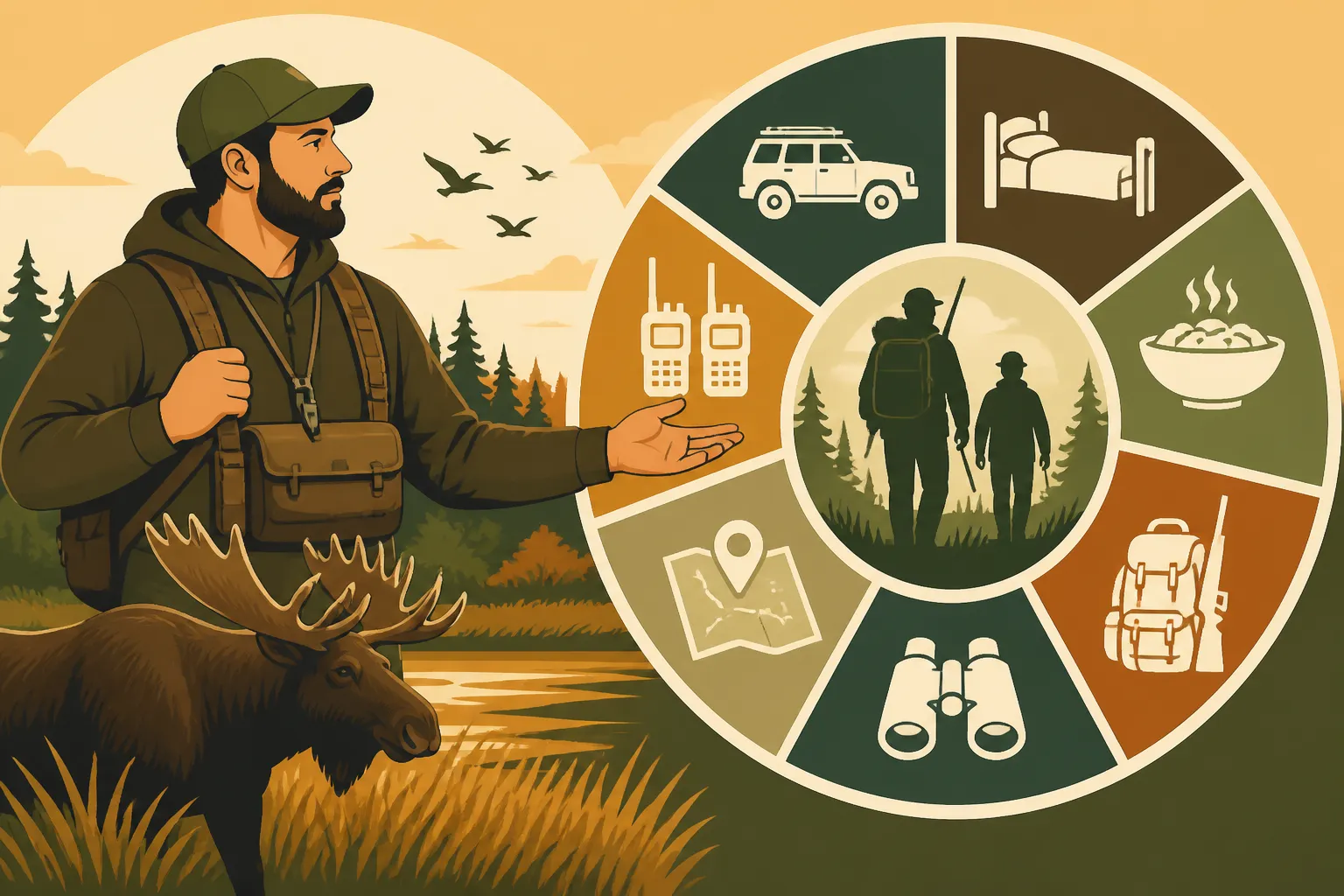
What a Guide Fee Actually Covers
It’s easy to look at a Manitoba hunting guide’s fee and imagine a single price covers everything, only to be met with a cascade of additional charges. That initial number can seem quite substantial, and if you're not prepared, the extra costs can quickly turn your dream hunt into a financial headache. Many hunters feel a real frustration when they realize the 'all-inclusive' package they thought they booked actually has more asterisks than a night sky. This guide is here to untangle the complexities, peel back the layers, and clarify exactly what that guide fee typically covers in Manitoba, so you can plan your next adventure with confidence and no unwelcome surprises.
Breaking Down the Base Guide Fee: More Than Just a Daily Rate
When you sign up for a guided hunt in Manitoba, the base fee is doing a lot more heavy lifting than just paying someone to walk with you through the bush. It's the foundation of your hunting experience, covering the essential groundwork and on-the-ground execution that makes a successful hunt possible. Thinking of it as simply a 'daily rate' misses the vast amount of preparation and specialized knowledge that goes into it.
The Guide's Time and Expertise
Firstly, that fee compensates for your guide's invaluable time and expertise. This isn't just the hours spent with you in the field. It begins long before you even arrive at camp. A good Manitoba guide spends countless days and weeks scouting, learning the game patterns, monitoring feed sources, and identifying promising areas within their allocated Game Hunting Area (GHA). They are constantly reading sign, observing migration routes for species like Barren-Ground Caribou Hunting in Northern Manitoba, or pinpointing where the big whitetails are moving during Hunting the Rut in Early to Mid November.
Their expertise also encompasses years of practical experience. They know the subtle nuances of Rattling and Calling Parkland Whitetails or Calling Moose in Manitoba's Boreal Forest, understanding exactly when and how much volume to use. They’re adept at tracking wounded animals, navigating challenging terrain, and making crucial decisions on the fly to maximize your chances. This deep local knowledge of Manitoba’s diverse ecosystems, from the Hunting Manitoba's Parkland Region to the Hunting Manitoba's Northern Boreal, is a skill honed over seasons, not just days. You’re not just paying for a companion; you’re investing in a seasoned professional who lives and breathes the local hunting conditions.
Essential Field Logistics
Beyond the human element, the guide fee covers significant operational logistics. This typically includes the transportation within the hunting area itself. Think about the wear and tear on their trucks, ATVs, or snowmobiles as they ferry you to and from stand locations, or navigate remote bush trails. Fuel costs alone, especially in the vastness of Manitoba, can be substantial. For those chasing game in more remote areas, it might even cover specialized equipment like Argos or tracked vehicles for traversing muskeg or deep snow.
Basic equipment specific to the hunt is also generally included. This could be portable ground blinds, tree stands for Hanging a Stand on a Manitoba Bush Edge, or even decoys and calls for specific waterfowl or predator hunts. Communication devices like satellite phones or two-way radios, essential for safety in areas Where Manitoba Cell Coverage Ends, are also part of their operational overhead. This ensures that when you step into the field, you have the necessary infrastructure and tools at your disposal without having to source them yourself.
Game Recovery and Initial Handling
Let's be real, harvesting an animal is often just the beginning of the real work. The guide fee almost always includes the physically demanding and often messy process of game recovery and initial field handling. This means dragging your whitetail out of a dense willow run, or quartering a moose in the deep bush. Guides are equipped with the right tools – knives, saws, ropes, and sometimes even game carts – to efficiently and respectfully process your animal.
They'll guide you through Field Dressing in Manitoba's Deep Cold or other specific techniques, ensuring the meat is handled properly to maintain its quality. This includes caping for taxidermy if that's your goal. For larger animals, like moose or elk, this can be a multi-hour, strenuous task. Knowing that this crucial, often back-breaking part of the hunt is covered in your guide fee provides immense peace of mind, allowing you to focus on the thrill of the harvest rather than the immediate logistical nightmare of getting it out of the woods.
The "Hidden" Costs: Beyond the Daily Rate
While the base guide fee covers a lot, it’s critical to understand what it doesn’t cover. These are the "hidden" costs that can quickly add up and cause sticker shock if you haven’t budgeted for them. It’s not that outfitters are trying to hide them; it’s just that these items are personal to each hunter or variable depending on the specific hunt.
Licensing, Tags, and Permits
One of the biggest and most common misconceptions is that your hunting licence and tags are included. They are almost never part of the guide fee. You, as the hunter, are responsible for purchasing your own Manitoba Hunting Licences and What They Cost and species-specific tags. Whether it's a Manitoba Resident Hunting Licence Cost or a What a Non-Resident Licence Costs, these are separate transactions.
Furthermore, if you're pursuing specific animals that require a draw, like moose or elk, the application fees and the cost of the draw tag itself are on you. You'll also need to be aware of other potential permits, such as a federal migratory game bird permit for waterfowl. Always, always confirm the exact costs of all necessary licences and tags well in advance of your hunt, and factor them into your overall budget. Don't forget, you'll need to know Manitoba Big Game Season Dates and specific GHA rules before applying.
Accommodation and Meals
This is a big one where offerings can vary wildly between outfitters. Some high-end outfitters offer truly all-inclusive packages where comfortable lodging and gourmet meals are a standard part of the guide fee. You might stay in a cozy lodge with private rooms and a chef preparing three squares a day. Other outfitters, particularly those offering more budget-friendly or remote hunts, might provide basic bunkhouse-style accommodation and expect hunters to chip in with cooking or bring their own food.
It’s crucial to ask directly what the accommodation situation is like and what's included meal-wise. Will there be a cook? What kind of food? Do they cater to dietary restrictions? Sometimes, while the hunting is guided, you might be responsible for your own lodging in a nearby town or campground. Always clarify whether lodging and meals are part of your guide fee or if they are additional expenses, often referred to as a "camp fee" or "lodging package."
Equipment Rentals and Specialized Gear
Most hunters arrive with their preferred firearm or bow, but sometimes, an outfitter might offer equipment rentals. Perhaps you're a non-resident and prefer not to deal with Bringing Firearms Into Manitoba or The Non-Resident Firearm Declaration process. In such cases, renting a rifle from your outfitter might be an option, but this will be an additional cost.
The same goes for specialized gear. While basic blinds might be included, if you need particular cold-weather clothing for Hunting Safely in Deep Winter Cold, a specific type of optics, or perhaps even a heated blind for those brutal November sits, these might be extra. Always consult the outfitter's gear list for what you need to bring versus what they can provide. Don't assume anything beyond very basic hunting implements will be covered.
Meat Processing, Taxidermy, and Shipping
This is where many hunters face significant unexpected expenses. While your guide will perform the initial field dressing and perhaps quartering, getting your meat professionally processed into cuts suitable for freezing and consumption is almost always an extra cost. Manitoba has excellent butchers, but they charge for their services. Likewise, if you want to preserve your trophy – whether a shoulder mount, European mount, or a bear rug – taxidermy services are a separate, often substantial, investment.
Finally, getting your hard-earned meat and/or trophy back home, especially for non-residents, incurs shipping costs. This can involve specialized coolers for meat or crating and freight for antlers and capes. These services are typically coordinated by the outfitter as a courtesy, but the actual bills will be yours. Sites like BookYourHunt or GoHunt often have sections where outfitters detail these types of services and estimated costs, which can be incredibly helpful when budgeting. Always ask your outfitter about their recommendations for Manitoba Meat Processing and Cold Storage and Manitoba Taxidermists and Trophy Shipping.
Value-Adds: What Good Outfitters Include
Beyond the bare minimum, many excellent Manitoba outfitters go the extra mile, offering services and considerations that truly enhance the hunting experience and provide peace of mind. These "value-adds" might not always be explicitly listed as separate line items, but they are crucial indicators of a reputable and hunter-focused operation.
Pre-Hunt Communication and Planning
A great outfitter understands that your hunt begins long before you arrive at camp. They’ll be proactive with communication, providing detailed gear lists, travel itineraries, and answering all your questions in the months leading up to your trip. This often includes advice on Dressing for Manitoba's November Cold or what kind of boots you'll need for sitting in deep snow. They help manage expectations, discuss potential hunting scenarios, and ensure you're mentally and physically prepared.
They might even connect you with past clients for references, showcasing their transparency and commitment to client satisfaction. This level of comprehensive pre-hunt support is invaluable, transforming a potentially stressful planning period into an exciting anticipation of your adventure. It means less guesswork for you and a smoother transition into your hunting experience.
Post-Hunt Services
The care doesn't necessarily end when you punch your tag. Many outfitters will assist with taking quality photos of you and your trophy, ensuring you have lasting memories of your success. They might also help with the logistics of dropping off your meat at a local butcher or coordinating with a taxidermist. For non-residents, they’ll often guide you through the paperwork required for Taking Meat and Antlers Across the Border, making sure all legal requirements are met.
Some outfitters even offer a debrief, discussing the hunt, what worked, what didn’t, and potentially even discussing rebooking options for future seasons. This post-hunt support ensures that the culmination of your efforts is handled smoothly and professionally, leaving you with positive memories and clear steps for getting your trophy home.
Safety and Emergency Preparedness
This is a non-negotiable value-add that every good outfitter prioritizes. Hunting in Manitoba's wild spaces, whether it’s the dense bush of the Interlake or the remote boreal forest, carries inherent risks. A professional guide will have robust safety protocols in place. This includes carrying comprehensive first aid kits, having reliable communication devices (like satellite phones or InReach devices), and a clear emergency action plan in case of injury or other unforeseen circumstances.
They are trained in wilderness first aid and have procedures for medical evacuations. They monitor weather conditions closely and make informed decisions about hunter safety, even if it means altering or delaying a hunt. This commitment to your well-being, often unstated in the fee breakdown, is perhaps the most important value you receive. You’re entrusting them with your safety, and a good outfitter takes that responsibility with the utmost seriousness, providing essential peace of mind.
Understanding the Outfitter-Hunter Relationship
Ultimately, paying a guide fee is about entering into a professional relationship. It's a partnership where both sides have expectations and responsibilities. Understanding this dynamic is key to a successful and enjoyable hunting trip in Manitoba.
Transparency in Pricing
The best outfitters are completely upfront and transparent about their pricing structure. They will provide a detailed breakdown of what the guide fee includes, what it explicitly excludes, and any potential additional costs. If you're using platforms like BookYourHunt or GoHunt to research potential outfitters, pay close attention to the "what's included" and "what's not included" sections. Don't be shy about asking questions if anything is unclear – a reputable outfitter will welcome your inquiries.
A clear pricing structure allows you to budget accurately and avoids any unpleasant surprises. It’s also a sign of professionalism and respect for their clients. Any hesitation or vagueness when discussing costs should be a red flag. Always get a clear written understanding or agreement detailing all financial aspects before committing. This protects both you and the outfitter and sets a solid foundation for your hunt. You need to know What a Manitoba Guided Whitetail Hunt Costs or Manitoba Black Bear Hunt Prices right down to the last dollar, including any taxes or fees.
Tipping Your Guide and Staff
Another crucial, often overlooked aspect of the outfitter-hunter relationship is tipping. While it's not strictly part of the guide fee, it is a customary and expected practice in the hunting industry, especially in North America. Guides and camp staff often work incredibly long hours, putting in immense effort to ensure your comfort and success. Tips are a significant part of their income and a direct reflection of your appreciation for their service.
Generally, a tip of 10-20% of the total hunt cost (excluding licenses and taxes) is considered appropriate, depending on the quality of service and your satisfaction. This applies to your main guide, but also consider tipping camp cooks, packers, or other staff who contribute to your experience. Make sure you understand How Much to Tip a Manitoba Guide and budget for it accordingly. It's a small gesture that goes a long way in acknowledging their hard work.
What to Expect from Your Guide
When you pay a guide fee, you're buying into a guide's commitment to providing a safe, ethical, and high-effort hunting experience. You should expect professionalism, respect, and a genuine effort to help you achieve your hunting goals within realistic parameters. Your guide should possess intimate knowledge of the hunting area, game behavior, and all relevant hunting regulations in Manitoba. They should be punctual, prepared, and focused on your hunt.
However, it's also important to have realistic expectations. A guide's fee doesn't guarantee a trophy animal. Hunting is inherently unpredictable, and success depends on many factors outside of anyone's control, including weather, game movement, and your own shooting ability. What you can expect, and what a good guide delivers, is the best possible opportunity to harvest an animal, coupled with an enjoyable and memorable outdoor experience. They should be transparent about their Success Rates on Manitoba Whitetail Hunts and what those rates truly mean.
Here’s a quick overview of what to expect:
| Category | Typically Included in Guide Fee | Often Excluded / Additional Cost |
|---|---|---|
| Guide Services | Guide's time, expertise, field guidance | N/A |
| Field Logistics | In-field transport (truck, ATV, snowmobile) | Specific high-end equipment rental |
| Fuel for in-field transport | Outfitter-provided firearms/bows | |
| Basic blinds, stands, decoys | ||
| Game Handling | Field dressing, quartering, initial meat care | Professional meat processing (butchering) |
| Caping for taxidermy | Taxidermy services | |
| Shipping of meat/trophies | ||
| Licences & Permits | N/A | Hunting licence, tags, draw fees, permits |
| Accommodation | Sometimes basic camp lodging, bunkhouses | Private rooms, luxury accommodations |
| Lodging in nearby towns before/after hunt | ||
| Meals | Sometimes basic camp meals | Restaurant meals, specialty dietary needs |
| Pre/Post Hunt | Detailed communication, gear lists, photos | Personal travel to/from camp |
| Safety | First aid, emergency plans, communication gear | Personal travel insurance |
| Gratuities | N/A | Tips for guides and camp staff |
Understanding what a guide fee actually covers is your first step towards a successful and stress-free Manitoba hunting experience. By doing your homework, asking the right questions, and budgeting for the full scope of expenses, you can ensure your focus remains where it should be: on the hunt itself.
Disclaimer
This article is for general informational purposes only and does not constitute professional advice. Laws, prices and regulations vary by location and change over time. Consult a qualified professional for guidance on your specific situation.